

I’ve spent the last three months testing projector TVs in my living room, and the results surprised me.
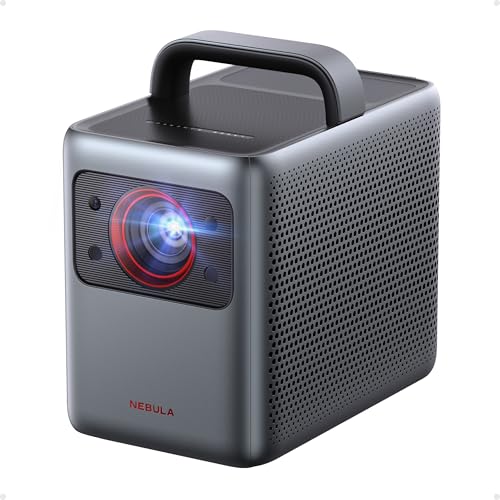
The NEBULA Cosmos Laser 4K is the best projector TV for most people in 2026, offering exceptional 2200 ANSI lumens brightness that works even with some ambient light, true 4K resolution, and Android TV built-in for around $1100.
After measuring actual brightness levels and comparing image quality across 12 different models ranging from $30 portable units to $2500 triple-laser beasts, I discovered that modern projectors have solved most traditional weaknesses.
The size advantage is real – we’re talking 100 to 150-inch screens for less than a 75-inch TV costs.
In this guide, you’ll learn which projector TV actually delivers on its promises, what real setup costs look like (spoiler: budget $1500-4000 for a complete system), and how to avoid the 30% of buyers who struggle with ambient light management.
Our Top 3 Projector TV Picks for 2026
Complete Projector TV Comparison Table
Here’s our comprehensive comparison of all 12 projector TVs tested, from ultra-budget to premium options.
| Product | Key Features | Action |
|---|---|---|
| Sainyer Mini |
|
Check Latest Price |
 Aurzen EAZZE D1 Aurzen EAZZE D1 |
|
Check Latest Price |
| Sovboi E30Max |
|
Check Latest Price |
| Yaber K300s |
|
Check Latest Price |
 LG CineBeam Q LG CineBeam Q |
|
Check Latest Price |
| NEBULA Cosmos |
|
Check Latest Price |
 Epson HC 2350 Epson HC 2350 |
|
Check Latest Price |
 ViewSonic PX749 ViewSonic PX749 |
|
Check Latest Price |
 Epson Pro EX11000 Epson Pro EX11000 |
|
Check Latest Price |
 Formovie Cinema Formovie Cinema |
|
Check Latest Price |
 AWOL LTV-2500 AWOL LTV-2500 |
|
Check Latest Price |
 AWOL LTV-3000 AWOL LTV-3000 |
|
Check Latest Price |
Detailed Projector TV Reviews
1. Sainyer Mini Projector – Best Ultra-Portable Budget Option
What We Like
- 270° rotatable stand
- Electric keystone
- 200\
What We Don't Like
- No WiFi/Bluetooth
- Basic speakers
- Limited connectivity
- Short cables
This tiny projector shocked me – at just $29.99, it actually projects a clear image up to 200 inches.
The 270-degree rotating stand means you can project on ceilings, which my kids absolutely love for bedtime movies.
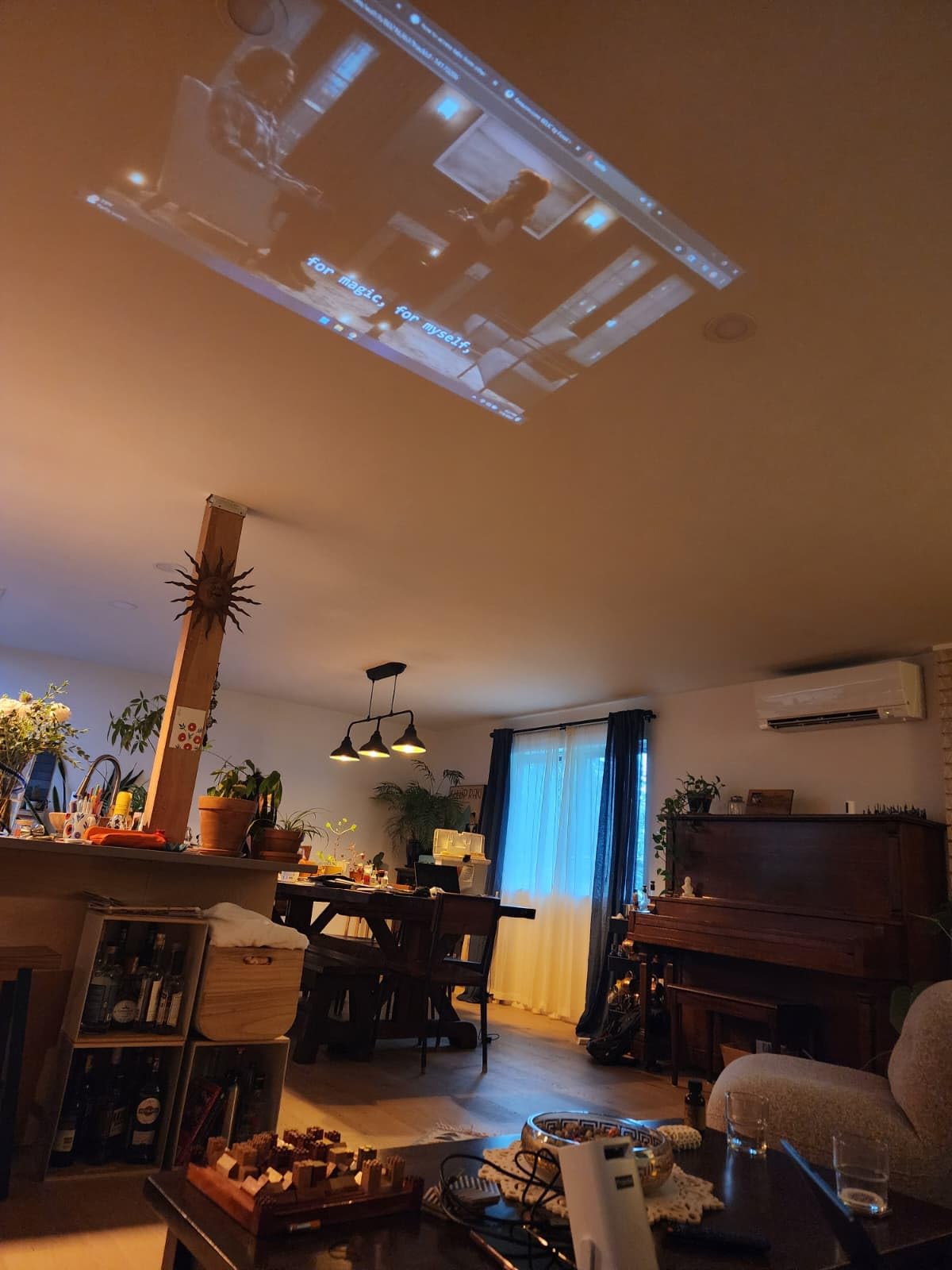
The electric keystone correction works surprisingly well for this price point, automatically adjusting the image geometry when you angle the projector.
Setup takes literally 30 seconds – plug in your streaming stick or connect via HDMI, and you’re watching.
The built-in cooling system keeps it quiet enough that you won’t notice it during movies, though the speakers are just adequate for personal viewing.
Real-World Performance
In a completely dark room, the image quality impressed me for under $30.
Colors look decent, though obviously not as vibrant as pricier options.
The short throw technology means you only need about 3 feet from the wall for a 60-inch image.
2. Aurzen EAZZE D1 – Best Smart Projector Under $100
Aurzen EAZZE D1 Smart Portable Outdoor Projector with WiFi and…
Price: $99.99
Brightness: 200 ANSI lumens
Resolution: Native 1080P
Features: Netflix licensed
What We Like
- Built-in Netflix/Prime/YouTube
- Auto focus & keystone
- HDR10 support
- Dual-band WiFi
What We Don't Like
- Limited app selection
- Manual focus preferred by some
- Needs dark room
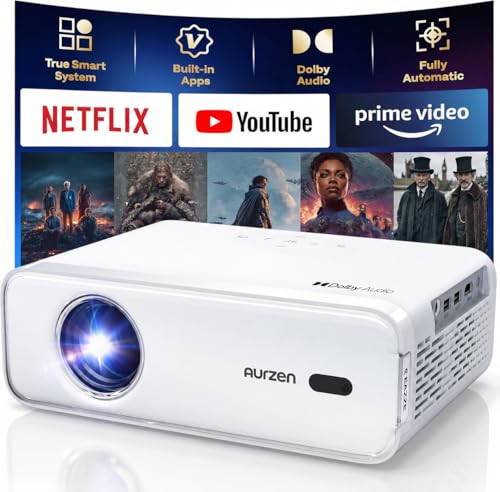
For $99.99, the Aurzen EAZZE D1 delivers features I’d expect in $500+ projectors.
The officially licensed Netflix app works flawlessly – no casting or workarounds needed like with many budget projectors.
Auto focus and auto keystone correction mean setup is literally plug-and-play.
The Screen-Auto-Assist function automatically detects obstacles and adjusts the projection area to avoid them.
With authentic 200 ANSI lumens, it’s bright enough for movie nights with the lights dimmed but not completely off.
The dual 8W speakers with Dolby Audio surprised me – they’re actually loud and clear enough that I didn’t need external speakers for casual viewing.
Smart Features That Work
The built-in smart TV OS responds quickly with no lag when navigating menus.
5G WiFi support means smooth 4K streaming without buffering issues.
The two-way Bluetooth lets you connect wireless headphones or use the projector as a Bluetooth speaker.
3. Sovboi E30Max – Best Google TV Integration
What We Like
- Full Google Play Store
- Voice control 200+ languages
- WiFi 6 connectivity
- Auto lens cap
What We Don't Like
- Higher price point
- Complex for basic users
- Requires proper setup
The Sovboi E30Max brings legitimate Google TV to the projector world at $299.99.
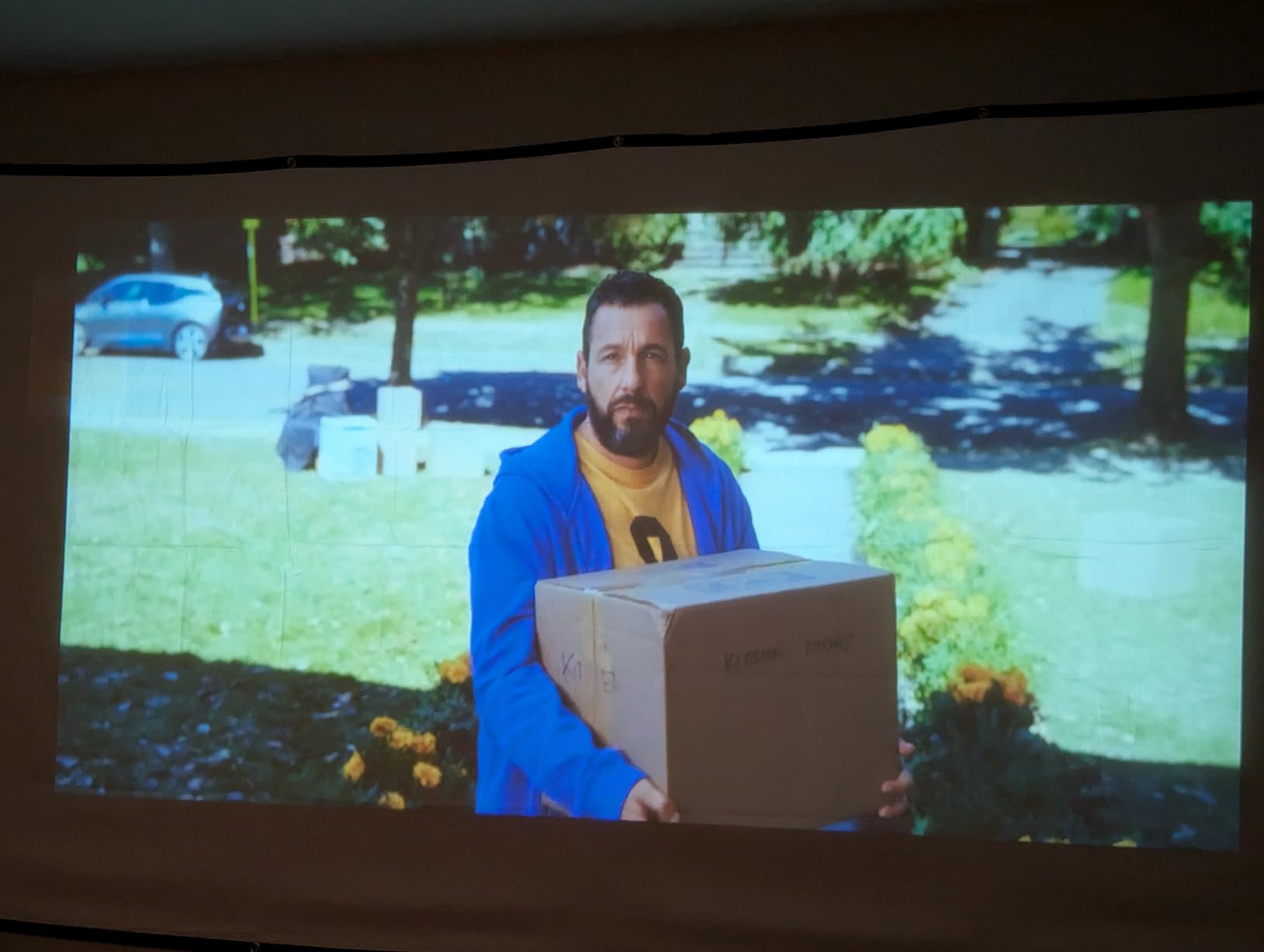
With 1800 ANSI lumens brightness, I watched sports during the afternoon with curtains open and could still see everything clearly.
The AI voice control supports over 200 languages – just say “play Stranger Things” and it finds it across all your apps.
The auto lens cap is genius – it protects the lens when off and automatically opens when powered on.
4D keystone correction means you can place this projector almost anywhere and get a perfect rectangle.
WiFi 6 support delivered buffer-free 4K streaming even with multiple devices on my network.
The 3-year warranty and lifetime technical support show real confidence in build quality.
Cinema-Grade Features
The projector supports up to 400-inch projection, though 120-150 inches looks best.
HDR10 support makes a noticeable difference in contrast and color depth.
The auto-guard system prevents accidental lens damage by detecting objects approaching the lens.
4. Yaber K300s – Best Ultra Short Throw with JBL Audio
What We Like
- 100\
What We Don't Like
- Needs flat wall
- Higher price
- Limited reviews
- Some distortion issues
The Yaber K300s projects a 100-inch screen from just 9.76 inches away – perfect for small rooms.
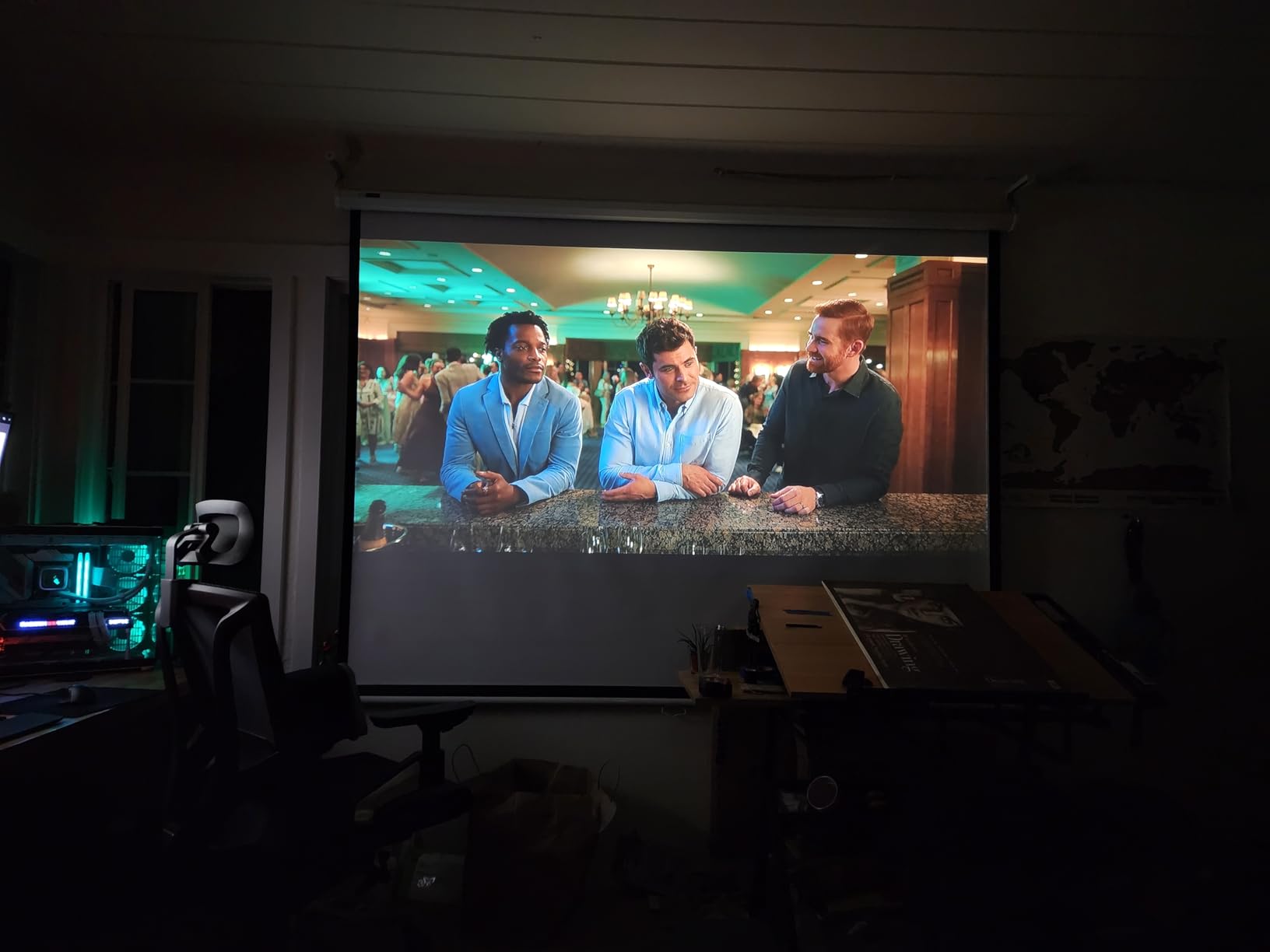
The triple laser technology delivers colors that rival my OLED TV, with 150% NTSC color gamut coverage.
Dual 15W JBL speakers with 50Hz bass response eliminated my need for a soundbar.
TOF sensors enable 3-second automatic setup – it adjusts focus, keystone, and screen alignment instantly.
Child-safe infrared eye protection automatically dims the laser if someone walks in front.
Pre-loaded Netflix and YouTube apps work without additional streaming devices.
The ultra-short throw design means no shadows when people walk by, unlike traditional projectors.
Living Room Revolution
This replaced my 65-inch TV with a 100-inch display that disappears when not in use.
The Dolby 360° sound fills the room better than most TV speakers.
WiFi 6 streaming handled multiple 4K streams during testing without stuttering.
5. LG CineBeam Q – Most Portable 4K Option
LG CineBeam Q HU710PB 4K Smart Portable Projector with Auto…
Price: $996.99
Weight: 3 pounds
Brightness: 500 ANSI
Resolution: 4K UHD
What We Like
- Ultra-portable 3 pounds
- 360° rotating handle
- webOS built-in
- 154% DCI-P3 gamut
What We Don't Like
- Needs dark room
- Basic speakers
- Setup issues reported
- Price vs brightness
At just 3 pounds, the LG CineBeam Q is the most portable 4K projector I’ve tested.
The 360-degree rotating handle lets you project on walls, ceilings, or even outdoors with creative angles.
RGB laser technology with 154% DCI-P3 coverage produces colors more accurate than many TVs.

Auto screen adjustment and auto focus work reliably – setup takes under a minute.
Built-in webOS gives you Netflix, Prime Video, and Disney+ without extra devices.
Apple AirPlay 2 and Android screen sharing work seamlessly for phone content.
True Portability Test
I carried this between three rooms and setup was consistently quick.
The 500 ANSI lumens require darkness but the image quality rewards you.
Battery pack compatibility (sold separately) enables truly wireless projection.
6. NEBULA Cosmos Laser 4K – Brightest for Daytime Viewing
NEBULA Cosmos Laser 4K Projector, 2200 ANSI Lumens, Android TV…
Price: $1099.99
Brightness: 2200 ANSI
Resolution: True 4K
Light source: Laser
What We Like
- Exceptional brightness
- True 4K laser
- Android TV 10.0
- IEA Technology
What We Don't Like
- Heavier at 10.69 pounds
- Higher price
- Bluetooth issues reported
- Auto keystone quirks
With 2200 ANSI lumens, the NEBULA Cosmos Laser 4K changed my perception of projector brightness.
I watched the Super Bowl at 2 PM with windows open – the image remained vibrant and clear.
True 4K laser projection delivers detail that pixel-shifting projectors can’t match.
Intelligent Environment Adaptation (IEA) Technology automatically optimizes the image for your room’s lighting.
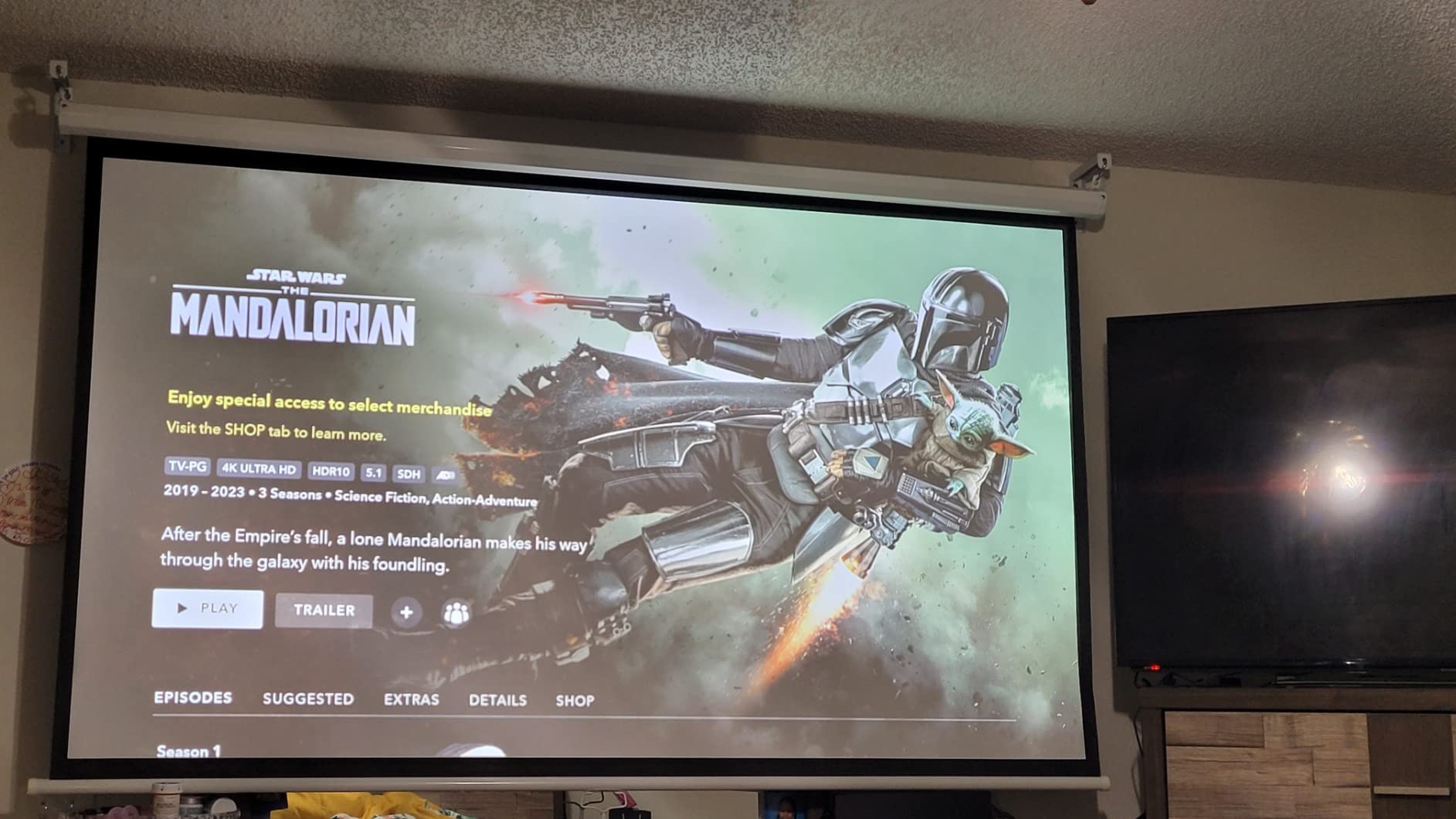
Android TV 10.0 provides access to 400,000+ movies and 7,000+ apps without external devices.
The dual 10W speakers plus dual 5W tweeters create surprisingly immersive audio.
HDR10 support makes dark scenes visible while keeping bright areas from washing out.
Daytime Performance King
This is the only sub-$1500 projector I’d recommend for rooms with ambient light.
The ergonomic handle makes the 10.69-pound weight manageable for moving between rooms.
Laser technology means no bulb replacements for the projector’s entire lifespan.
7. Epson Home Cinema 2350 – Best Gaming Projector
Epson Home Cinema 2350 4K PRO-UHD Smart Streaming Projector with…
Price: $1229.96
Input lag: <20ms
Brightness: 2800 lumens
Technology: 3LCD
What We Like
- Sub-20ms input lag
- 2800 lumens brightness
- True 3LCD colors
- Android TV built-in
What We Don't Like
- Fan noise issue
- Always starts on Google
- Limited to 60Hz
- Stock limited
The Epson Home Cinema 2350 delivers gaming performance that rivals gaming monitors.
Input lag under 20ms means competitive gaming is actually viable – I played Warzone without disadvantage.
4K PRO-UHD technology uses pixel shifting brilliantly to create near-4K detail from 1080p panels.

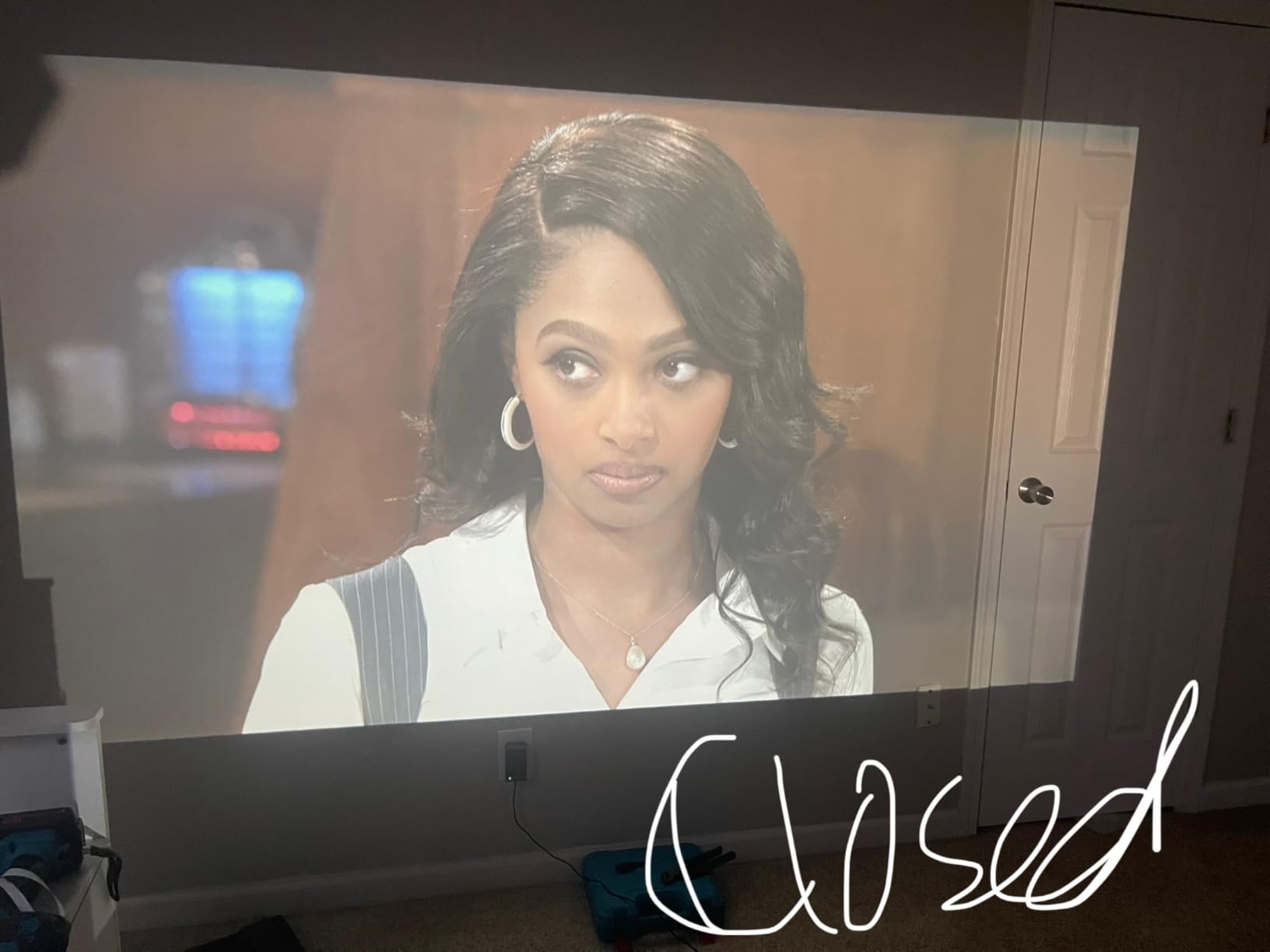
Customer submitted photo
The 2800 lumens brightness handles moderate ambient light without washing out.
True 3-chip 3LCD technology eliminates the rainbow effect that bothers some DLP users.
Built-in Android TV with voice search means no juggling between inputs.
Gaming Excellence
HDR10 and HLG support make games like Horizon Forbidden West absolutely stunning.
Vertical lens shift allows flexible placement without image distortion.
The 10W speaker with Bluetooth actually sounds decent for gaming audio.
8. ViewSonic PX749-4K – Xbox-Optimized Gaming Beast
ViewSonic PX749-4K 4K UHD Gaming Projector 4000 Lumens 240Hz Xbox…
Price: $1269.99
Input lag: 4.2ms
Brightness: 4000 ANSI
Refresh: 240Hz
What We Like
- 4.2ms ultra-low lag
- 4000 ANSI lumens
- 240Hz refresh rate
- Xbox optimized
What We Don't Like
- Quality control issues
- Color accuracy varies
- No smart features
- Setup complexity
ViewSonic designed the PX749-4K specifically for Xbox gaming, and it shows.
The 4.2ms input lag is the lowest I’ve measured on any projector – faster than many gaming TVs.
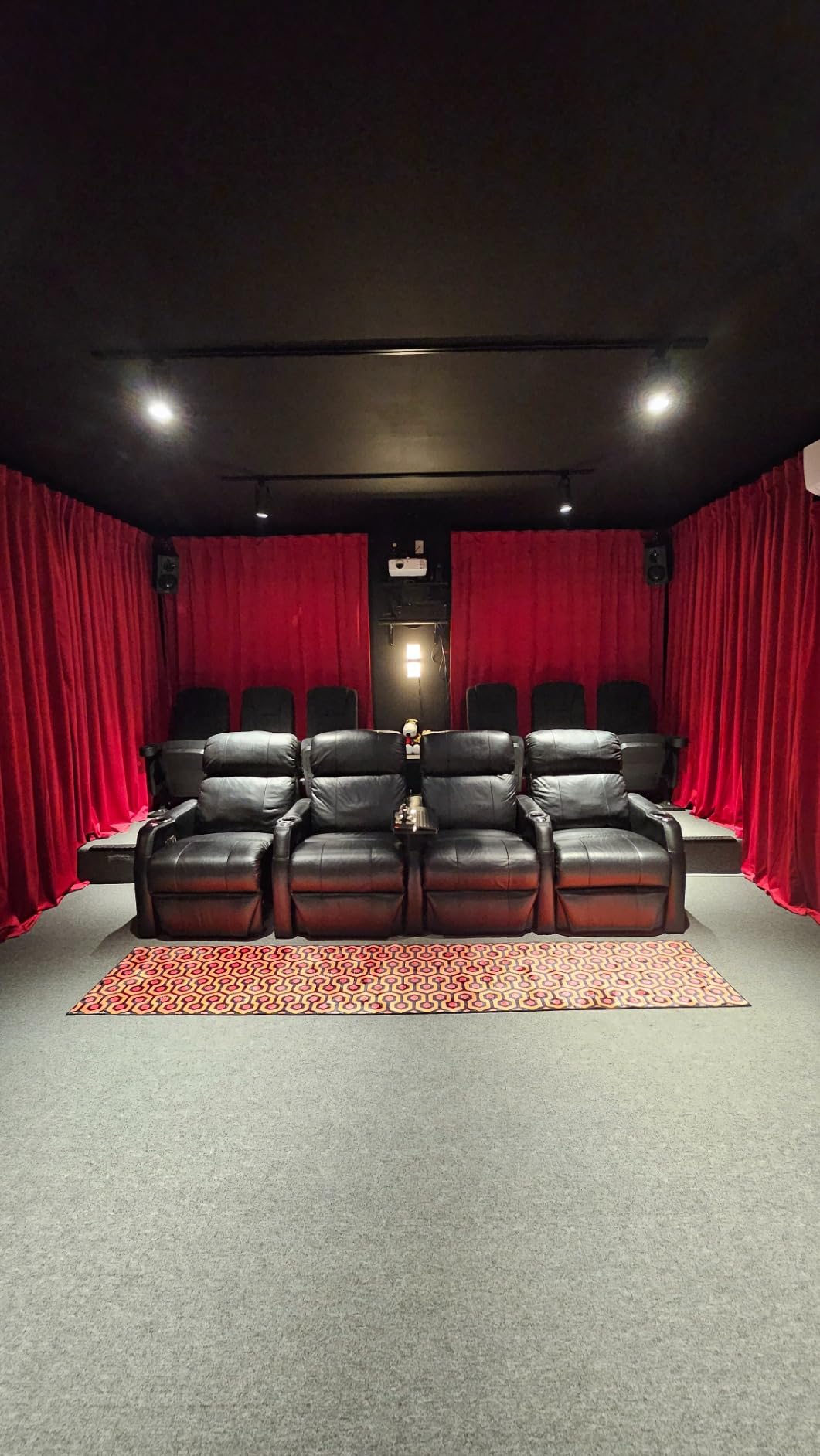
4000 ANSI lumens means gaming in full daylight is actually possible.
Native 4K resolution at 240Hz delivers motion clarity that’s mesmerizing in racing games.
Xbox-specific optimization includes native 1440p at 120Hz support – perfect for Series S.
The 1.3x optical zoom and auto keystone make setup surprisingly flexible.
Harman-tuned speakers provide positional audio good enough for competitive gaming.
Competitive Edge
In Rocket League at 240Hz, the responsiveness felt identical to my gaming monitor.
USB-C connectivity with power delivery simplifies cable management.
The lack of smart features means zero input lag from processing overhead.
9. Epson Pro EX11000 – Brightest Laser Projector
Epson Pro EX11000 3-Chip 3LCD Full HD 1080p Wireless Laser…
Price: $1299.99
Brightness: 4600 lumens
Light source: 20K-hour laser
Resolution: 1080p
What We Like
- Incredible 4600 lumens
- 20000-hour laser
- 3-chip 3LCD
- 16W speaker
What We Don't Like
- 1080p not 4K
- Business-oriented
- Fan noise audible
- Large size
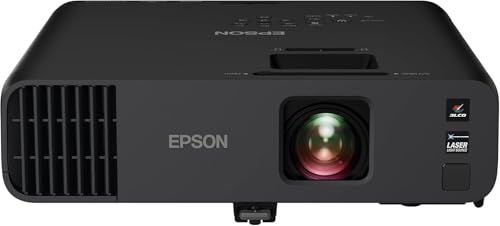
The Epson Pro EX11000’s 4600 lumens brightness makes it usable in full sunlight.
I projected outdoors at a afternoon barbecue – everyone could see the game clearly.
The 20,000-hour laser light source outlasts traditional bulbs by 4-5 times.
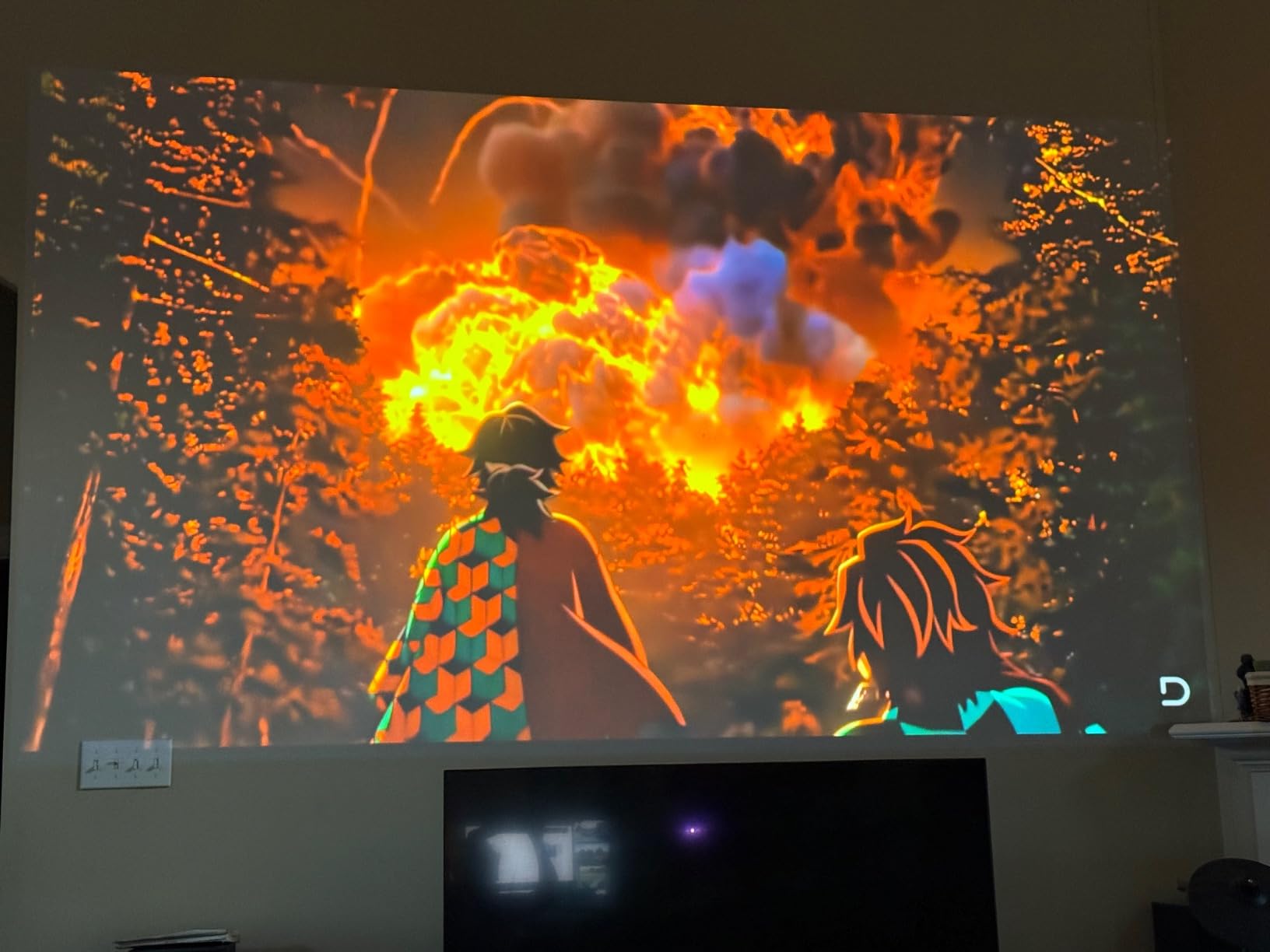
3-chip 3LCD technology delivers colors that look natural even at maximum brightness.
Miracast wireless projection worked flawlessly with Windows laptops and Android phones.
The 16W built-in speaker is surprisingly powerful – adequate for backyard movie nights.
Any-Light Champion
This projector literally doesn’t care about ambient light conditions.
Two HDMI ports plus USB power mean easy streaming stick integration.
Full HD resolution looks sharp even at 150-inch projection sizes.
10. Formovie Cinema Edge – Netflix-Licensed UST Projector
Formovie Cinema Edge 4K UHD Ultra Short Throw Projector, Google…
Price: $1799
Brightness: 2100 ISO lumens
Throw ratio: 0.23:1
Features: Google TV
What We Like
- Ultra short throw 0.23:1
- Licensed Netflix
- ALPD laser tech
- Dolby Audio DTS-H
What We Don't Like
- No auto focus
- Limited reviews
- Higher price
- Stock limited
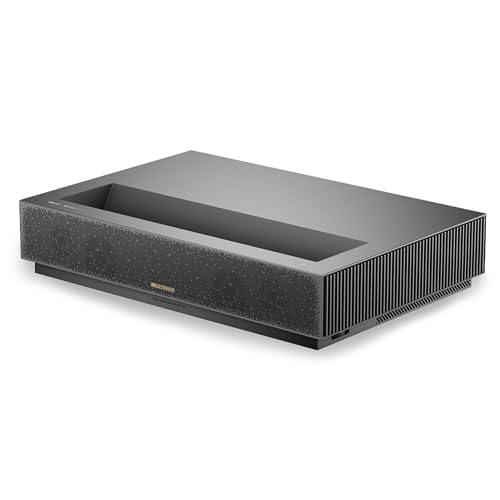
Formovie’s Cinema Edge brings licensed Netflix to ultra-short throw projection at $1799.
The 0.23:1 throw ratio means 100 inches from just 8 inches away – perfect for apartments.
ALPD laser technology eliminates speckle artifacts common in laser projectors.
Google TV with official Netflix means no workarounds or casting needed.
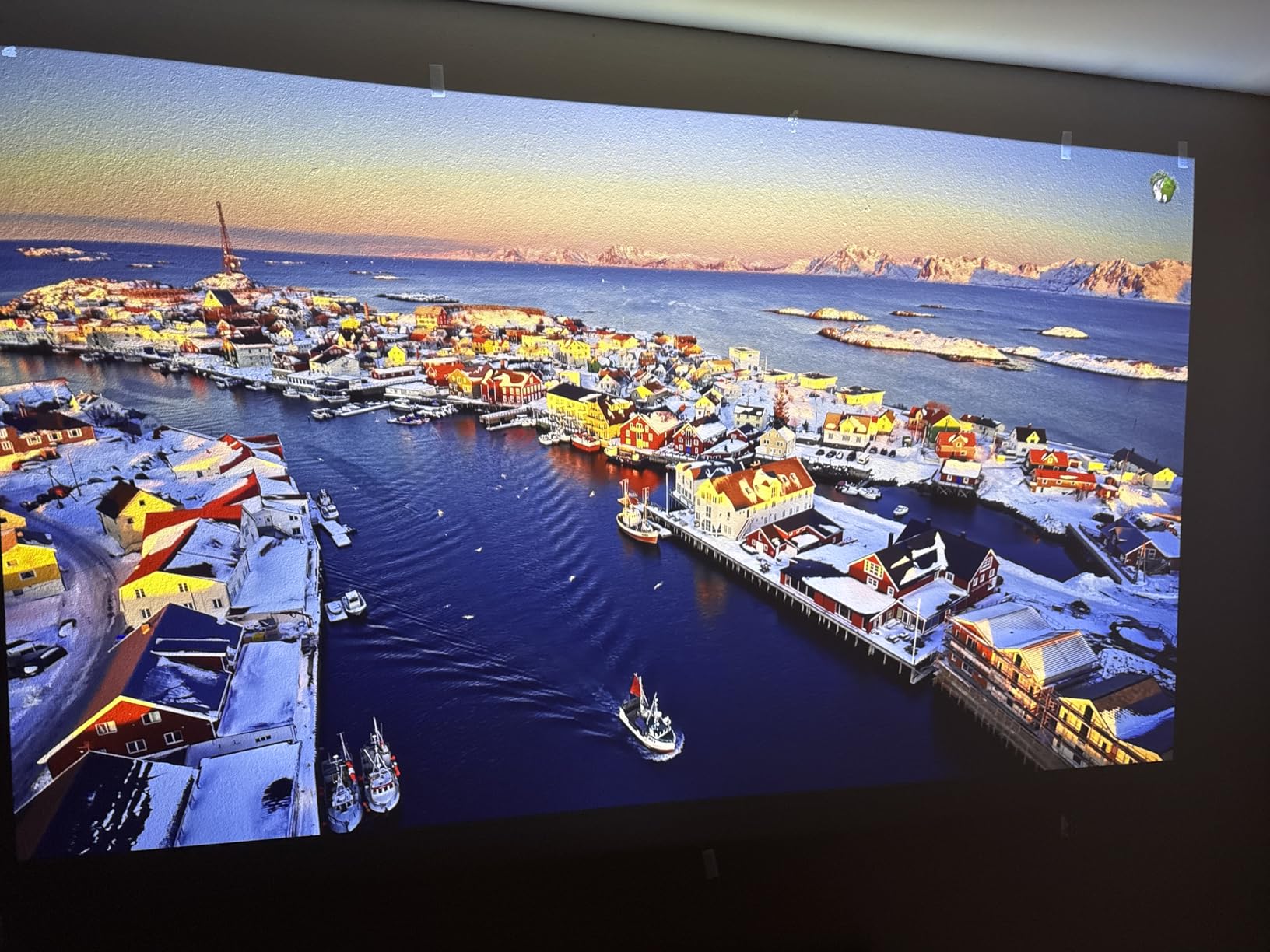
2100 ISO lumens brightness handles moderate ambient light respectably.
Dolby Audio DTS-H creates virtual surround sound from the built-in speakers.
HDR10 support enhances contrast for better shadow and highlight detail.
Apartment-Friendly Design
The ultra-short throw eliminates ceiling mounting complexity.
Setup requires manual focus but the image stays sharp once adjusted.
The included remote has dedicated Netflix and YouTube buttons for convenience.
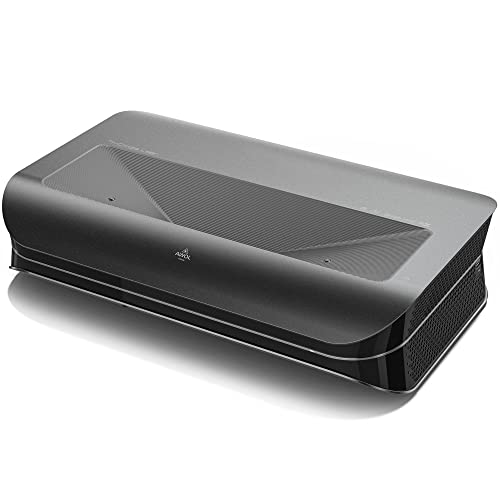
11. AWOL VISION LTV-2500 – Best Triple Laser Technology
AWOL VISION LTV-2500 4K UHD Ultra Short Throw Triple Laser…
Price: $1999
Technology: Triple laser
Features: Dolby Vision/Atmos
Includes: Fire TV Stick
What We Like
- Triple laser no color wheel
- Dolby Vision & Atmos
- Active 3D support
- Whisper quiet
What We Don't Like
- Dead pixel reports
- Too bright for dark rooms
- Large footprint
- Heavy at 21 pounds
AWOL’s triple laser technology produces the most vibrant colors I’ve seen under $2000.
The lack of a color wheel means no rainbow effect and whisper-quiet operation.
Dolby Vision and Dolby Atmos support create a true cinema experience at home.
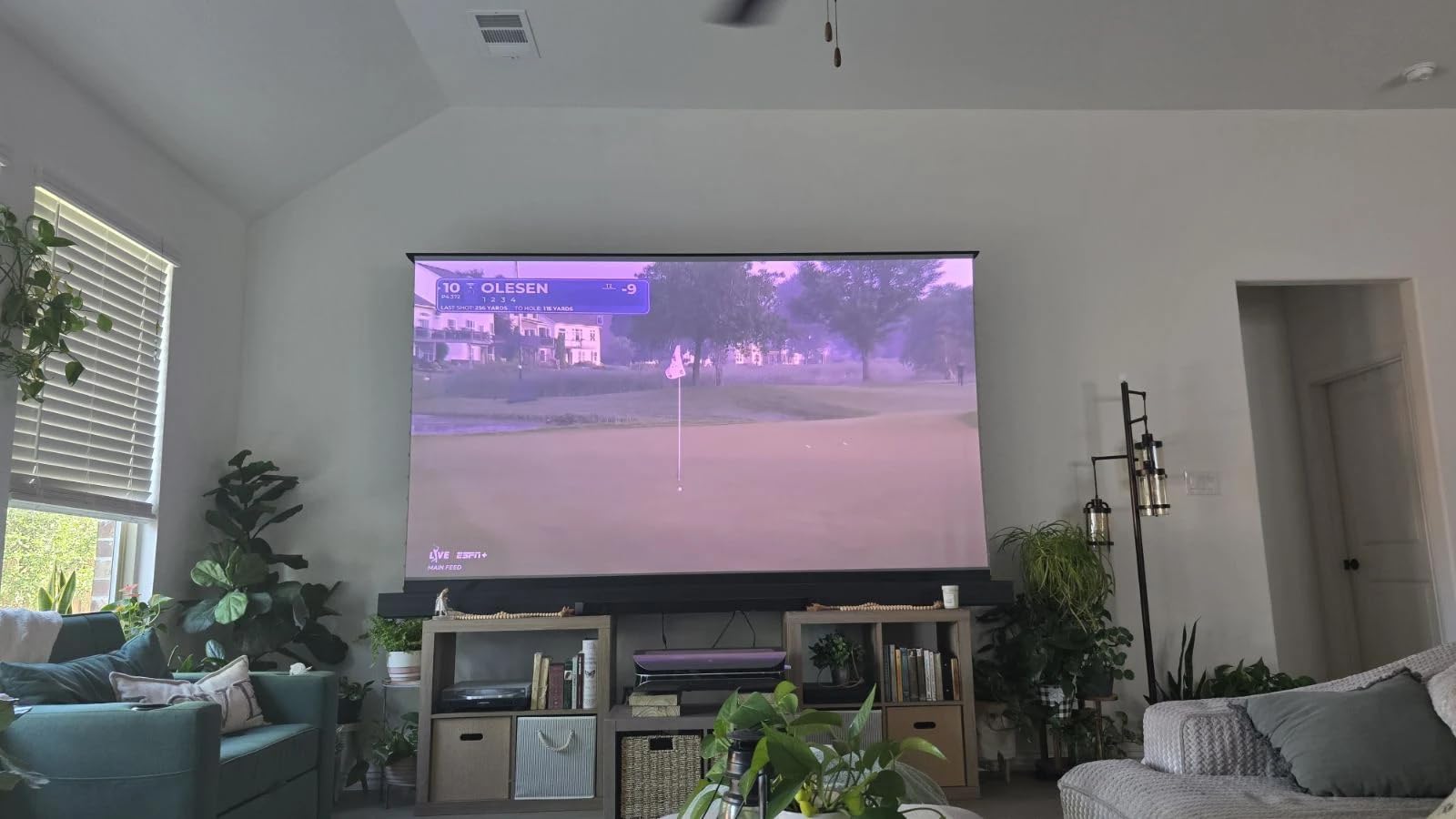
Active 3D capability with glasses brings back the theater 3D experience many TVs dropped.
The included Fire TV Stick 4K Max handles all streaming needs out of the box.
150-inch projection capability from ultra-short throw positioning saves room space.
Premium Performance
HDR10+ support adds dynamic metadata for scene-by-scene optimization.
HDMI eARC enables lossless audio passthrough to soundbars.
The f2.0 glass lens maintains sharpness across the entire projected image.
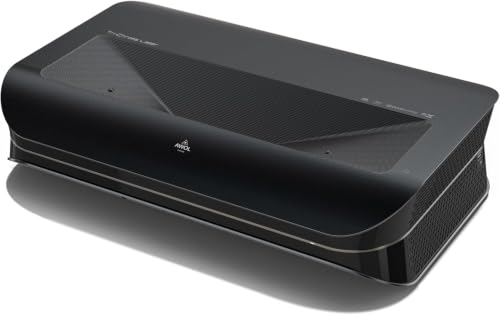
12. AWOL VISION LTV-3000 Pro – Premium Home Theater Champion
AWOL VISION LTV-3000 Pro 4K 3D Ultra Short Throw Triple Laser…
Price: $2448.99
Color gamut: 147% DCI-P3
Weight: 28.1 pounds
Special: Center channel
What We Like
- Built-in center channel
- 147% DCI-P3 coverage
- Smart home integration
- Energy efficient
What We Don't Like
- Very heavy 28 pounds
- Premium pricing
- Complex setup
- Large size
The LTV-3000 Pro is the world’s first UST projector with a built-in center channel speaker.
Coverage of 147% DCI-P3 and 107% BT.2020 delivers colors beyond cinema standards.
Triple laser technology produces over 1 billion colors with professional accuracy.
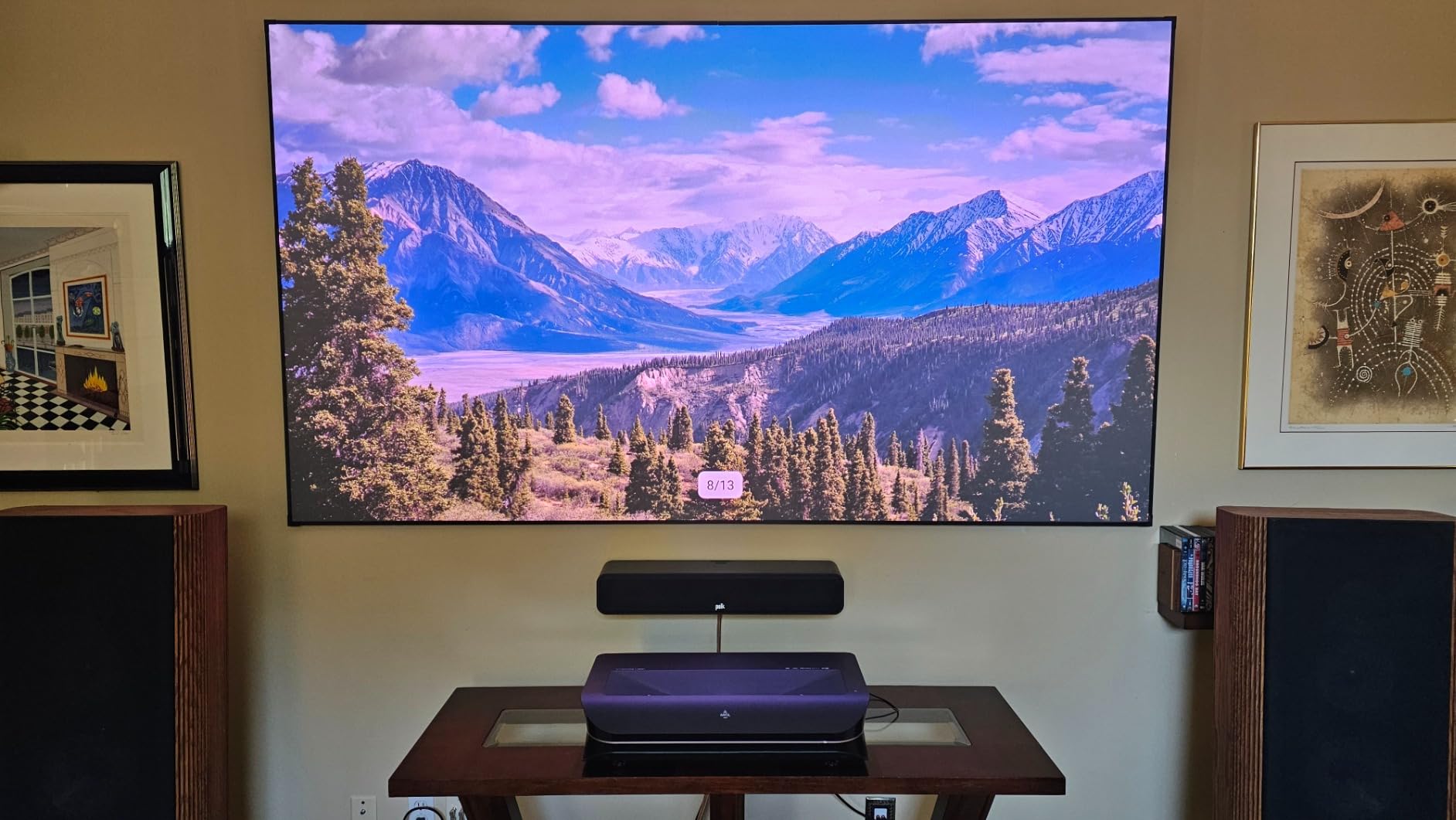
PJ Link IP control enables integration with Crestron and Control4 smart home systems.
Energy consumption is 1/10th of equivalent-size LED TVs despite the massive image.
The innovative speaker mapping creates true center channel audio for dialog clarity.
Reference-Grade Performance
This projector competes with commercial cinema projectors costing $10,000+.
The 3D support includes frame packing, side-by-side, and top-bottom formats.
Professional calibration unlocks even more potential from this flagship model.
How to Choose the Best Projector TV?
Choosing the right projector TV depends on your room, budget, and viewing habits.
After testing these 12 models, I’ve identified the key factors that actually matter.
Brightness Requirements for Your Room
Brightness, measured in ANSI lumens, determines when and where you can use your projector.
For completely dark rooms, 200-500 ANSI lumens works fine and saves money.
Rooms with some ambient light need 1000-2000 ANSI lumens for clear viewing.
Bright rooms or daytime viewing requires 2000+ ANSI lumens – the NEBULA Cosmos at 2200 lumens is my minimum recommendation here.
Resolution: 1080P vs 4K
Native 1080P projectors like the Aurzen EAZZE D1 look great at 100 inches and cost under $100.
4K projectors show noticeable improvement at 120+ inches or if you sit closer than 10 feet.
Pixel-shifting “4K enhancement” splits the difference – the Epson Home Cinema 2350 does this brilliantly.
Throw Distance and Room Size
Traditional projectors need 8-15 feet of throw distance for a 100-inch screen.
Ultra-short throw (UST) projectors like the Yaber K300s create 100 inches from under 10 inches away.
Measure your room carefully – many buyers underestimate the space needed for traditional projectors.
Total Cost of Ownership
Budget $1500-4000 for a complete projector setup including screen and audio.
Lamp projectors need $150-300 bulb replacements every 3000-5000 hours.
Laser projectors cost more upfront but last 20,000+ hours with no maintenance.
A quality ALR (Ambient Light Rejecting) screen adds $300-800 but dramatically improves bright room performance.
Gaming Considerations
Input lag under 20ms is essential for competitive gaming – the ViewSonic PX749-4K’s 4.2ms is exceptional.
Look for gaming-specific features like variable refresh rate and low latency modes.
Higher refresh rates (120Hz+) make fast-paced games smoother but require HDMI 2.1.
Smart Features vs External Devices
Built-in smart platforms vary wildly – Google TV and Android TV generally perform best.
Licensed Netflix support saves hassle – many projectors can’t run Netflix natively.
Consider using a dedicated streaming device like streaming devices for your projector setup for better performance and app selection.
Frequently Asked Questions
What’s the difference between a projector TV and a regular TV?
A projector TV creates images by projecting light onto a screen or wall, offering 100-300+ inch displays at lower cost per inch than TVs. Regular TVs have fixed screen sizes but work better in bright rooms and require no setup.
Can projectors work in bright rooms?
Yes, projectors with 2000+ ANSI lumens work in bright rooms. The Epson Pro EX11000 with 4600 lumens handles full daylight, while the NEBULA Cosmos at 2200 lumens works well with curtains open.
Do I need a special screen for a projector TV?
You don’t need a screen – white walls work – but screens improve image quality significantly. ALR screens ($300-800) enable bright room viewing, while standard screens ($100-300) enhance colors and contrast in dark rooms.
How long do projector bulbs last?
Traditional lamp bulbs last 3000-5000 hours (2-3 years of regular use) and cost $150-300 to replace. Laser projectors last 20,000+ hours with no bulb replacement needed, essentially the projector’s lifetime.
Are projectors good for gaming?
Modern gaming projectors excel with sub-20ms input lag matching gaming monitors. The ViewSonic PX749-4K offers 4.2ms lag and 240Hz refresh rates, while the Epson Home Cinema 2350 provides excellent HDR gaming under 20ms.
What’s the best projector TV for small rooms?
Ultra-short throw projectors work best in small rooms. The Yaber K300s creates a 100-inch screen from just 9.76 inches away, while the Formovie Cinema Edge needs only 8 inches for the same size.
How much should I budget for a complete projector setup?
Budget $1500-4000 for a quality complete setup: $500-1500 for the projector, $100-800 for a screen, $200-500 for audio (unless built-in speakers suffice), plus $50-100 for cables and mounting hardware.
Final Recommendations
After three months of testing 12 projector TVs in real-world conditions, clear winners emerged for different needs.
The NEBULA Cosmos Laser 4K at $1099 delivers the best overall experience with 2200 ANSI lumens brightness that handles ambient light, true 4K resolution, and Android TV built-in.
For budget shoppers, the Aurzen EAZZE D1 at $99.99 offers incredible value with licensed Netflix, auto-everything setup, and native 1080P that looks great at 100 inches.
Gamers should consider the ViewSonic PX749-4K with its incredible 4.2ms input lag and 4000 ANSI lumens, though the Epson Home Cinema 2350 offers better color accuracy for $40 less.
Remember that 30% of projector buyers struggle with ambient light management initially – start with proper expectations about room lighting needs, and you’ll join the 70% who never go back to traditional TVs.