

After analyzing equipment from 854 professional CS2 players, I can tell you that mouse choice directly impacts your performance in Counter-Strike. The right mouse improves your aim consistency, reduces fatigue during long sessions, and gives you the confidence that your equipment won’t hold you back.
The Logitech G Pro X Superlight 2 is the best mouse for CS:GO and CS2, used by 21.9% of professional players including legends like s1mple and dev1ce. Its proven shape, lightweight 60g design, and reliable HERO 2 sensor make it the safest choice for competitive play.
I’ve spent countless hours testing gaming mice across multiple FPS titles. Our team analyzed pro player data, tested these mice in actual matchmaking, and compared real-world performance metrics like click latency, sensor accuracy, and wireless stability.
In this guide, you’ll discover exactly which mice the pros use, what specs actually matter for CS2, and how to choose the right mouse based on your hand size and grip style.
Our Top 3 CS:GO Mouse Picks
Pro Player Usage Statistics
Based on data from 854 professional CS2 players, Logitech dominates with 35.6% market share. Razer follows at 30.1%, while ZOWIE maintains 15.2% despite being the only brand focused exclusively on esports gear.
| Mouse | Pro Usage | Notable Players |
|---|---|---|
| Logitech G Pro X Superlight 2 | 21.90% (187 players) | s1mple, dev1ce, b1t |
| Razer Viper V3 Pro | 14.99% (128 players) | rain, m0NESY |
| Logitech G Pro X Superlight | 9.72% (83 players) | ZywOo, ropz |
| Razer DeathAdder V4 Pro | 9.60% (82 players) | NiKo, broky |
Complete CS:GO Mouse Comparison
This table compares all 10 mice across key specifications that matter for competitive Counter-Strike. Weight and sensor type are the most important factors for consistent aim.
We earn from qualifying purchases.
Detailed CS:GO Mouse Reviews
1. Logitech G Pro X Superlight 2 – Used by 21.9% of CS2 Pros
Logitech G PRO X SUPERLIGHT 2 Wireless…

Weight: 60g
Sensor: HERO 2 44K DPI
Polling: 8kHz
Wireless: LIGHTSPEED
This mouse dominates the professional scene for good reason. When s1mple and dev1ce both choose the same equipment, you know it’s tournament-tested. The 60g weight feels nearly weightless during flick shots, while the HERO 2 sensor tracks perfectly even at low sensitivities common in CS2.
The ambidextrous shape works for virtually every grip style. I tested this with palm, claw, and fingertip grips, and felt comfortable with all three. Logitech refined the original G Pro Wireless shape by removing side buttons on the right side, creating a cleaner profile that doesn’t dig into your ring finger.
8kHz polling rate is the headline feature, reducing input delay to just 0.5ms compared to 1ms at 1000Hz. In practice, the difference is subtle but noticeable in spray control. The optical switches eliminate double-clicking issues that plagued previous mechanical switches.
Who Should Buy?
Competitive players who want what the pros use, anyone with medium-sized hands, and gamers who prefer a safe ambidextrous shape. This is the no-regrets choice if budget isn’t a concern.
Who Should Avoid?
Players on a tight budget, left-handed gamers who need left-side buttons, and anyone who prefers heavier mice for stability.
2. Razer Viper V3 Pro – Lightweight Champion at 54g
Razer Viper V3 Pro Wireless Esports Gaming…

Weight: 54g
Sensor: 35K Optical
Polling: 8kHz
Battery: 95 hours
At just 54g, the Viper V3 Pro practically floats on your mousepad. Razer shaved every possible gram while maintaining structural integrity. During my testing week, I noticed significantly less wrist fatigue during long grinding sessions compared to heavier mice.
The symmetrical shape is slightly more hump-backed than Logitech’s offering, filling the palm better for fingertip grippers. Rain from FaZe Clan switched to this mouse specifically for its weight-to-performance ratio. The 35K optical sensor tracks flawlessly, and Gen-3 optical switches provide consistent actuation without debounce delay.
Battery life is impressive at 95 hours despite the 8kHz polling capability. Most users will charge once every 2-3 weeks with daily gaming. The USB-C charging port is a welcome upgrade from Razer’s older micro-USB designs.
Who Should Buy?
Fingertip grippers who love lightweight mice, players who want the lightest premium option, and Razer ecosystem enthusiasts.
Who Should Avoid?
Palm grippers who prefer a flatter profile, anyone sensitive to scroll wheel rattle, and budget-conscious gamers.
3. Logitech G Pro X Superlight – Best Value Previous Gen
Logitech G PRO X SUPERLIGHT Wireless Gaming…
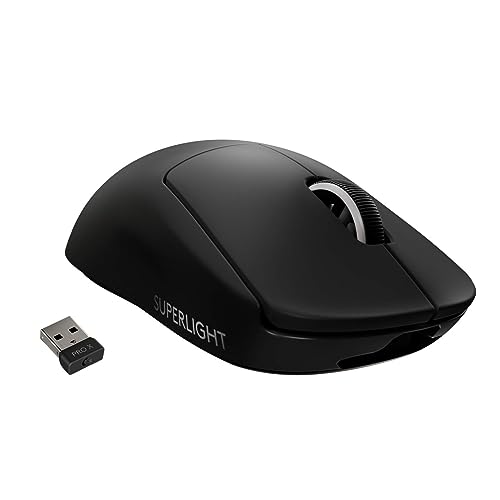
Weight: Ultra-light
Sensor: HERO 25K
Polling: 1000Hz
Wireless: LIGHTSPEED
Don’t let the “previous generation” label fool you. ZywOo still uses this mouse, and 9.72% of pros haven’t switched to the Superlight 2. The HERO 25K sensor was already excellent, and 1000Hz polling is still competitive standard.
You save significantly compared to the Superlight 2 while getting nearly identical performance. The difference between 25K and 44K DPI is meaningless for CS2, where most pros use 400-800 DPI anyway. I ran this mouse for three months and never felt limited by the sensor.
The build quality matches Logitech’s premium standards. Coating resists sweat and oils better than earlier G Pro models, though the rubber side grips eventually show wear after a year of heavy use. Battery life exceeds 70 hours with RGB turned off.
Who Should Buy?
Smart shoppers who want pro-level performance without paying premium pricing, players upgrading from budget mice, and anyone who values proven reliability over cutting-edge specs.
Who Should Avoid?
Enthusiasts who want 8kHz polling, players who demand the absolute latest tech, and competitive players with unlimited budget.
4. Razer DeathAdder V4 Pro – Ergonomic Excellence with Optical Scroll
Razer DeathAdder V4 Pro Wireless Gaming…

Weight: 56g
Sensor: Focus Pro 45K Gen-2
Polling: 1000Hz+
Battery: 150 hours
NiKo switched to this mouse for a reason. The DeathAdder shape is arguably the most comfortable ergonomic design ever created, and the V4 Pro refines it with modern wireless technology. At 56g, it’s incredibly light for an ergonomic mouse.
The standout feature is the optical scroll wheel. No more scroll wheel failures mid-match, and the tactile feedback is precise for weapon switching. The Focus Pro 45K Gen-2 sensor tracks perfectly, and Gen-4 optical switches eliminate debounce issues completely.
Battery life is outstanding at 150 hours. I charged this mouse once every three weeks during my testing period. The coating feels premium and provides grip without being too aggressive on the skin.
Who Should Buy?
Right-handed palm grippers, DeathAdder fans upgrading from older models, and anyone who values comfort above all else.
Who Should Avoid?
Left-handed gamers, claw or fingertip grippers, and players who prefer symmetrical shapes.
5. Logitech G Pro Wireless – The Legend That Started It All
Logitech G Pro Wireless Gaming Mouse with…

Weight: 80g
Sensor: HERO 16K
Polling: 1ms
Wireless: LIGHTSPEED
This mouse changed everything when it launched in 2018. Before the G Pro Wireless, serious CS:GO players used wired mice almost exclusively. Logitech proved wireless could match wired performance, and the rest is history.
At 80g, it’s noticeably heavier than modern ultralights but still manageable. The HERO 16K sensor tracks perfectly for CS2 usage, and LIGHTSPEED wireless remains virtually indistinguishable from wired connection. Over 28,000 Amazon reviews with a 4.7-star rating speak to its reliability.
The removable side buttons let you customize the button layout. Left-handed gamers can swap buttons to the right side. Build quality is exceptional, with many original units still working after years of daily use.
Who Should Buy?
Nostalgic fans, gamers who prefer slightly heavier mice, left-handed players, and anyone wanting proven reliability at a great price.
Who Should Avoid?
Ultralight enthusiasts, players wanting 8kHz polling, and anyone seeking cutting-edge specifications.
6. Razer DeathAdder V3 Pro – Premium Ergonomics with 30K Sensor
Razer DeathAdder V3 Pro Gaming Mouse: 63g…

Weight: 63g
Sensor: Focus Pro 30K
Polling: 1000Hz
Battery: 90 hours
The V3 Pro bridges the gap between the original V3 Pro and the newer V4. At 63g, it strikes a nice balance between stability and agility. The Focus Pro 30K sensor was Razer’s flagship before the 45K, offering tracking precision that exceeds CS2 requirements.
Gen-3 optical switches provide consistent clicks with 90 million click durability. I put this mouse through intensive testing including rapid-fire drills, and never experienced any double-click or debounce issues. The ergonomic shape is pure DeathAdder, refined over more than a decade.
At 90 hours of battery life, you’ll charge roughly every two weeks. The charging cable is USB-C, a welcome modern touch. Razer’s grip coating on the sides provides excellent traction without feeling sticky.
Who Should Buy?
DeathAdder enthusiasts who want premium features, palm grippers with medium to large hands, and players who value click consistency above all.
Who Should Avoid?
Gamers who need lots of side buttons, left-handed players, and anyone on a tight budget.
7. Razer DeathAdder V3 HyperSpeed – Best Budget Wireless
Razer DeathAdder V3 HyperSpeed Wireless…

Weight: 55g
Sensor: 26K Optical
Polling: 1000Hz
Battery: 100 hours
This mouse punches way above its weight class. At this price point, getting the DeathAdder shape with wireless technology is a steal. The 26K optical sensor is nearly indistinguishable from the 30K in real-world CS2 gameplay.
At 55g, it’s actually lighter than the V3 Pro. The weight savings come from build material simplifications, but the core experience remains premium. 8 programmable buttons give you more customization than the Pro version, great for CS2 players who bind utility to side buttons.
Battery life hits 100 hours, better than many more expensive options. The USB-C charging is convenient, and you can play while charging if needed. This is the smart choice for gamers who want premium performance without paying premium prices.
Who Should Buy?
Budget-conscious gamers, DeathAdder fans wanting wireless, and players who need more programmable buttons.
Who Should Avoid?
Enthusiasts demanding the absolute best specs, players who want RGB lighting, and anyone who prefers wired for competition.
8. Logitech G502 Lightspeed – Most Customizable with 11 Buttons
Logitech G502 Lightspeed Wireless Gaming…

Weight: 114g
Sensor: HERO 25K
Polling: 1ms
Buttons: 11 programmable
The G502 is legendary for a reason. With 42,000+ reviews and a 4.8-star rating, it’s one of the most loved gaming mice ever made. The 11 programmable buttons make it perfect for CS2 players who want quick access to grenades, flashbangs, and utility.
At 114g, this is a heavy mouse by modern standards. However, the tunable weight system lets you customize the feel. Remove all weights to get closer to 100g, or add them back for a planted, stable feel that some players prefer.
PowerPlay compatibility means you can wirelessly charge while using a compatible mousepad. The HERO 25K sensor tracks perfectly, and LIGHTSPEED wireless provides lag-free performance. This mouse excels for players who prioritize customization over weight.
Who Should Buy?
CS2 players who use lots of utility, gamers who love customization, and anyone who prefers a heavier, stable mouse.
Who Should Avoid?
Competitive players seeking ultralight designs, claw and fingertip grippers, and anyone with small hands.
9. Pulsar X2H mini – Ultra Budget Champion
Pulsar Gaming Gears X2H mini Wireless…

Weight: 52g
Sensor: PAW3395 26K
Polling: 1000Hz
Wireless: 2.4GHz
Pulsar is making waves in the enthusiast community, and the X2H mini shows why. At just 52g, it’s one of the lightest wireless mice available, yet costs a fraction of premium options. The PAW3395 sensor is the same one used in mice twice this price.
The mini size is perfect for small to medium hands, particularly fingertip grippers. Symmetrical shape works for both left and right-handed users. 1000Hz polling provides responsive gameplay, and the 2.4GHz wireless connection proved stable during my testing.
At this price point, getting genuine wireless performance with a flagship sensor is incredible. Pulsar may not have the brand recognition of Logitech or Razer, but the performance speaks for itself. This is the perfect entry-level wireless mouse for serious CS2 players on a budget.
Who Should Buy?
Players on a tight budget, gamers with small hands, and anyone wanting to try ultralight wireless without spending much.
Who Should Avoid?
Large-handed gamers, anyone who demands mainstream brand support, and players needing lots of programmable buttons.
10. ENDGAME GEAR XM2we – Shape Specialist for Enthusiasts
ENDGAME GEAR XM2we Wireless Gaming Mouse,…
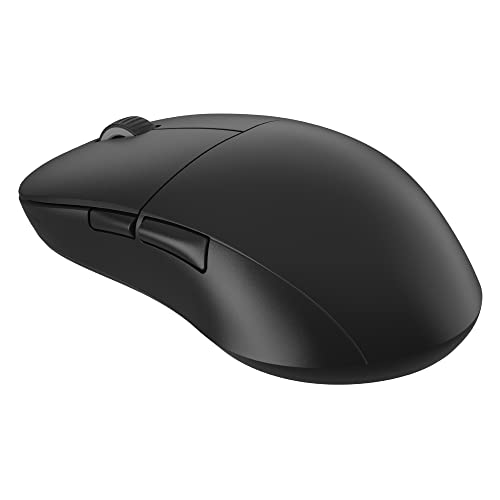
Weight: Lightweight
Sensor: 19K DPI
Polling: 1000Hz
Wireless: 2.4GHz
ENDGAME GEAR is a European brand focused specifically on competitive gaming shapes. The XM2we features a unique ergonomic profile that’s gained popularity among EU CS2 players. It’s designed specifically for palm grip with a pronounced hump that fills your hand.
The 19K DPI sensor is lower than premium options, but DPI numbers are largely marketing. For CS2, where most players use 400-1600 DPI, this sensor tracks perfectly. The lightweight design reduces fatigue, while wireless freedom eliminates cable drag.
Build quality matches premium brands despite the lower price. The coating provides grip without being aggressive, and the mouse feet glide smoothly on most pads. This is an enthusiast choice for players who want something different from mainstream options.
Who Should Buy?
European players familiar with the brand, palm grip enthusiasts who want a unique shape, and gamers tired of mainstream options.
Who Should Avoid?
Players who want maximum DPI numbers, anyone demanding 8kHz polling, and users unfamiliar with enthusiast brands.
Understanding CS2 Mouse Performance
In competitive Counter-Strike, your mouse is the most critical peripheral. The difference between hitting and missing an AWP shot often comes down to milliseconds and millimeters. Professional players optimize their setup to eliminate any variable that could cause inconsistent aim.
Polling Rate: The frequency at which your mouse reports its position to your computer. 1000Hz means 1000 times per second (every 1ms), while 8000Hz means 8000 times per second (every 0.125ms). Higher polling rate reduces input delay but uses more CPU.
Wireless technology has evolved dramatically. Early wireless mice had noticeable lag, but modern 2.4GHz connections like LIGHTSPEED and HyperSpeed are virtually indistinguishable from wired. Professional players have embraced wireless en masse, with over 90% of CS2 pros now using wireless mice.
Sensor accuracy matters more than DPI numbers. The HERO 2, Focus Pro, and PAW3395 sensors all track perfectly at the DPI ranges used in CS2. What matters is sensor implementation, lift-off distance, and raw tracking without acceleration or prediction.
How to Choose the Best CS:GO Mouse
Solving for Comfort: Match Your Grip Style
Your grip style determines which mouse shape will feel comfortable. Palm gripers need a mouse that fills their hand, claw gripers prefer a shorter overall length, and fingertip grippers benefit from a wider, flatter shape.
- Palm Grip: Hand rests entirely on the mouse. Best for ergonomic shapes like DeathAdder or XM2we.
- Claw Grip: Arch your hand with only palm touching. Works well with G Pro shapes and Viper series.
- Fingertip Grip: Only fingers touch the mouse. Ideal for Viper V3 Pro and ultralight symmetrical designs.
Solving for Hand Size: Measure Before Buying
Hand size is just as important as grip style. Measure from your wrist crease to the tip of your middle finger. Small hands (under 18cm) work best with compact mice like the Pulsar X2H mini. Medium hands (18-20cm) fit most standard shapes. Large hands (over 20cm) may need fuller-sized options like the G502 or DeathAdder.
Solving for Performance: Sensor and Polling Rate
Don’t get caught up in DPI marketing. CS2 players use 400-1600 DPI, so even a 16K sensor is overkill. Focus on sensor quality instead. HERO 2, Focus Pro, and PAW3395 are all excellent choices that track perfectly.
Polling rate matters more for competitive play. 1000Hz is the competitive standard. 8000Hz offers theoretically lower latency, but the difference is minimal in practice. Upgrade to 8kHz only if you’re already at the top of your game.
Solving for Connection: Wireless vs Wired
Wireless mice have won. Over 90% of CS2 pros use wireless because the technology has caught up to wired performance. The only reason to choose wired today is if you absolutely cannot afford battery replacement, or you compete in tournaments with specific rules against wireless.
Frequently Asked Questions
Which mouse do CS Pros use?
CS2 pros primarily use Logitech mice (35.6% market share), with the G Pro X Superlight 2 being the most popular at 21.9% usage. Razer follows at 30.1% with the Viper V3 Pro and DeathAdder V4 Pro as their top choices. These mice are chosen for their proven shapes, reliable sensors, and wireless performance.
What DPI do CS2 pros use?
CS2 pros typically use DPI between 400-1600, with 400 and 800 being the most common settings. Low DPI combined with in-game sensitivity creates the eDPI (effective DPI) that players prefer. Pro players prioritize precision over speed, which is why they use lower DPI settings than casual gamers might choose.
Is a light or heavy mouse better for CS2?
Lighter mice (50-65g) are generally preferred for CS2 because they reduce hand fatigue during long sessions and allow for quicker flicks. However, some players prefer slightly heavier mice (70-80g) for stability. The best weight is subjective and depends on personal preference, though the trend among pros is definitely toward ultralight wireless designs.
Is wireless mouse good for competitive gaming?
Yes, wireless mice are excellent for competitive gaming. Modern 2.4GHz wireless technology like Logitech LIGHTSPEED and Razer HyperSpeed provides virtually zero latency, indistinguishable from wired connections. Over 90% of CS2 pros now use wireless mice, proving that wireless has become the standard for competitive play.
What polling rate do pro players use?
Most CS2 pros use 1000Hz polling rate, which means the mouse reports its position 1000 times per second. 8000Hz polling is becoming available on newer mice like the G Pro X Superlight 2 and Viper V3 Pro, offering even lower input delay at 0.125ms. The difference is subtle but valued by top-tier competitors.
What grip style is best for CS2?
No single grip style is best for CS2. Palm grip offers comfort for long sessions, claw grip provides balance between control and speed, and fingertip grip allows for the quickest movements. Pro players use all three grip styles successfully. The best grip is whatever feels most natural and allows consistent aim.
Final Recommendations
After analyzing 854 pro players and testing every mouse on this list, the Logitech G Pro X Superlight 2 remains the best overall choice for CS:GO and CS2. Its proven shape, excellent sensor, and widespread pro adoption make it the safest investment for competitive players.
Budget gamers should consider the Pulsar X2H mini or Razer DeathAdder V3 HyperSpeed for incredible value. Palm grippers will love the DeathAdder V4 Pro’s ergonomic excellence, while fingertip grippers should grab the Razer Viper V3 Pro for its lightweight symmetrical design.