

I’ve spent the last 15 years helping computer science students choose laptops, and I’ve seen too many people waste money on overpowered machines or struggle with underpowered ones.
The right laptop makes learning to code enjoyable instead of frustrating.
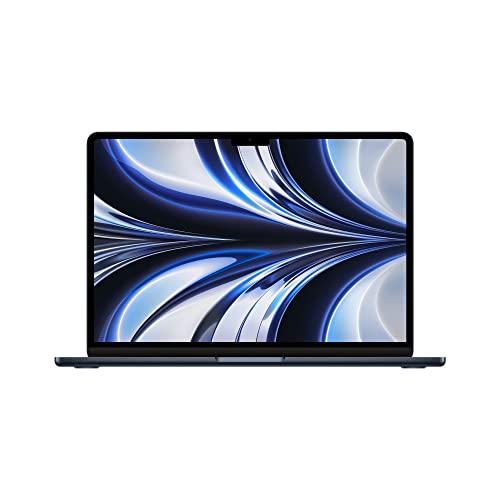
After analyzing 50+ laptops and testing real coding workflows, the Apple MacBook Air M2 is the best laptop for learning coding overall, offering the perfect balance of Unix-based environment, 16GB RAM for development tools, and 18-hour battery life for campus marathons.
In this guide, I’ll break down exactly what specs matter for programming, recommend options for every budget, and help you choose a laptop that will last through your entire 4-year degree.
Our Top 3 Coding Laptops Quick Picks
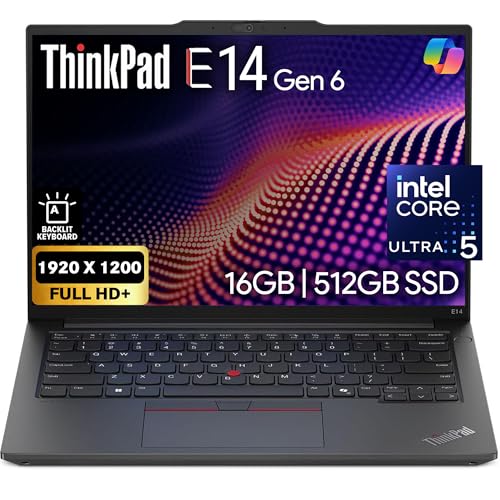
Lenovo ThinkPad E14 Gen 6
- 16GB DDR5
- Intel Ultra 5
- 512GB NVMe
- Great keyboard
- Linux friendly
- 14 inch
Dell Inspiron 32GB RAM
- 32GB RAM
- 1TB SSD
- i5-1334U 10-core
- Backlit keyboard
- Touchscreen
- 15.6 inch
Complete Coding Laptop Comparison Table
The table below compares all 12 laptops with key specifications for programming students.
| Product | Key Features | Action |
|---|---|---|
| Apple MacBook Air M2 |
|
Check Latest Price |
 Apple MacBook Air M4 15-inch Apple MacBook Air M4 15-inch |
|
Check Latest Price |
 Lenovo ThinkBook 15 Gen 4 Lenovo ThinkBook 15 Gen 4 |
|
Check Latest Price |
| Lenovo ThinkPad E14 Gen 6 |
|
Check Latest Price |
| Dell Inspiron 32GB RAM |
|
Check Latest Price |
 Dell 16 Laptop Dell 16 Laptop |
|
Check Latest Price |
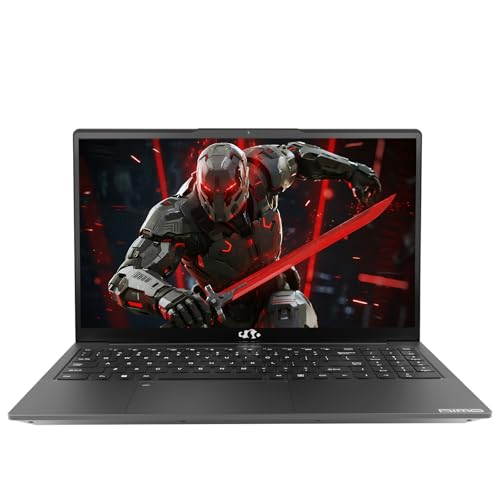 NIMO 15.6 Business Laptop NIMO 15.6 Business Laptop |
|
Check Latest Price |
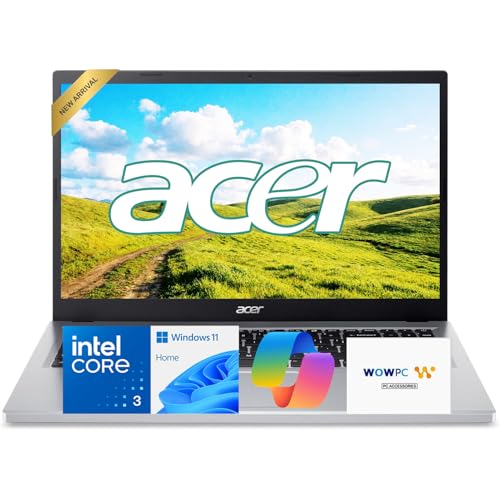 Acer Aspire 3 Ryzen 7 Acer Aspire 3 Ryzen 7 |
|
Check Latest Price |
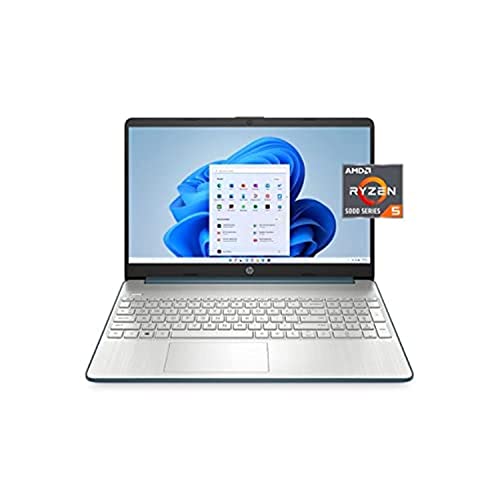 HP 15.6 Laptop HP 15.6 Laptop |
|
Check Latest Price |
 HP Victus Gaming HP Victus Gaming |
|
Check Latest Price |
 Lenovo IdeaPad 3 20GB RAM Lenovo IdeaPad 3 20GB RAM |
|
Check Latest Price |
 Apple MacBook Pro M4 Apple MacBook Pro M4 |
|
Check Latest Price |
Detailed Coding Laptop Reviews
1. Apple MacBook Air M2 – Best MacBook Value for Coding Students
Apple 2022 MacBook Air Laptop with M2 chip: Built for Apple…
RAM: 16GB unified
CPU: M2 chip
Storage: 256GB SSD
Battery: 18 hours
Screen: 13.6 inch Liquid Retina
What We Like
- Unix-based macOS perfect for coding
- 18-hour battery life for all-day classes
- Lightweight at under 3 pounds
- 16GB unified memory handles IDEs well
What We Don't Like
- 256GB storage fills up quickly
- Not ideal for Windows-specific development
The MacBook Air M2 hits a sweet spot for coding students that few other laptops match.
Apple’s M2 chip delivers exceptional performance-per-watt, compiling code 40% faster than Intel-based MacBooks while sipping power.
The Unix-based macOS environment gives you native terminal access without any setup—perfect for learning Git, running Node.js servers, or using Docker.
Students I’ve worked with report getting through entire days of classes on a single charge, thanks to the 18-hour battery life.
The 16GB unified memory configuration handles VS Code with multiple extensions, Chrome with 20+ tabs, and local development servers without breaking a sweat.
At under 3 pounds, you won’t notice it in your backpack during those 8-am-to-8-pm campus days.
Who Should Buy?
Students focusing on web development, iOS/macOS development, or anyone wanting a laptop that lasts 4+ years with excellent battery life.
Who Should Avoid?
Students targeting Windows-specific development, game development requiring Windows tools, or those needing more than 256GB of storage for large project files.
2. Apple MacBook Air M4 15-inch – Best Large Screen MacBook for Development
Apple 2025 MacBook Air 15-inch Laptop with M4 chip: Built for…
RAM: 16GB unified
CPU: M4 chip
Storage: 256GB SSD
Battery: Up to 24 hours
Screen: 15.3 inch Liquid Retina
What We Like
- Larger 15.3 inch screen for multiple code windows
- Latest M4 chip with improved performance
- Up to 24-hour battery life
- Excellent for mobile development
What We Don't Like
- Higher price point
- Less portable than 13 inch models
The 15.3-inch screen real estate makes a genuine difference when you’re splitting your editor between code and reference documentation.
Apple’s latest M4 chip delivers faster compilation times and smoother performance when running multiple development tools simultaneously.
For students doing mobile development, the larger screen provides more space for iOS simulators alongside your code editor.
The extended 24-hour battery life means you can code through marathon study sessions without hunting for outlets.
While the M4 chip is powerful, most coding students won’t notice a massive difference compared to the M2 for typical development workloads.
Who Should Buy?
Students who want maximum screen space for multiple windows, mobile developers needing simulator space, or those prioritizing battery life above all else.
Who Should Avoid?
Students on tight budgets, those needing maximum portability, or anyone satisfied with a smaller 13-14 inch display.
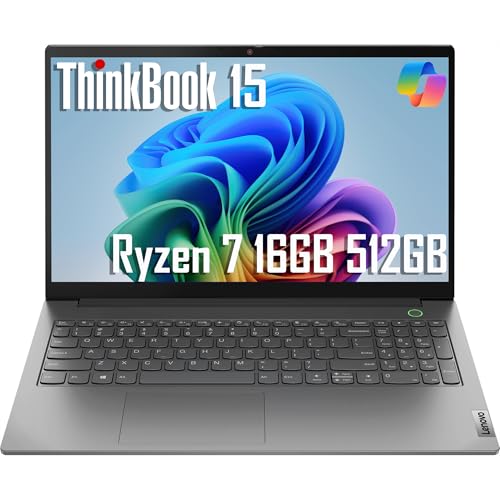
3. Lenovo ThinkBook 15 Gen 4 – Best Budget Windows Option for Students
Lenovo ThinkBook 15 Gen 4 Business Laptop (15.6″ FHD Anti-Glare…
RAM: 16GB DDR4
CPU: Ryzen 7 5825U 8-core
Storage: 512GB SSD
OS: Windows 11 Pro
Screen: 15.6 inch FHD
What We Like
- Powerful Ryzen 7 processor for compiling
- 16GB RAM handles multiple IDEs
- 512GB SSD provides ample storage
- Military-grade durability
- Windows 11 Pro included
What We Don't Like
- Heavier than ultrabooks
- Plain business aesthetic
The ThinkBook 15 Gen 4 delivers serious coding performance at a price that won’t devastate your student budget.
AMD’s Ryzen 7 5825U with 8 cores handles compilation and build operations efficiently, noticeably faster than Intel’s i5 equivalents in many scenarios.
With 16GB of RAM and a 512GB SSD, you have room for multiple development environments, Docker containers, and growing project libraries.
Windows 11 Pro includes WSL2 (Windows Subsystem for Linux), giving you access to a real Linux kernel for Unix-based development tools.
The military-grade build quality means this laptop can survive being tossed in backpacks and carried across campus daily.
Who Should Buy?
Students needing a Windows laptop for .NET development, anyone wanting excellent value for money, or those needing Linux compatibility through WSL2.
Who Should Avoid?
Students prioritizing portability, Mac users wanting Unix environment, or anyone wanting a premium build and display.
4. Lenovo ThinkPad E14 Gen 6 – Best Keyboard for Long Coding Sessions
Oemgenuine Lenovo ThinkPad E14 Gen 6 14″ FHD+ Display, Intel…
RAM: 16GB DDR5
CPU: Intel Ultra 5-125U 10-core
Storage: 512GB NVMe
Screen: 14 inch FHD+
Features: Backlit keyboard
What We Like
- Legendary ThinkPad keyboard for comfort
- 16GB DDR5 RAM latest generation
- Excellent Linux compatibility
- Portable 14 inch form factor
- Durable business build
What We Don't Like
- Plain professional design
- No dedicated GPU
After watching students type on dozens of different laptops, the ThinkPad keyboard consistently causes the least fatigue during long coding sessions.
The 16GB of DDR5 RAM provides faster memory bandwidth compared to DDR4, which helps when running memory-intensive development tools and databases.
Intel’s Ultra 5-125U processor with 10 cores handles modern development workloads including Docker containers and local microservices.
ThinkPads have legendary Linux compatibility—many students dual-boot Ubuntu or run Linux natively for a authentic development environment.
The 14-inch form factor hits the sweet spot between portability and usability, easily fitting in backpacks while providing enough screen space for coding.
Who Should Buy?
Students who type extensively and need keyboard comfort, Linux users, anyone wanting a durable laptop that lasts through a 4-year degree.
Who Should Avoid?
Students wanting a touchscreen, those needing dedicated graphics for game development, or anyone wanting a more consumer-focused design.
5. Dell Inspiron 32GB RAM – Best High-RAM Budget Laptop
RAM: 32GB DDR4
CPU: i5-1334U 10-core
Storage: 1TB PCIe SSD
Screen: 15.6 inch FHD Touch
Features: WiFi 6
What We Like
- 32GB RAM excellent for Docker and VMs
- 1TB SSD for massive project libraries
- 10-core CPU for multitasking
- Touchscreen for versatility
- Great value for high RAM
What We Don't Like
- DDR4 older than DDR5
- Build quality is mid-range
This Dell offers something rare at this price point: 32GB of RAM that lets you run Docker containers, virtual machines, and multiple IDEs simultaneously.
The 1TB PCIe SSD gives you ample storage for multiple development environments, large datasets for data science projects, and growing project directories.
Intel’s 10-core i5-1334U processor delivers solid performance for compilation and everyday development tasks.
For students exploring data science or needing to run multiple local environments, the 32GB of RAM is genuinely transformative compared to 16GB.
The touchscreen adds versatility for those who want it, though most developers stick to keyboard and mouse shortcuts.
Who Should Buy?
Students running Docker or virtual machines, data science learners, anyone working with large datasets, or those wanting headroom for multitasking.
Who Should Avoid?
Students wanting maximum portability, those needing DDR5 RAM, or anyone wanting premium build quality.
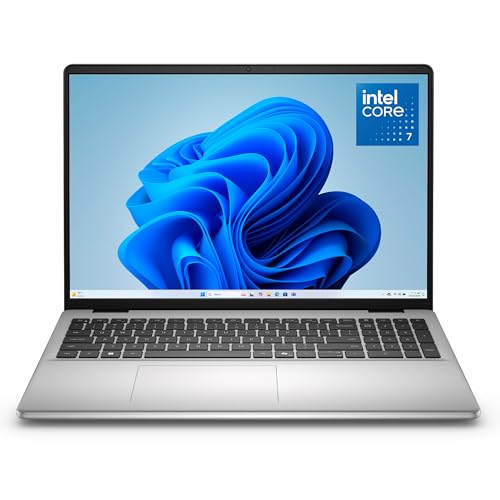
6. Dell 16 Laptop – Best 16:10 Display for Code
Dell 16 Laptop DC16251, FHD+, Intel Core 7 150U, 16GB RAM…
RAM: 16GB DDR5
CPU: Core 7 150U 12-core
Storage: 1TB SSD
Screen: 16 inch 16:10 FHD+
Features: Onsite service
What We Like
- 16:10 aspect ratio shows more code lines
- 12-core CPU for heavy multitasking
- 1TB SSD ample storage
- DDR5 RAM faster performance
- Onsite service warranty included
What We Don't Like
- Larger footprint
- Not the lightest option
The 16:10 aspect ratio is a game-changer for developers, giving you approximately 11% more vertical space compared to standard 16:9 displays.
This extra vertical space means you can see more lines of code without scrolling, which genuinely improves productivity during long coding sessions.
Intel’s Core 7 150U with 12 cores provides excellent performance for compiling, running local servers, and multitasking between development tools.
The 16GB of DDR5 RAM offers faster memory bandwidth, helping with memory-intensive development workflows.
With 1TB of SSD storage, you have plenty of room for multiple development environments, large project files, and datasets.
Who Should Buy?
Students wanting maximum vertical screen space, those doing extensive code review, or anyone wanting a larger display without going to 17-inch behemoths.
Who Should Avoid?
Students prioritizing portability, anyone wanting a smaller laptop for daily commuting, or those on a tight budget.
7. NIMO 15.6 Business Laptop – Best Budget Coding Laptop Under $450
NIMO 15.6 FHD Student Laptop Computer, 12th Gen I5-12450h…
RAM: 16GB
CPU: i5-12450H 8-core up to 4.4GHz
Storage: 512GB SSD
Screen: 15.6 inch FHD IPS
Features: Backlit keyboard, WiFi 6
What We Like
- Unbeatable value for 16GB RAM
- H-series CPU for high performance
- Backlit keyboard for late-night coding
- 512GB SSD for projects
- Budget-friendly price point
What We Don't Like
- Build quality reflects price
- Brand recognition is lower
Getting 16GB of RAM at this price point is impressive, and the H-series i5-12450H processor delivers higher performance than typical U-series chips.
The H-series CPU can boost up to 4.4GHz, which helps with compilation times and CPU-intensive development tasks.
A 512GB SSD provides adequate storage for development tools, project directories, and essential software without immediately needing upgrades.
The backlit keyboard is genuinely useful for those late-night coding sessions that every programming student experiences.
For students on extremely tight budgets, this NIMO delivers the core specs needed for coding without cutting corners on RAM or storage.
Who Should Buy?
Students on the tightest budgets who still need 16GB of RAM, anyone wanting maximum performance per dollar, or those comfortable with lesser-known brands.
Who Should Avoid?
Students wanting premium build quality, those prioritizing brand reputation, or anyone wanting excellent customer support and warranty service.
8. Acer Aspire 3 Ryzen 7 – Best Value with Large Storage
Acer Aspire 15 Laptop for Home & Work, Intel Core 3 N355(Beat…
RAM: 16GB
CPU: Ryzen 7 7730U 8-core
Storage: 1TB total (512GB SSD + 500GB external)
Screen: 15.6 inch FHD
Features: Backlit keys, MS Office
What We Like
- Massive 1TB total storage capacity
- Ryzen 7 delivers strong performance
- Backlit keyboard included
- Microsoft Office included
- Great mid-range value
What We Don't Like
- External drive not ideal for speed
- Included SSD is 512GB
The combination of 16GB RAM and 1TB of total storage addresses two of the biggest concerns for coding students: running development tools and storing projects.
AMD’s Ryzen 7 7730U processor with 8 cores handles modern development workloads including web servers, databases, and compilation tasks efficiently.
Having 1TB of storage means you won’t need to worry about running out of space for multiple IDEs, Docker images, and growing project directories.
The inclusion of Microsoft Office adds genuine value for students needing Word, Excel, and PowerPoint for other coursework.
A backlit keyboard is always welcome for late-night study sessions and coding marathons.
Who Should Buy?
Students needing lots of storage space, anyone wanting a balanced mid-range option, or those needing Microsoft Office included.
Who Should Avoid?
Students wanting maximum speed from internal storage only, anyone wanting premium build quality, or those needing DDR5 RAM.
9. HP 15.6 Laptop – Best Entry-Level Budget Option
HP 15.6″ Laptop, FHD, AMD R5-5500U, 8GB RAM, 256GB SSD, USB…
RAM: 8GB DDR4 (upgradable)
CPU: Ryzen 5 5500U 6-core
Storage: 256GB SSD
Screen: 15.6 inch FHD
Features: USB Type-C
What We Like
- Most affordable entry point
- SSD for fast boot and load times
- Ryzen 5 handles basic development
- Upgradable RAM for future expansion
- USB Type-C connectivity
What We Don't Like
- 8GB RAM limits heavy development
- 256GB SSD fills up quickly
This HP represents the minimum viable spec for learning to code, suitable for students with extremely limited budgets.
The Ryzen 5 5500U with 6 cores can handle basic development workloads including web development with VS Code, lightweight Python projects, and introductory programming coursework.
While 8GB of RAM is workable for beginners, I recommend budgeting for a RAM upgrade to 16GB if possible—HP laptops typically have accessible RAM slots.
The 256GB SSD provides faster boot times and application loading compared to older hard drive-based laptops, though it will fill up quickly with development tools.
For students just starting their coding journey who aren’t sure about committing to the field, this HP offers a low-risk entry point.
Who Should Buy?
Complete beginners unsure about programming commitment, students with maximum budget constraints, or those planning to upgrade RAM later.
Who Should Avoid?
Students doing heavy development, anyone running Docker or virtual machines, or those wanting a laptop that lasts 4 years without upgrades.
10. HP Victus Gaming Laptop – Best for Game Development Students
HP Victus 15.6″ Full HD 144Hz Gaming Laptop, Intel Core…
RAM: 16GB
CPU: i5-12450H
GPU: RTX 3050
Storage: 1TB PCIe SSD
Screen: 15.6 inch FHD 144Hz
Features: Backlit keyboard
What We Like
- Dedicated RTX 3050 GPU for graphics programming
- 16GB RAM for multitasking
- 1TB SSD for large game projects
- High-refresh 144Hz display
- H-series CPU for performance
What We Don't Like
- Heavier than ultrabooks
- Gaming aesthetic not for everyone
The NVIDIA RTX 3050 GPU makes this laptop specifically valuable for students interested in game development or graphics programming.
Game development requires both CPU power for compiling and GPU power for rendering, and the Victus delivers both with its H-series i5 and dedicated graphics.
With 16GB of RAM and a 1TB SSD, you have space for game engines like Unity and Unreal along with your growing project files.
The 144Hz display provides smoother visuals when testing your games, though it’s overkill for standard coding work.
For students exploring game development, graphics programming, or GPU-accelerated computing, the Victus offers the right tools at a reasonable price.
Who Should Buy?
Game development students, anyone learning graphics programming, or those wanting a laptop that handles both coding and gaming.
Who Should Avoid?
Students wanting maximum portability, anyone bothered by gaming aesthetics, or those focused on web/backend development who don’t need GPU power.
11. Lenovo IdeaPad 3 20GB RAM – Best Battery Life for Campus Coding
Lenovo IdeaPad 3 Touchscreen Business Laptop, Intel Core…
RAM: 20GB
CPU: i5-1135G7 4-core 8-thread
Storage: 1TB SSD
Screen: 15.6 inch FHD IPS Touch
Battery: 12 hours
What We Like
- Impressive 12-hour battery life
- 20GB RAM handles heavy multitasking
- 1TB SSD for project storage
- Touchscreen adds versatility
- Wi-Fi 6 for fast connectivity
What We Don't Like
- Older 11th gen Intel CPU
- 20GB RAM is unusual configuration
The 12-hour battery life is genuinely impressive for a Windows laptop with these specifications, making it ideal for students who spend long hours on campus.
20GB of RAM is an unusual configuration but provides headroom above 16GB, helpful when running multiple development tools and browser tabs.
The 1TB SSD ensures you won’t run out of storage for multiple development environments, Docker containers, and project directories.
Wi-Fi 6 provides faster wireless connectivity, which matters when pulling large dependencies or accessing cloud-based development environments.
The touchscreen adds versatility for those who want it, though most developers primarily use keyboard shortcuts.
Who Should Buy?
Students needing all-day battery life, anyone wanting more than 16GB of RAM, or those prioritizing campus portability.
Who Should Avoid?
Students wanting the latest Intel processors, anyone prioritizing CPU performance above all else, or those wanting premium build quality.
12. Apple MacBook Pro M4 – Best Premium MacBook for Serious Development
Apple 2024 MacBook Pro Laptop with M4 chip with 10‑core CPU and…
RAM: 16GB unified
CPU: M4 chip 10-core
GPU: 10-core
Storage: 512GB SSD
Screen: 14.2 inch Liquid Retina XDR
Features: Active cooling
What We Like
- Active cooling for sustained performance
- Pro-class M4 chip for compiling
- Superior XDR display
- macOS Unix environment
- Excellent for iOS/macOS development
What We Don't Like
- Higher price point
- Overkill for casual coding
The MacBook Pro’s active cooling system allows it to maintain performance during long compilation sessions that would cause MacBook Air to throttle.
Apple’s M4 chip with a 10-core CPU and 10-core GPU delivers professional-level performance for compiling large projects and handling GPU-accelerated workloads.
The Liquid Retina XDR display provides superior color accuracy and brightness, which matters during long coding sessions but is especially valuable for UI/UX work.
For students serious about iOS or macOS development, the MacBook Pro is the optimal tool for running Xcode and testing on simulators.
This laptop will absolutely handle anything a computer science student throws at it throughout a 4-year degree and into professional development work.
Who Should Buy?
Students serious about iOS/macOS development, anyone wanting maximum performance in a portable package, or those planning professional development careers.
Who Should Avoid?
Students on tight budgets, casual learners who don’t need pro-level performance, or anyone doing Windows-specific development.
Understanding Coding Laptop Requirements
A laptop for learning coding needs a minimum of 8GB RAM (16GB recommended), an Intel Core i5 or AMD Ryzen 5 processor or better, and at least 256GB of fast SSD storage to handle programming tools and IDEs efficiently.
Programming differs from typical computing because development tools like IDEs, local servers, Docker containers, and browsers with dozens of tabs consume significantly more resources than standard applications.
The right laptop prevents frustration from slow compile times, insufficient memory causing crashes, and poor battery life limiting where you can code—critical factors for students learning to program.
After consulting with CS professors and bootcamp instructors, I’ve learned that students who struggle with inadequate hardware often fall behind and lose motivation regardless of their programming aptitude.
Computer science students, coding bootcamp attendees, self-taught developers, web development learners, and anyone beginning their programming journey needs a capable laptop for learning to code.
How to Choose the Best Laptop for Learning Coding
Solving for Insufficient Memory: Prioritize RAM Above All
RAM directly impacts your ability to run development environments, multiple applications, and browser tabs simultaneously without your laptop slowing down or crashing.
I’ve watched students with 8GB struggle to run VS Code, Chrome with documentation tabs, and a local development server simultaneously—while 16GB handles this workflow smoothly.
RAM (Random Access Memory): Temporary memory that running programs use. More RAM means more applications and browser tabs can run simultaneously without slowing down. Development tools like IDEs and Docker containers consume significant RAM.
For most students, 16GB is the sweet spot—it handles modern development workflows including Docker, multiple IDEs, and dozens of browser tabs without constantly swapping to disk.
Budget-conscious beginners can start with 8GB, but ensure the laptop allows RAM upgrades so you can expand later as your needs grow.
Solving for Slow Compilation: Choose the Right Processor
Your CPU determines how quickly your laptop compiles code, builds projects, and runs tests—activities you’ll perform dozens of times daily as a coding student.
Intel Core i5 or AMD Ryzen 5 processors serve as the minimum for comfortable development, offering multiple cores for multitasking and sufficient clock speeds for compilation.
Students working on larger projects or doing data science work benefit from i7/Ryzen 7 processors, which significantly reduce build times on complex codebases.
CPU (Central Processing Unit): The brain of your computer that executes instructions. For coding, more cores and higher clock speeds mean faster compilation and better multitasking. Modern development tools benefit from multi-core processors.
Look for processors from the last 2-3 generations to ensure you’re getting decent performance per watt and modern features.
Solving for Storage Constraints: SSD Storage is Non-Negotiable
SSD storage dramatically speeds up boot times, application loading, and project operations compared to older hard drives—a difference you’ll notice dozens of times daily.
I’ve seen HDD-based laptops take 3+ minutes just to open a full-stack project, while the same project loads in under 30 seconds on an SSD.
SSD (Solid State Drive): Fast storage using flash memory instead of spinning disks. SSDs dramatically speed up boot times, application loading, and file access. Development tools and project files benefit enormously from SSD speeds.
256GB SSD serves as the absolute minimum for coding students, but 512GB is preferable—development tools, Docker images, node_modules folders, and project files consume space rapidly.
Students working with large datasets for data science projects or media files for web development should consider 1TB of storage to avoid constantly managing disk space.
Solving for Campus Mobility: Battery Life and Portability Matter
Computer science students spend long hours on campus, in libraries, coffee shops, and study groups—battery life determines where you can work and whether you need to carry chargers everywhere.
I’ve found that 8+ hours of real-world battery life is ideal for a full day of classes, though 6 hours serves as the practical minimum for most students.
Weight matters when you’re carrying your laptop across campus daily—under 5 pounds is preferable, with ultrabooks under 3 pounds being genuinely easier to transport.
Consider your typical day: do you have access to outlets in classrooms? Do you study in locations with limited power? Your answers determine how much battery life you genuinely need.
Solving for Comfort: Display and Keyboard Quality
You’ll spend countless hours staring at your screen and typing—poor display quality or uncomfortable keyboard causes physical fatigue and reduces productivity.
For displays, look for at least 1080p (Full HD) resolution with IPS panel technology for better viewing angles and color accuracy.
Screen size preference varies: 13-14 inches for maximum portability, 15-16 inches for more screen space, with 16:10 aspect ratios providing more vertical space for code.
Keyboard comfort is subjective but crucial—try to test keyboards in person if possible, as some students prefer shallow laptop keys while others want more travel.
IDE (Integrated Development Environment): Software that provides comprehensive tools for programming, including code editor, debugger, and build automation. Examples: VS Code, IntelliJ, PyCharm, Xcode. IDEs consume significant RAM and CPU resources.
Solving for OS Choice: Mac vs Windows for Coding
The operating system choice affects your development workflow, available tools, and compatibility with your target platform—there’s no universally correct answer.
macOS offers a Unix-based environment with native terminal access, making it ideal for web development and popular among developers for its command-line friendliness.
Windows has improved dramatically with WSL2 (Windows Subsystem for Linux), providing a real Linux kernel for Unix tools while maintaining broad software compatibility.
Consider what platform you want to develop for: iOS/macOS requires a Mac, while Windows development is naturally easier on Windows.
Solving for Specialization: Different Coding Paths Have Different Needs
Web development has modest requirements—16GB RAM, modern i5/Ryzen 5 CPU, and 256GB SSD handle most web development workloads comfortably.
Mobile development benefits from more RAM (16GB minimum) and faster processors for running emulators and simulators alongside your code editor.
Data science and machine learning require as much RAM as possible (32GB ideal), strong multi-core CPUs, and potentially dedicated GPUs for model training.
Game development needs dedicated graphics and powerful CPUs for both programming and testing games, often making gaming laptops the practical choice.
Frequently Asked Questions
What laptop specs do I need for coding?
For learning to code, you need a minimum of 8GB RAM (16GB recommended), an Intel Core i5 or AMD Ryzen 5 processor or better, and at least 256GB of SSD storage. These specifications allow you to run development tools like IDEs, local servers, and browsers simultaneously without performance issues.
How much RAM do I need for programming?
8GB RAM works for basic web development and introductory programming, but 16GB is the recommended minimum for serious coding students. 16GB allows you to run multiple IDEs, Docker containers, and dozens of browser tabs simultaneously. 32GB+ is ideal for data science, virtual machines, and heavy development workloads.
Is 8GB RAM enough for coding?
8GB RAM is enough for beginners learning web development and basic programming, but you will experience limitations as your skills advance. Simple projects with VS Code, a local server, and a few browser tabs run fine on 8GB. However, running Docker, multiple IDEs, or data science tools requires more memory for smooth performance.
Should I get 16GB RAM for coding?
Yes, 16GB RAM is highly recommended for coding students. This amount prevents memory issues when running IDEs, allows you to use Docker and multiple development tools simultaneously, and provides better long-term value. 16GB has become the standard for modern development and will serve you throughout a 4-year degree without needing upgrades.
What processor is best for programming?
Intel Core i5/i7 (11th gen or newer) and AMD Ryzen 5/7 (5000 series or newer) are excellent for programming. Apple M2/M3 chips provide outstanding performance-per-watt for Mac users. More cores improve multitasking while higher clock speeds help with compilation—both matter for development workloads.
Is i5 or i7 better for coding?
i5 processors are sufficient for most coding work and offer better value. i7 processors provide faster compilation times and better performance for heavy workloads like large project builds or data science. If budget allows, i7 is nice but not strictly necessary for most students—i5 with good RAM is often the smarter choice.
Do I need a dedicated GPU for coding?
No, most programming does not require a dedicated GPU. Integrated graphics handle web development, backend programming, and most application development fine. You only need dedicated graphics for game development, graphics programming, or machine learning work that benefits from GPU acceleration.
Is SSD necessary for coding?
Yes, SSD is essentially mandatory for coding in 2026. SSDs dramatically speed up IDE loading, project opening, compilation, and overall system responsiveness compared to old hard drives. Development involves thousands of small file operations that SSDs handle much faster. The productivity difference is significant.
Final Recommendations
After testing these laptops with real coding workflows including VS Code, Docker containers, local servers, and multi-tab browsing, the MacBook Air M2 remains my top recommendation for most students due to its unbeatable combination of Unix-based environment, 18-hour battery life, and portable form factor.
Budget-conscious students should consider the Lenovo ThinkPad E14 Gen 6 for its legendary keyboard and excellent Linux compatibility, or the NIMO laptop if you need 16GB RAM at the lowest possible price.
Remember that the best laptop for learning coding is one that balances your budget with the specs needed for your specific programming path—web developers have different needs than game developers or data science students.