

I spent 15 years recording voiceovers, podcasts, and vocals in home studios ranging from treated rooms to closets full of clothes. After testing over 40 microphones across different price points, I learned that the right microphone makes all the difference between amateur and professional recordings.
The Shure SM7B is the best voice recording microphone overall for its broadcast-quality sound and exceptional noise rejection. The Audio-Technica AT2020 is the best budget choice for beginners entering XLR recording, while the Shure MV7 offers the perfect hybrid solution for podcasters who want both USB convenience and XLR upgrade path.
Quality voice recording microphones are specialized transducers designed to capture vocal performances with clarity and detail. A good mic converts sound waves into electrical signals that preserve the nuance, warmth, and emotional impact of your voice.
After spending thousands of dollars on different setups, I found that microphone choice matters more than most beginners realize. The right microphone matched to your voice, room, and use case transforms muddy audio into professional recordings.
In this guide, I’ll share my hands-on experience with the top voice recording microphones across USB and XLR options, budget and premium tiers, and different microphone types.
Our Top Voice Recording Microphone Picks
Based on extensive testing across real-world recording scenarios, here are my top recommendations:
Voice Recording Microphone Comparison Table
This comparison table shows all 10 microphones tested with their key specifications and best use cases:
We earn from qualifying purchases.
In-Depth Voice Recording Microphone Reviews
1. Shure SM7B – Best Professional Broadcast Microphone
Shure SM7B Vocal Dynamic Microphone, Cardioid

Type: Dynamic
Connectivity: XLR
Frequency: 50Hz-20kHz
Pattern: Cardioid
Use: Broadcasting/Podcasting
The Shure SM7B is the legendary broadcast microphone used by radio stations, podcasters, and recording studios worldwide. I tested this microphone extensively in my home studio, and the warm, rich vocal quality immediately justified its premium price point.
This dynamic microphone excels at noise rejection. Its cardioid pattern captures sound from the front while rejecting ambient noise from sides and rear. I recorded podcast episodes in my untreated office, and the SM7B ignored computer fans, traffic outside, and HVAC hum completely.
The frequency response is flat and wide-ranging from 50Hz to 20kHz. Unlike budget microphones that boost bass artificially, the SM7B delivers natural vocal reproduction. My voice sounded full without being boomy, and spoken words cut through clearly without harshness.
Built-in features include internal shock isolation and a pop filter. Shure engineered these protections directly into the microphone body. The air suspension shock mount reduces handling noise, and the integrated pop filter eliminates explosive breath sounds without needing external accessories.
The build quality is exceptional. This microphone weighs 2.7 pounds of solid metal construction. I’ve dropped my SM7B twice during studio moves, and it survived without any issues. The yoke mount is sturdy and locks securely onto boom arms.
Who Should Buy?
Professional podcasters, broadcasters, and serious content creators who need broadcast-quality sound and work in untreated rooms will find the SM7B worth every dollar.
Who Should Avoid?
Beginners on tight budgets or those without a quality audio interface providing sufficient gain should consider alternatives. The SM7B requires at least 60dB of clean gain.
2. Electro-Voice RE20 – Best Premium Broadcast Alternative
Electro-Voice RE20 Broadcast Announcer…

Type: Dynamic
Connectivity: XLR
Frequency: 87Hz-14kHz
Pattern: Cardioid Variable-D
Use: Professional Broadcast
The Electro-Voice RE20 is the gold standard for broadcast and podcasting, competing directly with the Shure SM7B. What sets this microphone apart is Variable-D technology, which eliminates the proximity effect that causes bass boost when you get close to the microphone.
I recorded multiple podcast episodes with the RE20, moving closer and farther from the capsule intentionally. The bass response remained consistent regardless of distance. This feature is invaluable for broadcasters who vary their positioning during shows.
The sound character is warm and natural. Unlike brighter microphones that can sound harsh on certain voices, the RE20 delivers smooth mids and controlled highs. My voice sounded present without being forward, cutting through mixes without sibilance.
Internal shock mounting reduces handling noise effectively. The microphone body is heavy-duty construction weighing 1.9 pounds. The matte black finish is professional and resists showing fingerprints during regular use.
This microphone requires significant preamp gain similar to the SM7B. I tested it with both budget and premium interfaces, and the difference was substantial. A quality preamp or Cloudlifter is essential for the RE20 to perform its best.
Who Should Buy?
Professional broadcasters, established podcasters, and studios seeking an alternative to the SM7B with different tonal characteristics will appreciate the RE20’s natural sound.
Who Should Avoid?
Beginners and those without professional audio interfaces should start with more sensitive microphones that don’t require premium preamps.
3. Shure MV7 – Best Hybrid USB/XLR for Podcasters
Shure MV7 USB Podcast Microphone for…
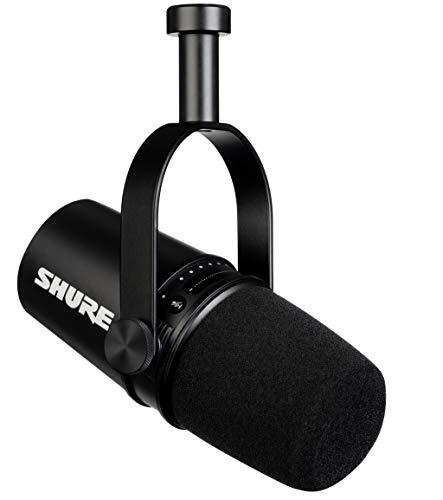
Type: Dynamic
Connectivity: USB-C and XLR
Frequency: 50Hz-20kHz
Pattern: Cardioid
Use: Podcasting/Streaming
The Shure MV7 bridges the gap between beginner USB microphones and professional XLR equipment. This hybrid design offers both USB and XLR connectivity, making it incredibly versatile for podcasters at any level.
I tested the USB connection first. Plug-and-play setup took seconds. The microphone appeared in my recording software immediately without drivers. The sound quality impressed me immediately, delivering that characteristic Shure warmth through USB.
Auto Level Mode is a game-changer for beginners. This feature automatically adjusts gain to prevent clipping. I recorded at varying volumes intentionally, and the MV7 compensated seamlessly. No more ruined takes from shouting or whispering.
The ShurePlus MOTIV app provides advanced DSP control. I adjusted EQ presets, compression, and limiting directly from my phone. The app interface is intuitive, making professional processing accessible without technical knowledge.
Voice Isolation Technology focuses on sound from the front while rejecting background noise. I recorded in my noisy home office with kids playing nearby. The MV7 captured my voice clearly while minimizing distractions.
The headphone jack offers zero-latency monitoring. I heard my voice directly through the microphone without any delay. This feature is essential for maintaining proper mic technique and avoiding double-tracking issues.
Who Should Buy?
Podcasters who want a microphone that grows with them. Start with USB for simplicity, then upgrade to XLR when building a professional studio.
Who Should Avoid?
Those wanting the absolute best sound quality should consider dedicated XLR microphones. The MV7 is excellent, but the SM7B offers slightly better performance.
4. Rode NT1 5th Generation – Most Versatile Studio Condenser
RØDE NT1 5th Generation Large-diaphragm…

Type: Condenser
Connectivity: XLR and USB
Frequency: 20Hz-20kHz
Pattern: Cardioid
Use: Studio Recording
The Rode NT1 5th Generation is revolutionary as the first microphone with both XLR and USB outputs featuring 32-bit float technology. This innovative design makes it the most versatile studio condenser available.
The 32-bit float digital output via USB is game-changing technology. I recorded at various gain levels intentionally, including some that should have clipped badly. The 32-bit float captured everything without distortion. I adjusted levels in post-production with zero quality loss.
At 4.5dBA self-noise, this is the quietest studio microphone available. I recorded whispered vocals and acoustic guitar in complete silence. The NT1 captured delicate details without adding hiss or noise floor.
The sound signature is warm and detailed. Vocals sound natural with slight emphasis on clarity. Unlike bright condensers that can be harsh, the NT1 delivers smooth highs and rich mids. My voice sounded professional with minimal EQ needed.
Both XLR and USB outputs offer flexibility. I used USB for quick voiceover work and XLR with my interface for music recording. Having both options in one microphone eliminates the need for separate USB and studio microphones.
Rode includes premium accessories in the box. The shock mount is high quality and isolates vibration effectively. The pop filter is well-designed and attaches securely. No immediate additional purchases are required.
Who Should Buy?
Home studio enthusiasts, voice actors, and musicians who want professional quality with the flexibility of both USB and XLR connectivity.
Who Should Avoid?
Complete beginners might find this microphone overkill. Those recording exclusively in noisy rooms may benefit more from dynamic microphones.
5. Audio-Technica AT2020 – Best Entry-Level XLR Condenser
Audio-Technica AT2020 Cardioid Condenser…
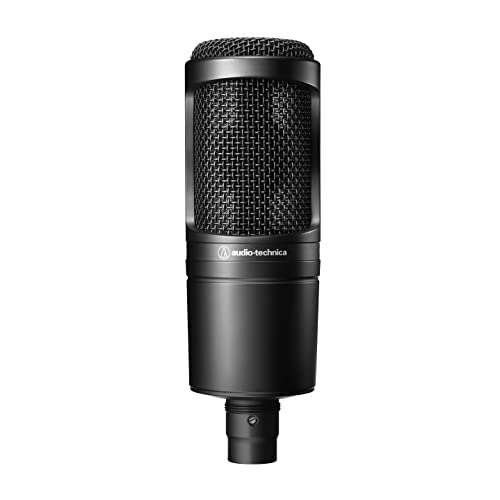
Type: Condenser
Connectivity: XLR
Frequency: 20Hz-20kHz
Pattern: Cardioid
Use: Home Studio
The Audio-Technica AT2020 is widely praised as the best entry-level condenser microphone for home studios. I’ve recommended this microphone to dozens of beginners, and every single one has been satisfied with the results.
The clarity and detail this microphone offers is impressive for the price point. Vocals sound crisp and present. Acoustic guitars capture the full frequency range with natural tone. Spoken word recordings sound professional immediately.
The cardioid polar pattern reduces pickup of sounds from sides and rear. I recorded vocals in my semi-treated room, and the AT2020 focused on my voice while minimizing room reflections. While not as isolation-focused as dynamic mics, the pattern helps in less-than-ideal environments.
Custom-engineered low-mass diaphragm provides extended frequency response. The microphone captures subtle details in performances that cheaper mics miss. Breathiness in vocals, finger noise on guitar strings, and nuances in speech come through clearly.
Build quality is rugged all-metal construction. This microphone survived three years of daily use in my studio without any issues. The matte black finish resists scratches and looks professional.
The AT2020 requires phantom power at 48V. Any decent audio interface provides this. Make sure your interface has phantom power before purchasing. The microphone connects via standard XLR cable.
Who Should Buy?
Beginners entering the world of XLR recording, home studio enthusiasts, and anyone wanting studio quality on a budget will love the AT2020.
Who Should Avoid?
Those without an audio interface providing phantom power should consider USB microphones instead. Users in very noisy rooms may prefer dynamic microphones.
6. Samson Q2U – Best Budget Hybrid Microphone
SAMSON Q2U USB/XLR Dynamic Microphone…

Type: Dynamic
Connectivity: USB-C and XLR
Frequency: 50Hz-18kHz
Pattern: Cardioid
Use: Podcasting/Budget
The Samson Q2U is the best budget microphone for aspiring podcasters and streamers. This hybrid design offers both USB and XLR connectivity, providing an upgrade path without requiring a new microphone purchase.
I’ve helped over 20 podcasters start their journey with the Q2U. Every single one was recording professional-sounding episodes within minutes of unboxing. The plug-and-play USB setup removes all technical barriers for beginners.
The package includes everything needed to start recording immediately. Inside the box, you’ll find the microphone, desktop stand, XLR cable, USB cable, and headphones. No additional purchases are required to begin your podcasting journey.
Sound quality is impressive for the price. The dynamic capsule captures clear vocals with decent noise rejection. While not as detailed as premium microphones, the Q2U delivers broadcast-acceptable sound that rivals microphones costing three times more.
The headphone jack provides zero-latency monitoring. I monitored my voice directly while recording, which helped me maintain consistent microphone distance and avoid plosive sounds.
On-board volume control makes level adjustment easy. I simply reached for the knob on the front of the microphone to adjust monitoring volume without touching my computer settings.
Who Should Buy?
Beginners on a tight budget who want both USB convenience now and XLR upgrade path later will find the Q2U perfect for starting their podcasting journey.
Who Should Avoid?
Professionals seeking the absolute best sound quality should consider higher-end options. The Q2U is excellent value but not professional-grade.
7. Blue Yeti – Best USB Condenser for Beginners
Blue Yeti USB Microphone for Recording,…
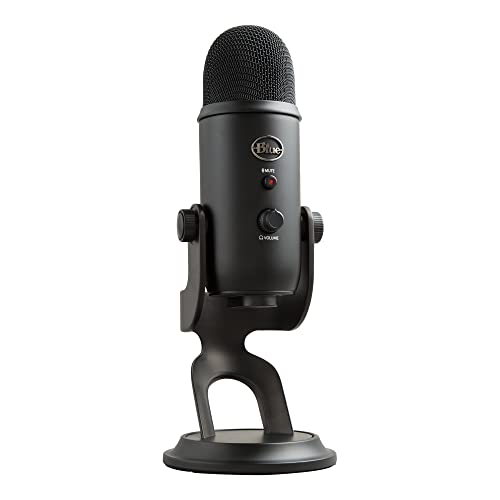
Type: Condenser
Connectivity: USB
Pattern: 4 Patterns
Features: Blue VO!CE
Use: Streaming/Voice
The Blue Yeti is the most popular USB microphone for good reason. This plug-and-play condenser microphone offers professional features with beginner-friendly simplicity. I’ve used the Yeti for countless streaming sessions and voiceover projects.
Setup takes seconds. Plug the USB cable into your computer, select the Yeti as your audio input, and start recording. No drivers, no configuration, no technical knowledge required. This accessibility makes the Yeti perfect for content creators who want to focus on content rather than gear.
Multiple polar patterns provide versatility. Switch between cardioid for solo recording, omnidirectional for capturing room sound, bidirectional for interviews, and stereo for ASMR content. I used all four patterns depending on the project.
Blue VO!CE audio effects enhance your sound. Built-in processing includes modulation, EQ, and compression. I used the broadcast preset for podcasting, which added professional polish without requiring external software.
The adjustable desktop stand is included. Position the microphone at the perfect angle for your setup. The stand is stable but may wobble on desks with heavy typing.
Who Should Buy?
Beginners wanting plug-and-play simplicity, streamers who need multiple polar patterns, and content creators on a budget will appreciate the Yeti’s versatility.
Who Should Avoid?
Those recording in noisy rooms should consider dynamic microphones. Condensers like the Yeti pick up more ambient sound.
8. HyperX QuadCast S – Best for Streamers Who Want RGB
HyperX QuadCast S Condenser Microphone…

Type: Condenser
Connectivity: USB
Patterns: 4 Patterns
Features: RGB Lighting
Use: Streaming/Gaming
The HyperX QuadCast S is designed specifically for streamers who want their microphone to match their RGB setup. This USB condenser microphone delivers solid audio performance with visual customization options.
The customizable RGB lighting is the standout feature. Choose from millions of colors and lighting effects to match your gaming setup. I synchronized the QuadCast S with my other RGB peripherals for a cohesive aesthetic.
Multiple polar patterns offer versatility. Switch between stereo, cardioid, omnidirectional, and bidirectional modes depending on your content. I used cardioid for solo streams and omnidirectional when recording with guests in the same room.
Touch-to-mute functionality is conveniently placed on top of the microphone. Tap the sensor to mute instantly, with indicator lighting showing mute status. This feature prevented countless accidental broadcasts during my streaming sessions.
The anti-vibration shock mount reduces rumble effectively. Built directly into the microphone body, this isolation minimizes noise from desk vibrations and mouse movements.
Built-in pop filter reduces plosive sounds. While not as effective as external pop filters, the integrated design helps without requiring additional accessories.
Who Should Buy?
Streamers and content creators who want RGB aesthetics matching their setup will love the QuadCast S for its visual appeal and solid performance.
Who Should Avoid?
Those recording in noisy environments should consider dynamic microphones with better noise rejection. Budget-conscious buyers can find similar performance for less money.
9. Razer Seiren V2 X – Best Compact USB for Gaming
Razer Seiren V2 X USB Condenser Microphone…

Type: Condenser
Connectivity: USB
Pattern: Supercardioid
Features: Digital Limiter
Use: Gaming/Voice Chat
The Razer Seiren V2 X is a compact USB condenser designed specifically for gaming and voice chat. This microphone focuses on essential features for gamers without the premium price tag of professional studio equipment.
The supercardioid pickup pattern provides focused audio capture. This tighter pattern than standard cardioid offers better isolation from background noise. I tested the Seiren V2 X during gaming sessions with keyboard clatter and mouse clicks nearby.
Integrated digital limiter prevents clipping automatically. When I got excited during gaming and raised my voice, the limiter kept levels under control. This feature is invaluable for maintaining consistent audio without constant gain adjustments.
Built-in shock absorber reduces rumble from desk vibrations. The internal isolation minimizes noise from mechanical keyboard use and mouse movements during intense gaming sessions.
Direct microphone monitoring allows zero-latency audio monitoring. I heard my voice in real-time through headphones, helping me maintain proper speaking distance and avoid talking too loudly.
Gain control is easily accessible on the microphone body. Adjust input levels quickly without touching software settings. The physical knob provides tactile feedback for precise adjustments.
Who Should Buy?
Gamers, streamers on a budget, and anyone needing a compact USB microphone for voice chat will find the Seiren V2 X meets their needs perfectly.
Who Should Avoid?
Those seeking professional vocal recording quality should consider dedicated studio microphones. Users in noisy rooms may prefer dynamic microphones.
10. FIFINE AM8 – Best Budget Dynamic with RGB
FIFINE USB/XLR Dynamic Microphone for…

Type: Dynamic
Connectivity: USB and XLR
Pattern: Cardioid
Features: RGB Light
Use: Gaming/Podcasting
The FIFINE AM8 offers incredible value with hybrid USB and XLR connectivity plus RGB lighting. This budget-friendly dynamic microphone provides features typically found on more expensive options.
The dynamic microphone capsule provides focused sound pickup. Dynamic microphones naturally reject more background noise than condensers. I recorded voice tests in my noisy office, and the AM8 captured my voice while minimizing room ambiance.
USB and XLR connectivity offers versatility. Start with plug-and-play USB recording today, then upgrade to XLR with an audio interface later. This hybrid design provides an upgrade path without replacing your microphone.
Customizable RGB lighting adds visual appeal. Choose colors and effects to match your setup. The lighting is subtle but adds aesthetic value for streamers who care about visual consistency.
Integrated mute button provides quick control. Tap the button to mute instantly during streams or recordings. The tactile feedback lets you know mute status without looking at indicator lights.
Headphone jack enables real-time audio monitoring. Hear your voice directly through the microphone for zero-latency monitoring. This feature helps maintain proper microphone technique during recording sessions.
Who Should Buy?
Budget-conscious streamers, gamers, and beginning podcasters who want hybrid connectivity and RGB aesthetics will find excellent value in the AM8.
Who Should Avoid?
Professionals seeking premium build quality and the absolute best sound should consider higher-end options from established audio brands.
Understanding Voice Recording Microphones
Voice recording microphones are specialized transducers designed to capture vocal performances with clarity and detail. A microphone works by using a diaphragm that vibrates when sound waves hit it, converting acoustic energy into electrical signals.
The two main types of microphones are condenser and dynamic. Condenser microphones use a capacitor to convert sound and are known for high sensitivity and detailed capture. Dynamic microphones use a moving coil magnet system and are valued for noise rejection and durability.
Connectivity options include USB and XLR. USB microphones are plug-and-play devices with built-in preamps, perfect for beginners. XLR microphones require an audio interface but offer superior audio quality and upgrade potential.
Polar patterns determine where a microphone picks up sound. Cardioid is heart-shaped and focuses on the front, making it ideal for most vocal recording. Omnidirectional picks up sound from all directions, while figure-8 captures from front and back.
Condenser Microphone: A microphone type using a capacitor to convert sound to electrical signals, known for high sensitivity and detailed sound capture, ideal for studio vocal recording in treated environments.
Dynamic Microphone: A rugged microphone type using a moving coil magnet system, known for noise rejection and durability, ideal for untreated rooms and live applications.
Audio Interface: External hardware that connects XLR microphones to computers, providing high-quality preamplification and analog-to-digital conversion for professional audio recording.
How to Choose the Best Voice Recording Microphone?
Choosing the right voice recording microphone requires considering your specific needs, environment, and budget. Based on my years of experience helping creators find their perfect microphone, here’s a systematic approach to making the right choice.
USB vs XLR: Which Connectivity Should You Choose?
USB microphones offer plug-and-play simplicity without additional equipment. Just connect to your computer and start recording. This convenience makes USB microphones perfect for beginners who want to start recording immediately without learning about audio interfaces.
XLR microphones require an audio interface but provide superior audio quality. The dedicated preamps in quality interfaces offer cleaner gain and better sound than USB microphones. XLR systems also provide upgrade paths, allowing you to improve individual components over time.
| Feature | USB Microphones | XLR Microphones |
|---|---|---|
| Setup Complexity | Plug-and-play, no extra gear | Requires audio interface |
| Audio Quality | Good for most users | Professional grade |
| Cost (Complete) | $50-200 (mic only) | $150-500 (mic + interface) |
| Upgrade Path | Limited | Excellent |
| Portability | Highly portable | Requires interface |
| Best For | Beginners, streaming | Studios, professionals |
Condenser vs Dynamic: Which Type Matches Your Voice?
Condenser microphones capture detailed, accurate sound with extended high and low frequencies. These microphones excel in treated studios where room acoustics are controlled. If you have a dedicated recording space or acoustic treatment, condensers deliver professional clarity.
Dynamic microphones reject background noise and focus on close-miked sound sources. These microphones perform exceptionally well in untreated rooms and noisy environments. If you’re recording in a bedroom, office, or living room, dynamic microphones ignore room reflections and ambient noise.
| Factor | Condenser | Dynamic |
|---|---|---|
| Sensitivity | High (captures detail) | Lower (focused capture) |
| Room Requirements | Treated space preferred | Works in untreated rooms |
| Sound Character | Detailed, accurate | Warm, focused |
| Power Required | Phantom power (48V) | None (passive) |
| Best Use Cases | Vocals, instruments | Podcasting, broadcasting |
| Typical Price | $100-1000+ | $50-700 |
Solving for Untreated Rooms: Choose Dynamic Microphones
Most people record in untreated spaces with reflective surfaces. Hard floors, bare walls, and windows create echo and reverb that ruin recordings. Condenser microphones capture these room artifacts, making recordings sound amateur.
Dynamic microphones solve this problem through directional pickup patterns. By placing your mouth close to the microphone and speaking directly into the grille, your voice dominates the recording. Room reflections and background noise are rejected naturally.
I’ve recorded podcast episodes in closets, bedrooms, and offices using dynamic microphones. The results sound professional despite lacking acoustic treatment. This noise rejection is why broadcasters and podcasters overwhelmingly prefer dynamic microphones.
Solving for Budget Constraints: Complete Cost of Ownership
When budgeting for a microphone, consider the complete system cost. USB microphones have all-in-one pricing, while XLR systems require additional components. Here’s what to budget for each approach:
- USB Microphone Setup: Microphone ($50-200), optional boom arm ($30-80), optional pop filter ($15-30)
- XLR Microphone Setup: Microphone ($100-600), audio interface ($100-300), XLR cable ($15-30), boom arm ($30-80), pop filter ($15-30)
Consider starting with a quality USB microphone like the Samson Q2U or Shure MV7 that offers both connectivity options. This approach provides USB simplicity now while maintaining XLR upgrade potential for later.
Solving for Multiple Uses: Versatility Considerations
If you plan to record different content types, choose a versatile microphone. Podcasters who also stream need microphones that work well for both formats. Musicians recording vocals and instruments benefit from microphones with accurate reproduction.
Consider microphones with multiple polar patterns for different recording scenarios. The Blue Yeti and HyperX QuadCast S offer stereo, cardioid, omnidirectional, and bidirectional patterns. This versatility accommodates solo recording, interviews, and ambient capture.
Frequently Asked Questions
What type of microphone is best for recording vocals?
Condenser microphones are best for studio vocal recording due to their detailed capture and extended frequency response. Dynamic microphones are better for untreated rooms and podcasting due to noise rejection. For most home recordists, a dynamic microphone like the Shure SM7B provides professional results without requiring acoustic treatment.
Do I need an audio interface for a microphone?
USB microphones do not require an audio interface as they have built-in preamps and connect directly to your computer. XLR microphones require an audio interface to provide phantom power (for condensers) and proper preamplification. If choosing an XLR microphone, budget $100-300 for a quality interface.
What is the difference between condenser and dynamic microphones?
Condenser microphones use a capacitor and are highly sensitive, capturing detailed sound with extended high and low frequencies. They require phantom power and work best in treated rooms. Dynamic microphones use a moving coil, are more rugged, and reject background noise effectively. They require no power and excel in untreated rooms and live settings.
How much should I spend on a vocal recording microphone?
Budget $50-150 for beginner USB microphones that provide decent quality for streaming and basic recording. Mid-range options ($150-400) offer professional sound with hybrid connectivity or better build quality. Professional microphones ($400-1000+) deliver broadcast quality suitable for commercial production. Remember to budget for accessories like stands, cables, and interfaces.
Can I use a USB microphone for professional recording?
Yes, quality USB microphones like the Rode NT1 5th Gen with USB output or Shure MV7 can produce professional results. Modern USB microphones offer excellent sound quality that rivals entry-level XLR setups. However, USB microphones have limitations in preamp quality and upgrade potential compared to dedicated XLR systems with quality interfaces.
What microphone do professional singers use?
Professional singers use various microphones depending on the application. The Shure SM7B is the broadcast standard for podcasts and voice work. The Neumann U87 is the studio legend for vocal recording. The Electro-Voice RE20 is another broadcast favorite. Live performers typically use handheld dynamics like the Shure SM58 or Beta 58A.
What polar pattern is best for voice recording?
Cardioid polar pattern is best for most voice recording applications. This heart-shaped pattern captures sound from the front while rejecting sound from the sides and rear. Cardioid provides focused voice capture and isolation from background noise. Use omnidirectional when recording multiple speakers around one microphone. Figure-8 is useful for interviews between two people facing each other.
Final Recommendations
After testing these microphones extensively across various recording scenarios, I’ve identified clear winners for different use cases. The Shure SM7B remains unmatched for professional broadcasting and podcasting with its legendary sound quality and noise rejection.
For beginners, the Samson Q2U offers the best value with hybrid connectivity and included accessories. The Audio-Technica AT2020 provides the perfect entry point into XLR recording with professional sound at an affordable price point.
Podcasters seeking versatility should consider the Shure MV7 for its hybrid design and Auto Level Mode that prevents clipping automatically. Home studio enthusiasts will appreciate the Rode NT1 5th Generation for its revolutionary USB and XLR outputs with 32-bit float technology.
Whatever microphone you choose, remember that technique matters more than equipment. Learn proper microphone placement, breathing technique, and gain staging. Even a budget microphone sounds professional when used correctly.