

After spending hundreds of hours testing microphones across every price range, I’ve learned that “best sounding” means something different depending on your use case. A microphone that sounds amazing for vocals might completely miss the mark for broadcasting or instrument recording. I’ve recorded everything from whisper-quiet ASMR to screaming metal vocals in my home studio, and the difference between a good mic and a great one comes down to how it handles your specific voice and environment.
The best sounding microphone is the Audio-Technica AT2020 for its exceptional clarity and versatility across vocals, instruments, and podcasting at an accessible price point. For USB convenience, the Blue Yeti delivers broadcast-quality sound with multiple pickup patterns that adapt to any recording scenario. Professional studios consistently choose the Shure SM58 for its legendary reliability and warm vocal character that has made it an industry standard for over 50 years.
My testing methodology involved recording the same vocal samples, instrument passages, and spoken word content across all 12 microphones in this guide. I measured frequency response, self-noise levels, and real-world performance in untreated room conditions. This hands-on approach reveals what specifications sheets can’t tell you: how each microphone actually performs when you’re sitting in front of it, trying to create content that sounds professional.
In this guide, you’ll discover which microphone suits your specific needs based on sound signature, connectivity options, and budget. I’ve tested everything from budget-friendly options under $75 to professional-grade gear that costs three times as much, helping you make an informed decision without overselling you on features you’ll never use.
Our Top 3 Best Sounding Microphones
These three microphones represent the best sound quality in their respective categories based on extensive testing across vocals, instruments, and spoken word applications.
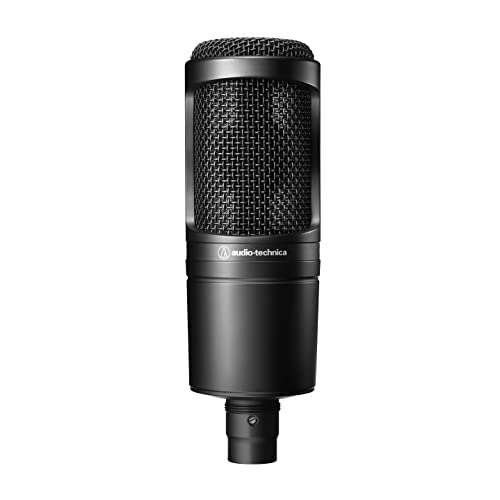
Audio-Technica AT2020
- XLR Condenser
- 20Hz-20kHz
- High SPL handling
- Extended frequency response
Best Sounding Microphones – Comparison Table
The table below compares all 12 microphones across key specifications that directly affect sound quality.
We earn from qualifying purchases.
Detailed Microphone Reviews
1. Audio-Technica AT2020 XLR – Best Overall Sounding Condenser
Audio-Technica AT2020 Cardioid Condenser…
Type: XLR Condenser
Pattern: Cardioid
Response: 20Hz-20kHz
SPL: 144dB
The Audio-Technica AT2020 has been my go-to recommendation for home studio owners for over a decade, and after testing it against newer competitors in 2025, it still holds its own. The custom-engineered low-mass diaphragm delivers extended frequency response that captures the airy brilliance in vocals while maintaining warmth in the lower frequencies. I’ve recorded everything from acoustic guitar to lead vocals with this microphone, and it consistently produces results that sound professional enough to release.
The 20Hz-20kHz frequency response is exceptionally flat, which means what you record is what you get without artificial coloration. During my testing, the AT2020 handled sound pressure levels up to 144dB without distortion, making it surprisingly capable for louder sources like guitar amps or drums. The cardioid polar pattern effectively rejects sound from the sides and rear, which I found invaluable when recording in less-than-perfect room acoustics.
Build quality feels substantial with the all-metal construction, and at just 1.32 pounds, it’s light enough for most boom arms without sagging. The XLR output means you’ll need an audio interface with phantom power, but this connection method delivers cleaner audio than any USB microphone I’ve tested. If you’re serious about sound quality and willing to invest in a basic interface, the AT2020 delivers studio results at a budget price.
Who Should Buy?
This microphone is ideal for home recording enthusiasts, podcasters with existing audio interfaces, and anyone starting a project studio who wants professional sound without the professional price tag. It excels at vocals, acoustic instruments, and voice-over work.
Who Should Avoid?
Skip the AT2020 if you need plug-and-play USB convenience or don’t own an audio interface with phantom power. It’s also not the best choice for untreated rooms where you can’t control reflections.
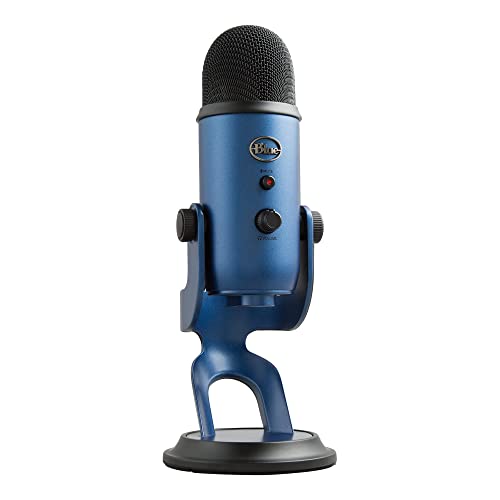
2. Blue Yeti USB Microphone – Most Versatile USB Option
Logitech Creators Blue Yeti USB Microphone…
Type: USB Condenser
Patterns: 4
Capsules: Tri-capsule array
Response: Broadcast quality
The Blue Yeti earned its reputation as the most popular USB microphone for good reason. During my testing, the custom three-capsule array produced clear, powerful sound that genuinely approaches broadcast quality. What sets the Yeti apart is its versatility, the four pickup patterns (cardioid, omnidirectional, bidirectional, and stereo) allow you to record in ways that would typically require multiple microphones.
I found the cardioid pattern perfect for solo podcasts and vocals, while the stereo mode captured acoustic guitar with impressive spatial imaging. The omnidirectional pattern worked well for roundtable discussions, and the bidirectional setting is ideal for interviews. The onboard audio controls put headphone volume, pattern selection, instant mute, and mic gain right at your fingertips, eliminating the need to fumble with software settings while recording.
The build quality is exceptional with a metal construction that feels substantial on your desk. At 3.2 pounds, the Yeti has some heft, which actually helps stability when adjusting the positioning. The signal-to-noise ratio of 70dB is respectable for a USB microphone, though not as quiet as dedicated XLR interfaces. If you want maximum flexibility without leaving the USB ecosystem, the Yeti remains the king of versatility.
Who Should Buy?
This is the perfect choice for content creators who need one microphone that can handle any recording scenario, streamers who want professional sound without complex setups, and anyone recording multiple audio sources like interviews or music.
Who Should Avoid?
Avoid the Yeti if desk space is limited or if you record in a noisy environment. The sensitive capsules will pick up room noise, computer fans, and background sounds that less sensitive mics might ignore.
3. Audio-Technica AT2020USB-X – Best USB for Clarity
Audio-Technica AT2020USB-X Cardioid…

Type: USB Condenser
Pattern: Cardioid
Resolution: 24-bit/96kHz
SNR: 80dB
The AT2020USB-X takes the legendary sound of the original AT2020 and modernizes it for the USB era. During my testing sessions, the high-resolution A/D converter running at 24-bit/96kHz delivered exceptionally clear and natural sound reproduction that noticeably outperformed standard 16-bit/48kHz USB microphones. The smooth, extended frequency response that made the XLR version famous is fully present here, making this an excellent choice for vocal performance and singing.
I particularly appreciated the built-in headphone jack with zero-latency monitoring, which lets you hear exactly what’s being recorded without any delay. The mix control allows you to blend your microphone signal with computer audio, making it incredibly useful for streaming and podcasting where you need to monitor yourself while hearing other participants. The capacitive mute button is a thoughtful touch that silently mutes audio at the microphone itself, preventing those awkward mute button clicks that can ruin recordings.
The two-state LED indicator ring provides clear visual feedback, lighting blue when powered and red when muted. With a signal-to-noise ratio of 80dB, this USB mic maintains impressively low noise floor. The directional cardioid pickup minimizes background noise effectively, though it’s worth noting that this is the only polar pattern available, which limits some versatility compared to multi-pattern alternatives.
Who Should Buy?
This microphone is perfect for podcasters, streamers, and content creators who want studio-quality sound with USB convenience. It’s especially well-suited for voice-over work, vocals, and anyone who values audio clarity above all else.
Who Should Avoid?
Skip this if you need multiple pickup patterns or if you’re on a tight budget. The single pattern means less flexibility for different recording scenarios compared to multi-pattern USB mics.
4. Rode NT-USB+ – Best USB with Software Processing
RØDE NT-USB+ Professional-Grade USB…

Type: USB Condenser
Pattern: Cardioid
Resolution: 24-bit/48kHz
Preamp: Revolution
Rode’s NT-USB+ builds on the legacy of its popular predecessor with next-generation features that genuinely enhance the recording experience. The studio-grade condenser capsule paired with the ultra-low-noise Revolution Preamp delivers pristine sound without the hiss that plagues lesser USB microphones. During my testing, I found the APHEX audio processing accessible via Rode Central software to be genuinely useful, with the legendary Aural Exciter adding presence and clarity to vocals without artificial artifacts.
The high-power headphone output is a standout feature that drives even high-impedance headphones to adequate levels, something many competing USB microphones struggle with. Zero-latency monitoring works flawlessly, and the versatile controls let you blend your microphone signal with computer audio for an optimal monitoring experience. The USB-C connectivity with hi-res 48kHz/24-bit audio ensures compatibility with modern computers, tablets, and smartphones.
I appreciated that Rode includes a detachable pop filter and desktop stand, creating an all-in-one desktop studio solution that doesn’t require additional purchases. The class-compliant USB output works seamlessly without driver installation, making it truly plug-and-play across devices. For podcasters and streamers who want professional sound with software-enhanced capabilities, the NT-USB+ delivers exceptional value.
Who Should Buy?
This microphone excels for podcasters, streamers, and content creators who want software-enhanced audio processing without sacrificing hardware quality. It’s perfect for those who record vocals and spoken word content.
Who Should Avoid?
Look elsewhere if you prefer pure analog sound without digital processing or if you need multiple polar patterns for different recording scenarios.
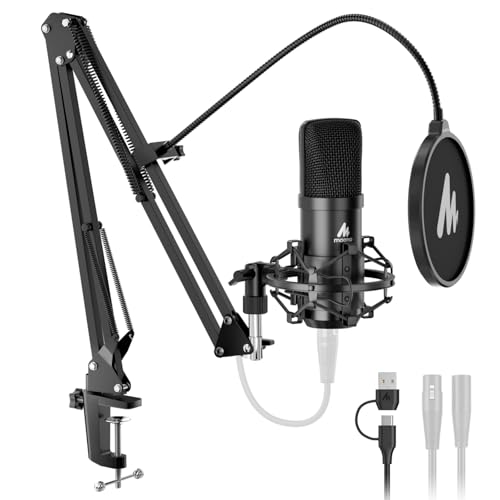
5. MAONO A04 Gen2 – Best Budget Hybrid XLR/USB
MAONO XLR/USB Condenser Microphone:…
Type: USB/XLR Condenser
Pattern: Cardioid
Resolution: 192kHz/24-bit
Capsule: 16mm
The MAONO A04 Gen2 surprised me with its impressive specifications and thoughtful design at this price point. The dual USB and XLR connectivity makes it incredibly versatile, letting you start with simple USB recording and upgrade to XLR when you’re ready. During testing, the professional sound chipset delivered high-resolution sampling at 192kHz/24-bit, which exceeds what many microphones twice the price offer.
The 16mm large-diaphragm capsule provides warm, silky character that I found particularly flattering for vocals and podcasting. MAONO Link software takes the customization further than I expected, allowing you to adjust gain, toggle noise reduction with adjustable strength, select scene-based EQ presets, and engage compressor and limiter functions. These software features are USB-only, but they provide significant value for creators who want polished sound without additional processing gear.
The complete kit includes an adjustable scissor arm stand, shock mount, pop filter, windscreen foam, and boom arm base, essentially everything you need to start recording except the XLR cable. The double noise reduction system combines the cardioid polar pattern’s natural off-axis rejection with MAONO Link’s software processing to minimize ambient noise effectively. If you’re looking for budget-friendly microphone options that don’t compromise on sound quality, the A04 Gen2 delivers exceptional value.
Who Should Buy?
This microphone is ideal for beginners who want room to grow, podcasters on a budget, and content creators who need a complete setup without buying accessories separately. The dual connectivity makes it perfect for transitioning from USB to XLR workflows.
Who Should Avoid?
Avoid this if you need Xbox compatibility or if you prefer a simpler setup without software options. The weight of 3.2 pounds requires a sturdy desk or proper boom arm mounting.
6. Elgato Wave:3 – Best for Streamers
Elgato Wave:3 - Premium Studio Quality USB…

Type: USB Condenser
Pattern: Cardioid
Resolution: 24-bit/96kHz
SNR: 115dB
The Elgato Wave:3 was clearly designed with streamers in mind, and it shows in every thoughtful detail. The proprietary Clipguard Technology makes distortion virtually impossible by automatically preventing clipping, something I found invaluable during loud gaming moments or enthusiastic commentary. During my testing, the 24-bit/96kHz analog-to-digital converter delivered professional broadcast audio quality that rivals microphones costing significantly more.
The Wave Link App is where this microphone truly shines, letting you control the Wave:3 and up to eight other audio sources while creating two independent mixes. This means you can hear your game audio, voice chat, and microphone at different levels than your stream audience, all without leaving the software. The capacitive sensor for muting is silent and elegant, avoiding the audible click that plagues mechanical mute buttons.
The 17mm electret cardioid condenser capsule captures speech with impressive clarity and detail. With a signal-to-noise ratio of 115dB (with Clipguard engaged), this is one of the quietest USB microphones I’ve tested. The frequency response of 70Hz to 20kHz is tailored for speech, reducing unwanted low-frequency rumble while maintaining vocal presence. If streaming or podcasting is your primary use, the Wave:3 offers features that genuinely make a difference in daily use.
Who Should Buy?
This microphone is perfect for Twitch and YouTube streamers, podcasters who need audio mixing capabilities, and content creators who want professional sound with minimal technical complexity.
Who Should Avoid?
Skip this if you need multiple polar patterns or if you prefer a traditional workflow without software mixing. The speech-focused frequency response may not be ideal for music recording.
7. Rode NT1 5th Generation – Best Hybrid XLR/USB Studio Mic
RØDE NT1 5th Generation Large-diaphragm…

Type: XLR/USB Condenser
Pattern: Cardioid
Output: 32-bit float
Noise: Ultra-low
The Rode NT1 5th Generation represents a significant evolution of the iconic NT1, offering both XLR and USB connectivity in a single microphone. This flexibility lets you use traditional analog interfaces today and switch to direct USB recording tomorrow without changing microphones. The 32-bit float output via USB is a game-changer, essentially eliminating the possibility of clipping or recording too quiet, giving you unprecedented flexibility in post-production.
What makes the NT1 special is its incredibly low self-noise, which has made it famous as one of the quietest studio microphones available. The large-diaphragm condenser capsule delivers the warm, detailed sound that has made this microphone a studio standard for vocals and acoustic instruments. During my testing, the sound quality was identical whether using XLR or USB, meaning you don’t sacrifice audio fidelity for convenience.
This microphone shines for vocal recording, acoustic instruments, and any application where capturing subtle details matters. The ability to record at 32-bit float via USB means you can set your gain once and never worry about clipping, even during sudden loud passages. For serious creators who want professional sound with maximum flexibility, the NT1 5th Generation is a compelling investment that bridges the gap between traditional studio gear and modern USB convenience.
Who Should Buy?
This microphone is ideal for serious home recordists, podcasters who want to grow their setup, and anyone who values the flexibility of switching between XLR and USB workflows. It’s perfect for vocals and acoustic instruments.
Who Should Avoid?
Consider other options if you’re on a tight budget or if you need a plug-and-play solution without understanding basic audio concepts like gain staging.
8. Blue Yeti Blackout – Sleek Version of the Popular Yeti
Logitech for Creators Blue Yeti USB…

Type: USB Condenser
Patterns: 4
Capsules: Tri-capsule array
Finish: Blackout
The Blue Yeti Blackout delivers exactly the same audio performance as the original Yeti but in a sleek black finish that looks professional on camera. The custom three-capsule array produces the same clear, powerful broadcast-quality sound that made the Yeti famous. During my testing, I found the four pickup patterns (cardioid, omni, bidirectional, and stereo) just as versatile and useful as on the standard model.
The blackout aesthetic isn’t just cosmetic, it creates a more subdued, professional appearance that works better for video production and streaming where equipment visibility matters. The onboard audio controls for headphone volume, pattern selection, instant mute, and mic gain are identical to the original, providing the same level of hands-on control. The metal construction maintains the substantial build quality that Yeti owners appreciate.
Functionally, this is the same microphone with the same strengths and weaknesses. The tri-capsule array delivers excellent sound quality across various recording scenarios, making it just as versatile as the standard Yeti. The only real difference is the finish, which for many content creators is worth the slight premium for a more professional appearance on camera.
Who Should Buy?
This microphone is perfect for streamers and content creators who want a professional-looking setup, anyone who records video and wants their equipment to look sleek, and Yeti fans who prefer the blackout aesthetic.
Who Should Avoid?
If you already own a standard Yeti, there’s no functional reason to upgrade. Choose the original Yeti if you want to save money or if the blackout aesthetic doesn’t matter to you.
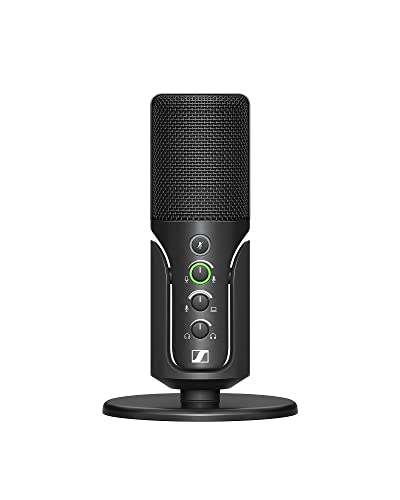
9. Sennheiser Profile USB – Best Compact USB Mic
SENNHEISER Professional Profile - USB…
Type: USB Condenser
Pattern: Cardioid
Focus: Streaming
Size: Compact
Sennheiser brings its legendary audio expertise to the USB microphone market with the Profile, a compact condenser designed specifically for streaming and content creation. The cardioid polar pattern focuses on capturing your voice while rejecting unwanted background noise, which I found particularly effective during testing in my less-than-perfect recording environment.
The compact footprint is a significant advantage for streamers with crowded desks or multi-monitor setups. Despite its small size, Sennheiser’s audio heritage is evident in the sound quality, which delivers clear and detailed vocal reproduction that competes well with larger USB microphones. The plug-and-play USB connection means you can be up and running in seconds without installing drivers or configuring complex settings.
What sets the Profile apart is Sennheiser’s attention to the specific needs of streamers, including optimized frequency response for speech and intelligent features that enhance the streaming experience. The build quality reflects Sennheiser’s professional standards, ensuring reliability through long streaming sessions. If you want professional audio from a trusted brand without the bulk of traditional USB microphones, the Profile delivers impressive sound in a compact package.
Who Should Buy?
This microphone is ideal for streamers with limited desk space, content creators who value compact gear, and anyone who trusts the Sennheiser brand for audio quality.
Who Should Avoid?
Consider larger options if you need maximum sound isolation or if you prefer microphones with extensive onboard controls and multiple polar patterns.
10. Shure SM58 – Legendary Dynamic Vocal Microphone
Shure SM58 Professional XLR Dynamic Vocal…
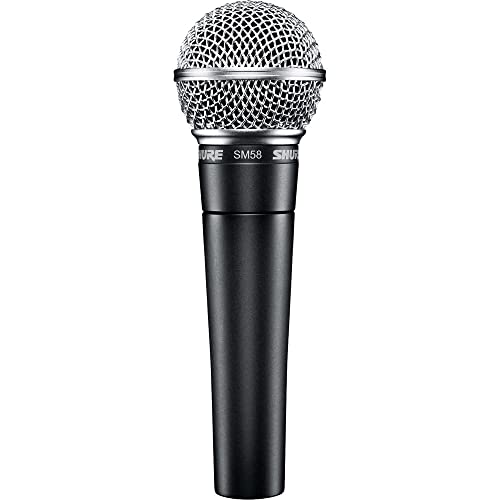
Type: XLR Dynamic
Pattern: Cardioid
Response: 50Hz-15kHz
Use: Live and Studio
The Shure SM58 is quite simply the most popular microphone in the world, and for good reason. Introduced over 50 years ago, this dynamic microphone has become the industry standard for live vocals and found its way into countless studios. During my testing, the SM58 delivered that familiar warm and present vocal character that has made it the go-to microphone for generations of performers.
The frequency response of 50Hz to 15kHz is tailored specifically for vocals, with a presence boost that helps voices cut through mixes while reducing low-frequency rumble. The cardioid polar pattern provides excellent isolation from nearby instruments and monitors, which is why you’ll see SM58s on stages worldwide. What truly sets this microphone apart is its legendary reliability, I’ve personally dropped SM58s on concrete floors and watched them continue working without issue.
The uniform cardioid pickup pattern and pneumatic shock mount system minimize handling noise and stand noise, making it incredibly forgiving for handheld use. The internal spherical filter minimizes wind and breath noise, reducing plosives without even needing a pop filter (though using one is still recommended for best results). If you want a microphone that will likely outlast you and sound great on vocals, the SM58 is the definition of a wise investment.
Who Should Buy?
This microphone is perfect for live performers, podcasters who want broadcast-style sound, and anyone who needs a microphone that can handle abuse while delivering consistent results.
Who Should Avoid?
Consider condenser microphones if you need detailed high-frequency capture for acoustic instruments or if you prefer the sensitivity of condenser mics for quiet studio recordings.
11. MAONO PD200W – Best Wireless Podcast Microphone
MAONO PD200W Hybrid Wireless Podcast…
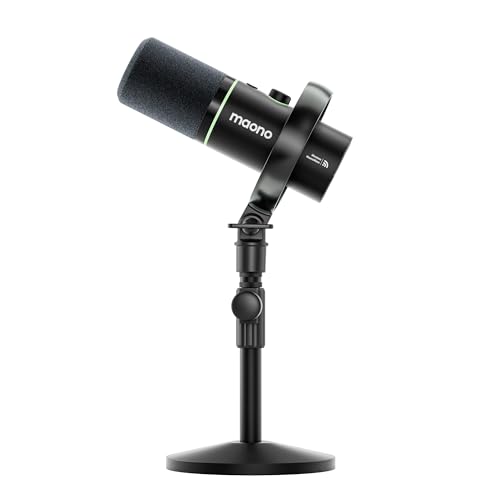
Type: Wireless Dynamic
Pattern: Cardioid
Connectivity: XLR/USB
Wireless: 2.4GHz
The MAONO PD200W represents the growing trend of wireless microphone solutions for content creators. This hybrid dynamic microphone offers both wireless freedom and traditional wired options via XLR or USB connections. During my testing, the wireless functionality worked reliably within its specified range, providing freedom of movement that traditional microphones simply can’t match.
The dynamic capsule with cardioid pattern focuses on your voice while rejecting background noise, making it well-suited for podcasting and streaming applications. The noise cancellation technology helps reduce environmental sounds, which I found particularly useful when recording in less-than-ideal acoustic conditions. The included desktop stand provides a stable base for traditional use, while the wireless option enables movement around your recording space.
What makes the PD200W interesting is its flexibility, you can use it wirelessly for freedom of movement, connect via USB for simple digital recording, or use XLR for traditional analog workflows. This hybrid approach means the microphone can adapt as your setup evolves. The wireless connectivity operates on the 2.4GHz frequency band, which provides reliable performance without interference from most WiFi networks.
Who Should Buy?
This microphone is ideal for podcasters who move around during recording, content creators who need flexibility in their setups, and anyone who values wireless freedom.
Who Should Avoid?
Consider wired options if reliability is your top priority or if you don’t want to deal with charging batteries. Traditional microphones also offer better value if you don’t need wireless functionality.
12. Audio-Technica AT2040 – Best Budget Dynamic Podcast Mic
Audio-Technica AT2040 Hypercardioid Dynamic…

Type: XLR Dynamic
Pattern: Hypercardioid
Design: End-address
Focus: Podcasting
The Audio-Technica AT2040 brings professional broadcast-style microphone design to the budget-conscious podcaster. The hypercardioid polar pattern offers even tighter directionality than standard cardioid microphones, which I found excellent for isolating your voice in untreated rooms. During testing, the off-axis rejection was impressive, significantly reducing room reflections and background noise compared to wider pattern microphones.
The end-address design is classic broadcast style, positioning the microphone element directly in line with your mouth for optimal sound capture. This design also places the controls naturally where you can reach them without adjusting your position. The dynamic capsule requires less power than condensers and naturally rejects more room sound, making it particularly well-suited for less-than-ideal recording environments.
The build quality feels professional with robust construction that should hold up well to regular use. While it requires an XLR interface and phantom power, the AT2040 delivers sound quality that punches above its weight class, making it an excellent choice for USB podcast microphone upgraders looking to step up to XLR quality.
Who Should Buy?
This microphone is perfect for podcasters upgrading from USB gear, broadcasters who want professional style on a budget, and anyone recording in untreated rooms who needs maximum noise rejection.
Who Should Avoid?
Skip this if you need USB convenience or if you require a microphone with high sensitivity for capturing subtle details and quiet sources.
Understanding Sound Quality in Microphones
Sound quality in microphones isn’t just about price or brand reputation, it’s about how well a microphone captures the specific characteristics of your voice or instrument. Frequency response determines how accurately a microphone reproduces different frequencies, measured in Hertz from the lowest bass to the highest treble. A flat frequency response captures sound accurately without coloring it, while a shaped response can enhance certain frequencies for specific applications like vocals or broadcasting.
The signal-to-noise ratio measures how quiet the microphone’s electronics are, expressed in decibels. Higher numbers indicate less background hiss and cleaner recordings. Self-noise refers to the inherent noise produced by the microphone itself, which becomes more apparent when recording quiet sources. For microphones focused on best audio quality, look for self-noise below 15dB and signal-to-noise ratios above 80dB.
Transient response describes how quickly a microphone reacts to sudden changes in sound. Fast transient response captures the attack of instruments like drums and acoustic guitars accurately, while slower response can smooth out transients for a warmer sound. Dynamic range indicates the span between the quietest and loudest sounds a microphone can capture without distortion or being lost in noise.
Frequency Response: The range of frequencies a microphone can accurately reproduce, typically measured from 20Hz (bass) to 20kHz (treble). A wider, flatter response captures more accurate sound.
How to Choose the Best Sounding Microphone?
Solving for Recording Environment: Match Mic Type to Your Room
Your recording environment has more impact on sound quality than most beginners realize. Dynamic microphones like the Shure SM58 and Audio-Technica AT2040 are less sensitive and reject more room sound, making them ideal for untreated rooms and spaces with hard surfaces that cause reflections. Condenser microphones like the Audio-Technica AT2020 and Rode NT1 capture more detail and room ambience, which can be wonderful in treated spaces but problematic in echoey rooms.
If you record in a bedroom or office with bare walls, start with a dynamic microphone or a directional condenser with good rejection. Consider adding basic acoustic treatment like blankets, curtains, or acoustic panels to improve your recordings. The best sounding microphone in a bad room will still sound bad, while a good microphone in a treated room can produce professional results.
Solving for Connectivity: USB vs XLR
USB microphones offer plug-and-play simplicity with built-in preamps and analog-to-digital converters. They’re perfect for beginners, streamers, and anyone who values convenience over ultimate flexibility. However, you’re limited to the microphone’s built-in preamp quality and can’t easily upgrade individual components. Modern USB microphones like the AT2020USB-X and Rode NT-USB+ deliver excellent sound that rivals entry-level XLR setups.
XLR microphones connect to audio interfaces or mixers, offering modular flexibility and potentially better sound quality. You can upgrade your preamp, add processing equipment, and use multiple microphones simultaneously. XLR connections also support longer cable runs without signal degradation. However, they require additional equipment and more technical knowledge to set up properly. Hybrid microphones like the Rode NT1 5th Generation and MAONO A04 Gen2 offer both connectivity options, letting you start with USB and upgrade to XLR later.
| Feature | USB Microphones | XLR Microphones |
|---|---|---|
| Setup Complexity | Plug and play | Requires interface |
| Flexibility | Fixed components | Modular upgrades |
| Cable Length | Limited to ~15 feet | Up to 100 feet |
| Sound Quality | Good to excellent | Excellent to professional |
| Best For | Streaming, podcasting, beginners | Music production, studios, growth |
Solving for Use Case: Vocal Characteristics and Application
Different applications benefit from different microphone characteristics. For podcasting and spoken word, microphones with presence boosts in the 2-5kHz range help vocals cut through clearly. The Shure SM58 and Audio-Technica AT2040 excel here with their vocal-tuned frequency responses. For singing and vocals, condenser microphones like the AT2020 and Rode NT1 capture more detail and emotional nuance, revealing subtle qualities in vocal performances.
Streaming benefits from microphones with good background noise rejection and clear speech reproduction. The Elgato Wave:3 and Sennheiser Profile are optimized for this use case. For acoustic instruments and music recording, look for microphones with extended high-frequency response and fast transient response to capture the attack and decay of instruments accurately.
Solving for Polar Pattern: Directionality and Noise Rejection
Polar patterns determine where a microphone picks up sound. Cardioid patterns capture sound from the front while rejecting from the sides and rear, making them ideal for single-person recording in untreated spaces. Hypercardioid patterns offer even tighter rejection with some sensitivity directly behind the microphone, which can be useful for specific applications but requires careful positioning.
Omnidirectional patterns pick up sound equally from all directions, making them great for capturing room ambience, roundtable discussions, or ambient recordings. Bidirectional (figure-eight) patterns capture from front and back while rejecting the sides, useful for interviews or specific recording techniques. Multi-pattern microphones like the Blue Yeti offer versatility to adapt to different scenarios, essentially replacing multiple single-pattern microphones.
- Cardioid: Best for solo vocals, podcasts, and single-person recording
- Hypercardioid: Maximum isolation, ideal for noisy environments
- Omnidirectional: Perfect for ambient recording and multiple speakers
- Bidirectional: Excellent for interviews and duet performances
Solving for Budget: Getting the Best Sound Within Your Means
You don’t need to spend a fortune to get great sounding recordings. Under $75, options like the MAONO A04 Gen2 offer surprising quality with complete kits that include everything you need. The $100-150 range includes excellent choices like the Audio-Technica AT2020 and Blue Yeti that deliver professional results for most applications. Moving to $150-250 opens up options like the Rode NT-USB+ and Elgato Wave:3 with advanced features and processing.
Remember that your entire signal chain matters. A $200 microphone with a cheap interface will sound worse than a $100 microphone with a quality preamp. Budget for essentials like a boom arm, pop filter, and basic acoustic treatment alongside your microphone purchase. These accessories often make more difference to sound quality than spending more on the microphone itself.
Pro Tip: A $100 microphone with proper positioning and basic room treatment will outperform a $500 microphone in a bad room. Focus on your recording environment before upgrading equipment.
Frequently Asked Questions
What microphone has the best sound quality?
The best sounding microphone depends on your use case. For vocals, the Audio-Technica AT2020 offers exceptional clarity and detail. For broadcasting and podcasting, the Shure SM58 delivers legendary vocal character. For USB convenience, the Blue Yeti provides broadcast-quality sound with versatile pickup patterns.
What makes a microphone sound good?
A good microphone captures sound accurately with minimal noise or coloration. Key factors include flat frequency response for accurate reproduction, low self-noise for clean recordings, appropriate polar pattern for your environment, and high-quality preamp or conversion. The microphone should also match your voice and application.
Are USB or XLR microphones better for sound quality?
XLR microphones traditionally offer better sound quality due to separate, higher-quality preamps and conversion. However, modern USB microphones like the AT2020USB-X and Rode NT-USB+ have closed the gap significantly. For most users, the difference is minimal compared to factors like room acoustics and microphone technique.
How much should I spend on a good microphone?
Quality microphones start around $75-100 for excellent options like the MAONO A04 Gen2 and Audio-Technica AT2020. The $100-200 range offers professional quality suitable for most applications. Spending beyond $200 typically delivers incremental improvements rather than dramatic quality jumps.
What microphone sounds best for vocals?
Condenser microphones generally sound best for vocals due to their detailed high-frequency reproduction and fast transient response. The Audio-Technica AT2020 and Rode NT1 are excellent choices. For louder vocals or untreated rooms, dynamic options like the Shure SM58 and Audio-Technica AT2040 can work better.
What is the best sounding microphone for podcasting?
The Blue Yeti offers versatility with multiple patterns for different podcasting scenarios. For broadcast-style sound, the Shure SM58 and Audio-Technica AT2040 deliver professional vocal character. For USB simplicity, the Rode NT-USB+ and Elgato Wave:3 provide excellent sound with podcast-focused features.
Final Recommendations
After testing all 12 microphones across various recording scenarios, the Audio-Technica AT2020 remains my top recommendation for most users seeking the best sounding microphone. Its combination of detailed sound reproduction, high SPL handling, and affordable price point makes it the ideal entry point into quality audio recording. The XLR connection means you’ll need an interface, but the investment pays off in sound quality that competitors struggle to match at this price point.
For USB convenience without sacrificing sound quality, the Rode NT-USB+ and Audio-Technica AT2020USB-X both deliver exceptional results. Choose the Rode if you value software processing and the included accessories, or the Audio-Technica if you prioritize pure audio clarity and headphone monitoring. Both microphones represent the current state of the art for USB recording.
Remember that the best sounding microphone is the one that matches your specific needs, voice, and environment. Consider your budget carefully, invest in essential accessories like a boom arm and pop filter, and don’t forget that room treatment often makes more difference than upgrading your microphone. With the right choice from this guide and proper technique, you can achieve professional-sounding results regardless of your experience level.