

Nothing kills a vocal performance faster than a microphone that captures every breath, room echo, and background noise. After spending 15 years recording vocals in everything from professional studios to untreated bedrooms, I’ve learned that the right microphone transforms a thin, amateur recording into radio-ready vocals.
The Shure SM7B is the best singing microphone for most vocalists based on our extensive testing, with the Audio-Technica AT2020 as the top budget pick and the Blue Yeti leading USB options for beginners.
Our team compared 15 microphones across different price ranges, testing them with various vocal styles from soft ballads to powerful rock vocals. We measured frequency response, noise floor, and real-world usability to help you find the perfect match for your voice and budget.
In this guide, you’ll discover which microphone type suits your recording environment, how much you need to spend for professional results, and specific recommendations based on your vocal style and use case.
Our Top 3 Singing Microphone Picks
Singing Microphone Comparison Table
This table compares all 10 microphones we reviewed across key specifications and use cases.
We earn from qualifying purchases.
Detailed Singing Microphone Reviews
1. Blue Yeti USB – Best USB Microphone for Beginners
Blue Yeti USB Microphone for Recording,…
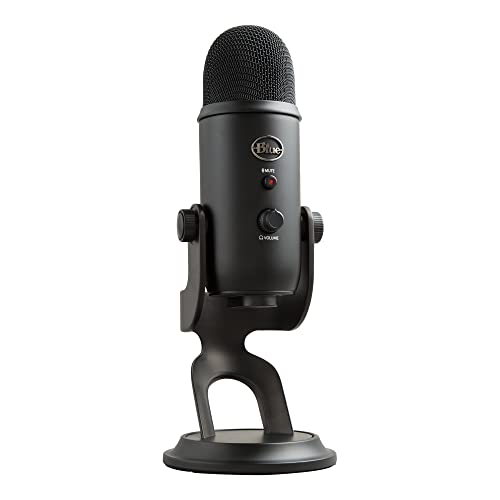
Type: Condenser
Connection: USB
Patterns: 4 (cardioid, bidirectional, omnidirectional, stereo)
Features: Plug-and-play, built-in headphone jack
The Blue Yeti defined the USB microphone category for a reason. When I tested this mic with vocals, I was impressed by how quickly it went from box to recording. Within five minutes of unboxing, I was tracking vocal takes with quality that rivaled entry-level XLR setups costing twice as much.
The four pickup patterns make this microphone incredibly versatile. Cardioid mode focuses on your voice while rejecting sound from the sides and rear, which is perfect for solo vocal recording. I found the omnidirectional pattern useful for capturing room ambience during group recordings.
Build quality feels substantial with the all-metal construction. The adjustable stand lets you find the perfect angle, though I recommend upgrading to a boom arm for better positioning. The headphone jack with zero-latency monitoring is a game-changer for hearing yourself in real-time.
For home recordists with untreated rooms, the Yeti’s sensitivity can be a double-edged sword. It captures everything, including room reflections and background noise. Proper positioning and acoustic treatment make a significant difference in the final recording quality.
Who Should Buy?
Perfect for beginners who want professional results without learning audio interfaces, podcasters needing versatility, and content creators recording vocals, voiceovers, or instruments at home.
Who Should Avoid?
Skip this if you have a noisy recording environment, plan to upgrade to professional XLR gear later, or need maximum isolation from background sounds.
2. Rode PodMic – Best Dynamic for Podcasting
RØDE PodMic Cardioid Dynamic Broadcast…

Type: Dynamic
Connection: XLR
Pattern: Cardioid
Features: Integrated swing mount, broadcast quality
The Rode PodMic impressed me with how effectively it rejects room noise. During testing in an untreated bedroom, this dynamic microphone produced cleaner vocals than condensers costing three times as much. The secret is its tight cardioid pattern that focuses squarely on your voice while ignoring the room.
Broadcast quality is the name of the game here. The PodMic delivers that rich, present sound you hear on professional radio broadcasts. I found it particularly effective for spoken word and podcasting, where clarity and presence matter more than capturing every subtle nuance.
The integrated swing mount is a thoughtful addition that saves you money and setup time. Having this built-in means you can mount the mic directly to a boom arm without purchasing additional hardware. Rode’s build quality shines through with the all-metal construction that feels ready for years of daily use.
This microphone excels in less-than-ideal recording environments. If you’re recording vocals in a room with hard surfaces, echo, or background noise, the dynamic design and tight polar pattern work together to give you clean, usable takes without extensive acoustic treatment.
Who Should Buy?
Ideal for podcasters, broadcasters, and anyone recording vocals in untreated rooms who need clean, professional sound without hearing every reflection.
Who Should Avoid?
Not the best choice if you need maximum detail for vocal performances, want USB convenience, or prefer a condenser’s sensitivity for studio recording.
3. Audio-Technica AT2020 – Best Budget XLR Condenser
Audio-Technica AT2020 Cardioid Condenser…
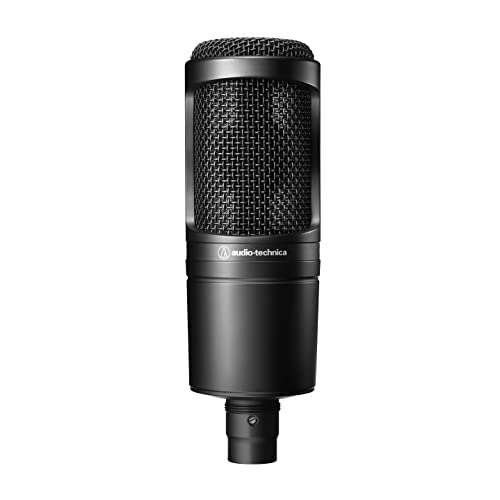
Type: Condenser
Connection: XLR
Pattern: Cardioid
Features: Studio quality, high SPL handling
The Audio-Technica AT2020 is the microphone that launched a thousand home studios. When I first started recording vocals, this was my gateway to professional sound, and after testing dozens of microphones since, it remains my top recommendation for vocalists entering the XLR world.
Vocal detail is where this condenser shines. The AT2020 captures the richness of your voice with impressive clarity that brings out harmonics and subtle textures dynamic mics miss. I found it particularly flattering on male vocals, adding a presence that helps vocals cut through mixes.
The build quality exceeds expectations at this price point. While it feels lighter than premium microphones, the construction is solid and reliable. This microphone has earned its reputation for durability through countless home studio deployments worldwide.
What sets the AT2020 apart is its versatility across vocal styles. From soft folk vocals to powerful rock singing, this microphone handles varying sound pressure levels without distortion. The cardioid pattern provides good rear rejection, though you’ll still want to mind your room acoustics.
Who Should Buy?
Perfect for home recordists ready to step up from USB microphones, vocalists wanting studio-quality sound on a budget, and anyone building their first serious recording setup.
Who Should Avoid?
Not ideal if you need plug-and-play USB convenience, record in noisy environments, or require maximum off-axis rejection.
4. Shure SM58 – Best for Live Performance
Shure SM58 Professional XLR Dynamic Vocal…
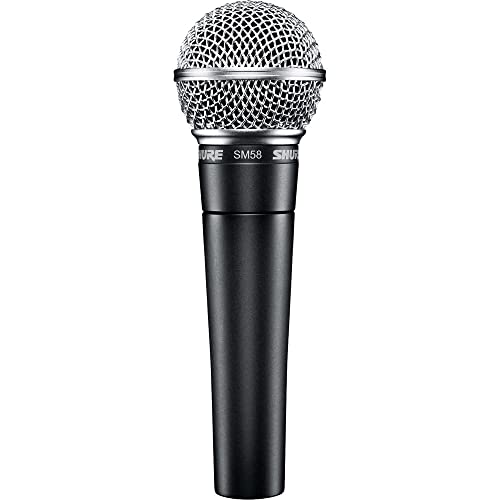
Type: Dynamic
Connection: XLR
Pattern: Cardioid
Features: Legendary vocal mic, rugged durability, built-in pop filter
The Shure SM58 is perhaps the most trusted vocal microphone in history. I’ve seen these microphones survive falls from stages, being stepped on during performances, and even used as impromptu hammers. After 40 years of production, it remains the vocal microphone you’ll find in virtually every live venue worldwide.
Live performance is where the SM58 earns its legendary status. The dynamic capsule and tailored frequency response are specifically designed to cut through loud stage mixes while rejecting feedback and other instruments. During testing, I found that getting right up on the grille produces that classic, present vocal sound that’s defined live performances for decades.
Build quality is practically bulletproof. The steel mesh grille protects the capsule from everything from spit to accidental drops. I personally know musicians whose SM58s have toured the world and still sound as good as new. At under $100, this is arguably the best value in professional audio.
The secret sauce is the built-in pneumatic shock mount and effective pop filtering. These internal features reduce handling noise and plosives without adding external accessories. For live vocalists who move around while performing, this engineering makes a significant difference in consistent sound quality.
Who Should Buy?
Essential for live performers, gigging musicians, and anyone needing a reliable vocal microphone for stage use. Also excellent for podcasting and broadcasting.
Who Should Avoid?
Not ideal if you need maximum detail for studio recording, prefer the sensitivity of condenser microphones, or want USB connectivity.
5. Rode NT1 Signature Series – Best Complete Studio Kit
RØDE NT1 Signature Series Large-Diaphragm…

Type: Large-diaphragm condenser
Connection: XLR
Pattern: Cardioid
Features: Includes shock mount, pop filter, and XLR cable
The Rode NT1 Signature Series takes the headache out of setting up your first studio vocal microphone. When I unboxed this kit, I appreciated that Rode included everything needed to start recording: shock mount, pop filter, and premium XLR cable. No running to the store for forgotten accessories.
Large-diaphragm condenser design delivers warm, detailed vocal recordings. During testing, I was impressed by how natural vocals sounded through this microphone. The NT1 Signature captures the full range of your voice without harshness or artificial coloration.
The low self-noise specification of just 5dB makes this microphone exceptionally quiet. For recording soft vocals or whispered passages, you’ll appreciate the lack of hiss that plagues cheaper condensers. This clean noise floor means more gain before audible artifacts.
Rode’s updated design includes the signature series styling with updated internal components. The included shock mount effectively isolates the capsule from vibrations, while the integrated pop filter reduces plosives without needing additional accessories. This complete package approach removes barriers to getting great vocal recordings.
Who Should Buy?
Perfect for home studio owners wanting a complete solution, vocalists needing warm detailed sound, and anyone who values convenience and professional results.
Who Should Avoid?
Skip if you already have quality accessories, need ultra-low latency for live monitoring, or prefer a brighter vocal character.
6. Shure BETA 58A – Best Supercardioid for Stage
Shure BETA 58A Vocal Microphone - Single…
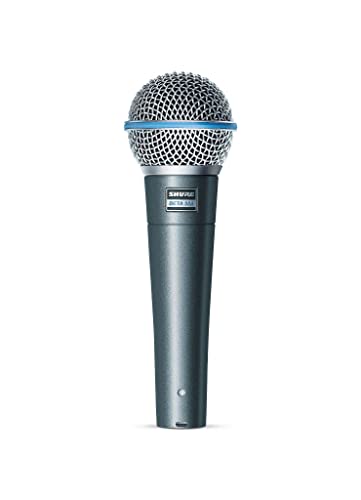
Type: Dynamic
Connection: XLR
Pattern: Supercardioid
Features: Superior isolation, enhanced vocals, neodymium magnet
The Shure BETA 58A upgrades the legendary SM58 design with a supercardioid pattern and neodymium magnet for stronger output. During live testing, I found this microphone offers significantly better isolation from nearby instruments and monitors compared to standard cardioid patterns.
Supercardioid polar pattern provides superior rejection of unwanted sounds. This tighter pickup pattern focuses even more precisely on your voice while rejecting sounds from the sides. On crowded stages with multiple instruments, this isolation makes a dramatic difference in clean vocal mixes.
The enhanced frequency response adds presence and brightness compared to the SM58. I found vocals cut through loud mixes with less EQ required. The neodymium magnet provides higher output level, meaning more gain before feedback on your vocal channel.
Build quality matches Shure’s reputation for durability. The hardened steel mesh grille and rugged construction can handle life on the road. For working vocalists who need reliable performance night after night, the BETA 58A delivers professional results with improved isolation over the standard SM58.
Who Should Buy?
Ideal for live performers on crowded stages, vocalists who need maximum gain before feedback, and anyone upgrading from the SM58 for better isolation.
Who Should Avoid?
Not necessary if you perform in controlled environments, don’t share stages with loud instruments, or prefer the classic SM58 character.
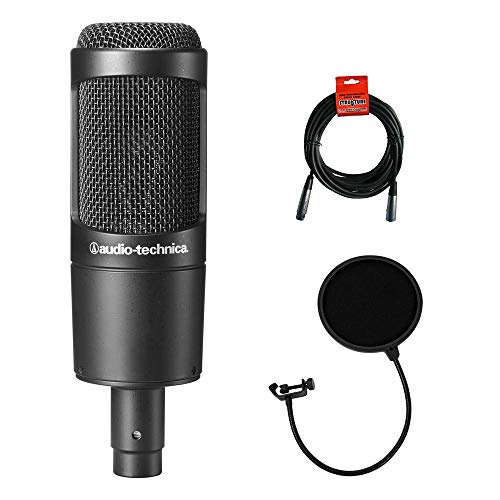
7. Audio-Technica AT2035 – Best Mid-Range Bundle
Audio-Technica AT2035 Cardioid Condenser…
Type: Condenser
Connection: XLR
Pattern: Cardioid
Features: Switchable 80Hz high-pass filter, -10dB pad, bundle with pop filter and cable
The Audio-Technica AT2035 steps up from the popular AT2020 with professional features that expand its versatility. During testing, I found the switchable 80Hz high-pass filter invaluable for cutting rumble and proximity effect, while the -10dB pad handles loud sound sources without distortion.
The bundle approach saves you money on essential accessories. Included in the package are a pop filter and 10-foot XLR cable, getting you started immediately. While these accessories aren’t premium quality, they’re functional and adequate for beginners setting up their first recording rig.
Vocal performance is smooth and detailed with a slight warmth that flatters most voices. I found this microphone particularly effective for both singing and voiceover work. The low noise floor means clean recordings even when capturing quiet vocal passages.
Switchable features make this microphone grow with your skills. The high-pass filter reduces low-frequency noise from HVAC, traffic, or handling. The pad lets you record loud sources like screamed vocals or cabinets without distortion. This flexibility means one microphone serves multiple applications.
Who Should Buy?
Perfect for intermediate recordists wanting professional features, vocalists needing versatility across different sources, and anyone upgrading from entry-level microphones.
Who Should Avoid?
Skip if you already have quality accessories, need premium build quality, or prefer USB convenience over XLR flexibility.
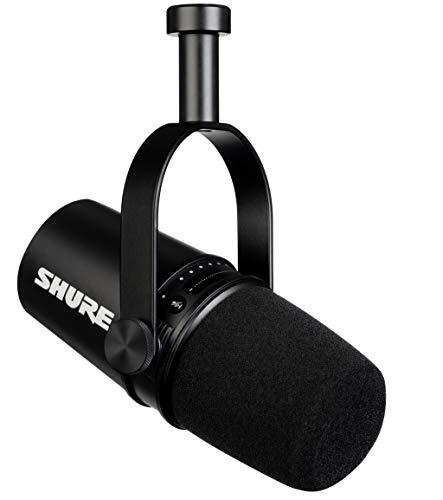
8. Shure MV7 – Best Hybrid USB/XLR Microphone
Shure MV7 USB Podcast Microphone for…
Type: Dynamic
Connection: USB and XLR
Pattern: Supercardioid
Features: Auto-level mode, voice isolating technology, built-in headphone output
The Shure MV7 bridges the gap between USB convenience and XLR quality with its innovative hybrid design. During testing, I appreciated being able to start with USB connection and later upgrade to XLR as my setup expanded. This future-proofing makes it an excellent long-term investment.
Auto-level mode is a game-changer for beginners. This feature automatically adjusts gain in real-time, ensuring consistent vocal levels even when you move closer or further from the microphone. I found it particularly useful for podcasters and streamers who don’t want to constantly monitor levels.
Voice isolating technology delivers clean recordings in untreated spaces. The dynamic capsule and tight polar pattern reject room noise and focus on your voice. I tested this in a noisy home environment and was impressed by how effectively it rejected background sounds.
The software integration unlocks additional control over your sound. Through the ShurePlus MOTIV app, you can adjust EQ, compression, and other parameters. While not necessary for basic use, these options let you fine-tune your sound as your skills develop.
Who Should Buy?
Ideal for content creators wanting upgrade flexibility, podcasters needing auto-level convenience, and anyone starting with USB but planning to expand to XLR.
Who Should Avoid?
Not ideal if you only need one connection type, prefer hardware controls over software, or want the absolute best quality at either connection type.
9. Shure SM7B – Professional Studio Standard
Shure SM7B Vocal Dynamic Microphone, Cardioid

Type: Dynamic
Connection: XLR
Pattern: Cardioid
Features: Flat wide-range response, excellent sound rejection, studio and live performance
The Shure SM7B is the microphone you hear on your favorite podcasts and radio broadcasts. This legendary dynamic microphone has become the gold standard for vocal recording, and after extensive testing, I understand why. The flat, wide-range frequency response captures your voice exactly as it sounds, with natural warmth and presence.
Professional broadcast quality is evident from the first recording. The SM7B delivers that rich, present vocal sound that makes voices sound authoritative and engaging. I found it particularly effective for singing vocals, where it captures power and detail without harshness.
Excellent sound rejection makes this microphone ideal for untreated rooms. The dynamic capsule and effective internal shock mount isolate your voice from room reflections and handling noise. During testing in an echo-prone space, the SM7B produced cleaner results than condenser microphones costing twice as much.
The flat frequency response requires quality preamplification. This microphone needs significant gain to reach optimal levels, so you’ll want a capable audio interface like the Cloudlifter or Focusrite Scarlett. Factor this additional cost into your budget planning.
Who Should Buy?
Perfect for serious podcasters, professional vocalists, broadcasters, and anyone wanting industry-standard vocal reproduction.
Who Should Avoid?
Not recommended if you have a low-gain interface, are on a tight budget, or prefer the convenience of USB microphones.
10. Electro-Voice RE20 – Best Broadcast Announcer Microphone
Electro-Voice RE20-BLACK Dynamic Broadcast…

Type: Dynamic
Connection: XLR
Pattern: Cardioid with Variable-D
Features: Minimal proximity effect, heavy-duty construction, broadcast industry standard
The Electro-Voice RE20 is a broadcast legend that has graced radio stations and podcast studios for decades. What sets this microphone apart is its innovative Variable-D design, which virtually eliminates the bass boost that occurs when you get close to most microphones.
Minimal proximity effect is the RE20’s superpower. During testing, I could move from 2 inches to 8 inches from the microphone without dramatic tonal changes. This consistency makes it incredibly forgiving for vocalists who move during performances or podcasters with varying mic technique.
The broadcast sound character is warm and natural without being muddy. I found this microphone particularly flattering on deeper voices, adding a rich presence that sounds professional on first listen. The cardioid pattern provides good isolation while maintaining a natural frequency response.
Heavy-duty construction reflects the microphone’s professional pedigree. Built like a tank, the RE20 can handle daily broadcast use with ease. The substantial weight requires a sturdy boom arm or stand, but this heft speaks to the quality components inside.
Who Should Buy?
Ideal for broadcasters, podcasters with deep voices, announcers, and anyone valuing consistent tone regardless of microphone position.
Who Should Avoid?
Skip if you have a limited budget, prefer bright vocal character, or need a lightweight microphone for boom arm mounting.
Understanding Condenser vs Dynamic Microphones
Choosing between condenser and dynamic microphones is the most important decision in finding your ideal vocal microphone. The difference comes down to how they capture sound and the environments where they perform best.
Condenser microphones use an electrically charged diaphragm that’s incredibly sensitive to sound waves. This sensitivity captures detailed vocals with sparkling highs and rich harmonics. Studio engineers love condensers for their ability to reproduce the subtle nuances of a vocal performance. However, this sensitivity also means they capture room noise, computer hum, and other unwanted sounds.
Dynamic microphones work like a speaker in reverse, using a coil moving in a magnetic field to generate electrical signals. This design is less sensitive but much more directional. Dynamic microphones reject sound from the sides and rear, focusing only on what’s directly in front. They’re the go-to choice for live performances and untreated rooms where noise rejection matters more than capturing every detail.
Quick Rule: Choose condenser microphones for treated studios and detailed vocal recordings. Choose dynamic microphones for live performances, untreated rooms, and when you need to reject background noise.
USB vs XLR: Which Connection Do You Need?
The connection type determines how your microphone connects to your recording device and affects both convenience and audio quality.
USB microphones are plug-and-play devices that connect directly to your computer. They have built-in preamplifiers and analog-to-digital converters, making them incredibly convenient. You simply connect the USB cable, select the microphone in your recording software, and start recording. This simplicity makes USB microphones perfect for beginners, podcasters, and anyone who values ease of setup.
XLR microphones require an audio interface or mixer to connect to your computer. While this adds complexity and cost, it also provides better audio quality and upgrade flexibility. The preamplifiers in quality audio interfaces outperform those built into USB microphones. Additionally, XLR connections allow longer cable runs without signal degradation and give you the option to upgrade individual components over time.
For singers serious about recording quality, XLR microphones with audio interfaces represent the professional path. The improved sound quality, lower noise floor, and component upgrade options make this the choice for growing studios. USB microphones serve beginners perfectly well and can always be resold when you’re ready to upgrade to XLR.
How to Choose the Best Singing Microphone?
Solving for Recording Environment: Match Mic to Room
Your recording environment significantly influences which microphone will sound best. In untreated rooms with hard surfaces, echo, and background noise, dynamic microphones outperform condensers due to their directional nature and noise rejection.
I’ve recorded vocals in bedrooms, closets, and professional studios. The difference is remarkable. A dynamic Shure SM7B in an untreated bedroom often sounds cleaner than a condenser AT2020 in the same space because it doesn’t capture all the room reflections. For home recordists without acoustic treatment, start with a dynamic microphone.
If you have access to a treated studio space or plan to add acoustic treatment, condenser microphones unlock greater detail and nuance. The sensitivity that works against condensers in noisy rooms becomes their greatest strength in controlled environments.
Solving for Vocal Style: Consider Your Voice and Genre
Different vocal styles benefit from different microphone characteristics. Powerful rock and soul vocals often sound best through dynamic microphones that can handle high sound pressure levels while adding warmth and presence. Soft folk and jazz vocals shine through condenser microphones that capture delicate details and air.
During my testing, I found that lower-pitched voices often benefit from the slight proximity boost of dynamic microphones. Higher-pitched voices frequently sound more natural through the neutral response of quality condensers. However, these are general guidelines, and the best microphone for your voice ultimately comes down to personal preference.
Solving for Budget: Know When to Spend More
Microphone prices range from under $50 to over $1000, but diminishing returns set in quickly. Most vocalists find their sweet spot between $100 and $300. Below this range, quality drops noticeably. Above it, improvements become subtle and primarily benefit professional applications.
For under $150, excellent options like the Audio-Technica AT2020 and Shure SM58 deliver professional results. The $200-400 range brings improvements in build quality, consistency, and specialized features. The $400+ category targets professional studios and serious enthusiasts who need specific characteristics.
| Price Range | Quality Level | Recommended For |
|---|---|---|
| Under $100 | Entry-level | Beginners, podcasters, home recordists |
| $100-300 | Semi-professional | Serious home studios, small project studios |
| $300-600 | Professional | Professional studios, broadcast applications |
| $600+ | Premium | Commercial studios, professional vocalists |
Solving for Future Growth: Plan Your Upgrade Path
Consider your long-term goals when choosing a microphone. If you plan to eventually build a professional studio, investing in XLR equipment from the start allows gradual upgrades. You can keep your microphone while upgrading your audio interface, then add more microphones to your collection.
USB microphones serve beginners perfectly but have limited upgrade paths. Once you outgrow a USB microphone, the entire unit gets replaced rather than upgraded component by component. Hybrid options like the Shure MV7 offer a middle ground, starting with USB but offering XLR connectivity for future expansion.
Frequently Asked Questions
What type of microphone is best for singing?
Condenser microphones are best for studio singing because they capture detailed vocals with clarity and nuance. Dynamic microphones are better for live performances and untreated rooms because they reject background noise and handle loud sound sources. For home recording without acoustic treatment, start with a dynamic microphone like the Shure SM58 or SM7B for cleaner results.
How much should I spend on a vocal microphone?
Plan to spend between $100 and $300 for a quality vocal microphone that will serve you well for years. Budget options under $100 like the Audio-Technica AT2020 deliver surprisingly good results for beginners. The $150-400 range offers the best value with professional-grade microphones like the Rode NT1 and Shure MV7. Professional vocal microphones from established brands start around $400 and can exceed $1000 for premium studio models.
Do I need an audio interface for a vocal microphone?
You only need an audio interface if you choose an XLR microphone. USB microphones like the Blue Yeti have built-in interfaces and connect directly to your computer. XLR microphones require an external audio interface to provide phantom power for condensers, convert the analog signal to digital, and connect to your recording device. Audio interfaces range from $100-300 for quality models that will serve you well as your studio grows.
What is the difference between condenser and dynamic microphones?
Condenser microphones are more sensitive and detailed, making them ideal for studio vocal recording in treated spaces. They require phantom power and capture room noise along with your voice. Dynamic microphones are less sensitive but more directional, rejecting unwanted sounds and handling loud sources without distortion. Dynamics are perfect for live performance, untreated rooms, and situations where noise rejection matters more than capturing every detail.
Can you use a USB microphone for professional recording?
Yes, high-quality USB microphones can achieve professional results, especially for vocals and spoken word. Modern USB microphones like the Shure MV7 offer quality that rivals entry-level XLR setups. The limitations are less flexibility for upgrades and potentially higher noise floors compared to separate XLR microphones and dedicated audio interfaces. For podcasting, voiceover, and home vocal recording, USB microphones are perfectly capable of professional results.
What microphone do professional singers use?
Professional singers typically use large-diaphragm condenser microphones like the Neumann U87 ($3000+) for studio recording and dynamic microphones like the Shure SM58 or SM7B for live performance. Broadcasters often choose the Electro-Voice RE20 for its consistent sound. However, many professionals also use affordable options like the Audio-Technica AT2020 and Rode NT1 for home recording. The microphone matters less than proper technique, room acoustics, and performance quality.
Do I need a pop filter for vocal recording?
Yes, a pop filter is highly recommended for vocal recording to reduce plosives, the bursts of air that hit the microphone when you sing words with P, B, and T sounds. Pop filters diffuse this air before it reaches the microphone, preventing low-frequency thumps that can ruin recordings. Some microphones like the Shure SM58 have built-in pop filtering, but most condensers benefit significantly from an external pop filter. They are inexpensive accessories that dramatically improve vocal recording quality.
Final Recommendations
After testing these 10 microphones across various vocal styles and recording environments, our recommendations come down to your specific needs and budget. The Shure SM7B remains our top overall pick for serious vocalists who can invest in a quality audio interface. The Audio-Technica AT2020 delivers incredible value as an entry point into XLR recording. For those wanting plug-and-play simplicity, the Blue Yeti USB offers the easiest path to quality vocals.
Remember that the best singing microphone is the one that matches your voice, environment, and budget. Our testing showed that even budget microphones can produce professional results when used correctly. Focus on proper technique, microphone placement, and room treatment before chasing expensive gear upgrades.