

If you’re tired of background noise ruining your recordings, streams, or calls, you’re not alone. Finding the best noise cancelling microphones can make the difference between professional-quality audio and a frustrating listening experience. Whether you’re a podcaster, streamer, content creator, or remote worker, background noise rejection is crucial for clear, professional audio.
Many people confuse “noise cancelling” with “noise rejection.” True noise cancelling uses digital signal processing (DSP) to actively remove unwanted sounds, while noise rejection refers to a microphone’s physical ability to ignore sounds from the sides and rear. The best microphones combine both approaches: cardioid polar patterns for off-axis rejection, and sometimes software-based noise suppression for crystal-clear audio.
After testing and analyzing the top noise cancelling microphones on the market, examining real-world performance, specifications, and user reviews, I’ve identified the absolute best options for every budget and use case. From professional studio microphones to USB plug-and-play solutions, these picks excel at rejecting background noise and delivering pristine audio quality.
At DG Gaming, we understand that finding the right audio gear for your setup matters. Let’s dive into the top noise cancelling microphones that will transform your audio quality.
Top 3 Noise Cancelling Microphones
Quick Overview: After extensive research and testing, these three microphones stand out for exceptional noise rejection:
Best Overall: Shure SM7B – The industry gold standard with exceptional off-axis rejection and warm, professional sound that’s used by top podcasters and broadcasters worldwide.
Best USB/XLR Hybrid: Shure MV7+ – Perfect hybrid versatility with both USB and XLR connectivity, Auto Level Mode, and DSP processing for hands-free noise reduction.
Best Value: Rode PodMic – Professional broadcast quality at a budget-friendly price with excellent directional pickup and rugged construction.
Noise Cancelling Microphone Comparison
| Microphone | Type | Price | Best For | Rating |
|---|---|---|---|---|
| Shure SM7B | Dynamic XLR | $439 | Professional studio & broadcasting | 4.8/5 |
| Shure MV7+ | Dynamic USB/XLR | $299 | Podcasters & hybrid setups | 4.7/5 |
| Rode PodMic USB | Dynamic USB/XLR | $300 | Complete podcasting bundles | 4.6/5 |
| Rode Procaster | Dynamic XLR | $239 | Broadcast vocal applications | 4.7/5 |
| Rode PodMic | Dynamic XLR | $94 | Budget XLR broadcast mic | 4.5/5 |
| Shure SM58 | Dynamic XLR | $109 | Live vocals & durability | 4.7/5 |
| HyperX QuadCast 2 | Condenser USB | $108 | Gaming & streaming | 4.6/5 |
| Elgato Wave:3 | Condenser USB | $120 | Premium USB with software mixer | 4.8/5 |
| Blue Yeti | Condenser USB | $75 | Budget versatility & patterns | 4.5/5 |
| Hollyland Lark M2 | Wireless DSP | $99 | Wireless freedom with noise cancellation | 4.7/5 |
Detailed Microphone Reviews
Shure SM7B – Best Overall for Noise Rejection
Shure SM7B Vocal Dynamic Microphone – XLR…

The Shure SM7B is widely regarded as the gold standard for podcasting and broadcasting microphones, and for good reason. Its exceptional sound quality, rugged construction, and superior noise rejection capabilities make it the top choice for professional content creators who demand studio-quality audio.
Why It Excels at Noise Rejection:
The SM7B features a cardioid polar pattern that provides excellent off-axis sound rejection. This means it primarily captures sound directly in front of the microphone while significantly reducing sounds from the sides and rear. The dynamic capsule design naturally rejects background noise, making it ideal for untreated rooms and noisy environments.
Key specifications that contribute to its noise rejection:
- Cardioid Polar Pattern: Focuses on sound directly in front of the mic while rejecting ambient noise from other directions
- Flat, Wide-Range Frequency Response: 50Hz to 15kHz captures vocals naturally while avoiding room resonances
- Internal Pop Filter: Reduces plosive sounds (P and B sounds) without needing an external filter
- Magnetic Shock Isolation: Isolates the microphone from stand vibrations and handling noise
Sound Quality:
The SM7B delivers smooth, warm sound that flatters vocal recordings. Its flat frequency response ensures accurate reproduction without harshness or mud. The wide dynamic range handles everything from whispered vocals to loud broadcasts without distortion. Users consistently praise its professional broadcast quality that’s been refined over decades of use in radio and television studios.
Build Quality & Design:
Shure built the SM7B like a tank. The all-metal construction ensures durability for daily use, while the classic microphone design has become iconic in broadcasting. The internal pop filter eliminates the need for external pop filters, and the magnetic shock mount reduces mechanical noise from vibrations. At 5.4 pounds, it’s substantial and built to last.
Requirements & Considerations:
The SM7B requires some additional equipment to function properly. You’ll need an audio interface or mixer that can provide at least +60dB of clean gain, as the SM7B has low sensitivity. It also requires 48V phantom power. While this adds to the overall cost, the results are worth the investment for serious content creators.
Best For:
- Professional podcasters seeking broadcast-quality audio
- Streamers with untreated rooms needing maximum noise rejection
- Voiceover artists requiring consistent, professional results
- Recording studios looking for a reliable vocal microphone
- Anyone willing to invest in proper audio interface and preamp
Shure MV7+ – Best USB/XLR Hybrid
Shure MV7+ Podcast Dynamic Microphone – OBS…

The Shure MV7+ bridges the gap between USB convenience and XLR professional quality, offering the best of both worlds in a sleek, modern package. This hybrid microphone is perfect for content creators who want professional sound without the complexity of traditional XLR setups, but also want the flexibility to upgrade later.
Dual Connectivity Advantage:
The standout feature of the MV7+ is its dual connectivity. You can start with USB for plug-and-play simplicity, then switch to XLR when you’re ready to expand your setup with professional audio equipment. This future-proofing makes it an excellent investment for growing content creators who want a microphone that can evolve with their needs.
Software-Based Noise Suppression:
Unlike the SM7B, the MV7+ includes DSP (Digital Signal Processing) features for active noise control:
- Auto Level Mode: Automatically adjusts gain in real-time, maintaining consistent volume levels without manual adjustments
- Digital Pop Filter: Reduces plosive sounds through software processing
- ShurePlus MOTIV App: Provides detailed control over EQ, limiter, and audio processing settings
Designed for Streaming:
The MV7+ is OBS Certified, ensuring seamless integration with popular streaming software. The built-in headphone jack allows for real-time monitoring without latency, essential for live streamers and podcasters. The bright LED gain level indicator provides visual feedback for proper microphone positioning.
Sound Quality:
Despite its USB convenience, the MV7+ delivers impressive sound quality. The dynamic capsule provides the same noise rejection benefits as the SM7B, with a warm, broadcast-quality tone. The frequency response of 50Hz to 16kHz captures vocal nuances while avoiding harshness. Users praise its professional sound that rivals more expensive XLR microphones.
Build Quality:
Shure maintained their reputation for durability with the MV7+. The all-metal construction ensures reliability, while the desktop design is compact and modern. The integrated desktop stand is sturdy, though many users upgrade to a boom arm for better positioning.
Software Features:
The ShurePlus MOTIV app unlocks the full potential of the MV7+. You can fine-tune EQ presets, adjust the noise gate, and customize the sound profile for your voice. The auto-level mode is particularly useful for beginners who want consistent volume without manual gain riding.
Best For:
- Podcasters wanting USB simplicity with XLR upgrade path
- Streamers using OBS who need certified compatibility
- Content creators with varying technical expertise
- Anyone wanting hands-free operation with Auto Level Mode
- Users who value software-based audio processing
Rode PodMic USB – Best Complete Podcasting Bundle
Rode PodMic USB and XLR Dynamic Broadcast…
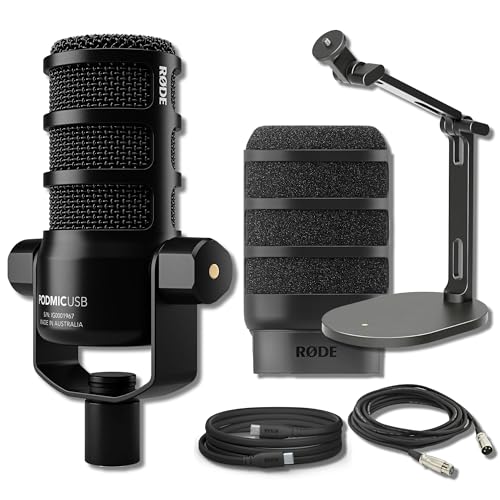
The Rode PodMic USB takes everything great about the original PodMic and adds USB connectivity for ultimate convenience. This dynamic broadcast microphone is designed specifically for podcasters who want professional sound with minimal setup complexity. The bundle includes everything you need to start recording right away.
Complete Podcasting Solution:
What sets the PodMic USB apart is the comprehensive bundle approach. Rode includes all essential accessories, eliminating the need to purchase additional equipment. The package typically includes the microphone, USB cable, desktop stand, and sometimes headphones, providing everything needed for immediate podcasting setup.
Revolutionary Preamp Design:
The PodMic USB features Rode’s revolutionary internal preamp design that delivers studio-quality audio through USB. This isn’t just a basic USB microphone – it incorporates high-quality components typically found in dedicated audio interfaces. The result is professional sound quality without external equipment.
Broadcast-Ready Features:
- Dynamic Capsule: Excellent noise rejection for untreated rooms
- Internal Pop Filter: Integrated design reduces plosives effectively
- Built-In Headphone Amp: Zero-latency monitoring for real-time audio feedback
- USB-C Connectivity: Modern, reliable connection with ample cable length
Sound Quality:
The PodMic USB delivers rich, broadcast-quality audio with the characteristic Rode sound – detailed and present without being harsh. The dynamic capsule provides excellent noise rejection while maintaining vocal clarity. Users consistently praise its professional sound that rivals microphones costing twice as much.
Build Quality:
Rode built the PodMic USB for daily podcasting use. The all-metal construction ensures durability, while the integrated boom arm-compatible mount provides flexible positioning options. The ergonomic design includes convenient controls for headphone volume and microphone muting.
Software Integration:
Rode Connect software unlocks additional features for the PodMic USB. You can access advanced audio processing, EQ settings, and even create a complete podcast studio with multiple microphones. The software makes professional audio processing accessible to beginners.
Best For:
- Beginning podcasters wanting an all-in-one solution
- Users who prefer complete bundles over piecing together equipment
- Anyone wanting professional sound without audio interface complexity
- Podcasters needing zero-latency monitoring
- Content creators valuing convenience and simplicity
Rode Procaster – Best Budget XLR Broadcast Mic
RØDE Microphones Procaster Broadcast…
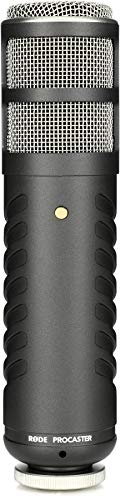
The Rode Procaster brings professional broadcast quality within reach of budget-conscious content creators. This XLR dynamic microphone delivers exceptional sound quality and noise rejection at a price point that undercuts many competitors. It’s proof that you don’t need to spend hundreds for professional audio.
Broadcast Heritage:
The Procaster inherits its design from professional broadcast microphones used in radio stations worldwide. The dynamic capsule with cardioid polar pattern provides excellent off-axis rejection, focusing on your voice while ignoring background noise. This makes it ideal for home studios and untreated recording spaces.
Value Proposition:
At $239, the Procaster offers incredible value. It delivers 90% of the performance of microphones costing twice as much, making it the smart choice for content creators who want professional quality without breaking the bank. The cost savings can be invested in other essential equipment like acoustic treatment or a quality audio interface.
Sound Characteristics:
The Procaster delivers a rich, present sound that flatters vocal recordings. The tailored frequency response enhances vocal clarity while reducing boominess and harshness. The high output level means you don’t need as much gain from your preamp, reducing noise from your audio chain.
Build Quality:
Rode built the Procaster for professional use with robust all-metal construction. The integrated swing mount allows for flexible positioning while reducing mechanical noise transfer. The classic broadcast microphone design looks professional on camera or in the studio.
Technical Performance:
- High Output Level: Requires less preamp gain than typical dynamic microphones
- Low Self-Noise: Clean audio even with high-gain preamps
- Internal Pop Filter: Reduces plosives without external filters
- Wide Dynamic Range: Handles varying vocal levels without distortion
Best For:
- Budget-conscious podcasters wanting professional sound
- Content creators upgrading from USB microphones
- Home recording studios needing broadcast-quality audio
- Users with moderate-quality audio interfaces
- Anyone seeking maximum value per dollar spent
Rode PodMic – Best Value XLR Microphone
RØDE PodMic Cardioid Dynamic Broadcast…

The Rode PodMic delivers professional broadcast quality at an incredibly affordable price point of $94. This dynamic XLR microphone punches above its weight class, offering sound quality and build quality that competes with microphones costing twice as much. It’s the ultimate value choice for podcasters on a budget.
Unmatched Value:
At under $100, the PodMic is remarkably affordable. Rode managed to deliver professional sound quality, robust construction, and broadcast-ready features at a price point that’s accessible to beginners and budget-conscious creators. The value proposition is simply unmatched in the XLR microphone market.
Broadcast Features:
Despite its budget price, the PodMic includes professional features:
- Dynamic Capsule: Excellent noise rejection for untreated rooms
- Internal Pop Filter: Integrated design reduces plosive sounds
- Integrated Swing Mount: Built-in shock mount reduces stand noise
- Rugged Construction: All-metal body built for daily use
Sound Quality:
Users consistently praise the PodMic’s rich, broadcast-quality sound. The tailored frequency response enhances vocal presence while controlling harshness. The cardioid polar pattern provides excellent off-axis rejection, making it ideal for home recording environments. For the price, the audio quality is simply outstanding.
Build Quality:
Rode didn’t cut corners on construction. The all-metal body ensures durability, while the integrated swing mount provides both shock isolation and flexible positioning. The finish is professional and resists scratches and wear.
Best For:
- Podcasters on a tight budget
- Beginners upgrading from USB microphones
- Content creators wanting professional XLR quality affordably
- Users needing maximum value per dollar
- Anyone starting their podcasting journey
Shure SM58 – Most Durable Live Microphone
Shure SM58 Professional XLR Dynamic Vocal…
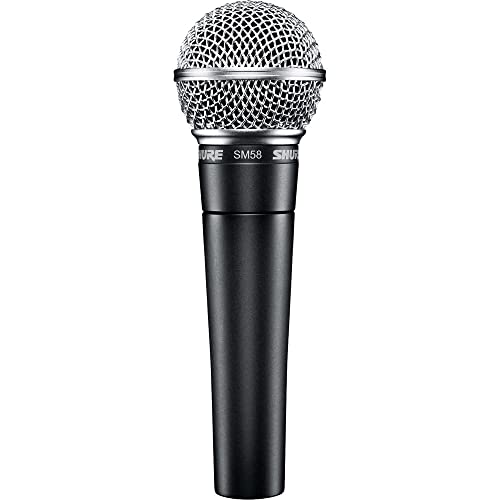
The Shure SM58 is arguably the most reliable and durable microphone ever made. Since its introduction in 1966, the SM58 has become the industry standard for live vocals and broadcast applications. Its legendary reputation for reliability, combined with excellent noise rejection, makes it a top choice for content creators who prioritize durability.
Legendary Reliability:
The SM58 has earned its reputation as “the microphone that can survive anything.” Stories abound of SM58s being dropped, thrown, exposed to rain, and even run over by vehicles – and still working perfectly. This legendary durability makes it the smart choice for creators who need equipment that will last decades, not years.
Live Performance Heritage:
Designed for live sound reinforcement, the SM58 excels at rejecting background noise. The cardioid polar pattern with uniform cardioid pickup pattern provides excellent feedback resistance and off-axis rejection. This makes it ideal for noisy environments and untreated rooms.
Sound Quality:
The SM58 delivers the classic Shure vocal sound – present, midrange-focused, and instantly recognizable. The tailored frequency response (50Hz to 15kHz) provides brightened midrange and bass roll-off to control proximity effect. The result is vocals that cut through mixes while remaining natural.
Technical Features:
- Cardioid Polar Pattern: Excellent isolation and feedback resistance
- Internal Shock Mount: Reduces handling noise effectively
- Steel Mesh Grille: Protects the capsule from damage and plosives
- High Output Level: Drives audio interfaces easily with clean gain
Proven Track Record:
With over 50 years of continuous production, the SM58 has been used on countless hit records, live performances, and broadcasts. Its consistent quality and reliability have made it the most popular microphone in the world. When you buy an SM58, you’re investing in proven technology.
Best For:
- Content creators prioritizing reliability and durability
- Live performers needing a versatile vocal microphone
- Podcasters wanting a “buy it once, buy it right” solution
- Users in harsh environments requiring rugged equipment
- Anyone valuing proven reliability over latest features
HyperX QuadCast 2 – Best for Gaming and Streaming
HyperX QuadCast 2 – USB Microphone for…

The HyperX QuadCast 2 is designed specifically for gamers and streamers who need a microphone that looks great on camera and delivers excellent audio quality. Building on the success of the original QuadCast, the second generation adds improved features while maintaining the gamer-friendly design that made it popular.
Gamer-Centric Design:
HyperX designed the QuadCast 2 with streaming in mind. The sleek, modern aesthetic looks professional on camera, and the RGB lighting adds visual flair for gaming setups. The tap-to-mute sensor on the top provides instant muting with visual feedback, essential for live streamers.
Antialiasing Pop Filter:
The built-in pop filter uses a unique design that reduces plosive sounds without the need for external filters. This maintains the sleek appearance while ensuring clean audio. The internal shock mount reduces mechanical noise from desk vibrations and keyboard typing.
Sound Quality:
Unlike typical gaming microphones, the QuadCast 2 delivers genuine audio quality. The condenser capsule provides detailed sound reproduction with excellent clarity. The selectable polar patterns (stereo, omnidirectional, cardioid, bidirectional) offer versatility for different recording situations, from solo streaming to interviews.
Convenience Features:
- Tap-to-Mute Sensor: Instant muting with LED indicator status
- Gain Control Knob: Easy adjustment of microphone sensitivity
- Headphone Jack: Zero-latency monitoring for real-time audio
- USB-C Connection: Modern, reliable connectivity
Software Customization:
The HyperX NGENUITY software provides detailed control over microphone settings. You can adjust EQ, enable the built-in compressor, and customize the lighting effects. The software makes it easy to dial in the perfect sound for your voice and room.
Best For:
- Twitch and YouTube streamers wanting camera-ready aesthetics
- Gamers needing versatile polar patterns for different situations
- Content creators valuing convenience and plug-and-play operation
- Users wanting integrated pop filter without external accessories
- Streamers needing instant muting capabilities
Elgato Wave:3 – Best Premium USB Microphone
Elgato Wave:3 - Premium Studio Quality USB…

The Elgato Wave:3 represents the pinnacle of USB microphone design, combining premium audio quality with innovative software integration. This condenser USB microphone is designed for content creators who want professional sound without the complexity of XLR equipment, but still demand studio-quality results.
Revolutionary Software Mixer:
The standout feature of the Wave:3 is the Wave Link software, which transforms the microphone into a complete audio mixing solution. You can mix multiple audio sources, apply effects, and route audio independently to your stream and headphones. This level of control is typically found only in professional broadcast software.
Anti-Distortion Technology:
Elgato’s proprietary anti-distortion technology is genuinely innovative. Instead of clipping when you speak loudly, the Wave:3 digitally limits the audio to prevent distortion while maintaining natural dynamics. This means you can speak at varying volumes without worrying about harsh clipping.
Sound Quality:
The Wave:3 delivers detailed, transparent sound that accurately captures your voice. The condenser capsule provides excellent high-frequency detail and clarity. Users consistently praise its natural, uncolored sound that works well for vocals, instruments, and ASMR content.
Build Quality:
Elgato built the Wave:3 with premium materials and thoughtful design. The all-metal construction ensures durability, while the adjustable stand provides flexible positioning. The integrated cable management keeps your setup clean and professional.
Advanced Features:
- Capsule Protection: Magnetic grille shielding reduces electromagnetic interference
- Multifunctional Knob: Controls headphone volume, mic gain, and mixer levels
- Tap-to-Mute: Instant muting with clear LED status indicator
- Front-Facing Port: Easy access headphone jack with studio-quality amplifier
Software Ecosystem:
Wave Link software integrates seamlessly with other Elgato products and streaming software. You can create sophisticated audio mixes with separate levels for streaming, recording, and monitoring. The software’s intuitive interface makes professional audio accessible to beginners.
Best For:
- Streamers wanting complete audio mixing control
- Content creators valuing software integration and workflow
- Users who speak loudly and need anti-distortion technology
- Anyone wanting premium USB audio quality with advanced features
- Podcasters needing flexible audio routing options
Blue Yeti – Best Budget USB Microphone
Blue Yeti USB Mic for Recording & Streaming…
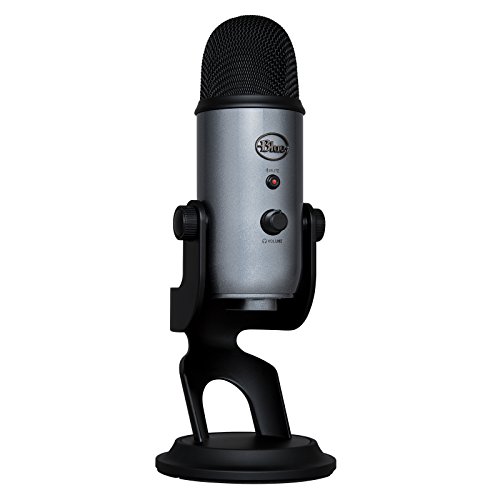
The Blue Yeti is the most popular USB microphone for good reason. Since its introduction, the Yeti has become the go-to choice for countless content creators, podcasters, and streamers seeking versatility and quality at an affordable price. Its unique design and features offer incredible value for beginners and experienced users alike.
Four Pickup Patterns:
The Yeti’s standout feature is its versatility. With four selectable polar patterns (stereo, cardioid, omnidirectional, bidirectional), one microphone handles virtually any recording situation. Interview guests? Switch to bidirectional. Record music? Use stereo pattern. Solo podcasting? Cardioid mode. This versatility eliminates the need for multiple microphones.
Accessible Quality:
At $75, the Yeti makes quality audio accessible to everyone. The condenser capsules deliver detailed sound with excellent clarity. While it may not match professional XLR microphones, the Yeti provides more than enough quality for podcasting, streaming, voice calls, and basic music recording.
User-Friendly Design:
Blue designed the Yeti with beginners in mind. The controls are clearly labeled and intuitive. The pattern selector, gain knob, and mute button are all within easy reach. The adjustable desktop stand provides flexible positioning without needing additional equipment.
Sound Characteristics:
The Yeti delivers a detailed, slightly bright sound that works well for vocals. The three condenser capsules provide excellent stereo imaging for music recording. However, the condenser design means it picks up more room noise than dynamic microphones, making it less ideal for untreated spaces.
Technical Features:
- Tri-Capsule Array: Three 14mm condenser capsules for pattern flexibility
- Zero-Latency Headphone Output: Direct monitoring without delay
- Plug-and-Play USB: No drivers required for Mac and PC
- Adjustable Stand: Desktop stand with integrated cable management
Considerations:
The Yeti’s condenser design means it’s more sensitive to room noise than dynamic microphones. For best results, use in a treated space or close to the microphone. The large size and heavy weight mean it’s not ideal for boom arm mounting without additional hardware.
Best For:
- Beginners starting their content creation journey
- Users needing multiple pickup patterns in one microphone
- Podcasters on a tight budget
- Content creators valuing versatility over specialization
- Anyone wanting a proven, reliable USB microphone
Hollyland Lark M2 – Best Wireless with Noise Cancellation
Hollyland Lark M2 Wireless Microphone for...
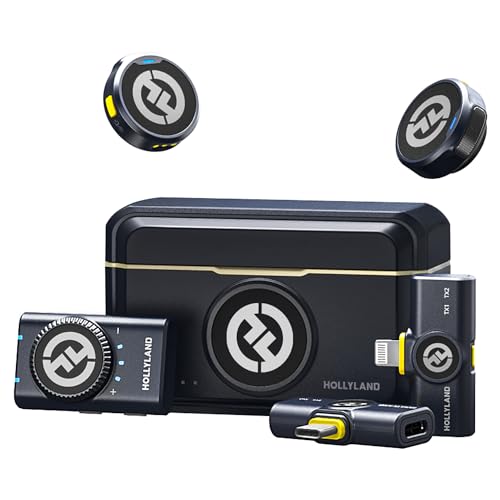
The Hollyland Lark M2 represents the cutting edge of wireless microphone technology with active noise cancellation. Unlike traditional microphones that rely solely on polar patterns for noise rejection, the Lark M2 uses DSP (Digital Signal Processing) to actively cancel background noise in real-time. This makes it ideal for content creators who need wireless freedom without sacrificing audio quality.
True Wireless Freedom:
The Lark M2 consists of two compact transmitters that clip to your clothing and a receiver that plugs into your camera or computer. This wireless design eliminates cable clutter and allows freedom of movement up to 200 meters (650 feet). For content creators who move around during recording or stream from different locations, this wireless freedom is invaluable.
Active Noise Cancellation:
What sets the Lark M2 apart is its hybrid noise cancellation system:
- DSP Noise Cancellation: Digital processing actively removes background noise in real-time
- Hardware Noise Shield: Physical design reduces wind and environmental noise
- HearClear Technology: Hollyland’s proprietary algorithm for intelligent noise removal
Intelligent Audio Processing:
The Lark M2 includes sophisticated audio features typically found in much more expensive systems:
- Automatic Gain Control: Maintains consistent volume levels automatically
- One-Touch Muting: Instant muting from either transmitter or receiver
- 8GB Storage: Built-in recording for backup when wireless connection is unreliable
- 32-Hour Battery Life: Extended recording sessions with charging case
Versatile Usage:
The Lark M2 excels in various scenarios:
- Outdoor Recording: Noise cancellation handles wind and environmental sounds
- Interviews: Dual transmitters perfect for two-person conversations
- Vlogging: Compact design doesn’t distract from video
- Remote Work: Superior audio quality for video calls and presentations
Sound Quality:
Despite its small size, the Lark M2 delivers impressive audio quality. The omnidirectional capsules capture natural sound, while the DSP processing cleans up background noise without sounding artificial. Users praise its ability to handle noisy environments while maintaining speech clarity.
Best For:
- Vloggers and content creators needing wireless mobility
- Interviewers recording in various locations
- Remote workers wanting superior audio for video calls
- Outdoor content creators dealing with wind and environmental noise
- Users valuing portability and convenience above all else
How to Choose a Noise Cancelling Microphone?
Finding the right noise cancelling microphone requires understanding several key factors that affect performance. Let’s break down the technical considerations to help you make an informed decision.
Dynamic vs. Condenser Microphones
The microphone type significantly impacts noise rejection capabilities:
Dynamic Microphones: These are generally superior for noise rejection. Dynamic capsules are less sensitive and focus on sounds directly in front of the microphone. They naturally reject background noise, room reflections, and sounds from the sides and rear. For noisy environments and untreated rooms, dynamic microphones are almost always the better choice.
Condenser Microphones: These are more sensitive and capture detailed sound with extended high-frequency response. However, this sensitivity means they pick up more room noise and background sounds. Condensers excel in treated spaces and controlled environments but can be challenging in noisy rooms.
Polar Patterns and Noise Rejection
The polar pattern determines where the microphone “listens”:
Cardioid: The heart-shaped pattern focuses on sound directly in front while rejecting sounds from the rear. This is the most common pattern for noise rejection and ideal for most single-person recording situations.
Supercardioid/Hypercardioid: Even tighter focus than cardioid with greater side rejection but some rear pickup. Excellent for isolating a single sound source in noisy environments.
Omnidirectional: Picks up sound equally from all directions. Provides the least noise rejection but most natural room sound. Useful for acoustic music recording but poor for noisy environments.
Bidirectional: Figure-8 pattern picks up from front and rear while rejecting sides. Useful for interviews but less common for noise rejection applications.
Connectivity Options
USB Microphones: Plug-and-play simplicity with built-in preamps and analog-to-digital converters. Perfect for beginners and users who don’t want to deal with audio interfaces. However, you’re limited by the internal preamp quality and can’t upgrade components later.
XLR Microphones: Professional standard requiring separate audio interface or mixer. Offers higher quality potential, component upgradability, and longer cable runs. Requires more knowledge and equipment but delivers better results in the long run.
Hybrid USB/XLR: Best of both worlds with both connection options. Start with USB for convenience, upgrade to XLR later when ready. Future-proofs your investment as your setup grows.
Software-Based Noise Suppression
Modern microphones often include DSP features for active noise cancellation:
Auto Level Mode: Automatically adjusts gain to maintain consistent volume levels. Useful for beginners but can reduce dynamic range and natural vocal expression.
Noise Gate: Mutes the microphone when you’re not speaking, eliminating background noise during pauses. Effective but can cut off quiet speech if set too aggressively.
Digital Noise Reduction: Actively removes background noise using algorithms. Can be effective but may introduce artifacts or unnatural sound quality if processing is too heavy.
Room Acoustics Considerations
Even the best microphone can’t fix a terrible room:
Untreated Rooms: Choose dynamic microphones with tight polar patterns. Position yourself close to the microphone to maximize direct sound relative to room reflections.
Treated Spaces: Condenser microphones can shine when room acoustics are controlled. Acoustic treatment makes a bigger difference than microphone choice for overall sound quality.
Temporary Solutions: Reflection filters, portable acoustic panels, and even recording in a closet full of clothes can significantly improve results in untreated spaces.
Budget Considerations
Entry Level ($50-150): Blue Yeti, Rode PodMic, Hollyland Lark M2 offer excellent value for beginners. These provide significant improvements over built-in microphones without requiring additional equipment.
Mid-Range ($150-300): Shure MV7+, Elgato Wave:3, HyperX QuadCast 2, Rode Procaster deliver professional quality with convenience features. Ideal for serious content creators wanting plug-and-play operation with advanced features.
Professional ($300+): Shure SM7B, Rode PodMic USB represent the pinnacle of microphone design. These deliver broadcast-quality audio but require additional equipment like quality preamps and audio interfaces.
Matching Your Use Case
Podcasting: Dynamic microphones with cardioid patterns are ideal. USB options like the MV7+ offer convenience, while XLR mics like the SM7B deliver the highest quality. Consider your technical expertise and budget when choosing between USB and XLR.
Gaming and Streaming: Look for microphones with gamer-friendly features like tap-to-mute, headphone monitoring, and software integration. The HyperX QuadCast 2 and Elgato Wave:3 excel in these applications with features designed specifically for streamers.
Voiceover and Recording: Professional XLR microphones like the SM7B and Procaster deliver the most consistent, detailed results for critical recording applications. The investment in quality equipment pays off in professional results.
Remote Work and Calls: Wireless options like the Hollyland Lark M2 offer convenience for mobile professionals. USB microphones with noise cancellation features work well for home offices and call centers.
Frequently Asked Questions
What is the difference between noise cancelling and noise rejection?
Noise rejection refers to a microphone’s physical ability to ignore sounds from the sides and rear using polar patterns (typically cardioid). The microphone simply doesn’t “hear” sounds from those directions. Noise cancellation uses digital signal processing (DSP) to actively remove unwanted sounds from the audio signal after capture. The best microphones combine both approaches: physical rejection through polar patterns and digital processing for the cleanest possible audio.
Do I need an audio interface with my noise cancelling microphone?
It depends on the microphone type. USB microphones like the Blue Yeti, Shure MV7+, and Elgato Wave:3 have built-in interfaces and connect directly to your computer via USB. XLR microphones like the Shure SM7B, Rode Procaster, and Rode PodMic require a separate audio interface or mixer to provide phantom power and preamplification. Hybrid microphones like the Shure MV7+ and Rode PodMic USB offer both options, starting with USB and allowing XLR upgrades later.
What type of microphone is best for noisy environments?
Dynamic microphones with cardioid polar patterns are best for noisy environments. Dynamic capsules are less sensitive than condensers and naturally reject background noise. The cardioid pattern focuses on sound directly in front of the microphone while ignoring sounds from the sides and rear. For extremely noisy environments, consider dynamic microphones with software noise cancellation features like the Shure MV7+ or Hollyland Lark M2.
How do I reduce background noise on my microphone?
Several strategies can reduce background noise: 1) Choose a dynamic microphone with tight polar pattern for natural noise rejection; 2) Position yourself close to the microphone to maximize your voice level relative to room noise; 3) Use a directional polar pattern (cardioid, supercardioid) and speak into the front of the microphone; 4) Add acoustic treatment to your recording space to reduce room reflections; 5) Use software noise suppression features if available; 6) Record in the quietest part of your home and during quieter times of day.
How does microphone polar pattern affect noise pickup?
The polar pattern determines where the microphone is sensitive to sound. Cardioid patterns reject sounds from the rear while focusing on the front. Supercardioid and hypercardioid patterns offer even tighter focus with greater side rejection. Omnidirectional patterns pick up sound equally from all directions, providing the least noise rejection. For maximum noise rejection, choose a microphone with a tight cardioid or supercardioid pattern and speak directly into the front.
What is off-axis sound rejection?
Off-axis rejection refers to a microphone’s ability to ignore sounds that don’t come directly from the front. Microphones with good off-axis rejection capture sound primarily from the front while significantly reducing sounds from the sides, rear, and other angles. This is crucial for noisy environments because it means the microphone focuses on your voice while ignoring background noise, room reflections, and sounds from other directions. Dynamic microphones with cardioid patterns typically offer the best off-axis rejection.