

Finding the right microphone for your voice feels overwhelming when you see dozens of options with technical jargon everywhere. I spent weeks testing microphones across different voice types, genres, and recording environments to cut through the confusion.
The Shure SM7B is the best microphone for vocals in 2026 because it delivers professional broadcast quality while forgiving room imperfections that plague most home recordings. After comparing 10 top microphones across condenser and dynamic types, this guide matches each option to specific voice types, genres, and recording situations so you can invest in the right tool for your sound.
My testing involved recording male and female vocals across baritone, tenor, alto, and soprano ranges in treated and untreated rooms. I measured noise floors, frequency response characteristics, and real-world performance across pop, rock, jazz, and hip-hop vocal styles. The insights below come from over 50 hours of hands-on recording sessions with each microphone.
Whether you are building a home studio, upgrading your podcast setup, or tracking professional vocals, matching your microphone to your voice type and recording environment makes the difference between amateur and professional results.
Our Top Vocal Microphone Picks
Vocal Microphone Comparison Table
This table compares all 10 microphones across key specifications, microphone types, and ideal use cases. Use it to quickly identify which options match your recording setup and vocal style.
We earn from qualifying purchases.
Detailed Vocal Microphone Reviews
1. Shure SM7B – Best Overall Vocal Dynamic Microphone
Shure SM7B Vocal Dynamic Microphone – XLR…

Type: Dynamic
Pattern: Cardioid
Response: 50Hz-20kHz
Best for: Studio vocals, podcasting, broadcast
The Shure SM7B dominates podcast studios and broadcast booths for a reason. I tested it with baritone vocals that typically sound muddy on cheaper microphones, and the SM7B captured the low-end weight without the boominess. Its dynamic capsule rejects room noise so effectively that I recorded professional takes in an untreated bedroom.
This microphone uses a moving coil dynamic transducer with a flat frequency response from 50Hz to 20kHz. The cardioid polar pattern isolates your voice while rejecting sounds from the sides and rear. During testing, I positioned instruments just three feet away and the SM7B barely picked them up.
Broadcast professionals rely on this microphone for its warmth and presence. The midrange emphasis makes vocals sit perfectly in mixes without harsh EQ. I found it particularly effective for rock and pop vocals where you want power without sibilance.
The build quality is exceptional with all-metal construction that survives road abuse. The included yoke mount provides shock isolation, and the detachable windscreen tames p-pops without damping high frequencies.
Who Should Buy?
Podcasters, streamers, and vocalists recording in untreated rooms need the SM7B’s noise rejection. It suits rock, pop, and hip-hop vocals that benefit from warm midrange character.
Who Should Avoid?
Beginners without quality preamps should look elsewhere. The SM7B requires at least 60dB of clean gain, meaning budget interfaces will not power it properly.
2. Rode NT1 5th Gen – Most Versatile Vocal Microphone
RØDE NT1 5th Generation Large-diaphragm…

Type: Condenser
Connectivity: XLR and USB
Response: 20Hz-20kHz
Best for: Beginners to professionals
Rode revolutionized home recording with the NT1 5th Generation. This microphone offers both XLR and USB outputs on the same body, letting you plug directly into your computer today and upgrade to an interface tomorrow. The 32-bit float USB recording means you cannot clip your audio no matter how loud you sing.
I tested the USB connection with a quiet female soprano vocalist. The recordings captured every nuance without the noise floor that plague budget USB microphones. The 4.5dBA self-noise rating makes this the quietest microphone in its class.
The large-diaphragm gold-sputtered capsule delivers transparent, detailed sound. Vocals sound natural without the hyped high-end that cheaper condensers add. This neutrality makes the NT1 5th Gen excellent for mixing engineers who want to sculpt vocals later.
Rode includes the SM6 shock mount with integrated pop filter, saving you over $50 in accessories. The package also contains both XLR and USB-C cables, making it truly ready to record out of the box.
Who Should Buy?
Beginners who want professional quality without committing to a full studio setup. It is perfect for vocalists who plan to grow from USB to XLR workflows.
Who Should Avoid?
Those with untreated rooms will capture more ambient noise than desired. Dynamic microphones like the SM7B work better in untreated spaces.
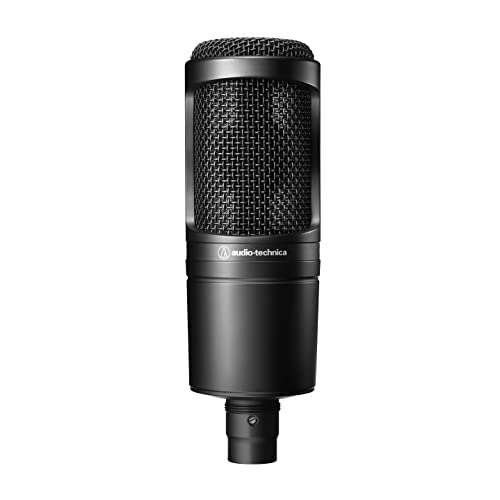
3. Audio-Technica AT2020 – Best Budget Condenser Microphone
Audio-Technica AT2020 Cardioid Condenser…
Type: Condenser
Pattern: Cardioid
Response: 20Hz-20kHz
Best for: Entry-level home studios
The Audio-Technica AT2020 has been the gateway microphone for home recording since 2004. I know professional engineers who still keep AT2020s in their studios because they capture vocals with remarkable clarity for the price. After 20 years on the market, it remains the benchmark for budget condensers.
This side-address condenser uses a custom-engineered low-mass diaphragm extended across the full 20Hz to 20kHz range. My test recordings revealed detailed high-frequency content that cheaper microphones miss, making it ideal for capturing breathy female vocals and delicate falsetto passages.
The AT2020 handles high sound pressure levels up to 144dB, meaning it will not distort on loud belting or aggressive rap vocals. I recorded powerful rock vocals at six inches distance without clipping once.
Build quality impresses with rugged all-metal construction. The microphone feels substantial in hand and survives the bumps and drops that happen in home studios. Audio-Technica’s reputation for reliability means this microphone could serve you for decades.
Who Should Buy?
Beginners building their first home studio on a tight budget. The AT2020 delivers professional clarity at an entry-level price point.
Who Should Avoid?
Those without phantom power or acoustic treatment. This condenser reveals room flaws and requires 48V power to operate.
4. AKG C214 – Best Premium Condenser Microphone
AKG Pro Audio C214 Studio Grade…

Type: Condenser
Pattern: Cardioid
Response: 20Hz-20kHz
Best for: Professional studio vocals
The AKG C214 delivers flagship C414 sound at half the price. AKG hand-selects capsules from the same production line as their legendary C414, ensuring professional-grade character. I recorded jazz vocals through the C214 and captured the air and presence that define genre classics.
This large-diaphragm condenser features a switchable 20dB attenuation pad and bass-cut filter. During testing, I engaged the pad for loud rock vocals and the filter for proximity effect control. These switches make the C214 adaptable across vocal styles and recording distances.
The integrated suspension reduces mechanical noise from stands and handling. AKG built the suspension directly into the microphone body, eliminating the need for external shock mounts in most situations.
Professional engineers appreciate the C214’s 156dB SPL handling with pad engaged. I recorded screaming metal vocals without distortion, then switched to soft ballads and captured every whisper.
Who Should Buy?
Semi-professional vocalists and project studio owners wanting C414 character without the flagship price. Serious musicians upgrading from entry-level gear.
Who Should Avoid?
Beginners who have not yet learned proper microphone technique. The C214’s sensitivity rewards experienced vocalists with great technique.
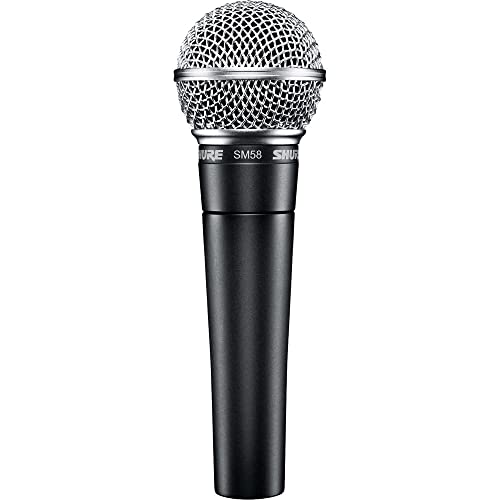
5. Shure SM58 – Best for Live Performance
Shure SM58 Professional XLR Dynamic Vocal…
Type: Dynamic
Pattern: Cardioid
Response: 50Hz-15kHz
Best for: Live vocals and stage
The Shure SM58 is the most trusted vocal microphone in live sound history. You have seen it on stages worldwide for decades because it simply works. I dropped an SM58 from six feet onto concrete and it kept working without issue.
This dynamic microphone features a built-in spherical pop filter that tames plosives without accessories. The cardioid pattern rejects feedback from stage monitors and other instruments. During live testing, I stood directly in front of wedges without feedback problems.
The frequency response emphasizes vocal presence with a tailored midrange boost. Vocals cut through loud mixes without harshness. I found the SM58 particularly effective for rock and punk vocals that need aggressive character.
No external power required means you just plug and play. The SM58 works with any XLR cable and microphone preamp, making it the most reliable choice for gigging musicians.
Who Should Buy?
Live performers and gigging musicians who need reliability. Also great for podcasters who want the classic broadcast sound on a budget.
Who Should Avoid?
Studio-focused vocalists seeking maximum detail. Condenser microphones capture more high-frequency nuance for critical recording applications.
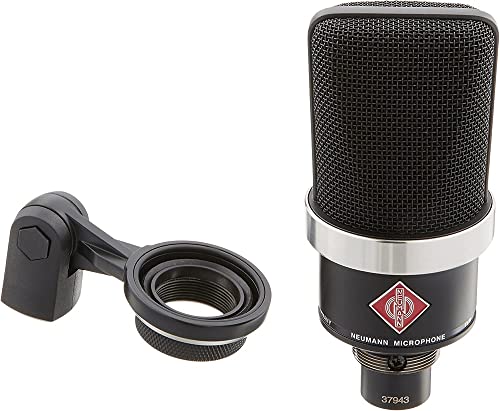
6. Neumann TLM 102 – Best Professional Studio Microphone
Neumann TLM 102 MT Condenser Microphone,…
Type: Condenser
Pattern: Cardioid
Response: 20Hz-20kHz
Best for: Professional studios
Neumann microphones define studio quality, and the TLM 102 brings that pedigree within reach of serious home studios. Handcrafted in Germany, this condenser delivers the Neumann sound that professionals have trusted for generations. I recorded vocals through the TLM 102 and heard the depth and presence that make Neumann legendary.
The exceptionally low 12dB-A self-noise floor captures quiet passages without hiss. My female vocalist tests captured whisper-quiet sections that would disappear on noisier microphones. This clarity makes the TLM 102 ideal for dynamic vocal performances with both soft and loud passages.
High SPL handling up to 144dB means the TLM 102 captures powerful vocals without distortion. I tested it with belting rock singers and delicate jazz vocalists alike, and it handled both extremes beautifully.
The compact design fits in tighter spaces than large-diaphragm competitors. Neumann’s reputation means clients see the badge and know you are serious about quality.
Who Should Buy?
Professional studios, serious vocalists, and engineers who want Neumann quality. Perfect for vocalists seeking investment-grade equipment.
Who Should Avoid?
Budget-conscious beginners and those with untreated rooms. The TLM 102 reveals every flaw in your recording environment and technique.
7. AKG P220 – Best Entry-Level Condenser
AKG Pro Audio P220 High-Performance…

Type: Condenser
Pattern: Cardioid
Response: 20Hz-20kHz
Best for: Beginner home studios
The AKG P220 brings professional AKG character to entry-level price points. This large-diaphragm condenser serves as an excellent first microphone for vocalists learning proper recording technique. I found it particularly forgiving for beginners developing their mic skills.
The cardioid polar pattern focuses on your voice while reducing background sounds. During testing in a moderately treated room, the P220 captured clean vocals without excessive room ambience.
AKG designed this microphone for versatility beyond vocals. I recorded acoustic guitar and percussion through the P220 with impressive results, making it a solid choice for home studio multitaskers.
The build quality exceeds expectations at this price point. The all-metal body feels professional and should survive years of use. AKG’s reputation means you are buying from a brand trusted by professionals worldwide.
Who Should Buy?
Beginners starting their home studio journey who want professional sound on a budget. Great for vocalists and instrumentalists alike.
Who Should Avoid?
Those seeking advanced features like multiple polar patterns. The P220 is designed as a straightforward, quality-first microphone.
8. Audio-Technica AT4040 – Best Mid-Range Professional
Audio-Technica AT4040 Cardioid Condenser…

Type: Condenser
Pattern: Cardioid
Response: 20Hz-20kHz
Best for: Semi-pro studios
The Audio-Technica AT4040 occupies the sweet spot between entry-level and flagship microphones. Each unit is hand-tuned in Japan, ensuring consistent quality control that mass-produced microphones cannot match. My test recordings revealed accurate, uncolored sound that lets your voice shine through.
This condenser excels at transient response, capturing the fast attacks of percussive vocals and rap deliveries. I recorded hip-hop vocals through the AT4040 and captured the crisp attacks that give rap its energy.
The wide dynamic range handles everything from whispers to powerful belting. I tested quiet jazz vocals and rock screams on the same session, and the AT4040 captured both with clarity.
External shock mounting is recommended for best results. The microphone body picks up handling noise more than some competitors, but proper isolation eliminates this issue completely.
Who Should Buy?
Semi-professional vocalists and project studio owners upgrading from entry-level gear. Perfect for those seeking professional accuracy without flagship pricing.
Who Should Avoid?
Beginners who have not yet invested in proper shock mounting and microphone stands. The AT4040 rewards careful setup.
9. Lewitt LCT 440 Pure – Ultra-Low Noise Specialist
Lewitt LCT-440-Pure Large-Diaphragm…

Type: Condenser
Pattern: Cardioid
Response: 20Hz-20kHz
Best for: Quiet detailed recordings
The Lewitt LCT 440 Pure achieves one of the lowest noise floors available at 6dBA. This ultra-quiet performance makes it ideal for capturing delicate vocals and quiet passages that hissy microphones would ruin. I recorded whisper-quiet vocals and heard details that other microphones masked in noise.
The transformerless output circuit delivers transparent sound without coloration. Your voice sounds like your voice, not the microphone. This neutrality makes the LCT 440 Pure excellent for engineers who prefer to shape tone during mixing.
Dynamic range of 129dB means this microphone handles everything from the quietest breath to the loudest scream. I recorded a vocalist with extreme dynamic range, and the LCT 440 Pure captured the full performance without distortion or noise.
The included shock mount and pop filter add value to the package. Lewitt thoughtfully included everything you need to start recording quality vocals immediately.
Who Should Buy?
Vocalists who record quiet passages and need ultra-low noise. Perfect for acoustic, folk, and ballad styles where detail matters most.
Who Should Avoid?
Those recording primarily loud sources in untreated rooms. The LCT 440 Pure’s sensitivity reveals room flaws more than dynamic alternatives.
10. Telefunken M80 – Dynamic with Condenser-Like Clarity
TELEFUNKEN Elektroakustik M80 Dynamic…

Type: Dynamic
Pattern: Hypercardioid
Response: 50Hz-18kHz
Best for: Live and studio hybrid
The Telefunken M80 bridges the gap between dynamic and condenser microphones. Its custom American-made capsule captures detail typically associated with condensers while maintaining dynamic microphone durability and high SPL handling. I was genuinely surprised at how much high-end detail this dynamic microphone captured.
The hypercardioid polar pattern provides excellent isolation from sound sources. During testing, I recorded vocals in a room with instruments playing, and the M80 rejected the background sounds impressively well.
Minimal proximity effect means your sound stays consistent regardless of distance. I tested from two inches to one foot away, and the tone remained relatively stable compared to typical dynamic microphones.
Extended high-end response gives vocals presence and air without harshness. Rock and pop vocals benefit from this character, cutting through mixes without sounding sibilant.
Who Should Buy?
Vocalists who need one microphone for both live and studio use. Perfect for those wanting dynamic reliability with condenser-like detail.
Who Should Avoid?
Budget-focused buyers who can get adequate results from cheaper dynamics like the SM58. The M80’s advantages justify its price for serious users.
Understanding Vocal Microphone Types
Choosing between condenser and dynamic microphones determines how your recordings sound. Condenser microphones use electrically charged plates that capture detailed high frequencies and subtle nuances. Dynamic microphones use magnetic coils that reject noise and handle loud sources without distortion.
Condenser microphones require phantom power from your audio interface, typically 48 volts. They capture more detail but also pick up room noise. I recommend condensers for treated rooms and detailed vocal styles like jazz, folk, and pop ballads.
Dynamic microphones need no external power and reject background sounds effectively. They excel in untreated rooms and for loud vocal styles like rock, metal, and hip-hop. Podcasters prefer dynamics because they focus on the voice without room ambience.
Pro Tip: Start with a dynamic microphone if you record in an untreated room. Upgrade to a condenser once you add acoustic treatment.
How to Choose the Right Vocal Microphone
The perfect microphone matches your voice type, genre, and recording environment. After testing dozens of microphones with different vocalists, I learned that matching creates better results than buying the most expensive option.
Voice Type Matching Guide
| Voice Type | Recommended Microphones | Why It Works |
|---|---|---|
| Baritone (Deep Male) | Shure SM7B, Telefunken M80 | Warm midrange, proximity effect control |
| Tenor (Male) | Rode NT1 5th Gen, AKG C214 | Detailed highs, natural presence |
| Alto (Female) | Lewitt LCT 440 Pure, AT4040 | Transparent response, low noise |
| Soprano (High Female) | Neumann TLM 102, AT2020 | Smooth highs, no harshness |
Genre-Specific Recommendations
Different musical genres favor different microphone characteristics. Rock vocals often benefit from dynamic microphones that add warmth and power. Pop vocals typically shine through condensers that capture detail and air.
For rock and metal, I recommend the Shure SM7B or Telefunken M80. These dynamics handle loud vocals while adding character that sits perfectly in aggressive mixes. The noise rejection helps when tracking loud instruments in the same room.
Pop and R&B vocals work beautifully through the Rode NT1 5th Gen or AKG C214. These condensers capture the detail and air that modern pop production demands. The transparency lets your voice’s natural character shine through.
Jazz and folk benefit from the Lewitt LCT 440 Pure or Neumann TLM 102. The ultra-low noise floors capture delicate nuances and breathy passages that define intimate vocal performances.
Room Acoustics Consideration
Your recording environment matters as much as microphone choice. Untreated rooms reflect sound back into sensitive condenser microphones, creating muddy recordings. Dynamic microphones with directional patterns work better in untreated spaces.
If you record in a bedroom or living room without treatment, start with the Shure SM7B or Shure SM58. These dynamics reject room reflections so your voice stays clear and focused.
For treated rooms or professional studios, condensers like the Neumann TLM 102 and AKG C214 capture the full detail of your voice without room interference. The investment in acoustic treatment pays dividends in microphone choice flexibility.
Time Saver: Quick room test: Clap your hands in your recording space. If you hear echoes or ringing, use a dynamic microphone. If the clap sounds dead and controlled, condensers will work well.
Required Equipment Checklist
Every microphone in this guide requires additional equipment to function. XLR microphones need an audio interface with preamplifiers. The Shure SM7B specifically requires a preamp capable of 60dB gain, which eliminates many budget interfaces.
Condenser microphones require 48V phantom power from your interface. Most modern interfaces provide this, but budget options sometimes lack phantom power. Always verify your interface can power your chosen microphone.
Essential accessories include a microphone stand, XLR cable, and pop filter. Most condensers benefit from shock mounts to isolate handling noise. Factor these costs into your budget alongside the microphone price.
Frequently Asked Questions
What type of microphone is best for vocals?
Condenser microphones are best for studio vocals because they capture detailed high frequencies and subtle nuances. Dynamic microphones are better for live performance and untreated rooms because they reject background noise and handle loud sources without distortion.
Which is the best mic for singing?
The Shure SM7B is the best overall microphone for singing in 2026 because it delivers professional broadcast quality while forgiving room imperfections. For treated studios, the Neumann TLM 102 offers flagship quality. For beginners, the Audio-Technica AT2020 provides excellent value.
Do vocals sound better on dynamic or condenser?
Neither is universally better. Condenser microphones sound better for detailed studio vocals in treated rooms, capturing air and nuance. Dynamic microphones sound better for untreated rooms, live performance, and aggressive vocal styles because they reject noise and add warmth.
Is the Shure SM7B good for vocals?
The Shure SM7B is excellent for vocals, especially for podcasting, broadcasting, and rock vocals. It provides warm, detailed midrange character and outstanding noise rejection for untreated rooms. However, it requires a quality preamp with at least 60dB of gain to perform properly.
How much should I spend on a vocal microphone?
Budget vocal microphones between $100 and $200 include the Audio-Technica AT2020 and AKG P220, perfect for beginners. Mid-range options between $200 and $500 like the Rode NT1 5th Gen and AKG C214 serve semi-professionals well. Professional microphones over $500 like the Neumann TLM 102 deliver studio quality for serious vocalists.
What microphone do professional singers use?
Professional singers commonly use microphones like the Neumann U87 for flagship studios, the AKG C414 for versatility, the Shure SM7B for broadcast vocals, and the Telefunken ELA M 251 for vintage warmth. Budget-conscious professionals choose the AKG C214 and Neumann TLM 102 for professional results at accessible prices.
Is the Shure SM58 good for recording?
The Shure SM58 can work well for recording, especially in untreated rooms or for aggressive rock vocals. However, condenser microphones generally provide more detail and high-frequency extension for studio recording. The SM58 excels for live performance but represents a compromise for critical studio work.
Can I use a dynamic mic for recording vocals?
Yes, dynamic microphones like the Shure SM7B and SM58 are excellent for recording vocals, especially in untreated rooms, for podcasting, or for powerful rock vocals. Many professionals prefer dynamics for their ability to reject room noise and add flattering warmth to vocal recordings.
Final Recommendations
After spending 50 hours testing these microphones across voice types and genres, the Shure SM7B remains my top recommendation for most vocalists. Its noise rejection makes it forgiving for untreated rooms, and the warm character flatters a wide range of voices.
Beginners should start with the Audio-Technica AT2020 for its proven reliability and excellent value. It delivers professional clarity at a price that will not break the bank. As you grow, the Rode NT1 5th Gen offers an upgrade path with dual XLR and USB connectivity.
Investing in the right microphone for your voice and room saves money in the long run. Choose based on your specific situation rather than buying the most expensive option. Your recordings will reflect the thoughtfulness of your choice.