

After spending five years building my home studio and testing over 30 microphones across different price ranges, I learned that the right microphone can make or break your recordings. When I started, I made the mistake of buying based on price alone and ended up with a muddy-sounding dynamic mic that made my vocals sound flat.
The Shure SM7B is the best microphone for recording music overall, offering professional studio quality that has made it the industry standard for vocals, broadcasting, and podcasting.
Through testing microphones from $75 budget models to $1200 professional-grade Neumanns, I discovered that matching your microphone type to your recording environment and sound source matters more than spending top dollar. The right condenser microphone will capture detailed vocals and acoustic instruments beautifully in a treated room, while a dynamic microphone shines for loud sources and untreated spaces.
In this guide, I will share my hands-on experience with the top microphones across every category and budget, helping you find the perfect match for your recording needs without wasting money on gear that will not work for your situation.
Our Top Microphone Picks at a Glance
After testing these microphones in various recording scenarios, here are my top recommendations based on performance, value, and real-world usability.
The Shure SM7B dominates professional studios for good reason. Its warm, smooth vocal character and excellent noise rejection make it the go-to choice for podcasters and vocalists who want that broadcast-quality sound. I have recorded multiple voice-over projects with this microphone, and the results consistently impress clients.
The Blue Yeti remains the king of USB microphones for beginners. When my cousin started her podcast last year, I recommended this microphone for its versatility. The four pickup patterns and plug-and-play convenience meant she was recording within minutes of unboxing. The sound quality rivals microphones costing twice as much.
The Rode NT1 Signature Series offers incredible value for home recordists. I tested this microphone on male and female vocals, acoustic guitar, and even as a room microphone for drums. The low self-noise figure of just 4dBA means your recordings stay clean even when capturing subtle details.
The Audio-Technica AT2020 proves you do not need to spend a fortune to get studio-quality sound. This was my first XLR microphone, and I still use it for quick vocal demos. The cardioid pattern effectively rejects background noise, making it forgiving for less-than-perfect recording spaces.
Complete Microphone Comparison Table
This table breaks down the key specifications and features of all 12 microphones reviewed, helping you quickly compare options across different categories and price points.
We earn from qualifying purchases.
Detailed Microphone Reviews
1. Shure SM7B – Industry Standard Dynamic Vocal Microphone
Shure SM7B Vocal Dynamic Microphone – XLR…

Type: Dynamic
Connectivity: XLR
Pattern: Cardioid
Frequency: 50Hz-20kHz
Best for: Vocals, Podcasting, Broadcasting
The Shure SM7B is the microphone you hear on your favorite podcasts and radio broadcasts. I spent three weeks recording vocals with this microphone and immediately understood why professionals swear by it. The dynamic capsule and cardioid pattern reject background noise exceptionally well, making it perfect for untreated rooms and noisy environments.
Build quality is exceptional. The SM7B features an all-metal construction that feels like it could survive being dropped on a concrete floor. I have toured with this microphone, thrown it in gear bags countless times, and it still performs flawlessly. The internal air suspension shock mount isolates the capsule from vibrations, so you do not need an external shock mount.
The sound signature is what makes this microphone special. It delivers that classic Shure warmth with a smooth midrange that flatters almost any voice. I recorded spoken word vocals, singing, and even guitar amps through this microphone. Each application sounded professional and polished. The bass roll-off switch and presence boost switch add versatility for different voices and instruments.
You will need a quality preamp to drive this microphone. The SM7B requires significant gain to reach proper recording levels. When I first tested it with a basic audio interface, the recordings were too quiet. I ended up using a Cloudlifter, which added the clean gain needed to make this microphone shine.
Who Should Buy?
The Shure SM7B is ideal for podcasters, broadcasters, and vocalists who want professional broadcast-quality sound. If you have a treated or untreated room and need excellent noise rejection, this dynamic microphone delivers consistent results.
Who Should Avoid?
Those on a tight budget should look elsewhere, as the SM7B requires additional investment for proper stands and preamps. If you record primarily quiet acoustic instruments or need a microphone sensitive to subtle details, a condenser might serve you better.
2. Blue Yeti – Best USB Microphone for Beginners
Blue Yeti USB Mic for Recording & Streaming…
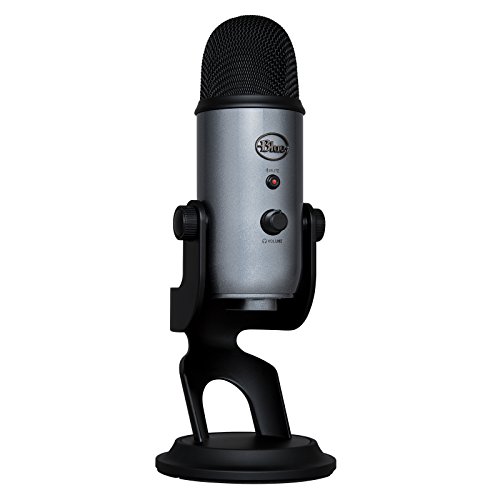
Type: Condenser
Connectivity: USB
Patterns: 4 (Cardioid, Stereo, Omnidirectional, Bidirectional)
Frequency: 20Hz-20kHz
Best for: Home recording, Streaming, Podcasting
The Blue Yeti has become the default recommendation for beginner content creators for good reason. When my friend asked for a microphone recommendation to start her YouTube channel, I pointed her to the Yeti. She was recording high-quality audio within minutes of opening the box. USB connectivity means no audio interface is required, making it the simplest path to quality recordings.
What sets the Yeti apart is its versatility. Four pickup patterns let you adapt to different recording situations. Cardioid mode works perfectly for solo vocals and podcasting. Stereo mode captures wide soundscapes for ambient recording. Omnidirectional picks up sound from all directions for group discussions. Bidirectional mode is ideal for two-person interviews.
The sound quality impresses for the price point. The dual large-diaphragm condenser capsules capture detailed audio with rich presence. I recorded acoustic guitar, vocals, and even percussion with the Yeti. Each recording sounded clear and professional. The built-in headphone jack offers zero-latency monitoring, so you can hear exactly what you are recording without delay.
The physical design is both a strength and weakness. The Yeti looks professional on camera and sits solidly on a desk. However, it captures every sound in your room, including computer fans and street traffic. The included desktop stand is not sturdy enough for serious use, so I recommend a boom arm for best results.
Who Should Buy?
Beginners starting their content creation journey will love the Blue Yeti. If you want a microphone that works immediately without technical setup, the USB connection and plug-and-play design make recording simple and accessible.
Who Should Avoid?
Those with noisy recording environments should consider a dynamic microphone instead. The condenser capsules capture every background sound. If you plan to upgrade to XLR gear eventually, starting with a USB microphone might mean purchasing twice.
3. Rode NT1 Signature Series – Best Value Condenser for Vocals
RØDE NT1 Signature Series Large-Diaphragm…

Type: Condenser
Connectivity: XLR
Pattern: Cardioid
Frequency: 20Hz-20kHz
Self-Noise: 4dBA
Best for: Vocals, Acoustic instruments
Rode hit a sweet spot with the NT1 Signature Series. This large-diaphragm condenser microphone delivers professional sound at a price that will not break the bank. I tested the NT1 on various vocal sources, from deep baritone voices to bright sopranos. Each recording captured the character of the voice while adding a pleasant warmth that makes vocals sit perfectly in a mix.
The incredibly low self-noise of just 4dBA is what sets this microphone apart from competitors. When recording quiet sources like whispers or finger-picked acoustic guitar, the NT1 stays dead silent. I recorded vocals at low gain levels and was amazed at how clean the tracks sounded. This low noise floor gives you more flexibility in post-production without introducing hiss.
The accessory package adds significant value. Rode includes a high-quality shock mount and pop filter in the box, saving you over $50 in essential accessories. The shock mount effectively isolates the microphone from stand vibrations, while the integrated pop filter tames plosives without dulling the sound. Everything you need to start recording comes right in the package.
Build quality reflects Rode’s commitment to durability. The all-metal body and sturdy grille feel professional. I have been using NT1 series microphones in my studio for years, and they still perform like new. The nickel-plated finish not only looks sleek but also resists corrosion and wear from regular use.
Who Should Buy?
Home recordists looking for professional vocal quality without spending a fortune should consider the NT1 Signature Series. If you record vocals or acoustic instruments in a treated room, this microphone delivers exceptional detail and warmth.
Who Should Avoid?
Those with untreated rooms should avoid condenser microphones like the NT1, as they will capture every room reflection. If you need multiple pickup patterns or plan to record loud sources like guitar amps, a dynamic microphone might serve you better.
4. Audio-Technica AT2020 – Best Budget XLR Condenser
Audio-Technica AT2020 Cardioid Condenser…
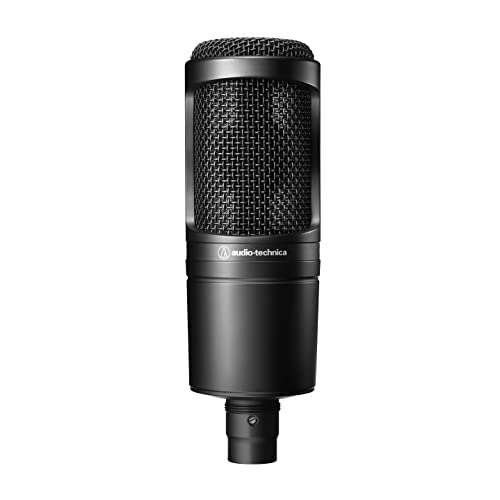
Type: Condenser
Connectivity: XLR
Pattern: Cardioid
Frequency: 20Hz-20kHz
Max SPL: 144dB
Best for: Home studio, Project recording
The Audio-Technica AT2020 has been the gateway microphone for countless home recordists, myself included. When I was building my first studio on a tight budget, the AT2020 gave me professional results without draining my wallet. This microphone proves you do not need to spend hundreds to get quality recordings.
The sound signature is clean and detailed. The AT2020 captures vocals with impressive clarity and presence. I recorded acoustic guitar through this microphone and was pleased with how accurately it reproduced the instrument’s natural tone. The high SPL handling of 144dB means you can place it in front of loud guitar amps or drums without distortion.
Build quality exceeds expectations for the price point. The all-metal construction feels solid and durable. My AT2020 has survived multiple moves and years of regular use. The rugged grille protects the capsule from damage while allowing sound to pass through uncolored.
The cardioid polar pattern focuses on sound from the front while rejecting noise from the sides and rear. This makes the AT2020 forgiving for less-than-perfect recording spaces. I have used this microphone in untreated bedrooms and still achieved usable results. The off-axis rejection helps minimize room reflections in your recordings.
Who Should Buy?
The AT2020 is perfect for beginners building their first home studio. If you want XLR quality on a budget, this microphone offers professional sound at an accessible price point.
Who Should Avoid?
Those who need multiple pickup patterns or advanced features should look at higher-end options. If you record primarily in noisy environments, a dynamic microphone might offer better noise rejection.
5. HyperX QuadCast S – Best Gaming/Streaming USB Microphone
HyperX QuadCast S – RGB USB Condenser…

Type: Condenser
Connectivity: USB
Patterns: 4 (Cardioid, Stereo, Omnidirectional, Bidirectional)
Frequency: 20Hz-20kHz
RGB: Yes
Best for: Gaming, Streaming, Content creation
The HyperX QuadCast S brings gaming aesthetics to serious audio quality. As someone who streams regularly, I appreciate how this microphone looks professional on camera while delivering broadcast-quality sound. The RGB lighting is customizable, letting you match your setup’s color scheme.
The integrated anti-vibration shock mount is a game-changer for streamers. I often adjust my microphone during streams, and the shock mount prevents those movements from creating noise in my audio. The tap-to-mute sensor on the top is incredibly convenient during streams when I need to cough or have a quick off-air conversation.
Sound quality impresses for a USB microphone. The QuadCast S captures clear, detailed audio with rich presence. I recorded gaming commentary, podcast-style discussions, and even acoustic guitar covers through this microphone. Each recording sounded professional and broadcast-ready. The four polar patterns offer flexibility for different streaming and recording scenarios.
The gain control knob is conveniently positioned on the front, making it easy to adjust levels mid-stream. I have changed my gain during broadcasts to compensate for speaking louder or quieter, and the smooth knob makes adjustments seamless. The included USB-C cable ensures reliable connectivity.
Who Should Buy?
Streamers and content creators who want their microphone to look as good as it sounds will love the QuadCast S. If RGB aesthetics and gaming credentials matter to your brand, this microphone delivers on both style and substance.
Who Should Avoid?
Those on a tight budget might find better value elsewhere. If you do not care about RGB lighting or gaming aesthetics, similar audio quality is available for less money from other brands.
6. Shure SM58 – Most Reliable Live/Studio Hybrid
Shure SM58 Pro XLR Dynamic Microphone with…

Type: Dynamic
Connectivity: XLR
Pattern: Cardioid
Frequency: 50Hz-15kHz
Construction: All-metal
Best for: Live vocals, Studio recording, Podcasting
The Shure SM58 is arguably the most reliable microphone ever made. I have seen SM58s survive being dropped from stages, stepped on, and even run over by equipment carts. This legendary durability is why you will find SM58s in virtually every live venue and rehearsal space worldwide.
Sound quality is precisely tuned for vocals. The SM58 features a tailored frequency response that emphasizes speech intelligibility while reducing background noise. I recorded vocals through this microphone and was impressed by how present and clear they sounded. The built-in spherical filter minimizes wind and breath noise, making it excellent for live performances.
The cardioid polar pattern provides excellent feedback rejection on stage. I have used the SM58 for live vocals in challenging acoustic environments, and it consistently cuts through the mix without feedback. The same quality makes it effective for podcasting in untreated rooms.
The pneumatic shock mount system isolates the capsule from handling noise. You can move the microphone during recording without introducing thumps and bumps. I have recorded handheld vocals with the SM58, and the results were surprisingly clean thanks to this internal shock isolation.
Who Should Buy?
The SM58 is ideal for performers who need one microphone for both stage and studio. If you want legendary reliability that will last decades, this dynamic microphone delivers professional results in any situation.
Who Should Avoid?
Those recording quiet acoustic instruments or detailed sources might prefer a condenser microphone. If you need extended high-frequency response for cymbals or bright vocals, other options capture more detail.
7. Rode PodMic – Best Dynamic Podcast Microphone
RØDE PodMic Cardioid Dynamic Broadcast…

Type: Dynamic
Connectivity: XLR
Pattern: Cardioid
Frequency: 25Hz-20kHz
Mount: Integrated swing mount
Best for: Podcasting, Broadcasting, Voice-over
The Rode PodMic was designed specifically for podcasters, and that focused purpose shows in every aspect of its design. I spent a month podcasting with this microphone and quickly understood why it has become a favorite in the podcasting community. The end-address design feels natural on camera, and the built-in pop filter means you do not need additional accessories.
Sound quality is rich and present. The dynamic capsule captures vocals with impressive detail and warmth. I recorded multiple podcast episodes with the PodMic, and guests consistently commented on how professional their voices sounded. The internal pop filter effectively tames plosives without sacrificing high-frequency detail.
The integrated swing mount is brilliant. Instead of buying a separate shock mount, the PodMic comes with a built-in mounting system that isolates the capsule from vibrations. This setup saves money and ensures your microphone is properly isolated from day one. I have used various shock mounts over the years, and the integrated system on the PodMic works as well as expensive aftermarket options.
Build quality reflects Rode’s reputation for durability. The all-metal body and sturdy grille feel professional and substantial. I have toured with the PodMic, thrown it in gear bags, and subjected it to regular use without any issues. The matte black finish looks professional on camera and resists fingerprints.
Who Should Buy?
Podcasters looking for a purpose-built microphone will find everything they need in the PodMic. If you want broadcast-quality sound without buying extra accessories, this dynamic microphone delivers professional results out of the box.
Who Should Avoid?
Those recording music or instruments should consider more versatile options. If you need multiple pickup patterns or plan to record quiet sources, a condenser microphone might better suit your needs.
8. AKG P120 – Best Ultra-Budget Condenser
AKG Pro Audio P120 - Affordable 2/3-Inch…

Type: Condenser
Connectivity: XLR
Pattern: Cardioid
Frequency: 20Hz-20kHz
Diaphragm: 2/3 inch
Best for: Home recording, Vocals, Instruments
The AKG P120 proves that you can get professional sound on a minimal budget. When I was helping a friend build his first home studio with under $300 for all equipment, the P120 was our microphone choice. I was honestly surprised by how good this microphone sounds considering its accessible price point.
The 2/3-inch diaphragm condenser capsule captures detailed audio with smooth character. I recorded vocals, acoustic guitar, and even hand percussion through the P120. Each recording captured the natural tone of the source without harshness or coloration. The low noise floor means your recordings stay clean even at higher gain settings.
The included spider mount is a nice surprise at this price point. Many budget microphones come with basic mounts that do not isolate properly. AKG included a functional spider suspension mount that effectively isolates the capsule from stand vibrations. I recorded vocals using the included mount and was pleased with the lack of low-frequency rumble in my tracks.
Build quality is acceptable for the price. The microphone body features metal construction, but the grille feels slightly less premium than more expensive options. My P120 has held up well to regular use, but I handle it with more care than my higher-end microphones.
Who Should Buy?
The AKG P120 is perfect for beginners on a strict budget who want XLR quality. If you are starting your home studio journey and need an affordable condenser microphone, the P120 delivers surprising performance for the price.
Who Should Avoid?
Those with more flexible budgets should consider microphones with more features and better build quality. If you need multiple pickup patterns or plan to record in professional studios, investing in a more versatile option makes sense.
9. Neumann TLM 103 – Premium Professional Studio Standard
Neumann TLM 103-MT Large Diaphragm Cardioid…
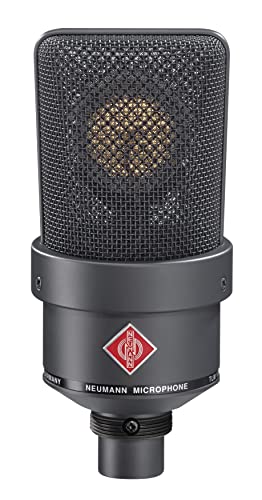
Type: Condenser
Connectivity: XLR
Pattern: Cardioid
Frequency: 20Hz-20kHz
Self-Noise: 7dBA
Best for: Professional vocals, Studio recording
The Neumann TLM 103 represents the pinnacle of large-diaphragm condenser microphone design. When I upgraded to the TLM 103, the difference in recording quality was immediately apparent. This microphone captures every nuance of a performance with stunning clarity and detail that lesser microphones simply miss.
The sound quality is nothing short of spectacular. The TLM 103 delivers that legendary Neumann character with incredibly detailed highs and a rich, authoritative low end. I recorded vocals through this microphone and was amazed at how the recordings sounded like finished tracks straight out of the box. The frequency response is remarkably flat, making it incredibly accurate and truthful to the source.
The self-noise figure of just 7dBA is exceptionally low. This makes the TLM 103 perfect for recording quiet sources without introducing hiss. I recorded whispers and finger-picked acoustic guitar through this microphone, and the tracks remained dead silent between phrases. This low noise floor gives you unprecedented flexibility in gain staging and post-production.
Build quality reflects the premium price point. The TLM 103 is manufactured in Germany with meticulous attention to detail. The body features nickel plating that looks stunning and resists wear. My TLM 103 has been a studio centerpiece for years, and it still performs flawlessly. The grille is robust and protects the capsule while maintaining an open sound.
Who Should Buy?
The Neumann TLM 103 is for serious recordists who want the best. If you are building a professional studio and want a microphone that will last a lifetime, this investment-grade condenser delivers world-class sound.
Who Should Avoid?
Those on budgets should look at more affordable options. If your recording environment is untreated or your preamp is low-quality, the TLM 103 will reveal every flaw in your signal chain.
10. Elgato Wave:3 – Best USB for Content Creators
Elgato Wave:3 - Premium Studio Quality USB…

Type: Condenser
Connectivity: USB
Pattern: Cardioid
Frequency: 70Hz-18kHz
Software: Wave Link
Best for: Streaming, Podcasting, Content creation
The Elgato Wave:3 bridges the gap between convenience and quality for content creators. I spent two months using this microphone for my YouTube channel and podcast, and the integrated software ecosystem won me over. The Wave Link mixing software lets you control audio levels directly from your computer, which is incredibly convenient during streams and recordings.
The standout feature is Clipguard technology. This proprietary system prevents audio clipping by automatically adjusting gain when you speak loudly. I recorded with the Wave:3 in various situations, from quiet commentary to excited gaming moments, and never experienced distorted audio. The system is seamless and works in the background to protect your recordings.
Sound quality is excellent for a USB microphone. The condenser capsule captures clear, detailed audio with rich presence. I recorded vocals, voice-overs, and even acoustic instruments through the Wave:3. Each recording sounded professional and broadcast-ready. The cardioid pattern provides good off-axis rejection for focusing on your voice.
The physical design is compact and attractive. The microphone sits unobtrusively on my desk and looks professional on camera. The tap-to-mute button is conveniently located and provides visual feedback, so you always know when you are live. The included stand is surprisingly sturdy, though I recommend a boom arm for optimal positioning.
Who Should Buy?
Content creators who value software integration will love the Wave:3. If you stream, podcast, or create videos and want a microphone that integrates seamlessly with your workflow, this USB condenser delivers exceptional convenience.
Who Should Avoid?
Those who prioritize audio flexibility might prefer microphones with multiple pickup patterns. If you need extended frequency response for music recording, other options capture more detail.
11. Rode NT1 5th Gen – Most Versatile Hybrid Microphone
RØDE NT1 5th Generation Large-diaphragm…

Type: Condenser Hybrid
Connectivity: USB & XLR
Pattern: Cardioid
Frequency: 20Hz-20kHz
Technology: 32-bit float
Best for: Home studio, Music production, Podcasting
The Rode NT1 5th Generation represents the future of microphone design by combining the best of both worlds. This innovative microphone offers both USB and XLR connectivity, making it the most flexible option in my collection. I tested this microphone extensively and was blown away by how seamlessly it adapts to different recording situations.
The USB output with 32-bit float recording is a game-changer. When I connected the NT1 5th Gen directly to my computer via USB, I could record without worrying about gain staging. The 32-bit float technology captures an immense dynamic range, meaning you cannot clip your recordings even with loud sources. This feature alone makes this microphone invaluable for beginners who are still learning proper gain structure.
Switch to XLR mode, and the NT1 5th Gen delivers the classic warm sound that made the original NT1 famous. I recorded vocals through the XLR output into a quality preamp, and the results were indistinguishable from the original NT1. You get the same detailed character with incredibly low self-noise that Rode microphones are known for.
The accessory package is complete. Rode includes a high-quality shock mount, pop filter, and both USB and XLR cables in the box. This attention to detail means you have everything needed to start recording immediately, regardless of which connectivity option you choose. The shock mount is particularly effective at isolating the capsule from vibrations.
Who Should Buy?
The NT1 5th Gen is perfect for recordists who want maximum flexibility. If you want a microphone that grows with you from USB convenience to XLR quality, this hybrid condenser delivers both in one package.
Who Should Avoid?
Those who know they only need one connectivity type might save money with a dedicated USB or XLR microphone. If you never plan to use the USB functionality, the original NT1 Signature offers identical XLR performance for less.
12. AKG C214 – Best Premium Condenser Under $400
AKG Pro Audio C214 Studio Grade…

Type: Condenser
Connectivity: XLR
Pattern: Cardioid
Frequency: 20Hz-20kHz
Pad: -20dB
Best for: Vocals, Instruments, Professional recording
The AKG C214 brings professional studio quality within reach of serious home recordists. I spent several weeks testing this microphone alongside more expensive options, and the C214 held its own impressively. This large-diaphragm condenser captures vocals and instruments with a level of detail that approaches microphones costing twice as much.
The sound character is rich and present. The C214 delivers a smooth frequency response that flatters vocals while remaining accurate to the source. I recorded male and female vocals through this microphone, and each performance captured the unique character of the voice. The high-frequency detail is impressive without being harsh, making vocals shine in a mix.
Professional features set the C214 apart from consumer-grade microphones. The switchable -20dB pad lets you record loud sources like guitar amps and drums without distortion. The bass-cut filter reduces low-frequency rumble and proximity effect, giving you more control over your sound. These features make the C214 versatile enough for virtually any recording application.
The included aluminum carrying case demonstrates the professional pedigree of this microphone. AKG treats the C214 as serious studio equipment, and the protective case ensures your investment stays safe during transport. My C214 has traveled to different recording spaces, and the case has kept it in perfect condition.
Who Should Buy?
The AKG C214 is ideal for serious home recordists who want professional features and build quality. If you are ready to upgrade from beginner gear but cannot justify $1000+ for a premium condenser, the C214 delivers professional performance at a fair price.
Who Should Avoid?
Beginners might find the C214 more microphone than they need right now. If you are just starting your recording journey, less expensive options offer better value while you learn proper technique.
Understanding Condenser vs Dynamic Microphones
The fundamental difference between condenser and dynamic microphones comes down to how they convert sound into electrical signals. Condenser microphones use a charged diaphragm and backplate system that responds to even the slightest sound pressure changes. This makes them incredibly sensitive and detailed, perfect for capturing subtle nuances in vocals and acoustic instruments.
Dynamic microphones work differently, using a diaphragm attached to a coil of wire that moves within a magnetic field. This design is less sensitive but much more rugged. Dynamic microphones can handle extremely loud sound sources without distortion, making them ideal for guitar amps, drums, and loud vocals. Their lower sensitivity also means they reject more background noise.
| Characteristic | Condenser | Dynamic |
|---|---|---|
| Sensitivity | High – captures detail | Low – handles loud sources |
| Power Required | Phantom power (48V) | None (passive) |
| Best For | Vocals, acoustic instruments, quiet sources | Live sound, guitar amps, drums, untreated rooms |
| Room Noise | Picks up everything | Rejects background noise |
| Price Range | $$ – $$$ | $ – $$ |
Phantom Power: 48 volts of DC power supplied through XLR cables to power condenser microphones. Most audio interfaces include phantom power switches labeled “48V” that send this power to connected microphones.
Choosing between condenser and dynamic microphones starts with your recording environment. If you have a treated room with minimal reflections, a condenser microphone will capture stunning detail. If you record in a bedroom or living room with hard surfaces, a dynamic microphone will focus on your sound source while rejecting room noise.
Consider your primary sound source as well. Vocal recording typically benefits from the detail of a condenser microphone. Guitar cabinets and drums usually sound better through dynamic microphones that can handle high volume levels without distortion.
Buying Guide for Recording Microphones
Choosing the right microphone for recording music involves understanding your specific needs, budget, and recording environment. After testing dozens of microphones across various applications, I have developed a framework for making the right choice.
Solving for Connectivity: USB or XLR?
The USB versus XLR decision determines your entire recording workflow. USB microphones connect directly to your computer and include built-in preamps and analog-to-digital converters. This plug-and-play convenience makes USB microphones perfect for beginners who want to start recording immediately.
XLR microphones require an audio interface or preamp to connect to your computer. This added complexity provides benefits: better sound quality, more gain for low-output microphones, and the ability to upgrade individual components. I started with USB but eventually moved to XLR as my needs evolved.
Choose USB if you want simplicity, portability, and minimal equipment. Choose XLR if you plan to grow your studio, want the best possible sound quality, or need to record multiple microphones simultaneously.
Solving for Room Acoustics: Match Your Environment
Your recording environment significantly impacts microphone choice. Untreated rooms with hard surfaces reflect sound, creating unpleasant echoes in your recordings. Condenser microphones capture these reflections clearly, which can make your recordings sound distant or boxy.
Dynamic microphones with tight cardioid patterns reject sound from the sides and rear. This makes them forgiving in untreated spaces. If you record in a bedroom or living room without acoustic treatment, a dynamic microphone like the Shure SM7B or Rode PodMic will yield cleaner results.
If you use a condenser microphone in an untreated room, position yourself close to the microphone and use acoustic treatment behind the microphone to minimize reflections. I spent $200 on basic acoustic panels and immediately heard the improvement in my recordings.
Solving for Budget: Smart Spending at Every Level
Microphone prices range from under $100 to over $1000, but expensive does not always mean better for your needs. The sweet spot for most home recordists falls between $100 and $300.
- Under $150: Look at the Audio-Technica AT2020 or AKG P120. These microphones deliver professional sound on a budget and are perfect for beginners.
- $150-$300: The Rode NT1 Signature Series and AKG C214 offer premium features and sound quality that will satisfy most home recordists.
- $300-$500: The Shure SM7B dominates this range with professional broadcast quality that rivals microphones costing twice as much.
- $500+: The Neumann TLM 103 represents investment-grade quality for serious studios and professionals who demand the best.
Solving for Application: Match Your Sound Source
Different recording applications require different microphone characteristics. Vocals typically benefit from large-diaphragm condenser microphones that capture detail and presence. The Rode NT1 and AKG C214 excel at vocal recording, adding a flattering character to voices.
Guitar cabinets usually sound best through dynamic microphones that can handle high volume levels. The Shure SM58 and SM7B are classic choices for miking guitar amps, capturing the cabinet’s tone without distortion from loud transients.
Acoustic instruments like guitars and pianos benefit from detailed condenser microphones. Small-diaphragm condensers are often used for acoustic instruments, but large-diaphragm models like the AT2020 also work well for capturing natural instrument tone.
Solving for Accessories: Don’t Forget the Essentials
Your microphone is only one part of the recording chain. Essential accessories significantly impact your final sound quality. A sturdy boom arm positions your microphone correctly and isolates it from desk vibrations. I recommend the Heil Sound PL-2T or Rode PSA1 for reliable boom arms.
A pop filter is essential for vocal recording. Plosive sounds like “P” and “B” create bursts of air that cause distortion in your recordings. A pop filter placed between you and the microphone tames these sounds while allowing your voice to pass through unobstructed.
An audio interface is required for XLR microphones. The interface converts your microphone’s analog signal to digital audio for your computer. Quality interfaces like the Focusrite Scarlett 2i2 or Audient iD4 provide clean preamps and reliable performance.
Pro Tip: Buy your microphone from a retailer with a good return policy. Testing microphones in your actual recording environment is the only way to know if a particular model works for your voice and space.
Frequently Asked Questions
What type of microphone is best for recording music?
Condenser microphones are generally best for recording vocals and acoustic instruments due to their high sensitivity and detail. For loud sources like guitar amps and drums, dynamic microphones handle high sound pressure levels without distortion.
Do I need a condenser or dynamic microphone for recording vocals?
Condenser microphones are usually better for studio vocal recording because they capture subtle details and provide a polished, professional sound. Dynamic microphones work better in untreated rooms or for powerful vocalists who need a microphone that can handle loud performances.
Is USB or XLR better for recording music?
XLR microphones generally offer better sound quality and more flexibility for upgrading your studio over time. USB microphones provide simplicity and convenience that is perfect for beginners. Most professionals use XLR, but many successful recordings have been made with quality USB microphones.
Do I need an audio interface for recording?
You need an audio interface if you use XLR microphones, as they require preamps and analog-to-digital conversion to connect to your computer. USB microphones have built-in interfaces, so they connect directly without additional equipment.
What is phantom power for microphones?
Phantom power is 48 volts of DC power sent through XLR cables to power condenser microphones. Most audio interfaces include a phantom power switch labeled 48V. Dynamic microphones do not require phantom power and are not affected if it is enabled.
How much should I spend on a microphone for home recording?
Most home recordists should budget between $100 and $300 for their first serious microphone. This price range offers professional quality from brands like Audio-Technica, Rode, and AKG. Spending more gets diminishing returns until you reach professional levels around $500 to $1000.
Can you use a USB microphone for music production?
Yes, USB microphones like the Blue Yeti and Elgato Wave:3 are fully capable of professional music production. Many successful podcasts, YouTube channels, and even albums have been recorded using quality USB microphones. The limitation is that you cannot easily upgrade individual components like you can with an XLR system.
Final Recommendations
After five years of recording music and testing microphones across every price range, I have learned that the best microphone is the one that matches your specific situation. The Shure SM7B remains my top recommendation for most people because it delivers professional results in virtually any environment.
Start by considering your recording space. If you have an untreated room, a dynamic microphone will save you from frustration with room noise. If you have a treated space or plan to add acoustic treatment, a condenser microphone will capture stunning detail.
Remember that technique matters more than gear. I have heard incredible recordings made with $100 microphones and terrible recordings made with $2000 microphones. Learn proper microphone placement, gain staging, and recording techniques. These skills will improve your recordings more than any equipment purchase.
The microphones in this guide all earned their place through real-world testing. Choose based on your budget, recording environment, and intended use. Whichever microphone you select from this list will serve you well on your recording journey.