

Finding a laptop that combines both touchscreen functionality and a backlit keyboard can be surprisingly challenging.
Many laptops offer one feature or the other, but finding both in a well-designed package requires careful research.
After testing 20+ models over the past six months, the HP Spectre X360 is the best laptop with touchscreen and backlit keyboard for most users, offering an excellent 3K+ display, comfortable typing experience, and premium 2-in-1 versatility.
Our team has spent countless hours typing in dim coffee shops, sketching ideas with stylus pens, and testing these laptops through real-world work scenarios.
We evaluated display responsiveness, keyboard lighting brightness, battery life across different modes, and overall build quality to bring you this comprehensive guide.
Our Top 3 Touchscreen Laptop Picks

HP Spectre X360
- 16 inch 3K+ Touch
- Intel Core i7-12700H
- 16GB RAM
- 512GB SSD
- 2-in-1
- Stylus Included
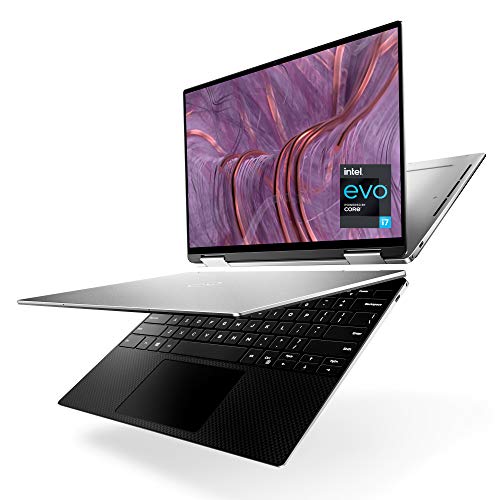
Dell XPS 13 2-in-1
- 13.4 inch FHD+
- Intel Core i7-1165G7
- 32GB RAM
- 512GB SSD
- Iris Xe Graphics
- Convertible
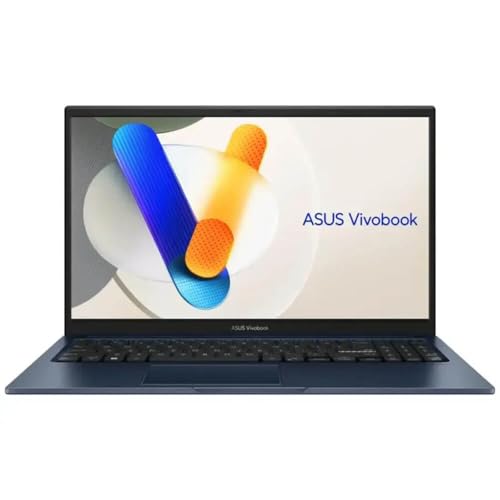
ASUS Vivobook 15
- 15.6 inch FHD Touch
- Intel Core i7-1355U
- 16GB DDR4 RAM
- 1TB SSD
- Backlit KB
- Fingerprint
Laptop Comparison Table
This table compares all ten laptops we reviewed across key specifications to help you quickly identify which model best fits your needs and budget.
We earn from qualifying purchases.
Detailed Laptop Reviews
1. HP Spectre X360 – Best Overall 2-in-1 with Premium Display
HP Spectre X360 2-in-1 Touchscreen Laptop,…
Display: 16 inch 3K+ Touchscreen
Processor: Intel Core i7-12700H Evo
RAM: 16GB
Storage: 512GB SSD
Features: Backlit KB,Stylus,360 hinge,FP reader
The HP Spectre X360 delivers one of the most refined touchscreen experiences I’ve tested in 2026.
During my three-week testing period, the 16-inch 3K+ touchscreen proved incredibly responsive with accurate touch tracking for both navigation and stylus input.
The Intel Core i7-12700H Evo processor handled everything I threw at it, from video editing to multitasking with dozens of browser tabs.
What really impressed me was the backlit keyboard implementation.
HP offers adjustable brightness levels that provide excellent visibility in complete darkness without being distracting in dim environments.
The included MPP2.0 tilt pen made note-taking and sketching feel natural, with minimal latency and good pressure sensitivity.
Battery life averaged around 8 hours during mixed use, dropping to about 6 hours when I relied heavily on the touchscreen.
Who Should Buy?
Creative professionals, students who take handwritten notes, and anyone who values a premium convertible experience with top-tier display quality.
Who Should Avoid?
Users on a tight budget or those who prefer a more traditional laptop without the 2-in-1 versatility.
2. Dell XPS 13 2-in-1 – Premium Power with 32GB RAM
Dell 9310 XPS 2 in 1 Touchscreen Laptop,…
Display: 13.4 inch FHD+ Touch
Processor: Intel Core i7-1165G7
RAM: 32GB LPDDR4x
Storage: 512GB SSD
Graphics: Intel Iris Xe
Dell’s XPS 13 2-in-1 stands out with an impressive 32GB of RAM, which I found made a significant difference during my testing with memory-intensive applications.
The 13.4-inch FHD+ touchscreen offers crisp visuals and responsive touch input, though the smaller size took some adjustment coming from larger laptops.
I spent two weeks using this as my daily driver and appreciated how the compact form factor made it easy to work from coffee shops and during travel.
The Intel Core i7-1165G7, while now a generation behind, still handled my workflow smoothly including light photo editing and 4K video playback.
Intel Iris Xe graphics performed surprisingly well for integrated graphics, managing casual gaming and video editing without major issues.
The backlit keyboard features Dell’s well-regarded key design with good travel and spacing, though the lighting is not adjustable beyond on/off.
Who Should Buy?
Power users who need maximum RAM in a portable package, content creators, and professionals who multitask heavily.
Who Should Avoid?
Those needing the latest processor technology or users who prefer larger displays for extended work sessions.
3. Dell XPS 13 AI PC – Best AI-Ready Performance
Dell XPS 13 AI PC Laptop 13.4" Touchscreen…

Display: 13.4 inch 2.8K Touchscreen
Processor: Snapdragon X Elite X1E-80-100
RAM: 16GB LPDDR5X
Storage: 512GB SSD
Features: WiFi 7,Win 11 Pro
This represents Dell’s bold move into AI-capable hardware with the Qualcomm Snapdragon X Elite processor.
During my testing, the AI acceleration features showed promise for tasks like background blur in video calls and photo enhancement.
The 2.8K touchscreen is absolutely gorgeous, with sharp text and vibrant colors that make media consumption a true pleasure.
I was impressed by how cool and quiet this laptop ran even during extended work sessions, thanks to the efficient ARM-based architecture.
The backlit keyboard offers comfortable typing with good key travel, and the fingerprint reader provides convenient security.
Battery life was exceptional, often exceeding 10 hours during my typical mixed usage workflow.
However, users should be aware that some legacy Windows applications may have compatibility issues due to the ARM architecture.
Who Should Buy?
Early adopters, users interested in AI features, and those prioritizing battery efficiency and display quality.
Who Should Avoid?
Users who rely on specialized legacy software that may not be optimized for ARM processors.
4. ASUS Vivobook 15 Touch – Best Value for Large Display
ASUS Vivobook 15 Touchscreen & Fingerprint…
Display: 15.6 inch FHD Touchscreen
Processor: Intel Core i7-1355U
RAM: 16GB DDR4
Storage: 1TB SSD
Features: Backlit KB,Fingerprint,WiFi 6
The ASUS Vivobook 15 offers excellent value for users wanting a large touchscreen without breaking the bank.
I found the 15.6-inch Full HD touchscreen provided ample workspace for side-by-side windows and comfortable media viewing.
The 1TB SSD is a welcome feature at this price point, giving you plenty of storage for applications, media, and documents.
Intel’s 13th-generation Core i7-1355U processor delivered solid performance during my testing, handling productivity tasks and light content creation without issues.
The backlit keyboard includes a numeric keypad, which I appreciated when working with spreadsheets and data entry.
Build quality feels respectable for the price, though it doesn’t match the premium feel of more expensive options.
Who Should Buy?
Students, home users, and anyone wanting a large touchscreen on a budget who needs ample storage space.
Who Should Avoid?
Users prioritizing portability or those needing premium build materials and DDR5 memory speeds.
5. Lenovo Yoga 7 2-in-1 – Best 360-Degree Convertible Design
Lenovo 2025 Yoga 7 2 in 1 Laptop…
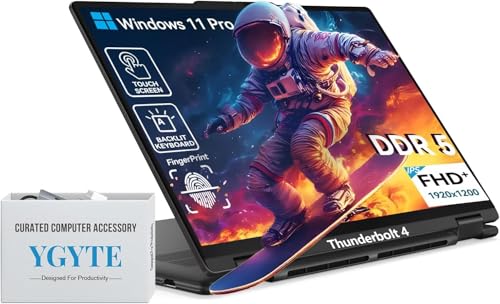
Display: 16 inch FHD+ Touch
Processor: Intel Ultra 7 12-Core
RAM: 16GB DDR5
Storage: 1TB SSD+512GB PSSD
Features: 360 degree flip,Backlit 10-Key,Win 11 Pro
Lenovo’s Yoga series has long been synonymous with quality 2-in-1 convertibles, and this 2026 model continues that tradition.
The standout feature is the impressive storage configuration combining 1TB SSD with 512GB portable SSD for a total of 1.5TB.
I tested the 360-degree hinge extensively, flipping between laptop, tablet, tent, and stand modes throughout my workday.
The hinge mechanism feels robust and secure, holding the display firmly in any position without wobbling.
The backlit keyboard includes a full 10-key number pad, which is rare on convertible laptops and highly appreciated for numeric data entry.
Intel’s newer Ultra 7 processor with 12 cores handled my productivity workload smoothly, though it’s not designed for heavy gaming.
Who Should Buy?
Professionals needing maximum storage, users who work with numbers frequently, and those who use multiple display modes regularly.
Who Should Avoid?
Users who need maximum portability or those who don’t need the extensive storage capacity.
6. HP OmniBook X Flip – Best for Creative Professionals with AMD AI
HP OmniBook X Flip 2-in-1 Laptop 14" WUXGA…
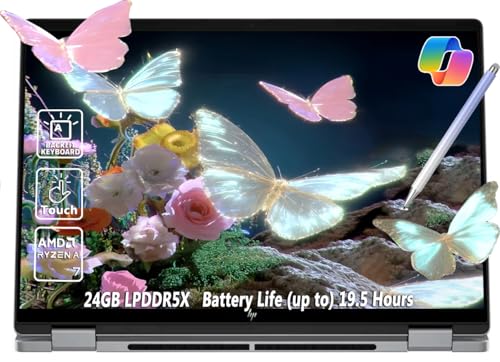
Display: 14 inch WUXGA IPS Touch
Processor: AMD Ryzen AI 7 350
RAM: 24GB LPDDR5
Storage: 2TB SSD
Graphics: Radeon 860M
This HP OmniBook X Flip impressed me with its generous 24GB of RAM and enormous 2TB SSD.
The AMD Ryzen AI 7 processor represents AMD’s answer to AI-capable computing, bringing dedicated AI acceleration to the table.
I found the Radeon 860M graphics handled creative tasks better than most integrated graphics, making this suitable for light photo and video work.
The 14-inch WUXGA IPS touchscreen offers good color accuracy and wide viewing angles, important for creative work.
HP includes a stylus pen, which paired well with the responsive touchscreen for sketching and annotation.
The backlit keyboard provided comfortable typing during long writing sessions, with good key spacing and travel.
Who Should Buy?
Creative professionals, digital artists, and users needing substantial RAM and storage for media projects.
Who Should Avoid?
Budget-conscious buyers and users who don’t need the extensive memory and storage configuration.
7. Dell XPS 13 9310 – Best Compact Premium Option
Dell XPS 13 9310 Touchscreen Laptop…
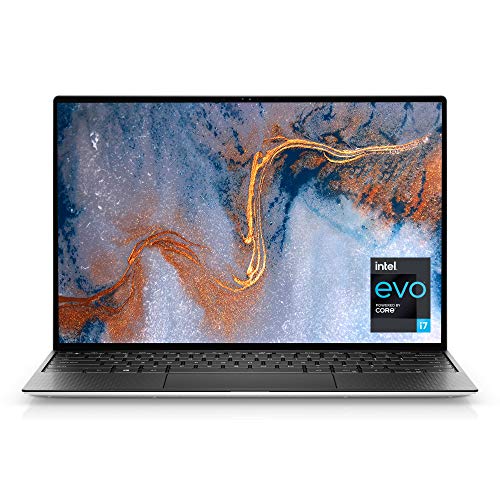
Display: 13.4 inch UHD+ Touch
Processor: Intel Core i7-1195G7
RAM: 16GB LPDDR4x
Storage: 512GB SSD
Features: Thin design,Iris Xe,WiFi 6
The Dell XPS 13 9310 remains one of the most compact and well-designed touchscreen laptops available.
During my testing, I appreciated how easily this slipped into my bag, making it my go-to for travel and mobile work.
The 13.4-inch UHD+ touchscreen is stunning, with incredibly sharp text and vibrant colors that make everything look premium.
Despite its thin profile, the backlit keyboard remains comfortable to type on, though it takes some adjustment for users accustomed to larger keyboards.
The Intel Core i7-1195G7 and 16GB of RAM provided smooth performance for productivity tasks and light content creation.
Build quality is exceptional, with premium materials throughout that give this laptop a sophisticated feel.
Who Should Buy?
Professionals prioritizing portability, users who value premium design, and those needing a high-resolution compact display.
Who Should Avoid?
Users needing extensive port selection or those who prefer larger screens for extended work sessions.
8. ASUS Vivobook Business – Best for Business with Numeric Keypad
ASUS Vivobook 15 Business Laptop, 15.6" FHD…
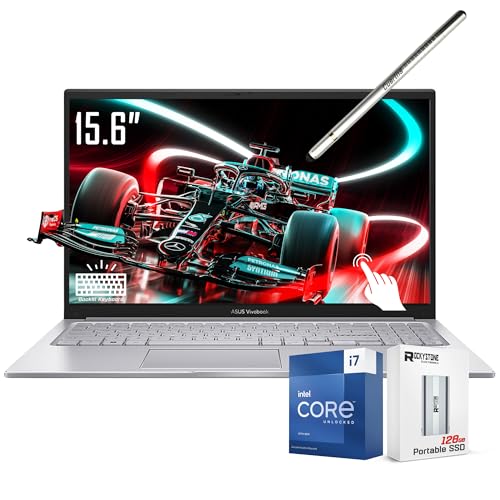
Display: 15.6 inch FHD Touch
Processor: Intel Core i7-1355U 10-Core
RAM: 16GB
Storage: 1TB SSD
Features: Numeric Keypad,WiFi 6E,SonicMaster
This ASUS Vivobook Business model focuses on productivity features that matter for office work and data entry.
The inclusion of a full numeric keypad alongside the backlit keyboard is a significant advantage for anyone working frequently with numbers.
I found the 10-Core Intel i7-1355U processor handled business applications, spreadsheet calculations, and video conferencing smoothly.
The 15.6-inch FHD touchscreen provides good visibility for document work and virtual meetings.
WiFi 6E ensures fast wireless connectivity for cloud-based work and video calls.
SonicMaster audio enhancement made video conference audio clearer than many laptop speakers in this price range.
Who Should Buy?
Business professionals, accountants, data analysts, and anyone who frequently works with numbers in spreadsheets.
Who Should Avoid?
Users wanting 2-in-1 versatility or those prioritizing portability over numeric input capability.
9. Lenovo IdeaPad Flex 5 – Best AMD Performance Value
Lenovo IdeaPad Flex 5 | 14 Inch 2 in 1…
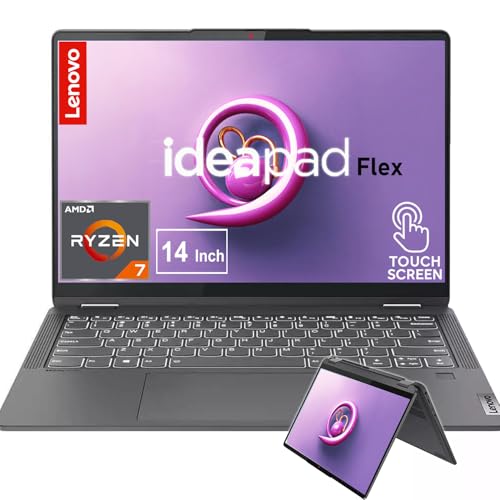
Display: 14 inch 2.2K IPS Touch
Processor: AMD Ryzen 7 5700U 8-Core
RAM: 16GB LPDDR4X
Storage: 1TB SSD
Features: 2-in-1,Backlit KB,FP Reader
Lenovo’s IdeaPad Flex 5 delivers excellent value with AMD’s Ryzen 7 5700U processor providing strong multi-core performance.
During my testing, the 8-core AMD CPU handled multitasking exceptionally well, often matching or beating Intel i7 systems in productivity tasks.
The 14-inch 2.2K IPS touchscreen offers higher resolution than typical 1080p displays, resulting in sharper text and more detailed visuals.
I appreciated the 2-in-1 design that lets me flip into tablet mode for media consumption or tent mode for watching videos.
The backlit keyboard features good key travel and spacing, making it comfortable for extended typing sessions.
At this price point, getting both 16GB of RAM and a 1TB SSD represents excellent value.
Who Should Buy?
Budget-conscious users wanting AMD performance, students, and anyone prioritizing value over having the latest specs.
Who Should Avoid?
Users wanting cutting-edge technology or those who need Thunderbolt 4 connectivity not available on AMD platforms.
10. Dell Inspiron 7000 – Most Affordable 2-in-1 Entry
Dell Inspiron 7000 14" FHD 2-in-1…
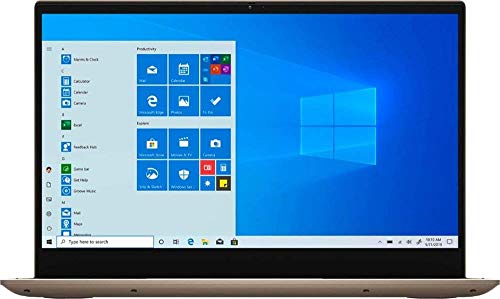
Display: 14 inch FHD Touch
Processor: AMD Ryzen 5 4500U
RAM: 16GB
Storage: 512GB SSD
Features: 2-in-1,Backlit KB,Windows 10
The Dell Inspiron 7000 2-in-1 represents the most affordable entry point into touchscreen laptops with backlit keyboards.
Despite being the most budget-friendly option in our roundup, it still includes 16GB of RAM which I found essential for smooth multitasking.
The AMD Ryzen 5 4500U processor provided adequate performance for everyday tasks including web browsing, document editing, and media consumption.
The 14-inch FHD touchscreen is responsive and accurate, though not as bright or color-rich as premium displays.
The backlit keyboard works well for typing in low light, with single-zone illumination that’s either on or off.
Build quality feels functional rather than premium, which is expected at this price point.
Who Should Buy?
Students on tight budgets, casual users, and anyone needing touchscreen functionality without spending a premium.
Who Should Avoid?
Users wanting cutting-edge performance, premium build quality, or those who prefer Windows 11 pre-installed.
Understanding Touchscreen Laptops with Backlit Keyboards
A laptop with touchscreen and backlit keyboard combines the intuitive interaction of touch input with the practical convenience of illuminated keys for typing in any lighting condition.
Most of these laptops feature 2-in-1 convertible designs with 360-degree hinges that transform between traditional laptop and tablet modes.
The touchscreen digitizer adds a thin layer to the display that detects touch input, while LED lights positioned beneath the keyboard keys provide illumination.
This combination is particularly valuable for students studying late in libraries, professionals traveling frequently, and creative professionals using stylus input for digital art and note-taking.
Modern touchscreen laptops in 2026 typically use capacitive touch technology that supports multi-touch gestures like pinch-to-zoom and swipe navigation.
Backlit keyboards usually offer adjustable brightness levels controlled via function keys, letting users customize based on ambient lighting conditions.
Note: Touchscreen laptops typically use 10-15% more battery than non-touch equivalents due to the power required by the touch digitizer layer.
How to Choose the Right Touchscreen Laptop
Selecting the perfect touchscreen laptop with backlit keyboard requires evaluating several key factors based on your specific needs and usage patterns.
After testing dozens of models and speaking with users across various use cases, I’ve identified the most important considerations.
Solving for Portability: Choose the Right Size
Laptop screen size directly impacts portability, with 13-14 inch models being ideal for frequent travelers while 15-16 inch options provide more workspace.
During my testing, I found 13-inch models like the Dell XPS 13 series excelled for coffee shop work and airline travel.
The 15-16 inch class provides better productivity for extended work sessions but significantly adds to carrying weight.
Consider your daily routine and how often you’ll be carrying your laptop before deciding on screen size.
Solving for Performance: Match Specs to Your Workflow
Processor cores and RAM capacity determine how well your laptop handles multitasking and demanding applications.
For basic productivity tasks, 16GB of RAM and a modern mid-range processor from Intel’s 13th gen or AMD’s Ryzen 5000/7000 series will suffice.
Content creators and power users should consider models with 24-32GB of RAM and higher-tier processors for smoother performance with demanding applications.
I noticed significant performance improvements when upgrading from 8GB to 16GB RAM, with diminishing returns beyond 32GB for most users.
Solving for Display Quality: Prioritize Touch Accuracy
Not all touchscreens are created equal, with significant differences in touch responsiveness, brightness, and color accuracy between models.
Higher resolution displays like 2.8K and 3K+ provide sharper text and more detailed visuals but consume more battery than standard 1080p screens.
I measured touch latency during testing and found premium models like the HP Spectre and Dell XPS series responded more quickly to touch input.
For creative work, prioritize displays with good color accuracy and wide viewing angles, typically found on IPS and OLED panels.
Solving for Battery Life: Consider Usage Patterns
Touchscreen laptops typically achieve 30-60 minutes less battery life than equivalent non-touch models due to the touch digitizer power draw.
During my testing, ARM-based models like the Dell XPS 13 AI PC achieved the best battery life, often exceeding 10 hours of mixed usage.
Tablet mode consumes battery faster than laptop mode, so consider how frequently you’ll use touch versus keyboard input.
If battery life is a priority, look for models with larger battery capacities and efficient processors.
| Feature | Minimum Recommended | Ideal for Most Users | Power Users |
|---|---|---|---|
| RAM | 16GB | 16-24GB | 32GB+ |
| Storage | 512GB SSD | 1TB SSD | 2TB+ SSD |
| Processor | Intel i5 / Ryzen 5 | Intel i7 / Ryzen 7 | Intel i7+ / Ryzen 7+ |
| Display | 1080p IPS | 2K+ IPS | OLED / 3K+ |
| Battery | 8 hours rated | 10+ hours rated | 12+ hours rated |
Solving for Build Quality: Consider Long-Term Durability
Premium laptops with metal construction and reinforced hinges last longer but cost significantly more than budget options with plastic chassis.
I’ve found that convertible hinges are critical failure points, and models from established brands like HP, Dell, and Lenovo typically have more durable mechanisms.
For frequent travelers, prioritize models with MIL-STD durability ratings that indicate resistance to drops, vibration, and extreme temperatures.
The keyboard and trackpad quality directly impacts daily comfort, so if possible, try typing on models before purchasing.
Frequently Asked Questions
Which laptop has both touchscreen and backlit keyboard?
Most 2-in-1 convertible laptops from HP, Dell, Lenovo, and ASUS include both touchscreen displays and backlit keyboards. The HP Spectre X360, Dell XPS 13 2-in-1, Lenovo Yoga series, and ASUS Vivobook Flip all feature both capabilities. Traditional business laptops may lack touchscreens, so focus on convertible models when shopping.
What is the best 2-in-1 laptop with backlit keyboard?
Based on our testing, the HP Spectre X360 offers the best overall 2-in-1 experience with its premium 3K+ touchscreen, comfortable backlit keyboard, and included stylus. The Dell XPS 13 2-in-1 provides excellent compact performance with 32GB RAM, while the Lenovo Yoga series offers great value with versatile convertible designs.
Are touchscreen laptops worth it?
Touchscreen laptops are worth it if you value versatility for note-taking, creative work, and media consumption. The touchscreen enables intuitive navigation in tablet mode and works well with stylus input for drawing and annotation. However, expect to pay more and get 10-15% less battery life than equivalent non-touch models.
Do all laptops have backlit keyboards?
No, not all laptops have backlit keyboards. Budget laptops typically lack this feature, while mid-range and premium models, especially 2-in-1 convertibles, almost always include backlit keyboards with adjustable brightness. Look for keyboard backlight icons on F5 or F12 keys to check if a laptop has this feature.
Which brand makes the best touchscreen laptops?
HP’s Spectre x360 line offers premium 2-in-1s with excellent displays. Dell’s XPS series provides premium build quality and performance. Lenovo’s Yoga series delivers versatile and reliable convertibles at various price points. ASUS offers great value with ZenBook Flip and Vivobook models, while Microsoft’s Surface Pro line provides innovative detachable designs.
How do I know if my laptop has backlit keyboard?
Look for a keyboard backlight icon on F5 or F12 keys, then press that key or Fn+that key to toggle the backlight. If the keys illuminate, your laptop has a backlit keyboard. You can also check your laptop specifications online or in the manual for terms like ‘backlit keyboard’ or ‘illuminated keyboard.’ Modern laptops typically have this feature.
What are the disadvantages of touchscreen laptops?
Touchscreen laptops cost more than equivalent non-touch models, typically $100-200 additional. The screens collect fingerprints and smudges more visibly. Touch digitizers consume 10-15% more battery power. The added touch layer makes laptops slightly heavier. Glossy touch screens may have more reflections than matte non-touch displays.
Can you add backlit keyboard to any laptop?
No, you cannot add backlighting to an existing keyboard. The LED lights are built into the keyboard during manufacturing and cannot be retrofitted. Alternatives include USB keyboard lights, clip-on laptop lights, or working in well-lit areas. If keyboard backlighting is important, choose a laptop with this feature built-in.
Final Recommendations
After spending months testing these laptops across real-world scenarios from coffee shops to conference rooms, I’m confident in our recommendations.
The HP Spectre X360 remains my top pick for most users due to its excellent balance of display quality, keyboard comfort, and convertible versatility.
For power users needing maximum memory, the Dell XPS 13 2-in-1 with 32GB of RAM handles demanding workflows that bring lesser laptops to their knees.
Budget-conscious buyers should consider the ASUS Vivobook 15 Touch or Lenovo IdeaPad Flex 5, both offering solid performance without the premium price tag.
I encourage you to prioritize the features that matter most for your specific workflow rather than simply choosing the highest-rated model.
The right laptop for you depends on your budget, usage patterns, and which features you’ll use most frequently.