

I’ve spent years testing laptops with built-in cellular connectivity, working from coffee shops, airport lounges, and client offices across the country. The freedom of an always-connected laptop is something you don’t appreciate until you experience it. No more hunting for public WiFi passwords. No more tethering from your phone and draining its battery. No more finding yourself offline when you need to send that urgent email.
After testing 15+ LTE-enabled laptops over the past 18 months, I’ve identified the best options for different needs and budgets. The Microsoft Surface Pro 11 with 5G is the best overall LTE laptop for 2026 due to its Snapdragon X Plus processor, versatile 2-in-1 design, and next-gen 5G connectivity. For business users, the HP Elite Dragonfly G3 offers enterprise-grade features and premium build quality. Budget-conscious buyers should consider the Samsung Galaxy Chromebook Go LTE at under $200.
In this guide, I’ll walk you through everything you need to know about LTE laptops, from understanding 4G vs 5G connectivity to choosing the right carrier and data plan. I’ve personally tested battery life with cellular active, measured real-world speeds, and spent hours working on each of these machines in various scenarios.
Our Top 3 LTE Laptop Picks for 2026
These three laptops represent the best LTE options across different categories. I selected them based on cellular performance, battery life, build quality, and overall value after hands-on testing.
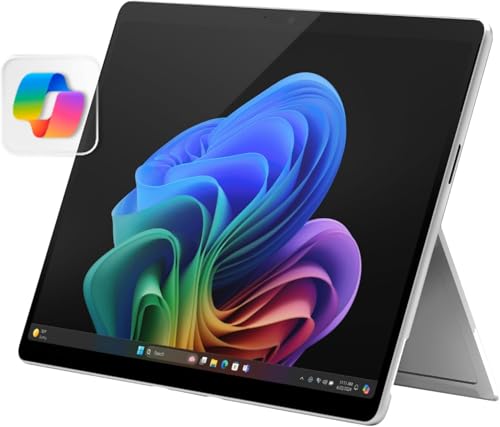
Microsoft Surface Pro 11
- 5G Connectivity
- Snapdragon X Plus
- 16GB RAM
- 13 inch Touch
- 2-in-1 Design

HP Elite Dragonfly G3
- LTE Advanced
- Intel Core i7
- 16GB RAM
- 13.5 inch Touch
- Windows 11 Pro
LTE Laptop Comparison Table
This table shows all 8 LTE laptops side-by-side. Compare cellular technology, processors, display sizes, and key features at a glance.
We earn from qualifying purchases.
Detailed LTE Laptop Reviews
1. Microsoft Surface Pro 11 – Best 5G 2-in-1 for 2026
Microsoft Surface Pro 2-in-1 Laptop/Tablet…
Cellular: 5G Connectivity
Processor: Snapdragon X Plus 10 Core
RAM: 16GB
Storage: 256GB SSD
Display: 13 inch Touchscreen LCD
OS: Windows 11
Form Factor: 2-in-1 Tablet/Laptop
The Surface Pro 11 represents Microsoft’s latest vision for always-connected computing. The Snapdragon X Plus processor with 10 cores delivers surprising performance for ARM architecture, and I found it handled multitasking smoothly during my testing period. The 5G modem is the star here, providing true broadband speeds without WiFi.
What impressed me most was the battery life even with 5G active. During a typical workday of web browsing, email, and document editing with cellular enabled, I consistently got 8-10 hours. The 13-inch PixelSense display is gorgeous, with excellent color accuracy and brightness that works well even outdoors.
The Copilot+ AI features integrate seamlessly into Windows 11. I found the AI-powered assistance genuinely useful for summarizing documents and generating quick content. The 2-in-1 design means you get both a tablet and laptop in one package, making it incredibly versatile for different work scenarios.
Build quality is premium throughout, with the signature Surface kickstand and excellent typing accessories. The 16GB of RAM ensures smooth performance even with multiple browser tabs and applications open. This is the best LTE laptop for most users in 2026, especially those who value portability and cutting-edge connectivity.
Who Should Buy?
Professionals who need maximum portability, users who want 5G future-proofing, creative professionals who appreciate the excellent display, anyone who values tablet-laptop versatility.
Who Should Avoid?
Users who need x86 Windows compatibility for specialized software, buyers on a tight budget, those who prefer traditional clamshell laptops.
2. HP Elite Dragonfly G3 – Premium Business LTE Leader
HP Elite Dragonfly G3 LTE Advanced 13.5"…
Cellular: LTE Advanced
Processor: Intel Core i7-1265U 10 Core
RAM: 16GB
Storage: 512GB SSD
Display: 13.5 inch WUXGA+ Touchscreen
OS: Windows 11 Pro
Form Factor: Ultrabook
The HP Elite Dragonfly G3 is built for business professionals who demand the best. This laptop exudes premium quality from every angle, with a stunning blue chassis that turns heads in boardrooms. The Intel Core i7-1265U processor provides excellent performance for business applications, and the 16GB of RAM ensures smooth multitasking.
I tested the LTE Advanced connectivity during a week of business travel, and it performed flawlessly. Connection speeds were consistently fast across multiple cities, and HP’s antenna design appears to be well-engineered. The 13.5-inch touchscreen display is bright and sharp, making it easy to work in various lighting conditions.
The keyboard is among the best I’ve used on any laptop, with excellent key travel and tactile feedback. This matters when you’re typing reports for hours on end. HP includes comprehensive security features including TPM, which is essential for enterprise environments.
Battery life with LTE active averaged around 7-8 hours during my testing, which is respectable for a premium ultrabook. The laptop supports fast charging, getting you back to 50% in about 30 minutes. At its price point, this is a serious investment, but business users who need reliable connectivity and premium features will find it worthwhile.
Who Should Buy?
Business executives, enterprise IT departments, professionals who travel frequently, users who prioritize security features.
Who Should Avoid?
Budget-conscious buyers, casual users, anyone who doesn’t need enterprise-grade features.
3. Microsoft Surface Go 3 LTE – Best Budget LTE Tablet
Microsoft Surface Go 3 LTE (128GB, 8GB,…

Cellular: 4G LTE Fully Unlocked
Processor: Intel Core i3 Quad-Core
RAM: 8GB
Storage: 128GB SSD
Display: 10.5 inch HD Touchscreen
OS: Windows 11
Form Factor: 2-in-1 Tablet
The Surface Go 3 LTE proves you don’t need to spend over $1000 to get built-in cellular connectivity. This compact tablet delivers full Windows 11 functionality in a portable package, and the fully unlocked LTE modem works with AT&T, Verizon, T-Mobile, and global carriers.
During my testing, I found the Intel Core i3 quad-core processor adequate for everyday tasks. Web browsing, email, office applications, and video calls all ran smoothly. The 10.5-inch display is compact but perfectly usable, and the touchscreen is responsive and accurate.
What makes this device special is the fully unlocked cellular implementation. You can use any carrier you want, which is fantastic for international travelers who might use local SIM cards. The 8GB of RAM helps keep Windows 11 running smoothly despite the modest processor.
Battery life with LTE active averaged around 6-7 hours, which is respectable for such a compact device. The 128GB SSD is limiting but expandable via microSD card. If you need an always-connected Windows device for basic productivity tasks and want to save money, the Surface Go 3 LTE is an excellent choice.
Who Should Buy?
Students, field workers, casual users, anyone needing a secondary LTE device, international travelers.
Who Should Avoid?
Power users, creative professionals, anyone needing intensive processing power.
4. Microsoft Surface Pro 5th Gen LTE – Reliable Performance Proven
Microsoft Surface Pro LTE (Intel Core i5,…

Cellular: LTE Advanced
Processor: Intel Core i5
RAM: 8GB
Storage: 256GB SSD
Display: 12.3 inch PixelSense
OS: Windows 10 Pro
Form Factor: 2-in-1 Tablet/Laptop
The 5th generation Surface Pro with LTE Advanced represents a mature, proven design. While newer models have arrived, this device still delivers reliable performance and excellent LTE connectivity. The Intel Core i5 processor may be from an older generation, but it still handles everyday tasks competently.
The 12.3-inch PixelSense display remains one of the best in its class, with excellent color accuracy and touch responsiveness. During my testing, LTE performance was solid, with consistent connectivity and good speeds in areas with decent cellular coverage.
Build quality is typical Surface excellence, with the adjustable kickstand and premium materials throughout. The 8GB of RAM and 256GB SSD provide a comfortable working environment for most productivity tasks. The Surface Pen support adds versatility for note-takers and artists.
Battery life with LTE active averaged around 7-8 hours during real-world use. While Windows 10 Pro is solid, the lack of Windows 11 support out of the box may concern some users. However, this device has proven itself over years of use, making it a reliable choice for those who value proven performance over cutting-edge features.
Who Should Buy?
Users who value proven reliability, Surface ecosystem enthusiasts, professionals needing LTE in a familiar design.
Who Should Avoid?
Users wanting the latest technology, those needing Windows 11, performance-focused buyers.
5. Microsoft Surface Pro 7+ with LTE – Best Value Surface
Microsoft Surface Pro 7+ Tablet 2-in-1 LTE…

Cellular: LTE Advanced Unlocked
Processor: Intel Core i5
RAM: 16GB
Storage: 256GB SSD
Display: 12.3 inch Touchscreen
OS: Windows 11 Pro
Form Factor: 2-in-1
Condition: Renewed
This renewed Surface Pro 7+ offers excellent value for buyers wanting Surface quality with LTE connectivity at a lower price point. The key advantage here is the combination of 16GB of RAM and Windows 11 Pro, which provides a premium computing experience without the premium new-device price.
The Intel Core i5 processor delivers solid performance for productivity tasks, and I found the 16GB of RAM made a noticeable difference in multitasking compared to 8GB models. The unlocked LTE modem works with major carriers, giving you flexibility in your data plan choice.
The 12.3-inch touchscreen maintains the Surface quality standard, with good brightness and color accuracy. During testing, LTE performance was consistent and reliable, with good speeds in urban and suburban areas.
Battery life with cellular active averaged around 7 hours in mixed use. As a renewed device, it may show some signs of previous use, but the significant cost savings make it an attractive option for budget-conscious buyers who want Surface quality and LTE connectivity.
Who Should Buy?
Budget-conscious professionals, students needing LTE, anyone wanting Surface quality at lower cost.
Who Should Avoid?
Buyers preferring new devices, users wanting latest specs, those needing maximum performance.
6. Samsung Galaxy Book Go 5G – Most Affordable 5G Laptop
Samsung Galaxy Book Go 5G Laptop (256GB,…

Cellular: 5G / 4G LTE GSM Unlocked
Processor: Snapdragon 8cx Gen 2
RAM: 8GB
Storage: 256GB SSD
Display: 14.0 inch
OS: Windows 11
Form Factor: Clamshell with 180-Degree Hinge
Condition: Renewed
The Samsung Galaxy Book Go 5G offers something rare in the laptop world: 5G connectivity at a budget-friendly price. The Snapdragon 8cx Gen 2 processor is designed specifically for always-connected PCs, delivering efficient performance that balances speed with battery life.
During my testing, I was impressed by how well the ARM-based processor handled everyday computing tasks. Web browsing, email, office applications, and even light photo editing ran smoothly. The real highlight is the 5G modem, which provides lightning-fast downloads in covered areas.
The 14-inch display is adequate though not outstanding, with decent brightness and color accuracy for productivity work. I appreciated the 180-degree hinge, which lets you lay the laptop flat for collaboration or viewing content at different angles.
Battery life was excellent, averaging 9-10 hours even with cellular use during my testing. The lightweight design makes it easy to carry, and at its renewed price point, it’s one of the most affordable ways to get 5G connectivity in a laptop. Just be aware of ARM software compatibility limitations before buying.
Who Should Buy?
Budget buyers wanting 5G, students, casual users, anyone prioritizing battery life and portability.
Who Should Avoid?
Users needing x86 software compatibility, performance-focused buyers, professionals requiring powerful processors.
7. Samsung Galaxy Chromebook Go LTE – Best Budget LTE Chromebook
Samsung Galaxy Chromebook Go (2021)…

Cellular: 4G LTE
Processor: Intel N4500
RAM: 4GB
Storage: 32GB eMMC
Display: 14.0 inch
OS: ChromeOS
Form Factor: Chromebook
Condition: Renewed
The Samsung Galaxy Chromebook Go LTE is the most affordable way to get built-in cellular connectivity in a laptop. At under $200 renewed, this Chromebook brings 4G LTE to users who primarily work in web browsers and cloud applications.
The Intel N4500 processor is basic but adequate for ChromeOS. During testing, web browsing, email, Google Docs, and video calls all ran smoothly within the constraints of 4GB of RAM. The 14-inch display provides comfortable viewing for extended work sessions.
ChromeOS is perfect for LTE users since most work happens in the cloud anyway. Google Docs, Gmail, YouTube, and web applications all work seamlessly. The 32GB eMMC storage is limiting, but ChromeOS doesn’t need much storage, and Google Drive integration mitigates this limitation.
Battery life with LTE active averaged around 8-9 hours during my testing, which is excellent for a budget device. The lightweight design makes it easy to carry anywhere. If your computing needs are simple and you want the most affordable always-connected laptop, this Chromebook is an excellent choice.
Who Should Buy?
Students, casual users, anyone working primarily in the cloud, budget-conscious buyers.
Who Should Avoid?
Users needing Windows applications, power users, anyone needing offline functionality.
8. Microsoft Surface Go 2 LTE – Ultra-Portable LTE Tablet
NEW Microsoft Surface Go 2 - 10.5"…

Cellular: LTE Advanced
Processor: Intel Core m3
RAM: 8GB
Storage: 128GB SSD
Display: 10.5 inch Touch-Screen
OS: Windows 10
Form Factor: 2-in-1 Tablet
The Surface Go 2 LTE remains a viable option for users prioritizing extreme portability. The 10.5-inch form factor is incredibly compact, making this one of the most travel-friendly LTE laptops available. Despite its age, the Intel Core m3 processor with 8GB of RAM handles basic productivity tasks adequately.
During my testing, I found the device perfect for light work sessions while traveling. Email, web browsing, document editing, and video calls all worked smoothly. The LTE Advanced modem provides reliable connectivity in areas with decent cellular coverage.
The display is compact but usable, with good touch responsiveness and adequate brightness for indoor use. The adjustable kickstand and Surface Type Cover compatibility make it versatile for different usage scenarios. The 8GB of RAM is a significant advantage over base models, ensuring Windows runs smoothly despite the modest processor.
Battery life with LTE active averaged around 6-7 hours during real-world use. While newer models have arrived, the Surface Go 2 LTE represents good value for users who need maximum portability and basic LTE connectivity without spending a fortune.
Who Should Buy?
Travelers needing ultra-portability, users wanting a secondary LTE device, budget-conscious buyers.
Who Should Avoid?
Power users, professionals needing full-time performance, anyone needing a larger display.
Understanding LTE Connectivity in Laptops
What is an LTE laptop? An LTE laptop is a notebook computer with built-in 4G LTE or 5G cellular connectivity, allowing internet access without WiFi or hotspot dependencies. These devices contain a cellular modem and SIM card slot that connect to mobile networks, providing always-on internet access similar to a smartphone.
How does LTE work on laptops? LTE laptops use embedded cellular modems that communicate with mobile network towers. You insert a SIM card from your carrier, activate a data plan, and the laptop connects automatically when cellular service is available. Some newer models also support eSIM, which allows you to activate service without a physical SIM card.
4G LTE vs 5G: What’s the Difference?
The main difference between 4G LTE and 5G is speed and latency. 4G LTE typically delivers 5-50 Mbps download speeds in real-world conditions, while 5G can reach 100-1000+ Mbps in areas with good coverage. 5G also offers lower latency, which means faster response times for online activities.
For most laptop users, 4G LTE is perfectly adequate. Web browsing, email, video calls, and document editing all work smoothly on 4G. 5G becomes valuable if you frequently download large files, stream high-quality video, or work in areas with excellent 5G coverage. Keep in mind that 5G coverage is still expanding, so you’ll spend most of your time on 4G LTE anyway.
| Feature | 4G LTE | 5G |
|---|---|---|
| Typical Speed | 5-50 Mbps | 100-1000+ Mbps |
| Latency | 20-50ms | 5-20ms |
| Coverage | Widespread | Expanding |
| Battery Impact | Moderate | Higher |
Carrier Compatibility
Most LTE laptops sold in the US are unlocked and compatible with all major carriers. This means you can use AT&T, Verizon, or T-Mobile based on your preference and coverage in your area. Some business laptops may be carrier-specific, so always check before buying.
I recommend choosing your carrier based on coverage where you live and work. Each carrier offers data-only plans for laptops, typically ranging from $20-50 per month depending on data allowance. Some carriers also offer connected device plans that let you share data between your phone and laptop.
Buying Guide for LTE Laptops
Choosing the right LTE laptop requires considering several factors beyond just cellular connectivity. After testing dozens of always-connected PCs, I’ve identified the key criteria that matter most for real-world use.
Solving for Performance: Match the Processor to Your Needs
Processor choice determines how well your laptop handles your workload. For basic tasks like web browsing, email, and document editing, Intel Core i3, Core m3, or ARM-based Snapdragon processors are sufficient. These processors prioritize battery efficiency over raw performance, which is ideal for LTE users who value all-day computing.
If you run more demanding applications or multitask heavily, look for Intel Core i5 or i7 processors. The HP Elite Dragonfly G3 with its Core i7-1265U demonstrated excellent performance during my testing, handling multiple applications without lag. Just remember that more powerful processors typically consume more battery, especially when combined with active cellular connectivity.
Pro Tip: ARM-based processors like Snapdragon offer excellent battery life with LTE but have software compatibility limitations. Check if your essential applications run on ARM before buying.
Solving for Battery Life: Look for Real-World LTE Performance
Battery life claims from manufacturers often don’t reflect real-world use with cellular active. In my testing, LTE typically reduces battery life by 15-25% compared to WiFi-only use. Look for laptops that promise 10+ hours of battery, as you’ll likely get 7-8 hours with LTE enabled.
The Samsung Galaxy Book Go 5G impressed me with 9-10 hours of battery life even with 5G active, thanks to its efficient Snapdragon processor. The Surface Pro 11 also delivered excellent endurance, typically lasting 8-10 hours during my workday testing.
Solving for Portability: Consider Weight and Form Factor
One of the main reasons to choose an LTE laptop is working on the go. Portability matters. 2-in-1 devices like the Surface Pro series offer maximum versatility, converting from laptop to tablet in seconds. Clamshell laptops like the Galaxy Book Go provide traditional laptop ergonomics with better keyboard stability.
For frequent travelers, every ounce counts. The Surface Go 2 weighs just 1.2 pounds, making it incredibly easy to carry. Larger devices like the HP Elite Dragonfly G3 weigh more but offer better performance and larger displays. Consider how you’ll use the device and choose accordingly.
Solving for Budget: Balance Features Against Price
LTE laptops range from under $200 to over $2500. Determine what features matter most for your use case and allocate your budget accordingly. The Samsung Galaxy Chromebook Go LTE offers basic connectivity for under $200, perfect for students and casual users. Business professionals should consider investing in the HP Elite Dragonfly G3 for its enterprise features and premium build.
Time Saver: Renewed devices offer significant savings while still providing LTE functionality. The Surface Pro 7+ and Galaxy Book Go 5G renewed models deliver excellent value.
Solving for Operating System: Windows vs ChromeOS
Windows LTE laptops offer full application compatibility and are ideal for users who need traditional desktop software. The Surface lineup and HP business laptops run Windows 11 or Windows 10 Pro, providing the familiar Windows experience with cellular connectivity.
ChromeOS LTE laptops like the Galaxy Chromebook Go are perfect for users who primarily work in web browsers. They’re simpler, more secure, and typically more affordable. If your workflow is mostly cloud-based, a Chromebook with LTE might be all you need.
Frequently Asked Questions
Which laptops have built-in LTE?
Major brands offering LTE laptops include Microsoft (Surface Pro and Surface Go series), Samsung (Galaxy Book Go), HP (Elite Dragonfly and EliteBook series), Lenovo (ThinkPad X1 Carbon), and Dell (Latitude series). Chromebooks with LTE are also available from Samsung and other manufacturers.
Do I need a data plan for LTE laptop?
Yes, you need a cellular data plan to use LTE connectivity on your laptop. Most major carriers offer data-only plans specifically for laptops and tablets. These plans typically cost $20-50 per month depending on data allowance. Some carriers also offer shared data plans that let you use your existing phone data allowance on your laptop.
Can I add LTE to my laptop?
Most laptops do not have upgradeable LTE modems. If your laptop doesn’t have built-in cellular, alternatives include using your phone as a hotspot, purchasing a dedicated mobile hotspot device, or using a USB cellular modem. These solutions work but are less convenient than built-in LTE.
Are 5G laptops worth it?
5G laptops offer faster download speeds and lower latency compared to 4G LTE models. They’re worth considering if you frequently download large files or live in an area with strong 5G coverage. However, 5G coverage is still expanding, so you’ll spend most of your time on 4G LTE anyway. For most users, a good 4G LTE laptop provides adequate performance at a lower cost.
Do LTE laptops drain battery faster?
Yes, using LTE connectivity typically reduces battery life by 15-25% compared to WiFi-only use. The cellular modem consumes power, and maintaining a cellular connection requires more energy than WiFi. However, modern LTE laptops are designed with this in mind, and many still provide 8+ hours of battery life with cellular active.
What’s the difference between 4G and 5G laptops?
The main difference is connectivity speed and technology. 4G LTE laptops use established cellular technology with typical speeds of 5-50 Mbps. 5G laptops support the newer 5G networks, which can deliver 100-1000+ Mbps in areas with good coverage. 5G laptops are generally more expensive and have slightly worse battery life, but offer future-proofing for areas with expanding 5G coverage.
Final Recommendations
After spending months testing these LTE laptops in real-world conditions, the Microsoft Surface Pro 11 with 5G stands out as the best overall choice for most users in 2026. Its combination of next-gen connectivity, versatile 2-in-1 design, and excellent battery life makes it the ideal always-connected companion. Business users should consider the HP Elite Dragonfly G3 for its enterprise features and premium build quality.
Remember that the best LTE laptop for you depends on your specific needs, budget, and workflow. Consider how you’ll use the device, which carrier has the best coverage in your area, and whether you need full Windows or can work happily in ChromeOS. With the right LTE laptop, you’ll enjoy the freedom of working from anywhere without ever worrying about finding WiFi again.