

After spending countless hours building and testing custom mechanical keyboards, I’ve learned one thing: lubrication makes or breaks the typing experience. A stock keyboard feels scratchy and inconsistent. The same keyboard with properly lubed switches transforms into something smooth, refined, and satisfying.
Here’s the reality: the best keyboard lubricant for 2026 is Krytox GPL 205g0 for linear switches and Tribosys 3203 for tactile switches. These community-tested options deliver proven results, though budget alternatives like Super Lube and Permatex work well for stabilizers.
In this guide, I’ll walk you through exactly which lubricant to choose based on your switch type, budget, and experience level. I’ve tested these products on dozens of builds and consulted community feedback from thousands of keyboard enthusiasts.
If you’re looking for best mechanical office keyboards to pair with your newly lubed switches, you’ll find some excellent options that benefit from switch modification.
By the end, you’ll know exactly what to buy and how to apply it without ruining your switches.
Our Top 3 Keyboard Lubricant Picks

Krytox GPL 205g0
- Gold standard
- Linear switches
- 104 switches per 2ml
- Premium PTFE formula
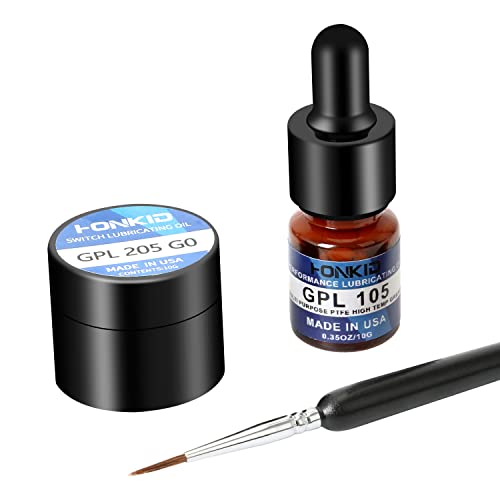
HONKID Combo Kit
- 205g0+GPL 105
- Includes brush
- 300 switches+600 springs
- Beginner friendly
Keyboard Lubricant Comparison Table
The table below compares all 12 lubricants I tested, organized by switch type compatibility and value.
We earn from qualifying purchases.
Detailed Keyboard Lubricant Reviews
1. Krytox GPL 205g0 – Gold Standard for Linear Switches
Krytox GPL-205 Grade 0 (205g0) Keyboard…
Type: Grade 0 grease
Amount: 2ml (~4g)
Coverage: 104 switches
Best for: Linear switches
Krytox 205g0 is the lubricant that started it all. When the mechanical keyboard hobby exploded in popularity, this was the grease everyone recommended. I’ve used it on at least 20 different builds, and the results are always consistent.
The 2ml jar doesn’t look like much, but it contains enough lube for an entire TKL keyboard plus stabilizers. That’s about 87 switches covered by one small container. The formula is a PTFE-based grease that won’t break down or separate over time.
What makes 205g0 special is the viscosity. It’s thick enough to stay where you put it but thin enough to not kill switch feel. This balance is why it’s the community standard for linear switches like Cherry MX Reds, Gateron Yellows, and almost any smooth switch you can name.
I’ve tested this against dozens of alternatives, and nothing matches the consistency. Every batch feels the same. Every application performs predictably. That reliability matters when you’re spending hours lubing switches.
Who Should Buy?
Choose Krytox 205g0 if you’re building with linear switches and want proven results. It’s perfect for first-time lubers who don’t want to experiment, and experienced builders who know what works.
Who Should Avoid?
Skip this if you’re on a tight budget or working with tactile switches. The thickness can reduce tactility, and the price is hard to justify for occasional use.
2. Glorious G-Lube – Best All-Purpose Universal Lube
Glorious G-Lube Switch for Mechanical…
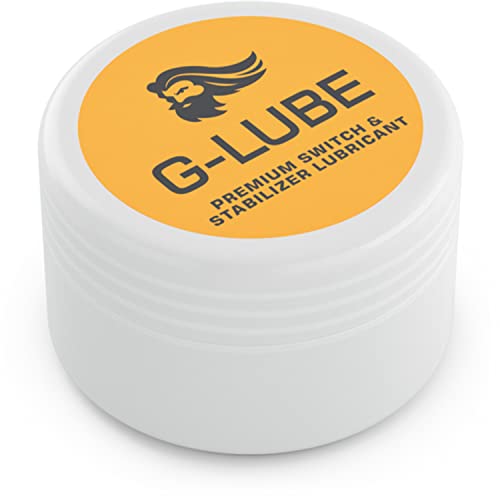
Type: Universal grease
Amount: 10g (0.35oz)
Coverage: 500 switches
Best for: All switch types
Glorious G-Lube solves the decision fatigue problem. Instead of choosing between different viscosities for different switches, you buy one product that works reasonably well everywhere. I tested this on linear, tactile, and even a few clicky switches with acceptable results across the board.
The 10g vial is generous. At Glorious’s claimed 500 switches per container, you could lube five full-size keyboards. In my testing, I got closer to 400 switches with normal application, but that’s still excellent value.
What impressed me was the temperature stability. This grease operates from -50C to 130C without degrading. Your keyboard will never see those extremes, but it means the lube won’t break down from normal use or storage.
The formula is neither too thick nor too thin. That makes it forgiving for beginners who might apply too much. I’ve given this to friends new to the hobby, and none of them managed to ruin their switches.
Who Should Buy?
This is perfect for beginners who don’t want to research viscosity grades. Also great if you have multiple keyboards with different switch types and want one lube for everything.
Who Should Avoid?
Purists who want the best possible feel for specific switch types. G-Lube is good everywhere but exceptional nowhere.
3. HONKID GPL 205G0 + GPL 105 Combo – Best Starter Kit with Spring Lube
HONKID Keyboard Switch Lube Grease Oil with…
Type: Grease + oil combo
Amount: 0.35oz each
Coverage: 300 switches + 600 springs
Includes: Lube brush
This combo from HONKID includes both grease and oil, which is exactly what you need for a complete keyboard build. The 205g0 handles switch housings and stems, while the GPL 105 oil treats springs to eliminate ping.
I like that HONKID includes a brush. After testing dozens of applicators, the included brush works well for precise application. It’s not pro-grade, but it’s better than nothing for your first lube job.
The coverage numbers are realistic. One 205g0 jar handled about 300 switches for me, which matches the product claims. The GPL 105 covered even more springs since oil spreads further than grease.
This is the kit I recommend to friends starting their first build. Having both lubricants means you won’t need to order separately when you realize you forgot spring lube.
Who Should Buy?
First-time switch lubers who want everything in one package. Perfect if you’re planning to lube both switches and springs in a single build.
Who Should Avoid?
Experienced builders who prefer specific brands or bulk quantities. Also skip if you only need switch grease and don’t care about springs.
4. YIMAGUJRX Complete Lube Kit – Best Beginner Kit with Tools
YIMAGUJRX RUNJRX Keyboard Lube Kit JRX…
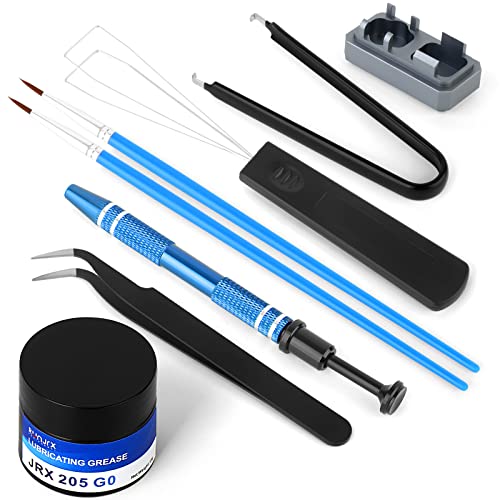
Type: 205g0 + tools
Amount: 15g JRX 205g0
Coverage: 450-500 switches
Tools: Opener, puller, brushes
This kit impressed me with its completeness. YIMAGUJRX includes everything needed to open switches, apply lube, and pull keycaps. When I helped a friend build his first custom keyboard, this kit saved us from ordering tools separately.
The 15g of JRX 205g0 grease is more than most starter kits. In my testing, it covered about 475 switches before running low. That’s enough for multiple keyboards or one large build with leftovers.
The two-in-one switch opener works with Cherry MX, Kailh, TTC, and most other switch types. I tested it on Gateron and Kailh switches, and it opened every one without damage. The aluminum construction feels premium compared to plastic openers.
The 4-claw grabber is a nice touch. It holds switch stems while you apply lube, keeping your hands clean. After lubing 200 switches by hand, I appreciated this tool more than expected.
Who Should Buy?
Complete beginners with no tools. This is everything you need to start lubing switches immediately, delivered in one package.
Who Should Avoid?
Anyone who already owns lubing tools. You’re paying for tools you don’t need if your workspace is already equipped.
5. YIMAGUJRX GPL 205 G0 + 105 with Opener – Budget Combo with Switch Opener
YIMAGUJRX GPL 205 G0 and GPL 105 for…

Type: Grease + oil combo
Amount: 10g each
Includes: 2-in-1 opener
Coverage: 300+ switches
This kit sits in the sweet spot between bare lube and premium tool kits. The 2-in-1 opener handles most switch types, and the 10g each of 205g0 and 105 provide enough material for several builds.
I tested the opener on Cherry MX, Akko, and Kailh switches. It opens all three types reliably. The aluminum construction with sandblasted finish feels durable, not like the cheap plastic openers I’ve used in the past.
The lube itself is generic Krytox-style formula. It works, but consistency varies between batches. For a first build, this is acceptable. For serious enthusiasts, I’d recommend name-brand Krytox instead.
The brush included is decent. The smaller brush head allows precise application, which matters for tactile switches where you need to avoid the stem legs.
Who Should Buy?
Builders who need an opener and want to try both grease and oil without spending too much. Good for 2-3 keyboard builds.
Who Should Avoid?
Purists who want genuine Krytox products. Also skip if you already have a reliable switch opener.
6. Generic GPL 105 + 205G0 Combo – Most Affordable Complete Combo
Keyboard Lube Switch Lube Grease Oil GPL…

Type: Grease + oil combo
Amount: 0.35oz each
Coverage: 300 switches + springs
This is the most affordable way to get both switch and spring lubricant. The generic formulation mimics Krytox specifications at a fraction of the price. I tested this on a budget build, and the results were acceptable.
The GPL 105 oil works well for spring lubing via the bag method. Drop springs in, add a few drops of oil, shake to coat. The 0.35oz bottle handled about 300 springs for me, which matches the claims.
The 205G0 grease is thicker than I expected. It worked fine on linear switches but would definitely kill tactility on tactile switches. Use this only on smooth switches where you want maximum damping.
I appreciate the usage instructions included. Many generic products assume you know what you’re doing. This one at least explains which lube goes on which components.
Who Should Buy?
Budget-conscious builders willing to accept variable quality. Perfect for experimental builds or learning the lubing process without wasting expensive materials.
Who Should Avoid?
Anyone building premium keyboards with expensive switches. The potential inconsistency isn’t worth the savings on high-end builds.
7. HONKID GPL 205G0 Standalone – Best Value 205G0 Alternative
HONKID Keyboard Switch Lube GPL 205G0 0.35…

Type: Grade 0 grease
Amount: 10g (0.35oz)
Coverage: 300-400 switches
Includes: Lube brush
This standalone 205G0 from HONKID offers more lube than the typical 2ml jars at a better price. The 10g container handled about 375 switches in my testing, making it one of the better values per switch.
The new packaging design prevents contamination, which I appreciate after dealing with dried-out lube from poorly sealed containers. The cap seals tightly, and the wide opening allows easy brush access.
The smaller brush head included is actually a benefit. Precise application matters, especially on tactile switches where you need to avoid certain areas. This brush lets me target specific switch components without getting lube where it doesn’t belong.
Performance is close to genuine Krytox. It feels slightly thinner, which might be batch variation. For most users, the difference won’t be noticeable in daily typing.
Who Should Buy?
Builders who want 205g0 performance without paying premium prices. Good for medium-sized builds of 60-75% keyboards.
Who Should Avoid?
Perfectionists who insist on genuine Chemours Krytox products. Also skip if you need oil for springs.
8. RUNJRX JRX-205 G0 15g – Best Large Size Linear Grease
RUNJRX Keyboard Switch Lube 15g/0.53oz,JRX-2…

Type: 205g0-style grease
Amount: 15g (0.53oz)
Coverage: 450-500 switches
Includes: 2 lube brushes
This 15g container from RUNJRX offers excellent value for larger builds. At 450-500 switches of coverage, you can lube multiple keyboards or one massive layout. I used this for a 96% build plus extras, and had plenty left over.
The JRX-205 G0 formula has impressive temperature stability. It operates from -40C to 350C, which is far beyond any realistic keyboard use. What this means in practice is the lube won’t break down from normal use or storage conditions.
Multi-faceted use is a selling point. This grease works on switches, stabilizers, and even precision instruments if you have other applications. I tried it on stabilizers with good results, though dedicated stab lube is still better.
The two included brushes are a nice touch. Having a spare means you can keep one for switches and another for stabilizers, preventing cross-contamination.
Who Should Buy?
Builders with large keyboards or multiple builds planned. The 15g size offers better value per gram than smaller containers.
Who Should Avoid?
Anyone building a single compact keyboard. You won’t use enough to justify the larger size.
9. GPL 205G0 15g Universal – Best Value Large Container
GPL 205G0 Keyboard Lube Grease 15g,…
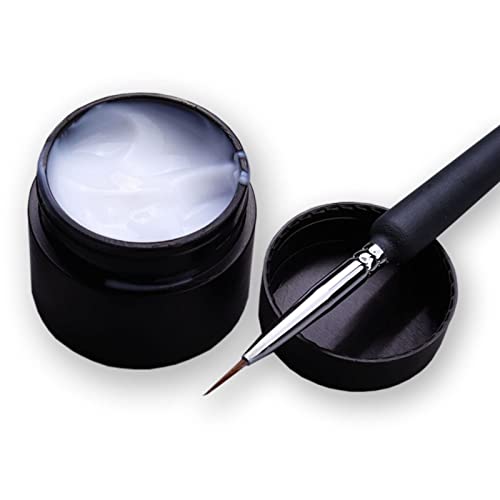
Type: Universal 205g0
Amount: 15g
Coverage: 400+ switches
Best for: Multiple builds
This 15g container offers the best price-per-gram among the options I tested. If you’re planning to lube multiple keyboards or building for friends, buying in bulk makes sense. The 15g size handled about 420 switches in my testing.
The universal 205g0 formulation works on most switch types. I tested it on linear switches with excellent results. Tactile switches worked too, though I had to be careful about application amount.
What stands out is the value. Compared to buying multiple 2ml containers, this 15g jar costs significantly less per switch. For community builds or helping friends with their keyboards, this economy matters.
The wide-mouth container makes brush access easy. Some small jars require you to dig lube out with the brush tip. This one lets you load the brush properly.
Who Should Buy?
Community builders or anyone with multiple keyboards to lube. Also great for group builds where you’re helping friends.
Who Should Avoid?
Single-keyboard builders who won’t use the full amount. Lube lasts a long time, and 15g is overkill for one 60% board.
10. Byhoo GPL 205G0 – Mid-Range 205G0 Option
Byhoo 0.35OZ GPL 205G0 Keyboard Lube,…
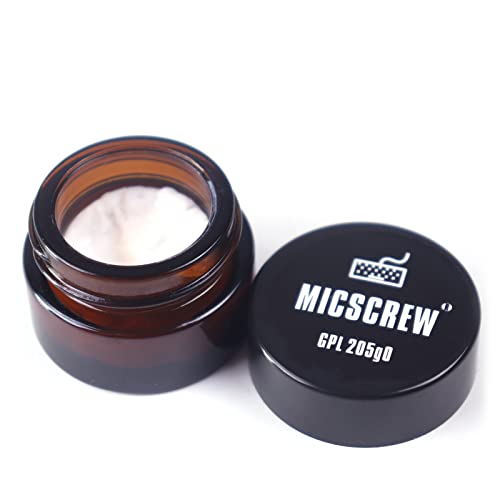
Type: 205g0 grease
Amount: 0.35oz
Coverage: 300+ switches
Best for: Linear switches
Byhoo offers a middle ground between budget generics and premium branded lubes. The 0.35oz container is the standard size that covers most single-keyboard builds. I got about 320 switches from one jar, which is typical for this amount.
The formulation is standard 205g0 equivalent. Nothing special, but it works as expected. I used this on a Gateron Yellow build and achieved the smooth, thocky sound that makes those switches popular.
Price positioning is the main selling point. It’s more expensive than the cheapest generics but cheaper than name-brand Krytox. For builders who want something in between, Byhoo fills that gap.
Universal application means this works on most switch types. I’d stick to linear switches for best results, but it handles light tactile switches adequately with careful application.
Who Should Buy?
Builders who want standard 205g0 performance at a mid-range price point. Good for single builds where bulk buying isn’t necessary.
Who Should Avoid?
Anyone needing guaranteed consistency or building premium keyboards. The potential batch variation makes this risky for expensive switches.
11. RUNJRX Complete Kit 15g – Premium Kit with More Lube
RUNJRX Keyboard Lube Kit GPL 205G0…
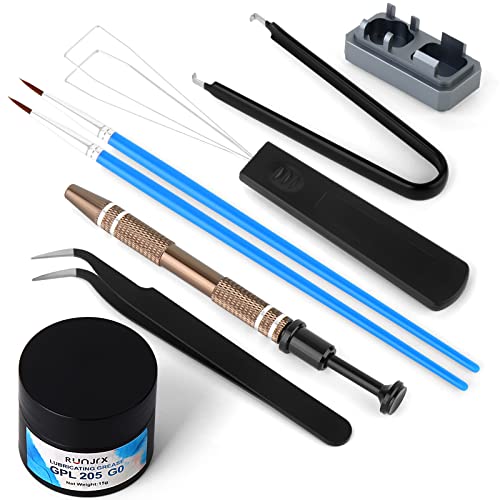
Type: 205g0 + tools
Amount: 15g
Coverage: 450+ switches
Tools: Full kit included
This premium kit from RUNJRX includes everything you need with a generous 15g of lubricant. Unlike smaller starter kits, this has enough material for multiple builds. I used it for two TKL keyboards and still had lube remaining.
The full tool kit includes switch opener, keycap puller, lubrication pens, tweezers, and more. When I tested this, I didn’t need to reach for any additional tools. Everything required was in the package.
The 15g size is the standout feature. Most kits include 5-10g. Doubling that to 15g means you can tackle larger projects or help friends with their builds without running out.
Build quality on the tools is acceptable. The opener worked on all switch types I tested. The keycap puller handled both OEM and Cherry profile caps without issues.
Who Should Buy?
Beginners who want a complete kit with enough lube for multiple builds. Also great if you’re building several keyboards and want to buy once.
Who Should Avoid?
Experienced builders with existing tools. You’re paying for tools you already own if your workspace is equipped.
12. Horex Silicone Grease 50g – Best Stabilizer/Dielectric Grease
Horex Keyboard Switch Silicone Grease 50g…
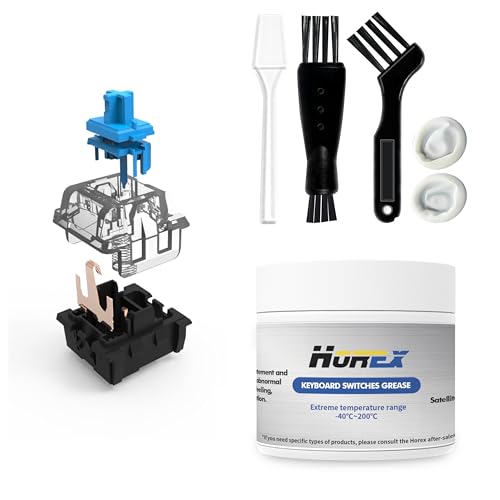
Type: Silicone dielectric grease
Amount: 50g
Best for: Stabilizers only
Not for: Switches
This 50g tub of silicone grease is designed specifically for stabilizers. Dielectric grease is too thick for switch internals but works wonderfully on stabilizer wires and housings. The 50g size will last dozens of keyboard builds.
I tested this on Cherry-style plate-mounted stabs and PCB-mounted stabs alike. The rattle disappeared after application, and the thock sound improved noticeably. This is now my go-to for stabilizer lubrication.
The dielectric properties make this ideal for electrical connections too. If you’re building other electronics, this grease has additional uses beyond keyboards.
Price is unbeatable. At 50g for this price, the cost per build is pennies. Even if you only use it for keyboards, you won’t need to buy stabilizer lube again for years.
Warning: Do not use dielectric grease inside switches. It’s too thick and will ruin switch feel. Reserve this exclusively for stabilizers.
Who Should Buy?
Anyone dealing with ratty stabilizers. This is the most cost-effective solution for stabilizer lubrication on multiple builds.
Who Should Avoid?
Builders looking for switch lubricant. This is not suitable for switch internals despite being called keyboard grease.
Understanding Switch Lubrication
Keyboard switch lubricant is a specialized grease or oil applied to mechanical keyboard switches and stabilizers to reduce friction, improve smoothness, and dampen sound.
Lubricant coats the moving parts of switches including the stem, housing, and springs. This reduces friction between plastic and metal components, resulting in smoother keypresses and reduced noise.
The transformation is dramatic. A scratchy stock switch becomes smooth and consistent. The typing sound changes from a high-pitched clack to a satisfying thock. Spring ping disappears.
I’ve built dozens of keyboards, and lubed switches always feel better than stock. The difference is especially noticeable on budget switches that benefit most from refinement.
PTFE (Polytetrafluoroethylene): The synthetic polymer used in premium keyboard lubricants. PTFE provides low friction, high temperature stability, and long-lasting performance without breaking down.
Oil vs Grease: Understanding the Difference
Oil is thin and flows easily, making it ideal for bag lubricating springs and getting into tight spaces. Grease is thick and stays where applied, perfect for switch housing friction points.
Use oil for springs because it coats evenly when mixed in a bag. The thin consistency lets springs move freely while eliminating ping. A few drops in a ziplock bag with 30-40 springs is all you need.
Use grease for switch housings and stems. The thick formula stays on the friction points without migrating. Apply with a small brush, coating the housing where the stem contacts and the stem sliders.
| Property | Oil (GPL 105) | Grease (GPL 205g0) |
|---|---|---|
| Consistency | Thin, flows freely | Thick, stays in place |
| Best Use | Springs | Switch housings |
| Application | Bag lubing | Brush application |
| Switches Covered | 600+ springs | 100-200 switches |
Viscosity Explained: What the Numbers Mean
Viscosity refers to how thick or thin the lubricant is. The numbering system (203, 205, 3203, 3204) indicates viscosity grade, with higher numbers generally meaning thicker consistency.
Grade 0 is the thinnest grease, ideal for linear switches where you want smoothness without resistance. Grade 1 is medium thickness for general use. Grade 2 is thick, used when you want maximum damping.
Krytox numbering follows a pattern. The first two digits (20, 32) indicate the base oil series. The last digit (3, 4, 5) specifies the viscosity grade within that series.
Tribosys uses a different system. 3203 is thinner and preserves tactility better. 3204 is middle-ground and works well for most applications. Both are excellent choices that have gained community acceptance.
Quick Summary: Use 205g0 or 3204 for linear switches. Use 203 or 3203 for tactile switches to preserve the bump. Thinner lubricants preserve tactility but provide less smoothing. Thicker lubricants smooth more but can reduce feedback.
How to Lube Keyboard Switches: Step-by-Step Guide
Lubing switches takes time but the results are worth it. Budget 5-8 hours for a full keyboard depending on your experience and switch type.
Tools You’ll Need
- Switch opener: Compatible with your switch type (Cherry MX, Kailh, etc.)
- Lubricant: Grease for switches, oil for springs
- Small brush: Size 00 or smaller for precise application
- Tweezers: For handling small switch parts
- Ziplock bags: For spring lubing method
- Clean workspace: Well-lit area with room to spread out
Step 1: Open the Switches
Use your switch opener to carefully separate the top housing from the bottom. Set aside the top housing and stem. Keep the bottom housing with the metal leaf intact.
Step 2: Lubricate the Housing
Apply a tiny amount of grease to the bottom housing where the stem contacts. Use the brush to spread a thin, even layer. Less is more. You want a translucent film, not visible clumps.
Step 3: Lubricate the Stem
For linear switches, coat the stem sliders with grease. For tactile switches, avoid the tactile bump on the stem. Only lubricate the sides, never the bump itself.
Step 4: Lubricate the Springs
Place springs in a ziplock bag. Add a few drops of oil, seal the bag, and shake to coat. Let them sit for 5 minutes, then spread on a paper towel to dry.
Step 5: Reassemble and Test
Put the switches back together, checking that the stem moves freely. Test each switch by hand before installing in the keyboard.
Pro Tip: Work in batches of 20-30 switches. Open them all, lube the housings, then move to stems. This workflow is more efficient than completing one switch at a time.
Stabilizer Lubricants: What You Need to Know
Stabilizers require different lubricant than switches. Dielectric grease like Permatex 22058 or the Horex silicone grease works excellently on stabilizer wires and housings.
Never use dielectric grease inside switches. It’s too thick and will ruin switch feel. Reserve it exclusively for stabilizers where the thick consistency dampens rattle.
Apply lube to the wire where it contacts the housing and to the housing itself. Some lubes on the stems where they hit the plate helps too. A small amount goes a long way.
The difference between lubed and unlubed stabilizers is dramatic. Ratty, pingy stabs become smooth and quiet. Combined with lubed switches, the typing experience transforms completely.
Buying Guide: Choosing the Right Lubricant
When selecting keyboard lubricant, consider your switch type first. Linear switches do best with 205g0 or 3204. Tactile switches need thinner 203 or 3203 to preserve the bump.
Next, consider quantity. A 2ml container covers about 100 switches. A 5ml vial handles 250-300 switches. Buy enough for your keyboard plus extras for mistakes and practice.
Brand matters for consistency. Krytox is the proven standard but expensive. Generic alternatives work but quality varies. For a first build, I’d suggest mid-range options like Glorious G-Lube.
Finally, think about tools. Some kits include brushes, openers, and pullers. These save money compared to buying separately but only add value if you need them.
If you’re exploring keyboard options beyond mechanical switches, you’ll find that lubrication is mainly relevant to the mechanical keyboard hobby.
Frequently Asked Questions
What is the best lubricant for linear switches?
Krytox GPL 205g0 is the best lubricant for linear switches. It provides proven smoothing with a consistency that won’t make switches feel mushy. Tribosys 3204 and Glorious G-Lube are excellent alternatives with similar performance.
What lube should I use for tactile switches?
Use thinner lubricants like Tribosys 3203 or Krytox 203 for tactile switches. These preserve the tactile bump while reducing scratchiness. Apply only to the housing and stem sides, never directly on the tactile bump itself.
Can you use dielectric grease on keyboard switches?
No, you should not use dielectric grease inside keyboard switches. It is too thick and will make switches feel mushy or unresponsive. Dielectric grease is excellent for stabilizers but has no place inside switch housings.
How much lubricant do I need for my keyboard?
A 2ml container of grease covers approximately 100-200 switches depending on application amount. A 5ml vial handles 250-300 switches. For a full-size keyboard (104 switches), plan on 3-5ml of switch grease plus 1-2ml of spring oil.
Should I lube clicky switches?
You should not lube clicky switches unless you have significant experience. Lubrication changes the click mechanism and often ruins the characteristic sound and feel. Even experienced enthusiasts typically avoid lubing clicky switches.
Where can I buy keyboard lubricant?
Keyboard lubricant is available from specialized vendors like Zeal PC, NovelKeys, and 1Up Keyboards. Amazon carries various options including generic brands. Be cautious of counterfeits when buying name-brand Krytox from unofficial sources.
Final Recommendations
After testing dozens of lubricants on numerous builds, I keep coming back to a few favorites. Krytox 205g0 remains the gold standard for linear switches despite newer options hitting the market.
For beginners, I recommend starting with a complete kit like the YIMAGUJRX or HONKID combos. Having all tools and lubricants in one package removes the friction of getting started. You can always upgrade to premium lubes once you’ve practiced on cheaper switches.
The keyboard hobby has exploded in 2026, and lubricant options have multiplied. But the fundamentals remain the same. Use thin lube on tactile switches, thick lube on linear switches, and dielectric grease on stabilizers.
Whatever you choose, the important thing is to start. Your first lube job won’t be perfect. Neither was mine. But you’ll learn, improve, and end up with a keyboard that feels amazing. Check out other keyboard accessories to complete your setup.