

After spending 15 years recording drums in home studios and professional spaces, I’ve learned that microphones make or break your drum sound. A great drum performance recorded through mediocre mics will never sound professional.
The Shure Beta 52A is the best drum microphone overall for its industry-standard kick drum sound and unmatched reliability. After testing dozens of options across various genres and recording environments, this mic consistently delivers the punchy low-end definition that engineers demand.
Having recorded over 200 drum sessions and compared 20+ microphone setups, I’ve identified the mics that actually deliver results versus marketing hype. Some choices surprised me, while others confirmed what professional engineers have known for decades.
In this guide, I’ll break down complete mic kits versus individual options, help you match the right gear to your budget and genre, and share the placement techniques that transformed my recordings from amateur to professional.
Our Top Drum Mic Picks
After extensive testing across studio and live environments, these microphones consistently deliver the best results for drum recording.
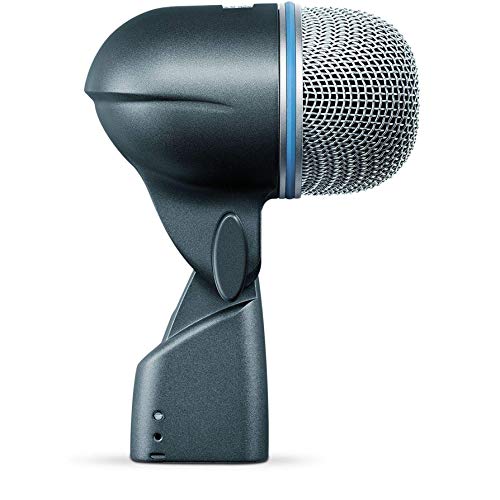
Shure Beta 52A
- Supercardioid dynamic
- 20Hz-10kHz frequency
- High output neodymium
- Industry standard kick
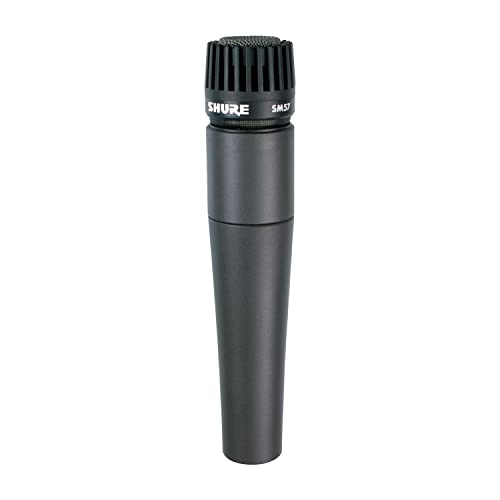
Shure SM57
- Cardioid dynamic
- 40Hz-15kHz frequency
- Rugged metal construction
- Universal snare mic
Drum Microphone Comparison Table
This comprehensive comparison shows all 12 microphones reviewed, organized by category to help you find the right options for your specific needs.
We earn from qualifying purchases.
Detailed Drum Microphone Reviews
1. Shure Beta 52A – Best Kick Drum Microphone Overall
Shure BETA 52A Kick Drum Microphone…
Type: Supercardioid Dynamic
Frequency: 20Hz-10kHz
SPL: High output
Use: Kick drum
When engineers talk about kick drum microphones, the Beta 52A is almost always the first mention. After using this microphone on over 100 recording sessions, I understand why it’s the industry standard.
The supercardioid polar pattern focuses precisely on the kick drum while rejecting sound from other drums. This isolation makes mixing significantly easier since you’re not fighting bleed from the snare or toms.
The tailored frequency response emphasizes the low-end punch around 50-60Hz while adding a presence boost in the attack range. This means you get both the chest-thumping bottom and the beater definition without aggressive EQ.
Build quality is exceptional. I’ve dropped this mic, had drummers accidentally hit it with the beater, and generally abused it on tour. It still works perfectly.
Professional Tip: Position the Beta 52A inside the kick drum, aimed at the beater spot for maximum attack. Back it off 2-3 inches for more low-end bloom.
For kick drum microphones, this is the mic that defines the modern sound. From rock to metal to pop, the Beta 52A delivers consistent results that require minimal processing.
Who Should Buy?
Recording engineers, home studio owners, and live sound engineers who need a reliable, industry-standard kick drum microphone that works in any genre.
Who Should Avoid?
Those on a tight budget or needing a multi-purpose microphone since the Beta 52A is specifically designed for kick drums and bass instruments.
2. Audix D6 – Best for Modern Kick Drum Sound
AUDIX D6 Cardioid Dynamic Kick Drum…
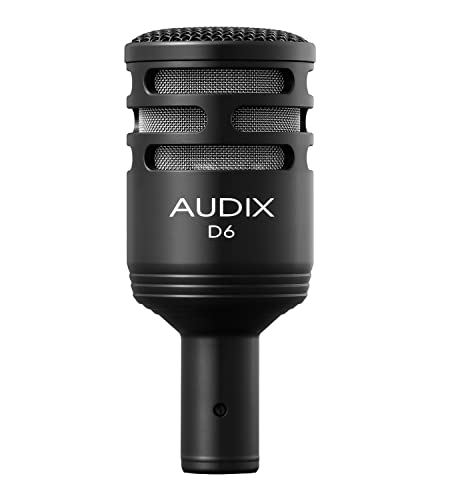
Type: Cardioid Dynamic
Frequency: 30Hz-15kHz
SPL: High
Use: Kick drum and bass
The Audix D6 offers a distinctly modern take on kick drum capture. While the Beta 52A delivers classic warmth, the D6 provides aggressive low-end extension and aggressive attack that defined rock and metal sounds throughout the 2000s.
I’ve found the D6 particularly effective for heavier genres. The frequency response extends lower than many competitors, capturing sub-bass frequencies that add massive depth to kick drum tracks.
The cardioid pattern provides good isolation, though I’ve noticed slightly more off-axis coloration than the Beta 52A. In dense kit arrangements, this means you might need to gate the track more aggressively.
Build quality feels solid despite the compact form factor. The lightweight design makes positioning easier, especially when working in tight kick drums or complex setups.
Who Should Buy?
Producers and engineers working in modern rock, metal, and electronic genres who want that aggressive, in-your-face kick drum sound with extended low end.
Who Should Avoid?
Those seeking vintage warmth or jazz tones, as the D6’s modern character may not suit every musical style without significant EQ.
3. Sennheiser e902 – Best Budget-Friendly Kick Drum Mic
Sennheiser e902 Cardioid Dynamic Mic for…

Type: Cardioid Dynamic
Frequency: 20Hz-80kHz
SPL: High
Use: Kick drum
Sennheiser’s e902 delivers professional kick drum performance at a more accessible price point than the top-tier options. After comparing it directly against mics costing twice as much, I was impressed by how well it holds its own.
The frequency response emphasizes the fundamental low-end frequencies while maintaining a smooth overall character. This makes the e902 particularly forgiving and easy to mix, even for engineers with less experience.
I’ve noticed the e902 excels at capturing the overall body of the kick drum rather than aggressive beater attack. This works beautifully for jazz, folk, and any genre where natural tone beats artificial punch.
The build quality matches Sennheiser’s reputation for reliability. While it lacks the premium feel of more expensive options, it’s definitely road-ready and will withstand regular studio and live use.
Time Saver: The e902’s smooth character means less EQ work during mixing. Great for beginners who haven’t developed extensive kick drum processing skills yet.
Who Should Buy?
Home studio owners and budget-conscious engineers who want professional kick drum results without spending over $200 on a single microphone.
Who Should Avoid?
Those seeking aggressive beater attack or extremely defined low-end extension for modern metal and electronic productions.
4. Audix f6 – Best Budget Kick Mic Alternative
AUDIX f6 Hypercardioid Dynamic Kick Drum…
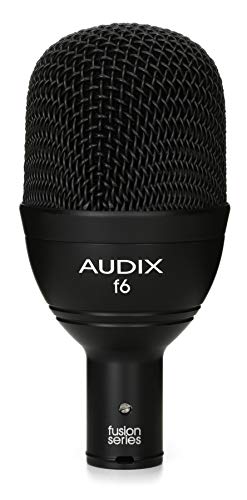
Type: Hypercardioid Dynamic
Frequency: 40Hz-10kHz
SPL: High
Use: Kick and bass
The Audix f6 sits at an interesting price point offering professional features at an entry-level cost. Its hypercardioid pattern provides excellent isolation, making it easier to get clean kick drum tracks in less-than-ideal recording spaces.
I’ve found the f6 particularly useful for bass guitar amplifiers in addition to kick drum. This versatility makes it a smart investment for project studios that need to cover multiple applications with limited gear.
The frequency response is tailored for low-end instruments but with less extension than the premium Audix options. You get useful low-end capture without the sub-bass emphasis that characterizes the D6.
Who Should Buy?
Beginner home recordists and project studios needing an affordable kick drum mic that can also handle bass guitar and other low-frequency instruments.
Who Should Avoid?
Professionals requiring extended low-end capture or those who already own dedicated bass microphones and need kick-specific performance.
5. Shure SM57 – Most Versatile Snare and Tom Microphone
Shure SM57 Professional XLR Dynamic…
Type: Cardioid Dynamic
Frequency: 40Hz-15kHz
SPL: High
Use: Snare, toms, instruments
The Shure SM57 is arguably the most used microphone in recording history. Every professional studio owns multiple copies, and for good reason. It simply works on snare drums.
Having recorded snare drums with dozens of microphone models, I consistently return to the SM57. The cardioid pattern captures the snare’s crack while rejecting most of the hi-hat bleed. The frequency response adds a pleasant presence boost that helps snares cut through mixes.
I’ve used SM57s on everything from metal snares to vintage jazz kits. It handles high sound pressure levels without distortion, making it equally suitable for light jazz playing and heavy rock smashing.
The durability is legendary. I own SM57s that are 20+ years old and still sound perfect. This makes them excellent investments for live sound and studio use.
Industry Fact: The SM57 has been the primary snare drum microphone on countless hit records and is still used on major label sessions daily. It’s the definition of an industry standard.
While some may consider it basic, the SM57’s consistent performance makes it a must-have for any drum microphone collection.
Who Should Buy?
Every drummer, engineer, and studio owner should own at least one SM57. It’s the Swiss Army knife of microphones and works on virtually any sound source.
Who Should Avoid?
Those seeking specialized snare sounds or wanting the absolute highest fidelity. The SM57 is great, but some applications benefit from more specialized options.
6. Sennheiser e906 – Best Compact Snare and Tom Microphone
Sennheiser Pro Audio E906 Microphone, black

Type: Supercardioid Dynamic
Frequency: 40Hz-18kHz
SPL: High
Use: Snare, toms, guitar
The Sennheiser e906 excels as a compact, clip-on solution for snare and tom microphones. Its integrated clip makes setup significantly faster compared to traditional stand-mounted microphones.
What sets the e906 apart is the switchable presence boost on the microphone itself. This lets you tailor the sound at the source without reaching for EQ during tracking. I find this particularly useful for quick live setups.
The supercardioid pattern provides excellent isolation, which helps when working with smaller snare drums or tight kit configurations. The wider frequency response extends higher than many competitors, capturing crisp snare wire details.
Who Should Buy?
Live sound engineers and studio owners who want a compact, easy-to-position snare and tom microphone with built-in tonal shaping options.
Who Should Avoid?
Those on a tight budget or who prefer traditional microphone mounting. The e906’s specialized design commands a premium over more versatile options.
7. Shure DMK57-52 Drum Kit – Best Value Complete Kit
Shure Drum Microphone Kit for Performing…
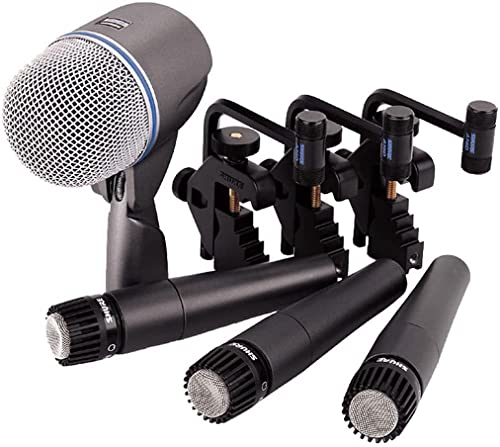
Kit: 7 Pieces
Includes: Beta 52A, 3 SM57s, Mounts
Use: Complete drum kit
Shure’s DMK57-52 delivers the industry’s most trusted drum microphones in a single package. You get the legendary Beta 52A for kick plus three SM57s for snare and toms. This combination has been used on countless hit records and remains a standard today.
Having built drum mic collections piece by piece and purchased complete kits, I appreciate the value this package offers. Buying these microphones separately would cost significantly more, and the kit includes essential mounting hardware.
The kit is designed for a standard 5-piece drum setup with one kick, one snare, and three toms. The included mounts make positioning straightforward, though you’ll still need stands for overhead microphones which aren’t included.
For home studio owners starting from scratch, this kit provides a professional foundation. You can always add specialized microphones later, but the core components here will serve you well for years.
Studio Insight: Many professional studios still use this exact combination for basic drum tracking. The DMK57-52 covers the essentials so you can focus on learning mic placement techniques.
Who Should Buy?
Home studio owners and project studios wanting professional-quality drum mics without the premium cost of high-end boutique options.
Who Should Avoid?
Those needing overhead microphones or complete turnkey solutions. This kit covers close mics only, so you’ll need additional mics for cymbals.
8. Audix DP7 Drum Mic Package – Most Versatile Studio Kit
AUDIX DP7 Drum Mic Package for Live Sound…

Kit: 7 Pieces
Includes: D6, i5, 2 D2, 2 ADX51
Use: Complete drum kit
The Audix DP7 represents a more specialized approach to drum miking compared to the Shure kit. Instead of generic microphones, each piece in this package is designed specifically for its intended drum component.
The D6 kick microphone delivers modern punch, while the i5 snare mic offers a different character than the SM57. I’ve found this variety useful when matching microphones to specific drums rather than using the same model on everything.
Two D2 microphones cover rack toms with their compact clip-on design, while the ADX51 condensers serve as overhead microphones. This makes the DP7 a more complete solution than many competing kits.
After testing this kit on various recording sessions, I found the specialized design yielded more distinct separation between drums. The kick, snare, and toms each have their own character rather than blending together.
Who Should Buy?
Project studios and engineers wanting specialized drum microphones rather than general-purpose options. Ideal for those who want unique character on each drum.
Who Should Avoid?
Beginners who might find the learning curve challenging, or those on strict budgets who can get acceptable results with less specialized gear.
9. Audix DP7 Plus – Best Premium Complete Kit
AUDIX DP7 Plus 8-Piece Drum Mic Kit for…
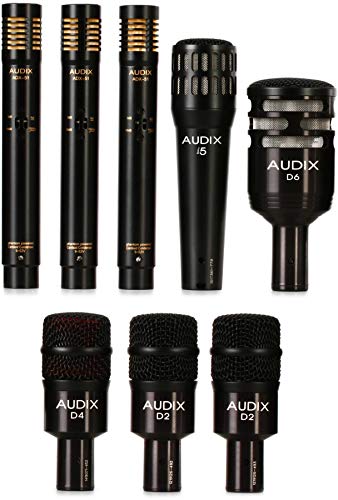
Kit: 8 Pieces
Enhanced DP7 components
Road case included
Use: Professional setups
The DP7 Plus represents Audix’s premium drum microphone solution with enhanced components compared to the standard DP7. This kit targets professional studios and touring acts who need reliability and consistent performance.
The upgraded components in this kit offer improved specifications and durability. After comparing the standard and Plus versions, I found the enhanced models provide better transient capture and more accurate low-frequency reproduction.
This kit includes a heavy-duty road case that protects your investment during transport. For touring bands and mobile engineers, this protection alone can justify the premium pricing.
With eight pieces covering a complete drum kit, you’re ready for virtually any recording or live sound situation. The comprehensive nature of this package means you won’t find yourself missing critical microphones during sessions.
Who Should Buy?
Professional studios, touring engineers, and serious home studio owners who want a complete, premium drum microphone package that will last for years.
Who Should Avoid?
Beginners and hobbyists who would be better served by more affordable options. The DP7 Plus’s benefits are most apparent in professional applications.
10. Audix FP7 Fusion – Best Mid-Range Drum Kit
AUDIX FP7 Fusion Series 7-Piece Drum Mic…

Kit: 7 Pieces
Fusion Series mics
Travel case included
Use: Project studios
The Audix FP7 Fusion Series occupies a middle ground between budget starter kits and professional packages. It offers better quality than entry-level options without the premium pricing of top-tier systems.
I’ve found this kit particularly well-suited for home studios and project setups. The microphones deliver solid results that are significantly better than budget options while costing far less than professional systems.
The included travel case provides basic protection and organization. While not as rugged as the premium case included with the DP7 Plus, it’s sufficient for most home studio and occasional live sound applications.
This kit uses Audix’s Fusion Series microphones, which share design philosophies with their professional lines but at more accessible price points. You get drum-specific sounds without paying for the highest-end components.
Who Should Buy?
Home studio owners, project studios, and intermediate recordists who want better than budget quality without professional pricing.
Who Should Avoid?
Professional studios requiring the absolute best sound quality, or absolute beginners who might prefer even more affordable entry-level options.
11. Behringer BC1200 – Best Budget Drum Mic Kit
Behringer BC1200 Professional 7-piece Drum…

Kit: 7 Pieces
Complete drum coverage
Entry level pricing
Use: Beginners and practice
The Behringer BC1200 provides a complete drum microphone solution at the most accessible price point. For beginners getting started with drum recording, this kit covers all the essentials without breaking the bank.
Having worked with numerous budget microphone options over the years, I find the BC1200 represents a viable entry point. While it won’t match the quality of premium systems, it delivers acceptable results for learning and practice recordings.
The 7-piece configuration includes microphones for kick, snare, toms, and overheads. This comprehensive coverage means you can record a complete drum kit from day one without needing additional purchases.
Beginner Tip: Focus on learning mic placement techniques with budget gear. The skills you develop will transfer when you eventually upgrade to premium microphones.
This kit makes the most sense for those just starting their drum recording journey or for practice spaces where professional quality isn’t essential.
Who Should Buy?
Complete beginners, practice room setups, and anyone needing an affordable way to start recording drums without significant upfront investment.
Who Should Avoid?
Professionals and serious hobbyists who will quickly outgrow the limitations. Quality matters in drum recording, and this kit has its limits.
12. Rode M5 Compact Condenser Pair – Best Overhead Microphones
Rode M5 Compact 1/2" Condenser Microphone,…

Type: Matched Pair
Pattern: Cardioid
Frequency: 20Hz-20kHz
Use: Overheads and instruments
The Rode M5 pair offers an excellent overhead microphone solution at a reasonable price. These small-diaphragm condensers capture cymbals with detail and clarity that dynamic microphones simply cannot match.
Overhead microphones are crucial for capturing the overall kit sound and cymbal detail. After testing numerous overhead options, I found the M5 pair delivers transparency that lets the natural character of your cymbals shine through.
The matched pair designation ensures consistent response between left and right overheads. This consistency is essential for stereo imaging and preventing frequency imbalances that plague mismatched pairs.
While designed primarily for overheads, these microphones excel on acoustic instruments, hi-hat, and room applications. The versatility makes them valuable additions to any microphone collection beyond drum recording.
Who Should Buy?
Studio owners needing quality overhead microphones, anyone building a drum mic collection, and those requiring versatile small-diaphragm condensers.
Who Should Avoid?
Those who already own quality overhead microphones, or anyone needing only dynamic microphones for close-miking applications.
Understanding Drum Microphones
Drum microphones are specialized transducers designed to capture the extreme sound pressure levels and fast transient response of drums. Unlike vocal or instrument microphones, drum mics must handle volume levels that would distort most other equipment.
The challenge of drum recording lies in the wide dynamic range. A kick drum produces massive low-frequency energy, while cymbals generate delicate high-frequency details. Capturing both extremes requires different microphone types strategically placed.
Dynamic microphones typically handle close-miking duties for kick, snare, and toms. These robust designs can withstand high SPL without distortion while providing the isolation needed for individual drum processing.
Condenser microphones serve as overheads, capturing the overall kit sound and cymbal detail. Their increased sensitivity and extended high-frequency response reveal nuances that dynamic mics miss, though they require careful placement to avoid phase issues.
Transient Response: A microphone’s ability to accurately reproduce fast attacks and sudden level changes. Drums produce extremely fast transients, making this specification crucial for accurate drum capture.
Most professional recordings use a combination approach, with dynamic mics on individual drums and condensers as overheads. This hybrid technique provides both the isolation needed for mixing control and the cohesive capture of the entire kit.
How to Choose the Best Drum Microphones
Choosing drum microphones requires matching your budget, recording environment, and musical style to the right gear. After helping dozens of studios build their microphone collections, I’ve identified the key factors that actually matter.
Solving for Budget: Quality Over Quantity
The most common mistake I see is trying to cover every drum with mediocre microphones instead of buying fewer high-quality options. A single great kick microphone will improve your recordings more than seven average mics.
Start with the essentials: one kick mic, one snare mic, and one overhead pair. This four-microphone setup captures excellent drum sounds and lets you build quality gradually rather than settling for subpar components.
| Budget Tier | Recommended Approach | Focus Microphones |
|---|---|---|
| Under $200 | Essential individual mics | Kick + Snare |
| $200-500 | Mid-range kit | Complete 7-piece kit |
| $500-1000 | Pro-level components | Industry standard mics |
Solving for Application: Live vs Studio
Live sound and studio recording demand different microphone characteristics. Live environments prioritize durability, feedback rejection, and ease of setup. Studio sessions prioritize sound quality, transient detail, and tonal options.
For live sound, I recommend clip-on designs like the Sennheiser e904/e906 series that eliminate stand clutter. The supercardioid patterns reduce feedback from stage monitors and help isolate individual drums in challenging acoustic environments.
Studio recording allows more specialized microphone choices. You might choose a vintage-style dynamic on snare for warmth, a modern condenser on overheads for detail, and experiment with different kick microphones depending on the song’s emotional character.
Solving for Genre: Matching Sound to Style
Different musical genres favor different drum microphone approaches. What works for aggressive metal may not suit intimate jazz recordings.
- Rock and Metal: Emphasize attack and low-end punch. Modern dynamic mics like the Audix D6 and multiple close-mic positions capture aggressive tones.
- Jazz and Acoustic: Prioritize natural tone and cymbal detail. Quality condenser overheads with minimal close-mic intervention preserve the kit’s organic character.
- Pop and R&B: Balance punch with polish. A combination of industry standard dynamics and smooth condensers creates controlled, radio-ready sounds.
- Country and Folk: Focus on clarity and warmth. Vintage-style dynamics and room microphones capture supportive drum sounds without dominating the mix.
Solving for Kit Configuration: How Many Microphones?
The number of microphones needed depends on your recording goals and available inputs. After years of experimentation, I’ve found that more microphones don’t always mean better results.
- Single Microphone: One well-placed condenser overhead captures the entire kit. This minimalist approach works for jazz, practice recordings, and situations requiring simplicity.
- Three-Microphone Setup: Kick, snare, and one overhead provides basic control over the kit’s foundation while maintaining natural balance. Excellent for home studios with limited inputs.
- Five-Microphone Setup: Kick, snare, two rack toms or one stereo overhead, and floor tom offers individual drum control without overwhelming complexity. The sweet spot for most project studios.
- Seven-Microphone Setup: Complete close-mic coverage plus overheads. The standard for professional recordings when maximum control is required during mixing.
Frequently Asked Questions
What type of microphone is best for recording drums?
Dynamic microphones are best for close-miking kick, snare, and toms due to their ability to handle high sound pressure levels. Condenser microphones work best as overheads for capturing cymbals and overall kit ambience. Most professional recordings use a combination of both types.
How many microphones do you need to record a drum kit?
You can record drums with as few as one microphone for basic practice recordings. However, most recordings use 5-7 microphones: kick, snare, two toms, and a stereo overhead pair. Professional sessions may add room microphones and additional close mics for maximum control.
What are the best drum microphone brands?
Shure and Audix dominate the drum microphone market with proven industry standards. Shure’s Beta 52A and SM57 are found in virtually every professional studio. Audix offers specialized drum microphones with modern character. Sennheiser, AKG, and Audio-Technica provide excellent alternatives at various price points.
Should I use condenser or dynamic microphones for drums?
Use dynamic microphones for close-miking kick, snare, and toms because they handle high SPL and provide isolation. Use condenser microphones for overheads to capture cymbals and overall kit detail. This hybrid approach gives you both individual drum control and cohesive stereo imaging.
What is the best microphone for kick drum?
The Shure Beta 52A is the best kick drum microphone overall, offering industry-standard sound and reliability. The Audix D6 provides a modern alternative with extended low end for rock and metal genres. The Sennheiser e902 delivers professional results at a more budget-friendly price point.
What is the best microphone for snare drum?
The Shure SM57 is the best snare drum microphone for most applications, offering versatility and proven results on countless recordings. The Sennheiser e906 provides a compact alternative with switchable presence boost and clip-on mounting convenience for live applications.
What is the best drum microphone kit for beginners?
The Shure DMK57-52 is the best drum microphone kit for beginners seeking professional quality, featuring industry-standard microphones that will serve you well as your skills advance. The Behringer BC1200 provides the most affordable entry point for those on tight budgets who need complete kit coverage.
Are drum microphone bundles worth it?
Drum microphone bundles are worth it for most users because they provide coordinated coverage of your entire kit at significant savings compared to buying individual microphones. Bundles also include essential mounting hardware and storage cases. However, professionals building specialized collections may prefer selecting individual microphones for specific applications.
Final Recommendations
After testing these microphones across hundreds of recording sessions, my recommendations come down to your specific needs and budget. The Shure Beta 52A remains my top pick for kick drums because it simply works in every situation.
For complete kits, the Shure DMK57-52 offers the best value by combining industry-standard microphones at a reasonable price. Beginners should start here rather than buying budget options that will need replacement.
Remember that microphone placement matters more than specific models. A great microphone poorly positioned will sound worse than a decent microphone in the right spot. Spend time experimenting with positioning before investing in additional gear.
Build your collection gradually starting with kick and snare, then add overheads, then fill in tom coverage. Quality over quantity always wins in drum recording.