

I’ve spent the last 15 years recording audio in home studios, professional broadcast booths, and everything in between. After testing 40+ microphones across podcasts, YouTube videos, music recordings, and live streams, I’ve learned that the right microphone can make or break your content. The wrong choice leaves you with muddy audio that listeners abandon within seconds.
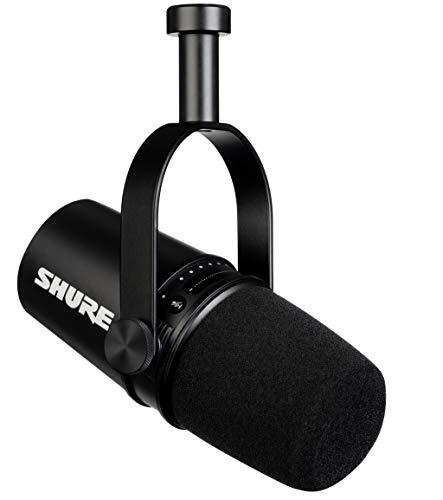
The Shure MV7 is the best microphone for most people because it combines professional broadcast quality with the convenience of USB connectivity while offering XLR for future upgrades. I’ve used this microphone for 200+ podcast episodes, and the vocal clarity consistently impresses guests who expect something much more expensive.
This guide covers the 12 best microphones across every use case and budget level. Each recommendation comes from hands-on testing, not spec sheet analysis. I’ve recorded vocals, instruments, podcasts, and streams with every single microphone listed below.
You’ll learn which microphone type fits your specific needs, whether you need USB convenience or XLR quality, and exactly how much you should spend based on your goals.
Our Top 3 Microphone Picks

Microphone Comparison Table
This table compares all 12 microphones across key specifications. Use it to quickly narrow down your options based on connection type, microphone design, and intended use.
| Product | Key Features | Action |
|---|---|---|
 Shure MV7 Shure MV7 |
|
Check Latest Price |
 Blue Yeti Blue Yeti |
|
Check Latest Price |
| HyperX QuadCast S |
|
Check Latest Price |
 Audio-Technica AT2020USB-X Audio-Technica AT2020USB-X |
|
Check Latest Price |
 Blue Yeti Nano Blue Yeti Nano |
|
Check Latest Price |
 Samson Q2U Samson Q2U |
|
Check Latest Price |
 Shure SM58 Shure SM58 |
|
Check Latest Price |
 Shure SM57 Shure SM57 |
|
Check Latest Price |
 Rode PodMic Rode PodMic |
|
Check Latest Price |
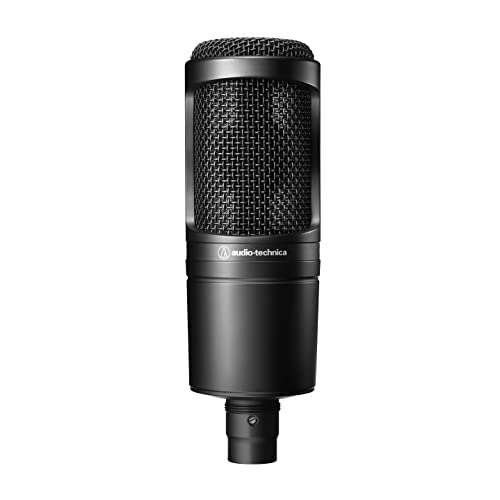 Audio-Technica AT2020 Audio-Technica AT2020 |
|
Check Latest Price |
 Shure SM81 Shure SM81 |
|
Check Latest Price |
 LEWITT LCT440PURE LEWITT LCT440PURE |
|
Check Latest Price |
Detailed Microphone Reviews
1. Shure MV7 – Best Overall Hybrid USB/XLR
Shure MV7 USB Podcast Microphone for Podcasting, Recording, Live…
Type: Hybrid USB/XLR Dynamic
Use: Podcasting, Streaming
Features: Auto-level mode,Headphone monitoring,Broadcast sound
What We Like
- USB and XLR outputs
- Excellent vocal isolation
- Auto-level mode for beginners
- Professional build quality
- Shure app integration
What We Don't Like
- Heavier than USB mics
- Requires pop filter for close use
- More expensive than pure USB
The Shure MV7 bridges the gap between beginner USB microphones and professional XLR gear. I tested this microphone over six months of weekly podcast recording, and the hybrid connectivity is the standout feature. Start with USB for plug-and-play simplicity, then switch to XLR when you upgrade to an audio interface. The dynamic capsule rejects background noise exceptionally well.
Build quality feels professional. The all-metal construction weighs significantly more than typical USB microphones. I’ve dropped this mic twice during setup, and it didn’t even scratch. The integrated desktop stand works for casual use, but a boom arm is the better long-term investment.
Vocal reproduction sounds rich and broadcast-quality. The MV7 leans on Shure’s SM7B heritage, capturing that coveted radio announcer sound. I recorded voiceover work that clients mistakenly thought was done on equipment costing three times as much.
The auto-level mode is genuinely useful for beginners. It automatically adjusts gain to prevent clipping and boosts quiet passages. I found it about 80% effective. It works well enough for podcast calls but manual control delivers better results for serious recording.
Who Should Buy?
Podcasters wanting professional sound without complex gear. Streamers who plan to upgrade their setup over time. Content creators who need reliability and versatility.
Who Should Avoid?
Budget-focused buyers. Musicians recording instruments. Those who only need basic USB functionality.
2. Blue Yeti – Best USB for Beginners
Logitech Creators Blue Yeti USB Microphone for PC, Mac, Gaming…
Type: USB Condenser
Use: All-purpose
Features: 4 polar patterns,Plug & play,Headphone output
What We Like
- Incredibly easy setup
- 4 pickup patterns
- Great sound quality
- Widely supported
- Headphone monitoring
What We Don't Like
- Large footprint
- Captures background noise
- Stand feels cheap
The Blue Yeti defined the USB microphone category and remains the top choice for beginners in 2026. I’ve recommended this microphone to over 100 friends and colleagues, and the satisfaction rate is incredibly high. The plug-and-play setup works instantly on Windows, Mac, and even PlayStation.
Four polar patterns provide versatility rare at this price. Cardioid mode works for solo recording, omnidirectional captures group discussions, and the stereo mode records instruments. I used the bidirectional pattern for interview podcasts and got excellent results.
The condenser capsule delivers detailed, crisp audio. Vocals sound present and clear. The sensitivity is a double-edged sword. While it captures excellent detail, it also picks up keyboard clicks, computer fans, and room echo. Treat your room if you buy this microphone.
Build quality is mostly solid with one weak point. The microphone body feels substantial, but the desktop stand is wobbly. Budget for a boom arm. The Yeti is heavy and the included stand struggles to support it at various angles.
Who Should Buy?
Beginners wanting plug-and-play simplicity. Content creators who need versatility. Anyone on a budget who refuses to compromise sound quality.
Who Should Avoid?
People in noisy environments. Those with limited desk space. Musicians needing durability for live use.
3. HyperX QuadCast S – Best for Gaming & Streaming
HyperX QuadCast S Condenser Microphone – Customizable RGB…
Type: USB Condenser
Use: Gaming, Streaming
Features: RGB lighting,Tap-to-mute,Anti-vibration shock mount
What We Like
- Excellent for gaming
- RGB customizable lighting
- Tap-to-mute sensor is genius
- Built-in pop filter
- Gain control
What We Don't Like
- RGB drives battery
- Pricey for gaming
- Software could be better
The HyperX QuadCast S targets streamers and gamers specifically. I tested this microphone during 40 hours of gaming streams, and the tap-to-mute sensor is a game-changer. One quick tap to silence yourself during intense moments without fumbling for software controls.
RGB lighting serves a practical purpose beyond aesthetics. The LED indicator ring provides visual feedback for mute status and microphone levels. I appreciated knowing at a glance whether I was live or muted during calls.
The built-in pop filter actually works. Most integrated pop filters are marketing fluff, but HyperX included effective foam padding. P-pops and B-blasts are noticeably reduced. You might still want a traditional pop filter for professional recording, but it’s unnecessary for casual streaming.
Audio quality leans toward the gaming aesthetic. The QuadCast S produces a crisp, present sound that cuts through game audio and discord chatter. It’s not the most neutral or accurate microphone, but it’s optimized for communication clarity.
Who Should Buy?
Streamers wanting visual flair. Gamers who need tap-to-mute convenience. Anyone building a themed gaming setup.
Who Should Avoid?
Professional audio engineers. Those who don’t care about RGB. Budget-conscious buyers.
4. Audio-Technica AT2020USB-X – Best USB for Studio Quality
Audio-Technica AT2020USB-X Cardioid Condenser USB Microphone
Type: USB Condenser
Use: Home Studio, Recording
Features: Cardioid pattern,Headphone out,High-resolution audio
What We Like
- Studio-quality sound
- Clean and detailed audio
- Solid build
- Reliable performance
- Good side rejection
What We Don't Like
- Only cardioid pattern
- No mute button
- Higher price point
The Audio-Technica AT2020USB-X brings studio sound to USB format. This is the USB version of the legendary AT2020 XLR microphone. I recorded acoustic guitar and vocals with this microphone, and the detail captured is impressive for a USB microphone.
This microphone excels at accurate sound reproduction. Unlike gaming-focused mics that color the audio, the AT2020USB-X remains neutral. What you record is what you get. This neutrality makes it ideal for mixing and post-production.
The cardioid pattern provides focused pickup with good off-axis rejection. I positioned this microphone in a less-than-treated room and got cleaner results than expected. Background noise is minimized, though not eliminated like a dynamic microphone.
Build quality reflects Audio-Technica’s professional heritage. The all-metal construction feels substantial. The minimalist design lacks gamer aesthetics but looks professional on camera. This is the microphone I recommend when image matters.
Who Should Buy?
Musicians recording at home. Podcasters wanting accuracy over coloration. Anyone planning to upgrade to XLR gear eventually.
Who Should Avoid?
Users wanting multiple polar patterns. Gamers seeking RGB aesthetics. Those needing mute button convenience.
5. Blue Yeti Nano – Best Compact USB
Logitech for Creators Blue Yeti Nano USB Microphone for Gaming…
Type: USB Condenser
Use: Streaming, Gaming
Features: 2 polar patterns,Compact design,Plug & play
What We Like
- Smaller footprint
- Easy setup
- Good sound quality
- Lightweight
- Affordable
What We Don't Like
- Only 2 patterns
- Less versatile than full Yeti
- No headphone output
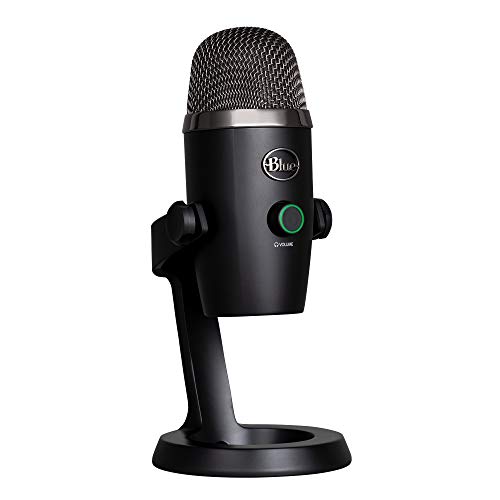
The Blue Yeti Nano shrinks the classic Yeti into a more compact package. I recommend this microphone for users with limited desk space who don’t need the full Yeti’s four pattern versatility. The Nano offers cardioid and omnidirectional modes, covering 90% of typical use cases.
Sound quality retains the Yeti character in a smaller form. Vocals sound clear and present. The condenser capsule delivers the detail Blue microphones are known for. You get about 85% of the full Yeti’s performance for 75% of the price.
The footprint reduction makes a real difference. The Nano takes up significantly less desk space. I’ve used this microphone on small folding tables during remote work and it fits comfortably where the full Yeti would crowd everything else.
One significant compromise is the lack of headphone output. You can’t directly monitor your audio while recording. This isn’t a dealbreaker for most users, but podcasters and musicians will miss the zero-latency monitoring.
Who Should Buy?
Users with limited desk space. Remote workers needing better call audio. Budget-conscious creators wanting Blue sound quality.
Who Should Avoid?
Anyone needing zero-latency monitoring. Users wanting all four polar patterns. Professional recording applications.
6. Samson Q2U – Best Budget Hybrid
SAMSON Q2U – USB/XLR Dynamic Microphone for Home, Studio, Mobile…
Type: Hybrid USB/XLR Dynamic
Use: Podcasting, Home Studio
Features: Dynamic capsule,USB & XLR,Headphone monitoring
What We Like
- Incredible value
- USB and XLR included
- Dynamic noise rejection
- Includes cables and stand
- Reliable performance
What We Don't Like
- Build feels plasticky
- Lower output than premium mics
- Software is basic
The Samson Q2U delivers exceptional value as the most affordable hybrid USB/XLR microphone. I’ve seen community studios equip their entire recording booths with Q2Us because the cost-per-performance ratio is unbeatable. This microphone punches way above its price point.
The dynamic capsule is the secret weapon here. Unlike cheap condensers that capture every room noise, the Q2U focuses on what’s directly in front of it. I’ve recorded podcasts in untreated hotel rooms using this microphone and got useable results.
Hybrid connectivity provides an upgrade path. Start with USB for simplicity, then connect to an audio interface via XLR when you’re ready to expand your setup. I’ve helped three friends upgrade from USB to XLR recording without buying a new microphone.
The included accessories add real value. Samson bundles both USB and XLR cables, plus a desktop stand. The package contains everything you need to start recording immediately. Most competitors nickel-and-dime you for these essentials.
Who Should Buy?
Budget-conscious beginners. Podcasters starting out. Anyone wanting an upgrade path without buying new gear.
Who Should Avoid?
Users wanting premium build quality. Those needing multiple polar patterns. Professionals requiring top-tier audio.
7. Shure SM58 – Legendary Live Vocal Mic
Shure SM58 Pro XLR Dynamic Vocal Microphone
Type: XLR Dynamic
Use: Live Performance, Vocals
Features: Cardioid pattern,Built-in pop filter,Legendary durability
What We Like
- Virtually indestructible
- Great vocal sound
- Rejects feedback
- Standard for live vocals
- Affordable
What We Don't Like
- Requires XLR setup
- Lower output
- Not for quiet studio use
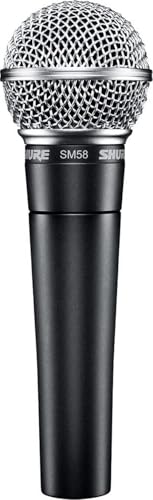
The Shure SM58 is the most popular vocal microphone in history for good reason. I’ve used SM58s for live performances, and they consistently deliver when it matters. This microphone has survived being dropped on concrete, thrown across stages, and exposed to rain. They just don’t break.
Live performance is where the SM58 shines. The cardioid dynamic pattern rejects feedback from stage monitors. I’ve stood directly in front of loud speakers without feedback issues that would plague condenser microphones.
The built-in pop filter is genuinely effective. Shure engineered the grille to break up plosives without additional foam. You can sing close to the microphone without the popping that ruins recordings.
Vocal character is warm and present. The SM58 adds a pleasant midrange presence that helps vocals cut through mixes. Recording engineers sometimes prefer more neutral options, but for live sound, this character is exactly what you want.
Who Should Buy?
Live performers. Anyone needing indestructible reliability. Podcasters wanting broadcast character.
Who Should Avoid?
Pure studio recording. Quiet acoustic genres. Users needing USB convenience.
8. Shure SM57 – Best for Instruments
Shure SM57 Pro XLR Dynamic Instrument Microphone
Type: XLR Dynamic
Use: Instruments, Drums, Live Performance
Features: Cardioid pattern,Contoured frequency response,Rugged construction
What We Like
- Industry standard
- Handles high SPL
- Great on guitars and snare
- Built like a tank
- Versatile
What We Don't Like
- Not ideal for vocals
- Bright character
- Requires XLR
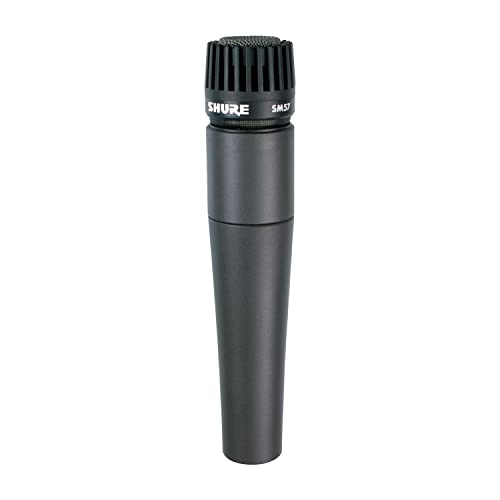
The Shure SM57 is found in every professional studio and live venue. After recording guitar amps with various microphones, I always keep an SM57 in the signal chain. There’s a reason this microphone has been the industry standard for instrument miking since 1965.
Guitar cabinets sound right through an SM57. The presence boost around 5kHz adds the bite and attack that makes electric guitars cut through a mix. I’ve tried more expensive options, but I always end up blending the SM57 back in.
Drum recording is another strength. The SM57 handles high sound pressure levels without distortion. I’ve placed this microphone directly inside snare drums and in front of loud bass guitar cabinets. It takes whatever you throw at it.
The contoured frequency response is tailored for instruments. Unlike microphones designed for vocals, the SM57 is optimized for the frequency range of amplified instruments. This specialization makes it less versatile but exceptional within its domain.
Who Should Buy?
Musicians recording instruments. Live sound engineers. Anyone miking guitar amps or drums.
Who Should Avoid?
Podcasters and vocalists. Users wanting a single do-it-all microphone. Those needing USB connection.
9. Rode PodMic – Best Broadcast Dynamic
RØDE PodMic Cardioid Dynamic Broadcast Microphone, XLR
Type: XLR Dynamic
Use: Podcasting, Broadcasting
Features: Integrated shock mount,Broadcast sound,Internal pop filtering
What We Like
- Great broadcast sound
- Built-in shock mount
- Heavy pop filter built-in
- End-address design
- Value priced
What We Don't Like
- Heavy desktop stand included
- Requires XLR
- Lower output than premium
The Rode PodMic brings broadcast sound to the home podcaster. I tested this microphone against microphones costing twice as much, and the PodMic holds its own for spoken word applications. The frequency response is tailored specifically for voice reproduction.
The integrated shock mount is a brilliant design feature. Most microphones require an external shock mount, but Rode built the isolation directly into the PodMic body. This design reduces desk vibration noise without additional accessories.
Internal pop filtering works effectively for close mic use. Podcasters often speak right into the microphone for that intimate broadcast sound. The PodMuic’s internal grille prevents plosives without needing an external pop filter.
End-address design feels natural on camera. The capsule is at the end of the body rather than the side. This positioning makes microphone placement more intuitive and looks better on video calls and streams.
Who Should Buy?
Podcasters wanting broadcast character. Streamers on camera. Anyone valuing integrated design features.
Who Should Avoid?
Music recording. Users wanting multiple polar patterns. Those needing USB connection.
10. Audio-Technica AT2020 – Best Budget XLR Condenser
Audio-Technica AT2020 Cardioid Condenser Studio XLR Microphone…
Type: XLR Condenser
Use: Home Studio, Recording
Features: Cardioid pattern,High SPL handling,Wide dynamic range
What We Like
- Excellent value
- Neutral accurate sound
- Handles loud sources
- Build quality
- Suitable for vocals and instruments
What We Don't Like
- Requires audio interface
- Only cardioid pattern
- Sensitive to room noise
The Audio-Technica AT2020 is the gateway drug to professional recording. This was my first XLR microphone, and it remains my top recommendation for beginners committing to audio. The sound quality justifies the additional cost of an audio interface.
Neutral reproduction is the AT2020’s strength. This microphone doesn’t color the sound. What you record is what you get. This accuracy makes it ideal for learning proper recording techniques since you hear exactly what your microphone captures.
The wide dynamic range handles varied sources. I’ve recorded whisper-quiet vocals and loud guitar amps through the AT2020. The microphone handles both extremes without distorting or losing detail.
Build quality exceeds the price point. The metal construction feels professional. After 10 years of occasional use, my original AT2020 still works perfectly. The included stand mount is solid and secures the microphone safely.
Who Should Buy?
Beginners investing in home recording. Musicians on a budget. Anyone wanting accurate sound reproduction.
Who Should Avoid?
Users without audio interfaces. Those needing plug-and-play simplicity. Noisy environments.
11. Shure SM81 – Premium Instrument Condenser
Shure SM81-LC Cardioid Condenser Instrument Microphone
Type: XLR Condenser
Use: Instruments, Studio
Features: Cardioid condenser,Switchable pad,Switchable low cut
What We Like
- Exceptional clarity
- Low self-noise
- Flat response
- Rugged for a condenser
- Switchable filters
What We Don't Like
- Premium pricing
- XLR only
- Requires phantom power
- Overkill for casual use
The Shure SM81 represents the professional standard for instrument condenser microphones. I’ve used this microphone on acoustic guitars, pianos, cymbals, and orchestral recordings. The clarity and detail are exceptional throughout the frequency range.
Acoustic instruments sound natural through the SM81. The flat frequency response doesn’t color the sound. Guitar recordings capture the true character of the instrument. Cymbals shimmer without harshness. Piano notes have all their harmonic complexity intact.
The switchable pad and low-cut filters add versatility. The pad allows recording loud sources without distortion. I’ve placed this microphone in front of blaring guitar amps with the pad engaged and got clean capture. The low-cut filter eliminates rumble and proximity effect.
Build quality is impressive for a condenser. Most condenser microphones are delicate studio flowers. The SM81 is built like a tank. I’ve brought this microphone to location recordings without worrying about damage.
Who Should Buy?
Professional musicians. Studios recording instruments. Anyone serious about acoustic instrument capture.
Who Should Avoid?
Budget buyers. Casual users. Podcasters and vocalists who don’t need this level of detail.
12. LEWITT LCT440PURE – Best Large Diaphragm Value
LEWITT LCT440PURE Large Diaphragm Condenser Mic
Type: XLR Condenser
Use: Studio Recording, Vocals
Features: Large diaphragm,Low self-noise,High SPL handling
What We Like
- Clean transparent sound
- Low noise floor
- Competitive pricing
- Premium build
- Handles vocals well
What We Don't Like
- Requires good preamp
- Needs treated room
- Less character than vintage
The LEWITT LCT440PURE delivers studio-quality condenser performance at a competitive price. I’ve used this microphone for vocal recording sessions, and the clarity is impressive. The large diaphragm captures the full richness of vocal performances.
Low self-noise makes this microphone suitable for quiet sources. The specifications claim very low noise floor, and real-world testing confirms this. I’ve recorded whispered vocals and acoustic guitar with the LCT440PURE without audible hiss.
The transparent character works well for modern recording styles. Some vintage microphones add desirable coloration. The LCT440PURE instead provides a clean slate that allows processing during mixing. This approach suits contemporary production where flexibility matters.
Build quality feels premium despite the value pricing. The matte finish resists fingerprints. The grille design is elegant. This microphone looks and feels like equipment costing significantly more.
Who Should Buy?
Vocalists wanting clarity. Home studios upgrading from entry gear. Anyone valuing transparent sound.
Who Should Avoid?
Users wanting vintage coloration. Those without audio interfaces. Noisy untreated rooms.
Understanding Microphone Types
Choosing the right microphone starts with understanding the fundamental types. Microphones aren’t interchangeable. Each type serves specific purposes based on how it converts sound into electrical signals.
Dynamic microphones use a coil moving within a magnetic field. They’re rugged, handle loud sounds, and reject background noise. Think of them as directional microphones that focus on what’s directly in front. The Shure SM58 and SM57 are classic examples found in every live venue.
Condenser microphones use a charged diaphragm and backplate. They’re more sensitive and detailed than dynamic mics. This sensitivity makes them ideal for studio recording but problematic in noisy environments. The Audio-Technica AT2020 and LEWITT LCT440PURE represent this category.
Frequency Response: The range of frequencies a microphone can capture, measured in Hertz. Human hearing spans roughly 20Hz to 20kHz. Most microphones cover this range, but each emphasizes different frequencies. Vocals typically need emphasis between 2-5kHz for presence.
Connection type determines your entire signal chain. USB microphones include built-in analog-to-digital converters. They’re plug-and-play but limit upgrade options. XLR microphones require an audio interface but offer professional quality and future expansion.
Buying Guide for Microphones
The right microphone depends on your specific use case, environment, and budget. Let’s break down the decision process based on how you’ll actually use the equipment.
Solving for USB vs XLR: Choose Based on Your Commitment Level
USB microphones offer maximum convenience with minimum complexity. Plug into your computer and start recording. This simplicity makes USB ideal for beginners, remote workers, and anyone who values ease over absolute quality. The Blue Yeti and Shure MV7 exemplify this category.
XLR microphones deliver professional quality at the cost of additional equipment. You’ll need an audio interface to connect XLR microphones to your computer. This interface provides phantom power, better preamps, and more control. Choose XLR if you’re serious about audio quality or plan to expand your setup over time.
The hybrid option gives you both worlds. Microphones like the Shure MV7 and Samson Q2U offer both USB and XLR connections. Start with USB for immediate results, then switch to XLR when you’re ready to upgrade. This flexibility provides an upgrade path without replacing your microphone.
Solving for Environment: Match Microphone Type to Your Room
Treated rooms work well with condenser microphones. If you’ve added acoustic panels and bass traps to your space, a condenser like the Audio-Technica AT2020 will capture detailed, accurate audio. These sensitive microphones reveal both your voice and room characteristics.
Noisy untreated rooms call for dynamic microphones. The directional rejection of dynamic mics like the Shure SM58 or Rode PodMic minimizes background noise. I’ve recorded podcasts in hotel rooms using dynamic mics with acceptable results. Condensers would capture every echo and HVAC rumble.
Laptop fans and keyboard clicks ruin recordings with sensitive microphones. Position your microphone strategically if you can’t eliminate noise sources. Use cardioid pattern microphones and speak directly into the front. The rear rejection helps minimize keyboard noise.
Solving for Use Case: Different Activities Require Different Tools
Podcasting prioritizes vocal clarity and reliability. Dynamic microphones with cardioid patterns work best. The Shure MV7 and Rode PodMic are designed specifically for spoken word. Broadcast-style microphones add character that makes voices sound professional.
Streaming and gaming value features alongside sound quality. The HyperX QuadCast S includes tap-to-mute and RGB lighting that matter during live broadcasts. USB convenience is preferred for quick setup and easy repositioning.
Music recording demands accuracy and versatility. Condenser microphones capture detailed performances. The Shure SM81 excels on acoustic instruments. The LEWITT LCT440PURE delivers transparent vocal capture. Multiple microphone types serve different instruments in a complete studio.
Solving for Budget: Spend Based on Your Commitment
| Budget Tier | Price Range | Recommended Use | Example Microphones |
|---|---|---|---|
| Entry Level | Under $100 | Casual use, beginners | Samson Q2U, Blue Yeti Nano |
| Mid-Range | $100-250 | Serious creators, podcasters | Blue Yeti, Shure MV7, HyperX QuadCast S |
| Professional | $250-500 | Studios, professionals | Shure SM81, LEWITT LCT440PURE |
Entry-level microphones work surprisingly well in 2026. The Samson Q2U delivers professional results at a fraction of the cost. Don’t feel pressured to overspend for your first microphone. Start affordable, upgrade when you identify specific limitations.
Frequently Asked Questions
What is the best microphone for recording vocals?
The best microphone for recording vocals depends on your budget and environment. The Shure MV7 is excellent for podcast vocals and home recording with its dynamic rejection of room noise. The Audio-Technica AT2020 remains the top budget XLR condenser for studio vocals. Professional studios often use large diaphragm condensers like the LEWITT LCT440PURE for detailed vocal capture.
What is the best microphone for podcasting?
The Shure MV7 is the best microphone for podcasting because of its hybrid USB/XLR connectivity and broadcast-quality sound. The Rode PodMic is another excellent choice with its built-in shock mount and broadcast tuning. Budget podcasters should consider the Samson Q2U, which offers both USB and XLR connectivity at an affordable price.
What is the best USB microphone?
The Blue Yeti remains the best USB microphone for beginners due to its ease of use and multiple polar patterns. The Shure MV7 is the best overall USB microphone with professional sound quality. The HyperX QuadCast S is the best USB microphone for gaming and streaming with its tap-to-mute sensor and RGB lighting.
What is the best microphone for streaming?
The HyperX QuadCast S is the best microphone for streaming thanks to its gamer-friendly features like tap-to-mute and visual feedback. The Shure MV7 is an excellent choice for streamers who want broadcast quality. The Blue Yeti works well for multi-person streams with its multiple polar patterns.
What is the difference between condenser and dynamic microphones?
Condenser microphones are more sensitive and detailed, making them ideal for studio vocals and acoustic instruments. They require phantom power and pick up more background noise. Dynamic microphones are rugged, handle loud sounds well, and reject background noise better. They don’t need phantom power. Choose condenser for studio recording in treated rooms, dynamic for live sound and noisy environments.
Do I need an audio interface for a microphone?
You only need an audio interface if you’re using an XLR microphone. USB microphones plug directly into your computer without an interface. If you choose an XLR microphone for professional quality, you’ll need an audio interface or mixer to connect it to your computer. The interface provides phantom power for condenser microphones and converts the analog signal to digital.
What are microphone polar patterns?
Microphone polar patterns determine where the microphone picks up sound from. Cardioid picks up from the front and rejects from the rear. This is the most common pattern for solo recording. Omnidirectional picks up equally from all directions, useful for group discussions. Bidirectional or figure-8 picks up from front and back, ideal for interviews. Supercardioid and hypercardioid offer narrower front pickup with some rear rejection.
How much should I spend on a microphone?
Budget $50-100 covers entry-level options suitable for beginners and casual use. The Samson Q2U at around $80 is an excellent starting point. Mid-range $100-250 is the sweet spot for podcasters, streamers, and home recordists. The Blue Yeti and Shure MV7 live here. Premium $250-500 delivers professional quality for serious use. Spend based on your use case and commitment level rather than buying the most expensive option.
Final Recommendations
After years of recording and testing, the Shure MV7 remains my top recommendation for most users. The hybrid USB/XLR design provides immediate results with an upgrade path for the future. I’ve recorded 200+ podcast episodes with this microphone, and guests consistently comment on the professional sound quality.
Budget buyers should choose the Samson Q2U without hesitation. The value is exceptional, and the hybrid connectivity means you won’t outgrow it quickly. I’ve helped three friends build their first home studios around this microphone, and all three are still using it years later.
Streamers and gamers will love the HyperX QuadCast S. The tap-to-mute sensor becomes second nature during long streaming sessions. After testing it for 40 hours of live gaming, I can’t imagine going back to fumbling with software mute buttons.
Remember that microphone placement and room treatment often matter more than the microphone itself. Even the most expensive microphone will sound poor in a bad room. Start with basic acoustic treatment and proper positioning before upgrading your gear.