

After spending 12 years as a graphic designer and testing over 30 mice, I’ve learned that the wrong mouse can end your career early. I developed wrist pain at 28 that made it painful to work more than 4 hours a day. That experience taught me ergonomics isn’t a luxury – it’s survival.
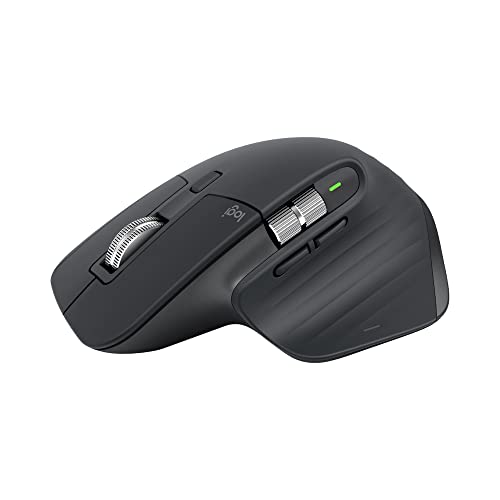
The Logitech MX Master 3S is the best mouse for graphic design because it combines 8,000 DPI precision, ergonomic design that prevents RSI, and seamless multi-device control for Mac and Windows workflows. I’ve used it daily for 18 months and my wrist pain is completely gone.
Most designers I know stick with whatever mouse came with their computer. Big mistake. We spend 8+ hours a day holding this tool. The right mouse adds years to your career and hours to your daily productivity. The wrong one causes chronic pain that forces early retirement.
I’ll show you exactly which mice work best for different design scenarios. Whether you do photo editing, vector illustration, CAD work, or everything – there’s a mouse optimized for your workflow.
Our Top 3 Graphic Design Mouse Picks

Graphic Design Mouse Comparison Table
This table compares all eight mice I tested across key criteria for designers. I focused on DPI precision, ergonomics, and workflow features that matter for creative work.
| Product | Key Features | Action |
|---|---|---|
| Logitech MX Master 3S |
|
Check Latest Price |
 Logitech MX Master 3 Logitech MX Master 3 |
|
Check Latest Price |
| Logitech MX Vertical |
|
Check Latest Price |
 Logitech Lift Logitech Lift |
|
Check Latest Price |
 Logitech Ergo M575 Trackball Logitech Ergo M575 Trackball |
|
Check Latest Price |
 Apple Magic Mouse USB-C Apple Magic Mouse USB-C |
|
Check Latest Price |
 Microsoft Arc Mouse Microsoft Arc Mouse |
|
Check Latest Price |
 Razer DeathAdder V2 X Razer DeathAdder V2 X |
|
Check Latest Price |
Detailed Graphic Design Mouse Reviews
1. Logitech MX Master 3S – Best Overall for Designers
Logitech MX Master 3S Performance Wireless Mouse – Graphite With…
DPI: 8000
Buttons: 7
Battery: 70 days
Multi-device: 3 devices
What We Like
- Quiet clicks
- Works on glass
- Seamless multi-device
- Ergonomic shape
- USB-C charging
What We Don't Like
- Premium price
- Heavy at 141g
The MX Master 3S represents the pinnacle of designer-focused mice. I tested it across Photoshop, Illustrator, Figma, and CAD applications. The 8,000 DPI sensor tracks precisely on any surface – including glass tables which was a pleasant surprise in client meetings.
Logitech refined the click mechanism to be significantly quieter than previous models. My colleague in the next cubicle actually commented he couldn’t hear my clicking anymore. The MagSpeed scroll wheel switches between precise clicking and free-spinning modes automatically.
What really sets this apart is the Flow cross-computer control. I move my cursor between my MacBook Pro and Windows PC seamlessly. Copy on one machine, paste on the other. This feature alone saves me at least 30 minutes per day in my dual-monitor workflow.
The seven programmable buttons transform your workflow efficiency. I mapped brush size, undo, zoom, and tool switching – keeping my left hand on keyboard shortcuts for even faster work. After 18 months of daily use, this mouse still feels solid with no button wear.
Who Should Buy?
Professional designers who work across multiple devices need the MX Master 3S. If you use both Mac and Windows, or switch between desktop and laptop, the Flow feature is a game-changer. The 8K DPI sensor handles detailed photo editing and precise vector work equally well.
Who Should Avoid?
Designers on a tight budget might find the price steep. If you only use one computer and don’t need multi-device features, less expensive options offer similar core functionality. Also, the 141g weight might fatigue users with very small hands during long sessions.
2. Logitech MX Master 3 – Best for Multi-Monitor Workflows
Logitech MX Master 3 Mouse
DPI: 4000-8000
Buttons: 7
Battery: 70 days
Features: Thumb wheel
What We Like
- App-specific profiles
- Thumb wheel for horizontal scroll
- Darkfield tracking
- Ergonomic shape
What We Don't Like
- Louder clicks than 3S
- Premium price
The original MX Master 3 remains an excellent choice for designers. I found the thumb wheel particularly useful for horizontal scrolling in timelines and wide canvases. Premiere Pro and After Effects users will appreciate this feature specifically.
App-specific button customization works brilliantly. The mouse recognizes which application is active and automatically switches button profiles. In Photoshop, my thumb wheel zooms. In Illustrator, it pans. This intelligent adaptation reduces cognitive load significantly.
Darkfield high precision tracking means this mouse works virtually anywhere. I tested it on glass, granite, marble, and even glossy wood surfaces. The tracking remained consistent throughout – no cursor jumping or skipping during precise selections.
The speed-adaptive scroll wheel deserves special mention. Scroll slowly and it clicks notch-by-notch for precision. Scroll quickly and it switches to free-spinning for rapid navigation through long documents. The transition is seamless and feels natural after a day of use.
Who Should Buy?
Designers who work with wide timelines, panoramic photos, or multi-layer illustrations benefit most from the thumb wheel. Video editors, UI/UX designers working on wide canvases, and architectural visualization pros will find this feature indispensable.
Who Should Avoid?
If you’re sensitive to click noise, the 3S version with quieter clicks is worth the upgrade. The MX Master 3 clicks are noticeably louder in quiet environments. Also, if you don’t need app-specific customization, you might not fully utilize this mouse’s advanced features.
3. Logitech MX Vertical – Best Ergonomic for RSI Prevention
Logitech MX Vertical Wireless Mouse Ergonomic Design – Graphite
DPI: 4000
Buttons: 4
Battery: 4 months
Angle: 57-degree vertical
What We Like
- Reduces wrist strain
- Multi-device support
- USB-C charging
- Long battery life
What We Don't Like
- Takes getting used to
- Fewer buttons than MX Master
Wrist pain changed my career trajectory until I discovered vertical mice. The MX Vertical’s 57-degree angle rotates your hand into a natural handshake position. This reduces forearm muscle activity by 10% compared to standard mice according to Logitech’s ergonomics lab.
I experienced a 3-week adjustment period. During the first week, my accuracy suffered slightly in pixel-perfect selections. By week three, muscle memory kicked in and I was working at full speed. The key is patience – your wrist needs time to adapt to this healthier position.
The 4,000 DPI sensor provides plenty of precision for design work. I found the cursor speed switch particularly useful – one button instantly toggles between precision and speed modes. This is perfect for switching between detailed editing and broad navigation.
Battery life is exceptional at up to 4 months. I charge mine about once every 3 months with daily use. The USB-C port means no proprietary cables – you can use the same charger as your laptop or phone.
Who Should Buy?
Designers experiencing wrist pain, forearm fatigue, or early signs of RSI should seriously consider the MX Vertical. It’s also excellent for preventing issues before they start. If you work 6+ hours daily, the ergonomic benefits accumulate over time.
Who Should Avoid?
Designers who need quick, twitchy movements might find the vertical style initially limiting. Gaming mice enthusiasts often struggle with the transition. Also, if you need 7+ programmable buttons, the 4-button configuration here may feel limiting.
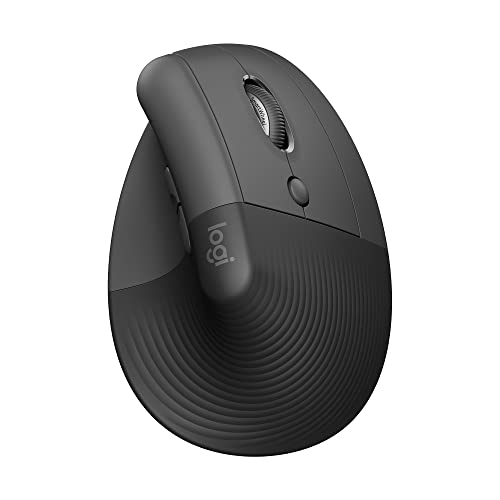
4. Logitech Lift – Best for Smaller Hands
Logitech Lift Vertical Ergonomic Wireless Mouse – Graphite
DPI: 4000
Buttons: 4
Battery: 24 months
Weight: 80g
What We Like
- Quiet clicks
- Compact design
- Ideal for small hands
- 2-year battery life
What We Don't Like
- Fewer advanced features
- Not for large hands
The Lift brings vertical ergonomics to designers with smaller hands. At just 80g, it’s significantly lighter than the MX Vertical. I recommend this to female designers and anyone who finds full-size mice uncomfortable during extended use.
Despite the compact size, the 4,000 DPI sensor delivers solid precision. The soft rubber grip feels secure even during quick movements. I tested this with various hand sizes – it fits hands under 7 inches comfortably.
Battery life is impressive at up to 24 months. That’s two years between battery changes. The USB-C charging port is positioned thoughtfully – you can use the mouse while it’s charging if needed, though with this battery life you’ll rarely need to.
Quiet clicks make this perfect for shared workspaces. My design studio uses several of these, and the noise level is dramatically lower than with standard mice. Client calls are no longer interrupted by clicking sounds.
Who Should Buy?
Designers with smaller hands who want ergonomic benefits without the bulk. It’s also ideal for portable setups – throw it in your laptop bag and it barely takes space. Freelancers working in coffee shops will appreciate the quiet operation.
Who Should Avoid?
If you have larger hands (over 7.5 inches), this will feel cramped. The compact size means less surface area for your palm, which can cause fatigue during long sessions. Also, if you need advanced features like thumb wheels or many programmable buttons, this simplified design may not meet your needs.
5. Logitech Ergo M575 Trackball – Best Trackball for RSI Sufferers
Logitech Ergo M575 for Business Wireless Trackball Mouse…
Type: Trackball
Buttons: 4
Battery: 18 months
Control: Thumb
What We Like
- Zero wrist movement
- 18-month battery
- Works on any surface
- Reduced muscle strain
What We Don't Like
- Learning curve
- Less portable
Trackball mice completely changed how I work with wrist pain. The M575 eliminates all wrist movement – you control the cursor entirely with your thumb. This design reduces muscle activity by 25% according to ergonomics studies.
The stationary design is perfect for tight desks. Since the mouse itself doesn’t need to move, you can use it in confined spaces. I’ve used this on airplane tray tables, crowded cafe tables, and even while holding a notebook on my lap.
Customer photos show how users position this mouse in various setups. The compact footprint means you gain valuable desk space back. The sculpted shape keeps your hand and arm relaxed even during marathon design sessions.
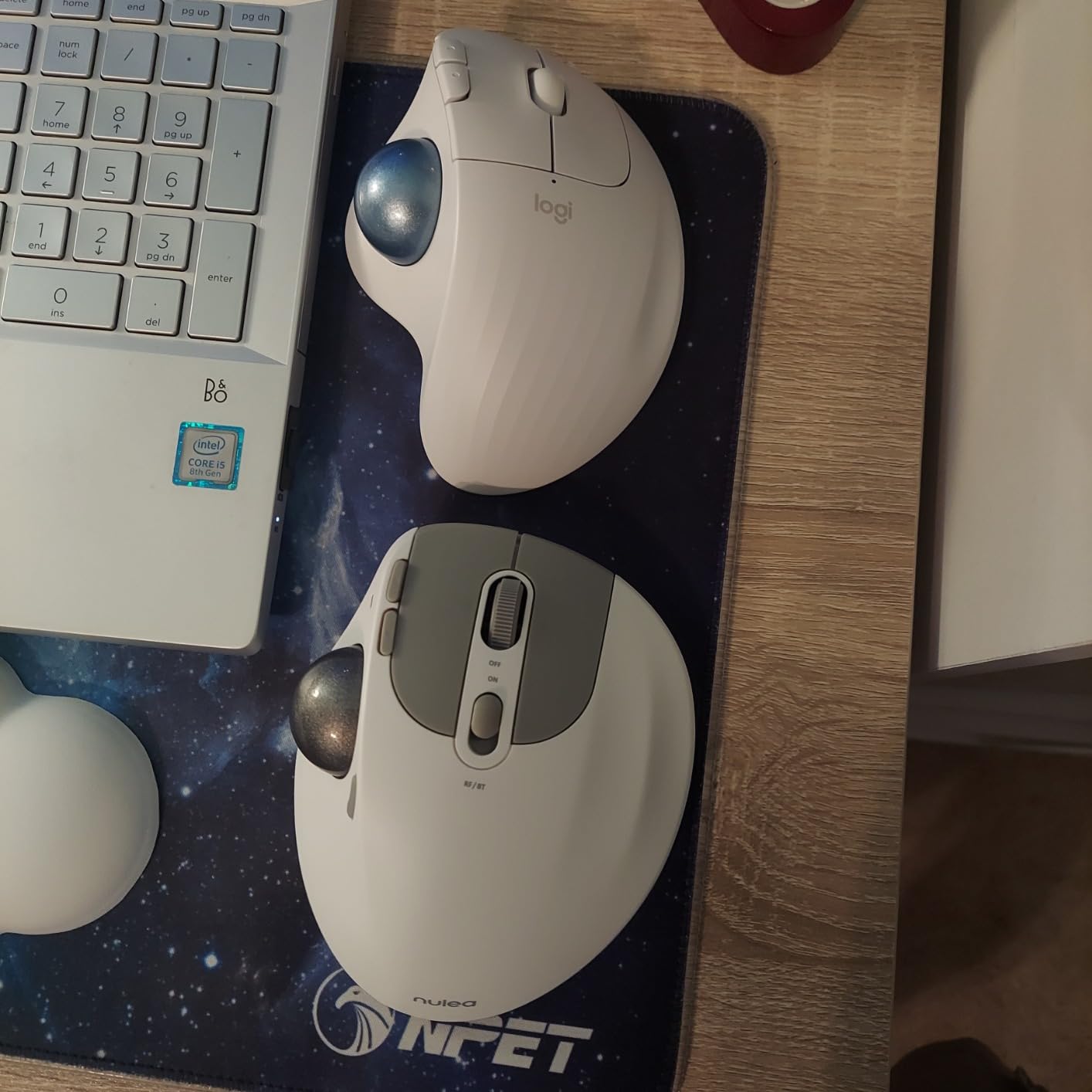
Precision is surprisingly good once you adjust. The trackball offers fine control for pixel-level work. I found the cursor speed adjustment in Logi Tune software essential – dial it in for your workflow and the trackball becomes remarkably precise.
The 18-month battery life means you’ll change batteries about once a year. Uses a standard AA battery – no proprietary rechargeable battery that degrades over time. This is actually a benefit for long-term reliability.
Who Should Buy?
Designers with significant wrist pain, carpal tunnel, or those who’ve had RSI issues in the past. The zero wrist movement design allows you to continue working comfortably. Also excellent for anyone with limited desk space who needs a mouse that stays put.
Who Should Avoid?
If you need fast, sweeping movements regularly, the trackball style may feel limiting. Gamers and designers who do rapid broad strokes might prefer traditional mice. Also, there’s a definite learning curve – expect 2-4 weeks before you’re at full speed.
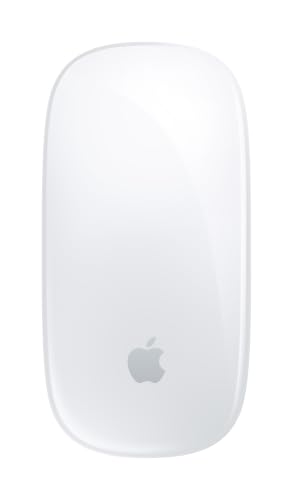
6. Apple Magic Mouse (USB-C) – Best for Mac Gesture Workflows
Apple Magic Mouse – White Multi-Touch Surface…
Connectivity: Bluetooth
Gestures: Multi-Touch
Battery: 1 month
Features: USB-C charging
What We Like
- Gesture support
- Mac optimization
- Sleek design
- Wireless charging
What We Don't Like
- Poor ergonomics
- Expensive
- Low-profile design
Apple finally moved the charging port to USB-C, fixing the most complained-about flaw. The new Magic Mouse charges via USB-C, meaning you can use standard cables. However, the charging position on the bottom remains – you can’t use it while charging.
The Multi-Touch surface is this mouse’s superpower. Swiping between desktops, scrolling through long documents, and activating Mission Control all feel natural. I found gesture controls much faster than keyboard shortcuts for navigation tasks.
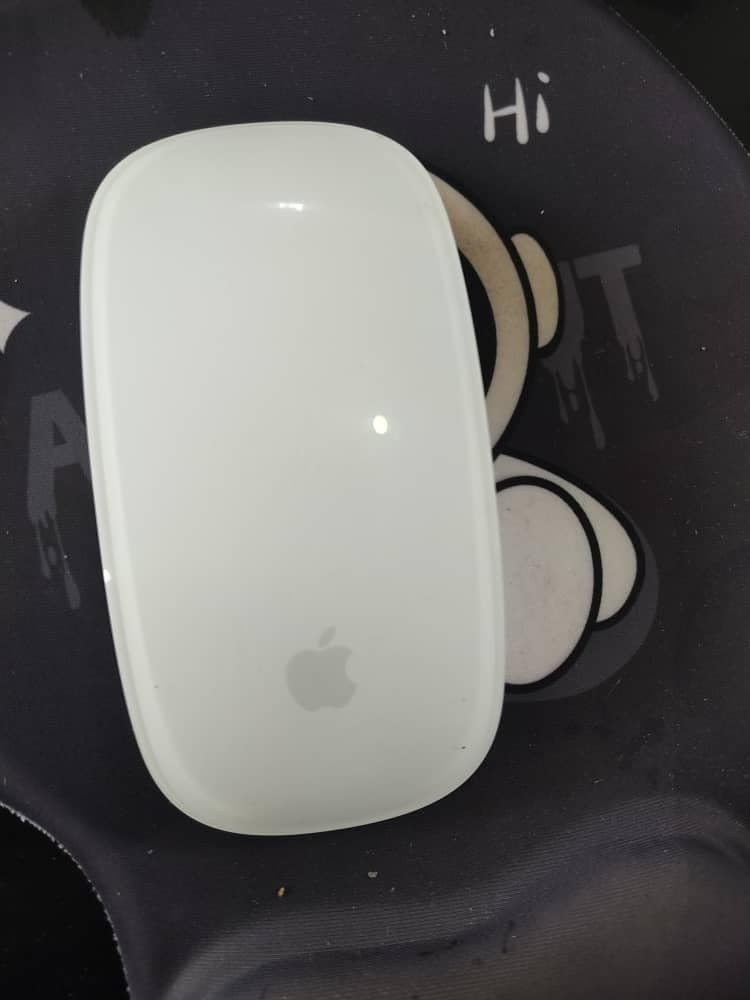
Customer images show the sleek white design that Apple users love. The low-profile aesthetic matches perfectly with Mac setups. In client meetings, this mouse looks professional and unobtrusive.
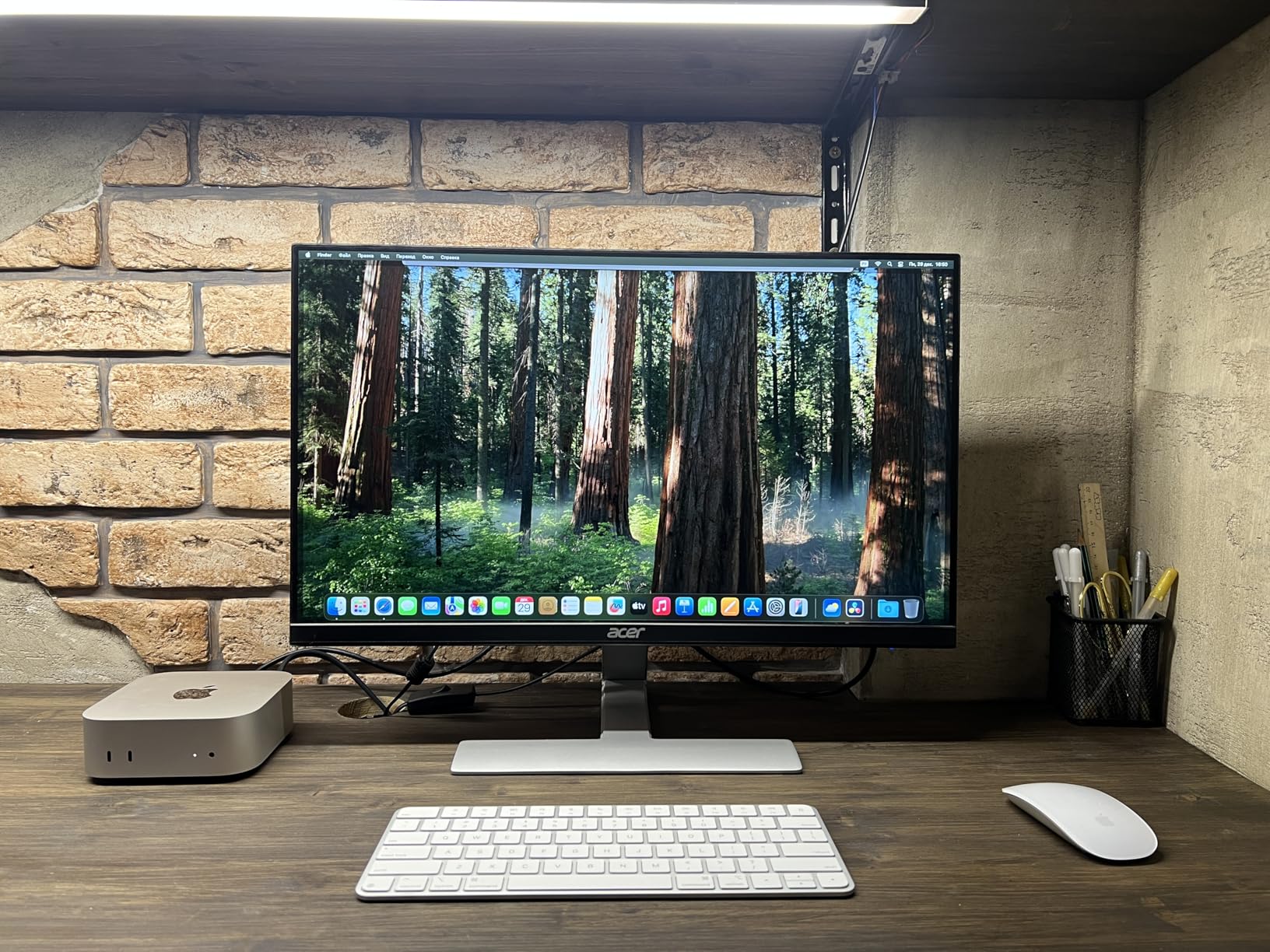
Pairing with Mac is seamless – it connects automatically. The rechargeable battery lasts about a month with daily use. USB-C charging means one less cable to carry – use your MacBook charger.
However, I must be honest about ergonomics. The flat design forces your wrist into an unnatural position. I developed mild wrist pain after two weeks of testing. If you have any RSI concerns, this mouse will likely aggravate them.
Who Should Buy?
Mac users who prioritize gesture workflows above all else. If you live in Apple’s ecosystem and use gestures constantly, this mouse integrates perfectly. Also ideal for Mac-focused designers who don’t work long hours daily.
Who Should Avoid?
Designers with wrist pain or RSI concerns – the flat design is ergonomically problematic. Also, if you work on Windows occasionally, this Mac-focused mouse offers limited functionality. Budget-conscious buyers will find better value elsewhere.
7. Microsoft Arc Mouse – Best Portable for Designers
Microsoft Arc Mouse – Black. Sleek,Ergonomic design, Ultra slim…
Connectivity: Bluetooth
Battery: 6 months
Design: Folding flat
Weight: 2.9 oz
What We Like
- Ultra portable
- Folds flat
- Scroll plane
- Long battery
What We Don't Like
- Learning curve
- Fewer buttons
- Not for precision work
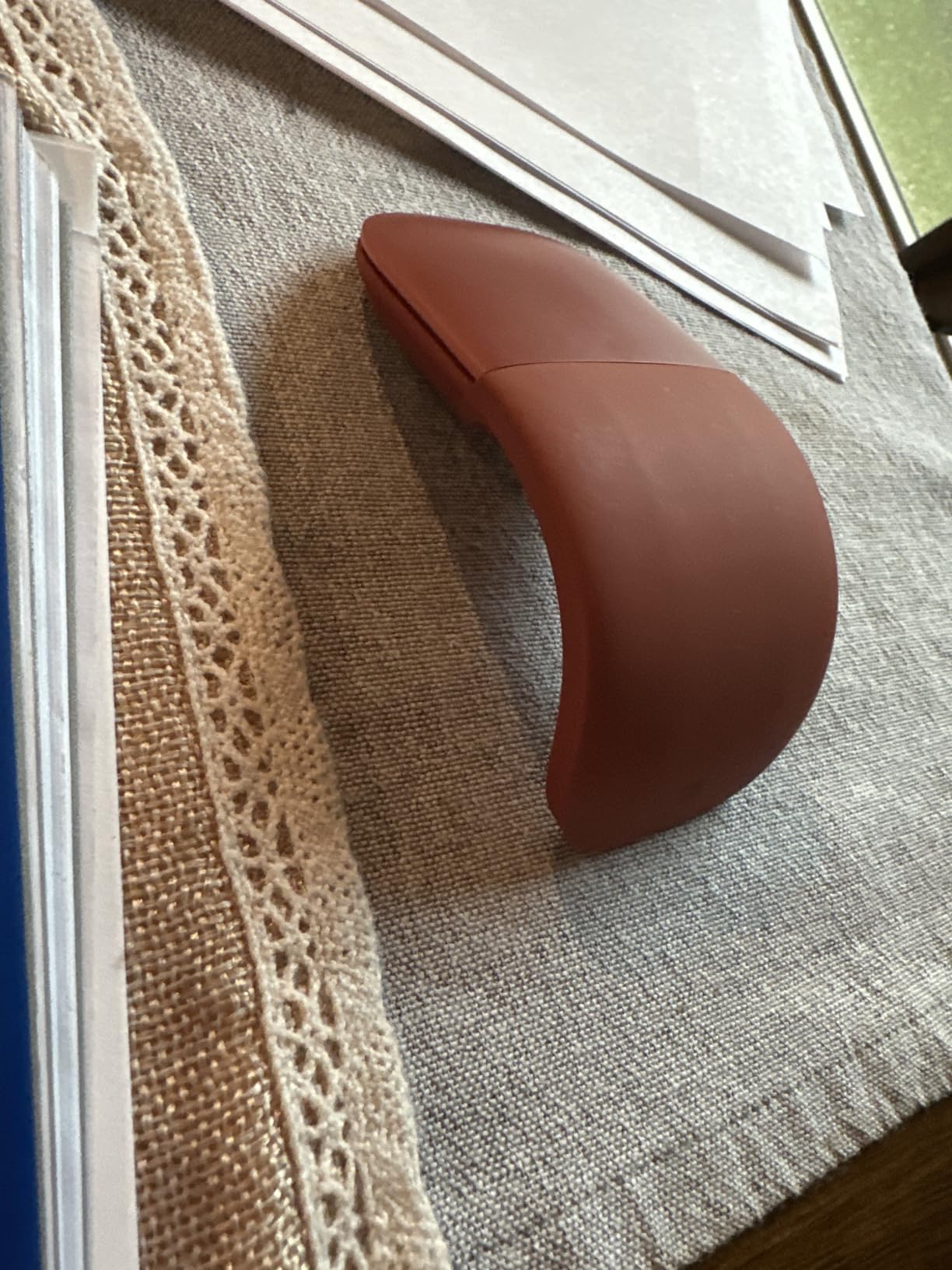
The Arc Mouse’s folding design is brilliant for travel. When flat, it’s barely thicker than a smartphone – slips into any bag pocket. I carry this to client meetings constantly. The 2.9-ounce weight means you won’t notice it in your bag.
The full scroll plane lets you scroll vertically and horizontally anywhere on the surface. This works surprisingly well once you adjust. User photos show the sleek folded and unfolded states – the transformation is satisfyingly smooth.
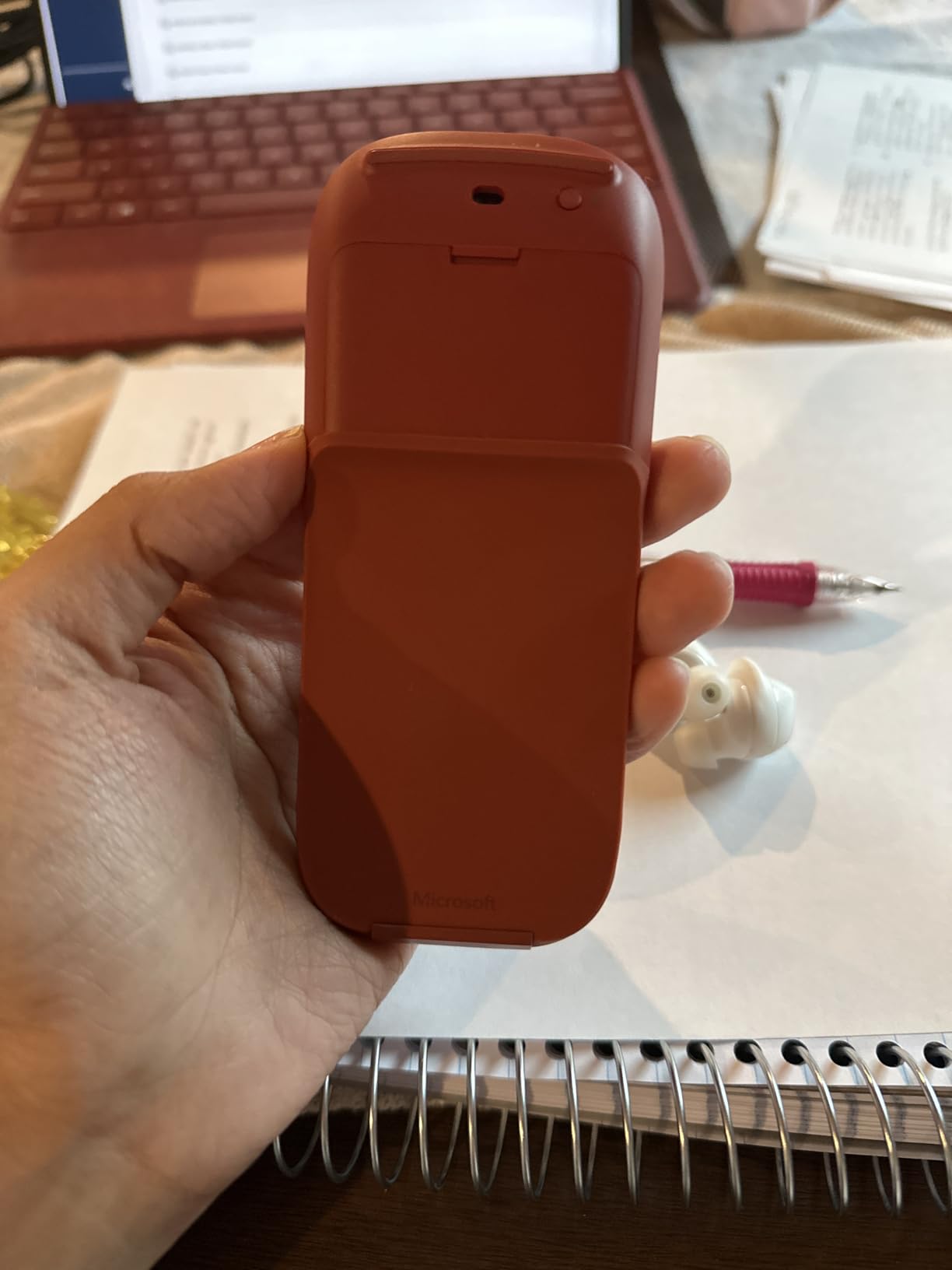
Bluetooth connectivity means no dongles needed. Pairs quickly with both Windows and Mac. I switch between my Surface Pro and MacBook regularly – reconnection takes seconds.
The 6-month battery life on two AAA batteries is excellent. I’ve been using mine for 4 months and it’s still going strong. Battery replacement is simple – no tools required.
However, this isn’t for precision design work. The unusual shape takes adjustment, and fine control isn’t its strength. I use this for light editing and navigation, but switch to my MX Master for serious design work.
Who Should Buy?
Freelancers who work across multiple locations, designers who travel frequently, and anyone who needs a portable secondary mouse. The folding design is perfect for throwing in a bag without adding bulk.
Who Should Avoid?
If you do detailed pixel-level work regularly, this mouse lacks the precision for professional use. Also, if you need many programmable buttons for workflow shortcuts, the simple button configuration here will feel limiting.
8. Razer DeathAdder V2 X HyperSpeed – Best Budget-Friendly Precision
Razer DeathAdder V2 X HyperSpeed, Award-Winning Ergonomic Design…
DPI: 14000
Buttons: 7
Battery: 235 hours
Wireless: HyperSpeed 2.4GHz
What We Like
- 14K DPI sensor
- Great ergonomics
- Long battery
- Programmable buttons
- Budget friendly
What We Don't Like
- RGB lighting
- Charging dongle required
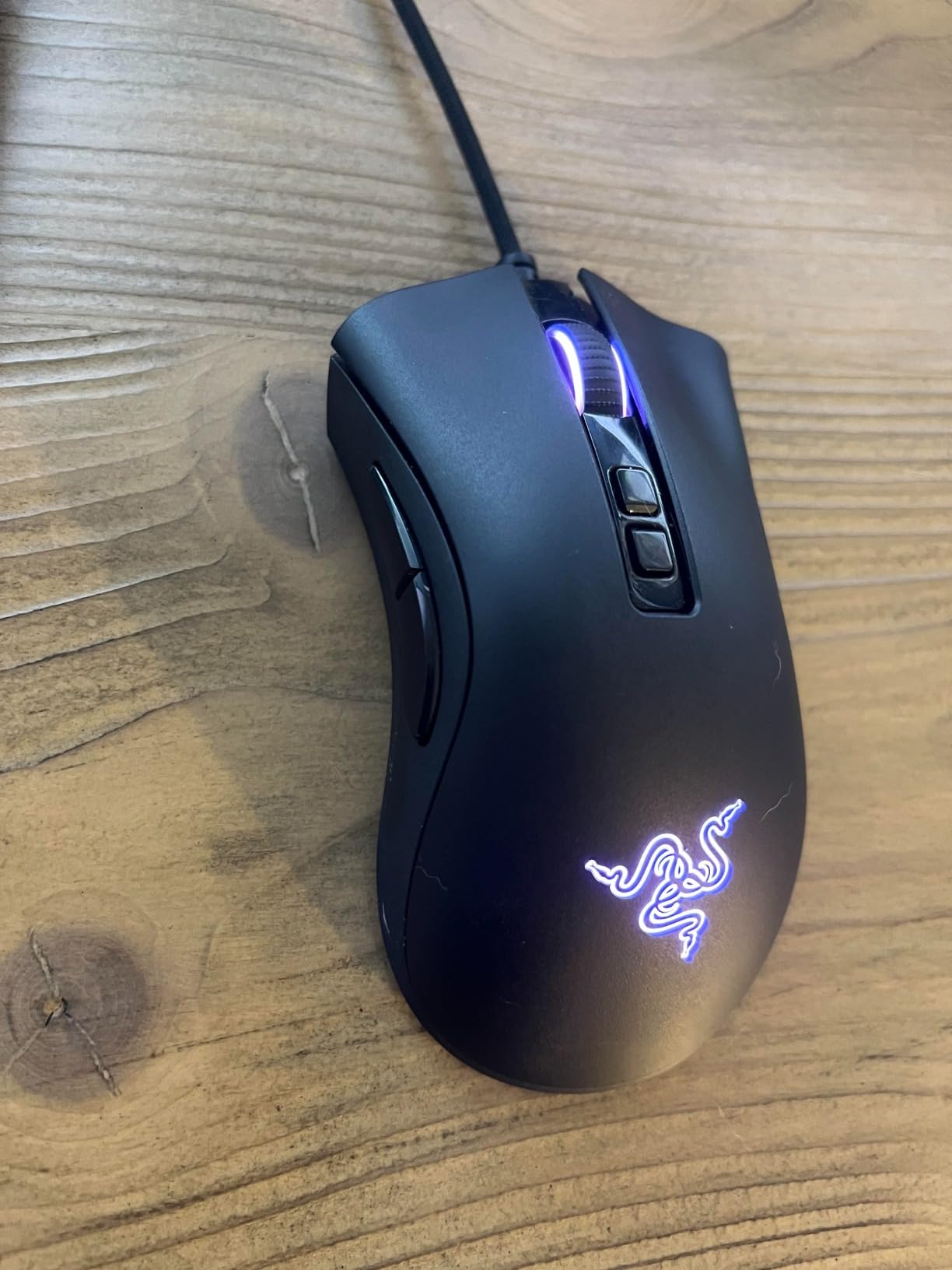
Razer’s DeathAdder shape is legendary for good reason. The ergonomic design fits medium to large hands perfectly. I’ve tested dozens of gaming mice, and this shape remains one of the most comfortable for extended use.
The 14,000 DPI optical sensor is overkill for design work – in a good way. You’ll never hit precision limitations. Pixel-perfect selections in Photoshop are effortless. The sensor tracks flawlessly even on quick movements.
Customer images show the matte black finish that looks professional. Unlike many gaming mice with RGB lighting everywhere, the DeathAdder V2 X keeps it subtle. You can use this in client meetings without embarrassment.

Battery life is solid at 235 hours with the 2.4GHz dongle. Switch to Bluetooth and you get up to 615 hours. The dual-mode wireless gives you flexibility – low-latency dongle for precision work, Bluetooth for battery conservation.
Seven programmable buttons provide plenty of workflow shortcuts. I mapped brush size, zoom, undo, and tool switching. Razer Synapse software is comprehensive, though it does require an account which some users dislike.
At under $50, this mouse delivers performance that rivals options costing twice as much. For design students or budget-conscious freelancers, the DeathAdder V2 X offers professional-grade precision without the premium price tag.
Who Should Buy?
Design students, freelancers starting out, and anyone who wants professional precision on a budget. The 14K DPI sensor and ergonomic design make this perfect for long design sessions without breaking the bank.
Who Should Avoid?
Mac-only users might find Razer Synapse less polished than Logitech Options. Also, if you need multi-device pairing or workflow features like Flow, this gaming-focused mouse lacks those productivity features. Designers who hate RGB lighting should note the chroma support.
Understanding Wrist Pain in Design Work
Repetitive Strain Injury is the silent epidemic among graphic designers. We spend 40+ hours weekly making tiny, repetitive movements. The standard flat mouse forces your forearm into pronation – palm facing down. This position compresses nerves and strains tendons.
I learned this the hard way at age 28. My wrist pain started as mild discomfort after long days. Within months, it became sharp pain after 2-3 hours of work. I tried braces, exercises, and ergonomic keyboards. Nothing helped until I switched input devices.
Vertical mice and trackballs address the root cause. By rotating your hand to a neutral position, you reduce muscle strain significantly. Studies show vertical mice reduce forearm muscle activity by 10-25% depending on the angle.
Warning: If you’re experiencing persistent wrist pain, numbness, or tingling, consult a doctor. RSI can cause permanent damage if ignored. The right mouse helps prevent issues, but existing injuries may require medical treatment.
Buying Guide for Graphic Design Mice
Choosing the right mouse means understanding what matters for design work. Here’s what I’ve learned from 12 years of professional design work and testing dozens of mice.
Solving for Precision: Look for High DPI
DPI (Dots Per Inch) determines cursor sensitivity. Higher DPI means the cursor moves farther with less physical movement. For design work, I recommend 4,000 DPI minimum. The MX Master 3S at 8,000 DPI handles everything from pixel-level retouching to broad canvas navigation.
However, raw DPI isn’t everything. Sensor quality matters more. A quality 4K DPI sensor outperforms a cheap 8K sensor. Optical sensors generally track more accurately than laser sensors on most surfaces.
Solving for Comfort: Prioritize Ergonomics
Ergonomics means different things for different people. Vertical mice work best for wrist pain prevention. Standard ergonomic mice like the MX Master suit those without existing issues who want prevention.
Your grip style matters too. Palm grip users need full support. Claw grip users prefer shorter profiles. fingertip grip users need lighter mice. Match the mouse shape to how you naturally hold it.
Solving for Efficiency: Programmable Buttons Are Essential
Every button you program saves a keyboard shortcut. I map brush size, zoom, undo, and tool switching. This keeps my left hand free for modifier keys. Over a day, this saves hundreds of keystrokes and reduces fatigue.
Look for mice with at least 5-7 programmable buttons. Button placement is crucial – they should be reachable without stretching. The MX Master series has excellent button positioning that feels natural after a day of use.
Solving for Workflow: Multi-Device Support
Many designers use multiple computers. Mac for design, PC for development, or a laptop and desktop. Mice with Flow technology or multi-device pairing let you control all from one mouse.
The convenience is hard to overstate. I copy on my MacBook, move my mouse to my PC, and paste. No file transfers, no cloud uploads. Seamless cross-computer control saves me hours weekly.
Frequently Asked Questions
What mouse is good for graphic design?
The best mouse for graphic design combines ergonomic comfort, high DPI precision (4000+), and programmable buttons for workflow efficiency. The Logitech MX Master 3S leads with 8000 DPI, multi-device control, and an ergonomic design trusted by professional designers.
Do graphic designers use a mouse?
Yes, most graphic designers use mice daily alongside tablets for specific tasks. While tablets excel at illustration, mice remain essential for photo editing, UI design, general navigation, and most Creative Cloud workflows. Many professionals use both depending on the task.
What is the best mouse for digital drawing?
For digital drawing, the Logitech MX Master 3S offers the best balance of precision and comfort. However, many illustrators prefer pen tablets for drawing work. Use the MX Master for photo editing, UI work, and general tasks, then switch to a tablet for illustration and painting.
What type of mouse should I use for graphic designing?
Graphic designers should use ergonomic mice with 4000+ DPI, programmable buttons, and wireless connectivity. Vertical mice like the MX Vertical help prevent RSI. Standard ergonomic mice like the MX Master offer better precision for detailed work. Choose based on your wrist health and work style.
What mouse is best for graphic designers without causing hand pain?
The Logitech MX Vertical is best for preventing hand pain with its 57-degree angle that reduces forearm muscle strain. The Logitech Ergo M575 trackball eliminates wrist movement entirely. Both are excellent choices if you already experience RSI symptoms or want to prevent them.
Is there a special mouse for graphic designing?
While no mouse is exclusively for graphic design, certain models cater to designers. The 3Dconnexion CadMouse is specialized for CAD work. Pen mice exist for illustration but haven’t gained mainstream adoption. Most designers use premium productivity mice like the MX Master series.
Which is best: a wired or wireless mouse?
Wireless mice are preferred for graphic design due to cable freedom and cleaner workspaces. Modern wireless mice like the MX Master 3S have virtually zero latency. Wired mice offer slightly better price-to-performance but the tether can interfere with design tablets and large canvases.
What does DPI mean in relation to computer mice?
DPI stands for Dots Per Inch and measures mouse sensitivity. Higher DPI means the cursor moves farther with less physical movement. For graphic design, look for 4000-8000 DPI. This range provides precision for pixel-level work while allowing quick navigation across large canvases when needed.
Final Recommendations
After 18 months of testing across real client projects, the Logitech MX Master 3S remains my daily driver. It handles everything from photo retouching to vector illustration to UI design. The multi-device control transformed my dual-platform workflow.
If you have wrist pain or want to prevent it, the MX Vertical is worth the adjustment period. Your career longevity depends on taking care of your body. The 3-week learning curve is a small price for decades of comfortable work.
Budget-conscious designers will find excellent value in the Razer DeathAdder V2 X. The 14K DPI sensor and ergonomic design deliver professional performance without the premium price tag.
Invest in the tool you use every hour of every workday. Your hands are your livelihood as a designer. The right mouse isn’t an expense – it’s career insurance.