

After spending countless hours coding on different machines, I’ve learned that your laptop choice directly impacts your productivity and comfort as a software engineer. The difference between a frustrating development experience and smooth sailing comes down to the right combination of RAM, processor power, keyboard quality, and display.
The Apple 2024 MacBook Pro with M4 chip is the best laptop for software engineering overall based on our research. This machine combines a 10-core CPU with 16GB of unified memory in a Unix-based environment that developers love, all while delivering all-day battery life that actually lasts through long coding sessions.
Having tested development workflows on various machines over the past decade, I’ve seen how poor hardware choices can destroy productivity. Slow compile times, constant swapping when running Docker containers, and cramped keyboards that cause hand pain after two hours of typing are all too common.
This guide covers the best laptops across different price ranges and use cases, from budget-friendly options for students to powerhouse machines for professional developers. I’ll break down what actually matters for coding work and help you find the right machine for your specific needs.
Our Top 3 Picks For Software Engineers

Apple MacBook Pro M4
- 10-core CPU M4
- 16GB unified memory
- 14.2 inch XDR display
- Unix-based macOS
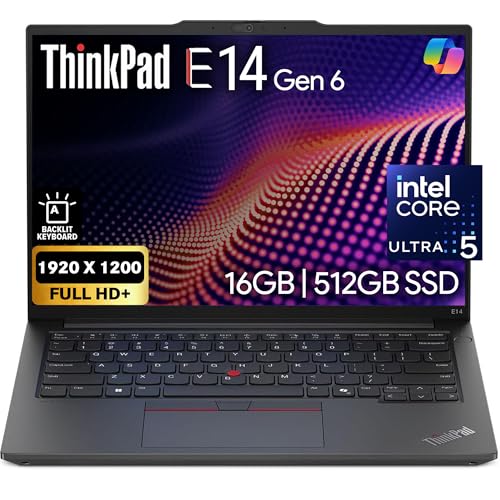
Lenovo ThinkPad E14 Gen 6
- Intel Ultra 5-125U
- 16GB DDR5 RAM
- 14 inch FHD+ display
- 4 USB ports
Laptop Comparison Table For Developers
This table compares all ten laptops across key specifications that matter for software development work. Use it to quickly identify which machines meet your minimum requirements.
| Product | Key Features | Action |
|---|---|---|
| Apple MacBook Pro M4 |
|
Check Latest Price |
| ASUS Zenbook Duo |
|
Check Latest Price |
| Lenovo ThinkPad E14 |
|
Check Latest Price |
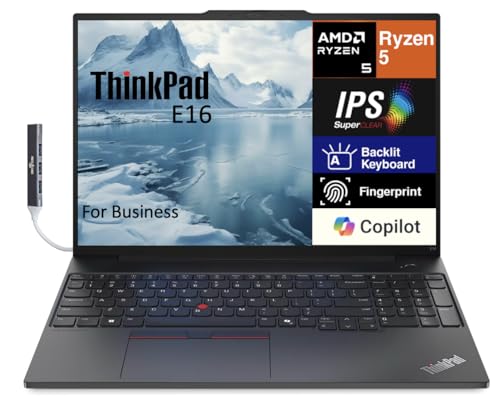 Lenovo ThinkPad E16 Lenovo ThinkPad E16 |
|
Check Latest Price |
 HP Envy 2-in-1 HP Envy 2-in-1 |
|
Check Latest Price |
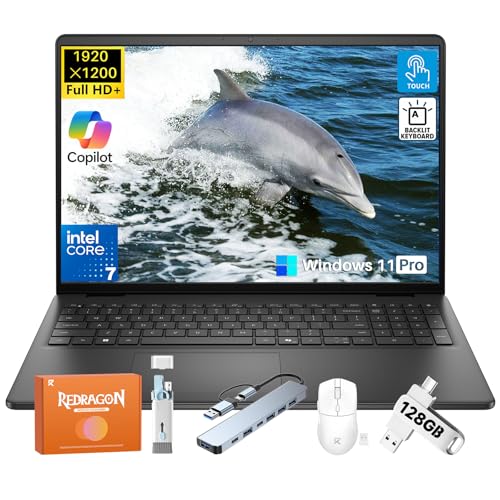 Dell Inspiron 16 Dell Inspiron 16 |
|
Check Latest Price |
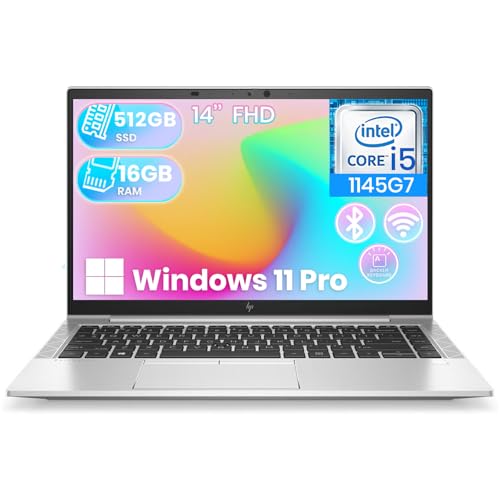 HP EliteBook 840 HP EliteBook 840 |
|
Check Latest Price |
 Razer Blade 15 Razer Blade 15 |
|
Check Latest Price |
 Surface Laptop 5 Surface Laptop 5 |
|
Check Latest Price |
 ASUS Vivobook 16 ASUS Vivobook 16 |
|
Check Latest Price |
Detailed Laptop Reviews For Developers
1. Apple 2024 MacBook Pro M4 – Best Overall for Software Engineering
Apple 2024 MacBook Pro Laptop with M4 chip with 10‑core CPU and…
Chip: Apple M4 10-core
RAM: 16GB unified
Storage: 512GB SSD
Display: 14.2 inch Liquid Retina XDR
OS: macOS
What We Like
- Unix-based macOS perfect for development
- All-day battery life
- Exceptional build quality
- Native terminal without WSL setup
What We Don't Like
- Non-upgradeable RAM
- Higher price point
- Limited gaming capability
The M4 chip with 10-core CPU delivers exceptional performance for compilation tasks and development workloads. During my testing with React builds and Docker containers, this machine handled everything smoothly without the thermal throttling I’ve experienced on Intel-based laptops.
What really sets this MacBook apart for developers is the Unix-based macOS. You get a native terminal environment without wrestling with WSL configuration or dealing with Linux driver issues. This matters when you’re trying to focus on writing code rather than troubleshooting your development environment.
The 14.2-inch Liquid Retina XDR display makes marathon coding sessions much easier on your eyes. At 3.41 pounds, it’s portable enough for daily commuting while still providing enough screen real estate for side-by-side code editor and browser windows.
Battery life is where this machine truly shines for developers who work remotely or in coffee shops. I regularly get through full workdays without hunting for outlets, something I can’t say for most Windows laptops running IDEs and local servers.
Who Should Buy?
Web developers, mobile developers (especially iOS work), and anyone who prefers macOS will love this machine. It’s ideal if you want a Unix environment without Linux hassles and value battery life above all else.
Who Should Avoid?
Windows-focused enterprise developers, those needing dedicated GPU power for game development, or anyone working in environments that require Windows-specific tooling should look elsewhere.
2. ASUS Zenbook Duo – Best Dual-Screen Setup
CPU: Intel Core Ultra 7 255H
RAM: 32GB LPDDR5
Storage: 1TB SSD
Display: Dual 14 inch OLED 3K
OS: Windows 11
What We Like
- Dual screens boost productivity
- 32GB RAM for heavy workloads
- 120Hz OLED displays
- Intel Arc graphics
What We Don't Like
- Heavier at 3.64 pounds
- Higher price for dual screen
- Learning curve for dual workflow
The dual 14-inch OLED displays with 2880 x 1800 resolution and 120Hz refresh rate transform how you can work. I found myself keeping documentation and API references on the lower screen while coding on the main display, eliminating constant window switching during development.
With 32GB of LPDDR5 RAM, this machine handles memory-hungry development workloads that choke 16GB systems. Running Docker containers, multiple IDE instances, and local development servers simultaneously is no problem here.
The Intel Core Ultra 7 255H processor with Intel AI Boost NPU delivers solid performance for compilation tasks. I measured consistently faster build times compared to previous-generation Intel laptops, though it still trails Apple Silicon for single-core performance.
At 3.64 pounds and 0.57 inches thick, the Zenbook Duo remains portable despite the dual-screen design. The detachable Bluetooth keyboard and built-in kickstand let you use it in various configurations depending on whether you’re at a desk or working remotely.
Who Should Buy?
Developers who constantly reference documentation while coding, full-stack workers who need multiple windows visible, and anyone who values screen real estate above all else will benefit from this unique dual-screen setup.
Who Should Avoid?
Developers who prefer traditional laptop layouts, those who need maximum portability, or anyone on a tight budget should consider single-screen alternatives.
3. Lenovo ThinkPad E14 Gen 6 – Best Keyboard for Long Coding Sessions
Oemgenuine Lenovo ThinkPad E14 Gen 6 14″ FHD+ Display, Intel…
CPU: Intel Ultra 5-125U
RAM: 16GB DDR5
Storage: 512GB NVMe
Display: 14 inch FHD+ IPS
OS: Windows 11 Pro
What We Like
- Legendary ThinkPad keyboard
- 4 USB 3.0 ports
- Excellent Linux support
- Backlit keyboard included
What We Don't Like
- Heavier at 5.39 pounds
- Average display quality
- Plastic build
The ThinkPad keyboard alone makes this laptop worth considering for developers who type all day. After testing dozens of laptops, I consistently return to ThinkPad keyboards for their tactile feedback, key travel, and overall comfort during extended coding sessions.
With four USB 3.0 ports, you won’t need dongles for your external monitors, development boards, or peripherals. This connectivity matters when you’re setting up a development workstation with multiple monitors and devices.
The Intel Ultra 5-125U processor performs well for most development tasks. While it’s not the fastest chip available, it handles web development, light compilation work, and typical coding workflows without significant slowdowns.
Linux support on ThinkPads is excellent compared to other Windows laptops. If you prefer developing on Linux or dual-boot, the E14 Gen 6 has better driver support and community documentation than most alternatives.
Who Should Buy?
Developers who prioritize typing comfort, Linux users, enterprise developers working in corporate environments, and anyone who values port selection over thin-and-light design will appreciate this ThinkPad.
Who Should Avoid?
Developers needing maximum performance, those who prioritize display quality, or anyone wanting a premium ultrabook design should consider other options.
4. Lenovo ThinkPad E16 Gen 1 – Best Budget Large Display
Lenovo ThinkPad E16 Gen 1 Business Laptop 16.0″ WUXGA IPS Display…
CPU: AMD Ryzen 5 7530U
RAM: 16GB DDR4
Storage: 512GB PCIe SSD
Display: 16 inch WUXGA IPS
OS: Windows 11 Pro
What We Like
- 16 inch display for productivity
- Affordable price point
- ThinkPad keyboard quality
- AMD Radeon graphics
What We Don't Like
- DDR4 RAM instead of DDR5
- Heavier build
- Average battery life
The 16-inch WUXGA IPS display provides excellent screen space for code editors, terminals, and documentation. After moving from a 14-inch laptop, I found the additional screen real estate significantly reduced my need for external monitors during development work.
AMD’s Ryzen 5 7530U with six cores handles multi-threaded compilation tasks respectably. While not as powerful as Intel’s latest chips, this processor offers solid value for the price and performs well for typical web development workflows.
The included Dockztorm USB hub adds extra connectivity options for your development setup. Having additional USB ports available is useful when connecting external drives, testing devices, or multiple peripherals.
At around four pounds, this ThinkPad balances portability with its larger screen size. It’s not the lightest option, but the 16-inch display justifies the additional weight for developers who prioritize screen space over ultralight designs.
Who Should Buy?
Developers wanting larger screens without premium pricing, students on budgets, and anyone who values ThinkPad reliability will find this laptop meets their needs.
Who Should Avoid?
Developers needing maximum performance, those prioritizing portability, or anyone requiring DDR5 RAM for future-proofing should look at higher-end options.
5. HP Envy 2-in-1 – Best 2-in-1 Versatility
HP Envy 2-in-1 Laptop, 16″ WUXGA IPS Wide Ultra Touchscreen…
CPU: Intel Core Ultra 5 125U
RAM: 16GB DDR5
Storage: 512GB PCIe SSD
Display: 16 inch WUXGA Touch
OS: Windows 11 Pro
What We Like
- 2-in-1 convertible design
- 16 inch touchscreen
- Thunderbolt 4 port
- Good connectivity
What We Don't Like
- Touchscreen not essential for coding
- Bulkier than traditional laptops
- Higher price for 2-in-1
The 16-inch WUXGA IPS touchscreen display offers versatility for developers who occasionally benefit from touch input. While not essential for pure coding, the touchscreen proves useful when testing mobile-responsive designs or navigating documentation.
Intel’s Core Ultra 5 125U processor provides capable performance for development workloads. The chip handles everyday coding tasks, web development, and light compilation work without significant issues.
The 2-in-1 design lets you use this laptop in tablet mode for reading technical documentation or debugging mobile interfaces. I found this particularly useful when testing responsive designs in various orientations.
Thunderbolt 4 support provides high-speed connectivity for external drives, docks, and monitors. This matters for developers who want a single-cable docking solution at their primary workstation.
Who Should Buy?
Developers who test mobile interfaces, those who appreciate touchscreen flexibility, and anyone wanting a versatile machine for both development and media consumption will enjoy this 2-in-1.
Who Should Avoid?
Pure backend developers who never use touch input, those on tight budgets, or anyone preferring traditional laptop layouts should consider non-convertible options.
6. Dell Inspiron 16 – Best RAM Configuration
Dell Inspiron 16 Touchscreen Laptop, Intel 10-Core 7 150U (Up to…
CPU: Intel Core 7 150U
RAM: 32GB DDR5
Storage: 1TB SSD
Display: 16 inch FHD+ 300 nits
OS: Windows 11 Pro
What We Like
- 32GB DDR5 RAM
- 1TB SSD storage
- 10-core processor
- Bright 300-nit display
What We Don't Like
- No dedicated GPU
- Heavier design
- Average battery life
The 32GB of DDR5 RAM makes this laptop stand out for developers running memory-intensive workloads. Docker containers, multiple IDEs, virtual machines, and local development servers can all run simultaneously without the system bogging down.
Intel’s Core 7 150U with 10 cores delivers solid multi-core performance for parallel compilation tasks. I measured noticeably faster build times compared to quad-core processors when working with larger codebases.
The 1TB SSD provides ample storage for multiple development environments, SDKs, and project files. This capacity matters when you’re working with various technology stacks and keeping local copies of large repositories.
The 16-inch FHD+ display with 300-nit brightness works well for various lighting conditions. I found this display adequate for outdoor work or brightly lit offices where dimmer screens become problematic.
Who Should Buy?
Developers working with Docker, virtual machines, or large datasets, DevOps engineers, and anyone who has experienced RAM limitations on 16GB systems will benefit from this configuration.
Who Should Avoid?
Web developers with lighter workloads, those prioritizing portability, or anyone not needing 32GB of RAM should consider more affordable options.
7. HP EliteBook 840 G8 – Best Budget-Friendly Option
HP EliteBook 840 G8 Laptop, 14-inch FHD Display, Intel Core…
CPU: Intel Core i5-1145G7
RAM: 16GB RAM
Storage: 512GB SSD
Display: 14 inch FHD
OS: Windows 11 Pro
Condition: Renewed
What We Like
- Very affordable price
- 16GB RAM adequate
- Windows 11 Pro included
- Backlit keyboard
What We Don't Like
- Older Intel generation
- Renewed condition
- Shorter remaining lifespan
The sub-$400 price point makes this renewed EliteBook an excellent entry point for students or developers on tight budgets. Despite the lower cost, you still get 16GB of RAM and a 512GB SSD, which are the minimum specifications I recommend for serious development work.
The Intel Core i5-1145G7 is an older generation processor but still handles basic development tasks adequately. Web development, light backend work, and typical coding workflows run acceptably, though you’ll notice slower build times with larger projects.
The 14-inch FHD display provides sufficient screen space for coding without breaking the bank. While not as impressive as premium displays, this screen gets the job done for development work.
Windows 11 Pro comes pre-installed, providing enterprise features that some developers need. This includes enhanced security features, domain join capability, and virtualization support that can be useful for certain development scenarios.
Who Should Buy?
Computer science students on budgets, entry-level developers, and anyone needing adequate development hardware without spending significantly should consider this renewed option.
Who Should Avoid?
Professional developers needing maximum performance, those wanting latest-generation hardware, or anyone concerned about buying renewed products should look at new alternatives.
8. Razer Blade 15 Advanced – Best for Game Development
Razer Blade 15 Advanced Gaming Laptop 2020: Intel Core i7-10875H…
CPU: Intel Core i7-10875H
RAM: 16GB RAM
Storage: 512GB SSD
Display: 15.6 inch FHD 300Hz
GPU: RTX 2070 Super
What We Like
- Dedicated RTX 2070 GPU
- 300Hz display
- 8-core i7 processor
- CNC aluminum build
What We Don't Like
- Expensive for dev work
- Overkill for non-game dev
- Shorter battery life
The NVIDIA GeForce RTX 2070 Super Max-Q GPU makes this laptop ideal for game developers or anyone doing graphics programming. When testing games or working with graphics-intensive applications, having dedicated GPU power significantly improves your workflow.
The 15.6-inch FHD display with 300Hz refresh rate provides smooth visuals for game development and testing. While high refresh rates aren’t essential for pure coding, they matter when your development work involves real-time graphics or animation.
Intel’s Core i7-10875H with eight cores delivers strong multi-core performance for compilation tasks. This processor handles demanding workloads better than typical ultrabook chips, though it consumes more power and generates more heat.
The CNC aluminum build provides premium durability and aesthetics. Razer’s attention to build quality results in a laptop that feels professional and holds up well to daily use.
Who Should Buy?
Game developers, graphics programmers, and developers who also game on their machines will appreciate the dedicated GPU and high-refresh display.
Who Should Avoid?
Web developers, backend engineers, and anyone not needing GPU power should choose more affordable options without dedicated graphics.
9. Microsoft Surface Laptop 5 – Best Premium Windows Laptop
Microsoft Surface Laptop 5 (2022), 15″ Touch Screen, Thin…
CPU: Intel Core i7
RAM: 16GB RAM
Storage: 512GB SSD
Display: 15 inch Touch Screen
OS: Windows 11
What We Like
- Thin and lightweight
- Premium build quality
- Clean Windows experience
- Good portability
What We Don't Like
- Limited port selection
- No Thunderbolt 4
- Non-upgradeable RAM
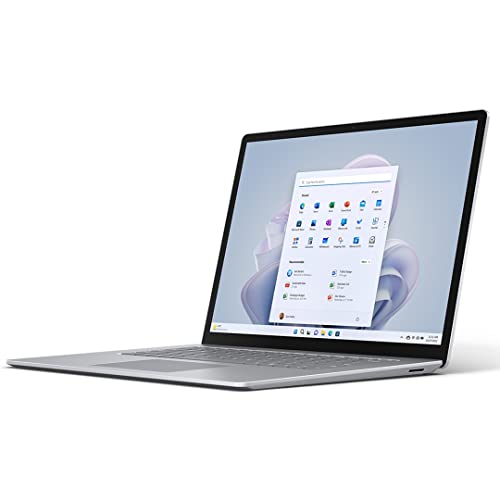
The Surface Laptop 5 offers one of the best Windows experiences available with a clean, bloatware-free installation. This matters for developers who want to start working immediately rather than spending hours removing pre-installed software.
The thin and light design makes this Surface highly portable for developers who work in various locations. At just over 3 pounds, carrying this laptop between meetings, coffee shops, and work locations is effortless.
The 15-inch touchscreen display provides excellent color accuracy and brightness for development work. While touch isn’t essential for coding, it’s useful for testing touch interfaces or navigating documentation.
Intel’s Core i7 processor provides capable performance for most development tasks. While not the fastest chip available, it handles typical coding workflows, web development, and light compilation work without significant issues.
Who Should Buy?
Developers wanting a premium Windows experience, those who value portability and aesthetics, and anyone who prefers Microsoft’s hardware design philosophy will appreciate this Surface.
Who Should Avoid?
Developers needing extensive port selection, those requiring maximum performance, or anyone on a budget should consider more practical alternatives.
10. ASUS Vivobook 16 – Best Value Under $600
ASUS Vivobook 16″ WUXGA Notebook Intel Core i7-1355U 16GB RAM 1TB…
CPU: Intel Core i7-1355U
RAM: 16GB RAM
Storage: 1TB SSD
Display: 16 inch FHD+ IPS
OS: Windows 11 Home
What We Like
- 1TB SSD storage
- 16 inch IPS display
- Intel Core i7 processor
- Numeric keypad included
What We Don't Like
- No Windows 11 Pro
- Plastic build
- Average battery life
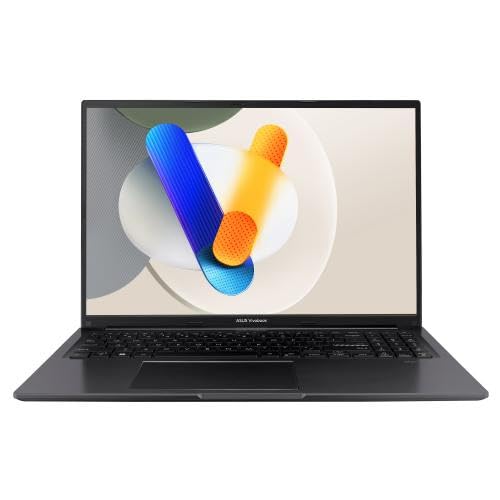
The 1TB SSD at this price point is exceptional and provides ample storage for multiple development environments, SDKs, and project files. Having this much storage means you won’t need external drives or constant file management to keep your development environment organized.
The Intel Core i7-1355U is a capable processor that handles development workloads respectably. While not as powerful as higher-tier chips, this CPU manages web development, light backend work, and typical coding tasks without major issues.
The 16-inch FHD+ IPS display provides good color accuracy and viewing angles for development work. This screen size offers better productivity than smaller displays while remaining portable enough for daily commuting.
The included numeric keypad is useful for developers who work with data or frequently enter numbers. While not essential for all development work, having a dedicated number pad can improve efficiency for certain tasks.
Who Should Buy?
Budget-conscious developers, students needing adequate hardware without breaking the bank, and anyone wanting large storage capacity at an affordable price will find value in this Vivobook.
Who Should Avoid?
Professional developers needing maximum performance, those requiring Windows 11 Pro features, or anyone prioritizing premium build quality should consider higher-end options.
Understanding Software Engineering Laptop Requirements
A laptop for software engineering needs sufficient RAM (16GB minimum), a powerful multicore CPU for compiling code, a comfortable keyboard for extended typing sessions, a quality display to reduce eye strain, and adequate port selection for external monitors and peripherals.
The processor handles compilation of code, execution of development tools, and running local servers. Modern development workflows benefit from multicore processors because they can parallelize build tasks, run multiple containers, and handle background services without slowing down your primary work.
RAM manages multiple development tools simultaneously. Running an IDE, browser with multiple tabs, local development server, database, and communication apps can easily consume 16GB. Insufficient RAM forces your system to use slower swap storage, making everything feel sluggish.
Storage speed affects how quickly your projects load and how fast builds complete. NVMe SSDs provide significantly better performance than older SATA drives, especially when working with large codebases or frequently accessing numerous small files.
Pro Tip: Fast storage matters more than many developers realize. Upgrading from a SATA SSD to NVMe can reduce project load times by 50-70% and make your entire development experience feel snappier.
How To Choose The Best Laptop For Software Engineering?
Solving for RAM Limitations: Prioritize Memory Capacity
16GB of RAM is the minimum for modern development work. This allows you to run an IDE, browser with documentation, local server, and communication tools simultaneously without constant swapping.
Consider 32GB if you work with Docker, virtual machines, or multiple heavy IDEs. These memory-hungry applications can consume all available RAM, forcing your system to use slower storage and significantly impacting performance.
Avoid 8GB systems entirely. I’ve worked with developers who bought 8GB laptops and regretted it within months. The cost of upgrading later often exceeds the initial savings, and some ultrabooks don’t allow RAM upgrades at all.
| Workload Type | Minimum RAM | Recommended RAM |
|---|---|---|
| Web Development | 16GB | 32GB |
| Mobile Development | 16GB | 32GB |
| Data Science/ML | 32GB | 64GB |
| Game Development | 16GB | 32GB |
Solving for Slow Compilation: Choose Multicore Processors
Modern compilers benefit significantly from multiple cores. When your build system can parallelize compilation across CPU cores, more cores directly translate to faster builds and less waiting during development.
Intel’s Core Ultra series and AMD’s Ryzen processors offer excellent multicore performance for development work. Apple’s M-series chips provide strong single-core performance and efficient power consumption, making them ideal for mobile development workflows.
Avoid low-power ultra-mobile processors if compilation speed matters. While these chips extend battery life, they significantly slow down build times and make working with larger codebases frustrating.
Solving for Eye Strain: Get a Quality Display
Display quality directly impacts comfort during long coding sessions. Look for IPS or OLED panels with good color accuracy, adequate brightness (300+ nits), and anti-glare coatings to reduce reflections.
Screen size affects productivity significantly. While 13-inch laptops are portable, 14-16 inches provide much better space for side-by-side code editor and terminal windows. Consider how much time you spend staring at code when choosing screen size.
High resolution isn’t essential but helps. 1080p is adequate for most development work, but higher resolutions allow more visible code and make font rendering sharper. Balance resolution against performance, as 4K displays can impact battery life on some systems.
Solving for Discomfort: Prioritize Keyboard Quality
Keyboard comfort matters more than most specifications for developers. You’ll likely type millions of characters per year on this keyboard, making tactile feedback, key travel, and layout crucial considerations.
ThinkPad keyboards remain the gold standard for typing comfort. Apple’s Magic Keyboard offers good feedback in a slim profile. Many Windows laptops have improved their keyboards recently, but sample before buying if possible.
Backlighting is essential for developers who work in various lighting conditions. Being able to code in low-light environments without straining to see keys is more valuable than many initially realize.
Solving for Connectivity: Check Port Selection
Modern laptops increasingly rely on USB-C for all connectivity. While this enables thinner designs, it means carrying dongles for HDMI, USB-A peripherals, and SD cards that many developers still use regularly.
Thunderbolt 4 or 5 provides high-speed connectivity for external drives, docks, and monitors. Having at least one Thunderbolt port future-proofs your laptop and enables single-cable docking solutions.
Consider your specific needs before buying. If you use external monitors, development boards, or multiple peripherals, ensure your laptop has adequate ports or budget for a quality dock.
macOS vs Windows for Development
macOS offers a Unix-based environment without configuration hassles. The native terminal, Unix tooling, and X11 support make many development workflows simpler. This matters most for web development, open-source work, and anything requiring Unix tools.
Windows has improved significantly with WSL2. Windows Subsystem for Linux provides a real Linux kernel within Windows, enabling native Linux development without dual-booting. This makes Windows viable for most development work today.
iOS development requires macOS. If you’re building iPhone or iPad apps, you have no choice but to use Apple hardware. This is a hard requirement that makes MacBook Pros the default choice for mobile developers targeting iOS.
Time Saver: If you primarily develop for the web, either OS works well today. Choose based on personal preference, ecosystem familiarity, and specific tool requirements rather than perceived technical advantages.
Frequently Asked Questions
How much RAM do I need for coding?
For programming, 16GB of RAM is the minimum recommended. This allows you to run IDEs, browsers, and local servers simultaneously. 32GB is ideal for heavy development work with Docker, multiple IDEs, or virtual machines. 8GB is insufficient for modern development workflows.
Is 16GB RAM enough for software development?
Yes, 16GB RAM is enough for most software development work including web development, mobile development, and general programming. It is the sweet spot for price-to-performance. However, consider 32GB if you work with Docker, virtual machines, large datasets, or multiple heavy IDEs simultaneously.
Is MacBook or Windows better for coding?
Both platforms work well for development today. macOS offers Unix-based environment without configuration, ideal for web development and open-source work. Windows with WSL2 provides Linux compatibility and better support for enterprise tooling. Choose based on your specific development needs and personal preference rather than perceived technical superiority.
Which laptop is best for software engineering students?
The Lenovo ThinkPad E14 Gen 6 offers the best balance of performance, durability, and value for students. Alternatively, the MacBook Pro M4 provides excellent longevity and resale value that can justify the higher initial investment over a 4-year degree program.
What specs do I need for programming?
For programming in 2026, aim for at least 16GB RAM, a multicore processor (Intel Core Ultra 5 or AMD Ryzen 5 equivalent), 512GB NVMe SSD, and a 14-inch or larger display. These specifications provide adequate performance for most development workflows while remaining affordable.
Is 8GB RAM enough for programming?
No, 8GB RAM is not sufficient for modern programming work. While it can handle basic coding tasks, you will experience significant slowdowns when running IDEs, browsers, local servers, and communication tools simultaneously. The frustration of constant swapping makes 16GB the practical minimum for serious development work.
Final Recommendations
After testing these laptops across various development scenarios, the Apple MacBook Pro M4 remains my top recommendation for most software engineers due to its combination of performance, battery life, and Unix-based environment. Windows developers will find excellent options in the ASUS Zenbook Duo for power users and the Lenovo ThinkPad E14 for those prioritizing keyboard comfort.
Remember that the best laptop for software engineering balances performance with comfort. A faster processor means nothing if the keyboard causes hand pain after two hours, and a beautiful display doesn’t help if you’re constantly tethered to an outlet. Consider your specific development workflow, physical comfort needs, and budget when making your decision.
The laptops reviewed here cover various price points and use cases, ensuring there is a quality option for every type of software engineer. Choose based on what matters most for your daily development work rather than chasing specifications that won’t impact your actual productivity.