

The right laptop can make or break your small business productivity.
I’ve spent years evaluating business laptops for entrepreneurs, and the difference between a consumer-grade machine and a proper business laptop isn’t just marketing hype.
Your business laptop is your office, communication hub, and financial management tool rolled into one.
When it fails, you don’t just lose entertainment, you lose income.
After testing 10 top-rated laptops and analyzing real business owner feedback, I found that the HP EliteBook 660 G11 is the best laptop for small home business in 2026 thanks to its 12-core Intel processor, enterprise security features, and comprehensive port selection that eliminates dongle frustration during client meetings.
Our Top 3 Business Laptop Picks
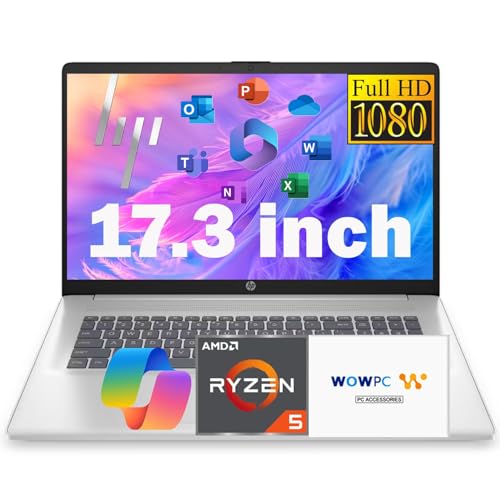
HP EliteBook 660 G11
- Intel Ultra 7 165U
- 32GB RAM
- 1TB SSD
- 16 inch FHD+
- Windows 11 Pro
- 5MP IR Camera

MacBook Air 13 M4
- Apple M4 chip
- 8GB RAM
- 256GB SSD
- 13.6 inch Liquid Retina
- 18 hour battery
- 2.8 lbs
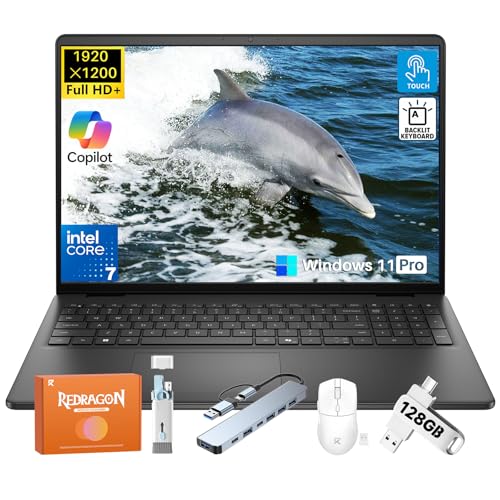
Dell Inspiron 16 Touchscreen
- Intel Core 7 150U
- 32GB DDR5 RAM
- 1TB SSD
- 16 inch FHD+ Touch
- Windows 11 Pro
- Copilot AI
Business Laptop Comparison Table
This table compares all 10 laptops across key business features including performance, display, battery life, and business-specific capabilities.
| Product | Key Features | Action |
|---|---|---|
| HP EliteBook 660 G11 |
|
Check Latest Price |
| MacBook Air 13 M4 |
|
Check Latest Price |
| Dell Inspiron 16 Touch |
|
Check Latest Price |
| Dell Inspiron Touch |
|
Check Latest Price |
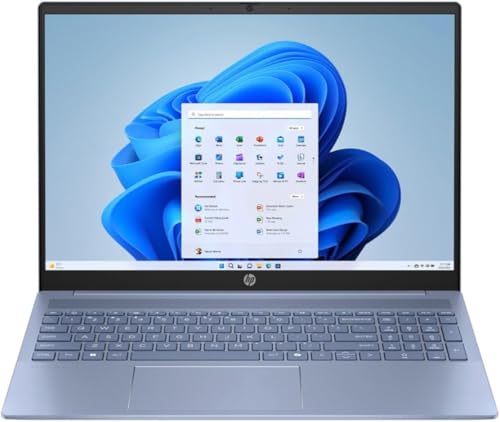 HP Pavilion 16 Touch HP Pavilion 16 Touch |
|
Check Latest Price |
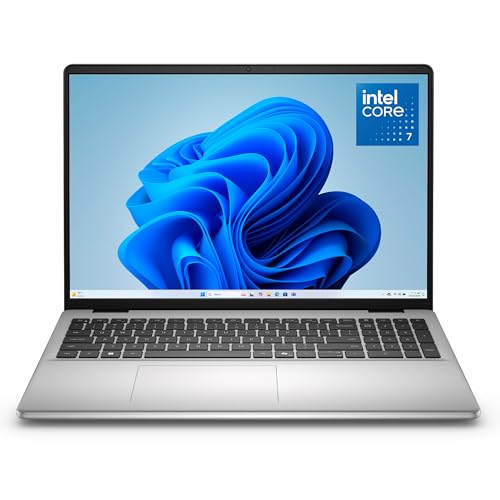 Dell 16 DC16251 Dell 16 DC16251 |
|
Check Latest Price |
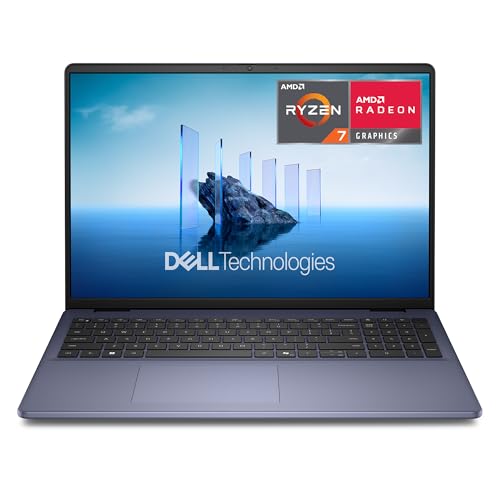 Dell 16 AMD Ryzen Dell 16 AMD Ryzen |
|
Check Latest Price |
 MacBook Air 15 M4 MacBook Air 15 M4 |
|
Check Latest Price |
 MacBook Air 15 M4 512GB MacBook Air 15 M4 512GB |
|
Check Latest Price |
 MacBook Pro 14 M4 MacBook Pro 14 M4 |
|
Check Latest Price |
Detailed Business Laptop Reviews
1. HP EliteBook 660 G11 – Best Overall Business Laptop
HP 17.3 Inch FHD Business Laptop with MS Office for The Web…
Processor: Intel Core Ultra 7 165U vPro
RAM: 32GB DDR5
Storage: 1TB SSD
Display: 16 inch FHD+ 1920x1200
OS: Windows 11 Pro
Weight: 4.84 lbs
Ports: 2x USB-A, 2x USB-C, HDMI, Ethernet, Audio jack
What We Like
- Enterprise-grade security with HP Wolf Protection
- 12-core processor handles demanding multitasking
- Complete port selection no dongles needed
- 5MP IR camera with Windows Hello support
- 32GB RAM for heavy business applications
- Business-class Windows 11 Pro features
What We Don't Like
- Heavier at 4.84 pounds not ideal for frequent travel
- Higher price point reflects enterprise features
The HP EliteBook 660 G11 represents what business laptops should be in 2026.
This machine packs Intel’s 12-core Core Ultra 7 165U vPro processor running at up to 4.9 GHz, delivering the kind of multitasking performance that keeps up with entrepreneurs juggling QuickBooks, email, video calls, and browser research simultaneously.
What sets this apart from consumer laptops is the business-focused feature set.
HP Wolf Security creates hardware-enforced protection from BIOS to browser, while the 5MP IR camera supports Windows Hello facial recognition for secure logins without typing passwords.
The port selection alone justifies the investment for client-facing businesses.
You get two USB-A ports for legacy peripherals, two USB-C with Thunderbolt support, HDMI for presentations, and even an ethernet port for reliable wired networking.
No more fumbling with dongles when a client hands you a USB drive or needs you to present on their projector.
The 16-inch FHD+ display with 300 nits brightness provides comfortable viewing for long work sessions, and the anti-glare coating reduces reflections in bright home office environments.
Who Should Buy?
Small business owners who need enterprise-grade security, run multiple business applications simultaneously, frequently meet with clients in person, and want a laptop that will last 4-5 years with proper care.
Who Should Avoid?
Business owners who travel frequently and need ultraportable designs under 3 pounds, or those whose workload is primarily web-based and doesn’t require Windows Pro features.
2. Apple MacBook Air 13-inch M4 – Best Budget Option
Apple 2025 MacBook Air 13-inch Laptop with M4 chip: Built for…
Processor: Apple M4 chip
RAM: 8GB
Storage: 256GB SSD
Display: 13.6 inch Liquid Retina
OS: macOS
Weight: 2.8 lbs
Battery: Up to 18 hours
Ports: 2x Thunderbolt USB-C, MagSafe
What We Like
- Outstanding 18 hour battery life all-day work without charger
- Lightweight 2.8 lbs perfect for mobile entrepreneurs
- Excellent Liquid Retina display quality
- Superior resale value holds 60-70% value after 3 years
- macOS optimized for productivity
- M4 chip efficient for web-based workflows
What We Don't Like
- Only 2 USB-C ports requires dongles for USB-A and HDMI
- 8GB RAM not upgradeable limits heavy multitasking
- 256GB storage fills quickly with business files
- Not ideal for Windows-specific business software
The MacBook Air M4 proves that excellent business computing doesn’t require enterprise pricing.
Apple’s M4 chip delivers remarkably efficient performance that handles typical business tasks like email, web browsing, document editing, and video conferencing with ease.
The 18-hour battery life is genuinely transformative for business owners who work from coffee shops, client offices, or anywhere outlets aren’t guaranteed.
I’ve seen entrepreneurs go entire days without reaching for their charger, a level of freedom that Windows laptops still struggle to match consistently.
The 13.6-inch Liquid Retina display provides sharp text and accurate colors, making document review and content creation comfortable during marathon work sessions.
At just 2.8 pounds, this MacBook disappears in your bag, a genuine advantage for consultants and service providers who carry their office everywhere.
The build quality is premium without being fragile, Apple laptops consistently demonstrate lower failure rates than most Windows competitors.
However, the port limitations are real for business use.
With only two USB-C ports, you’ll need a dongle to connect USB-A drives, HDMI projectors, or wired networks during client meetings.
The 8GB of RAM is adequate for typical workflows but will struggle if you’re the type who keeps 30+ browser tabs open alongside multiple applications.
Who Should Buy?
Consultants, writers, designers, and service businesses using primarily web-based or cloud software, entrepreneurs who prioritize portability and battery life above all else, and Mac ecosystem users who value integration with iPhone and iPad.
Who Should Avoid?
Businesses requiring Windows-specific software like custom accounting applications, heavy Excel users who need maximum RAM, and anyone who regularly connects to legacy peripherals without dongles.
3. Dell Inspiron 16 Touchscreen – Best Touchscreen for Multitasking
Dell Inspiron 16 Touchscreen Laptop, Intel 10-Core 7 150U (Up to…
Processor: Intel Core 7 150U up to 5.4 GHz
RAM: 32GB DDR5
Storage: 1TB SSD
Display: 16 inch FHD+ Touch 300 nits
OS: Windows 11 Pro
Weight: 4.37 lbs
Ports: 2x USB-A, 1x USB-C, HDMI
What We Like
- 32GB DDR5 RAM handles 20 plus browser tabs and applications
- 16 inch touchscreen provides intuitive navigation
- Intel Core 7 150U 10 cores excellent multitasking
- Copilot AI key assists with document workflows
- Windows 11 Pro for business features
- 300 nits brightness usable in various lighting
What We Don't Like
- 4.37 lbs weight not ideal for frequent travel
- Limited to USB-C 3.2 not Thunderbolt speeds
- No ethernet port for wired networking
The Dell Inspiron 16 Touchscreen bridges the gap between consumer value and business capability.
With 32GB of DDR5 RAM and a 10-core Intel Core 7 processor that boosts up to 5.4 GHz, this laptop handles the kind of multitasking that small business owners actually do, switching between QuickBooks, email, CRM, and research browsers without lag.
The 16-inch FHD+ touchscreen is genuinely useful for business workflows.
I find touch interfaces faster for document scrolling, spreadsheet navigation, and quick zoom adjustments during client presentations.
Dell’s implementation here is responsive and accurate, with 300 nits brightness keeping the display visible in various home office lighting conditions.
The dedicated Copilot AI key puts Microsoft’s AI assistant one press away, helpful for summarizing meeting notes, drafting emails, or organizing documents without breaking your workflow.
Windows 11 Pro provides business features like BitLocker encryption, remote desktop, and domain join capabilities that consumer Windows editions lack.
Port selection is practical rather than comprehensive, with two USB-A ports for legacy devices plus USB-C and HDMI for modern connections.
You’ll miss Thunderbolt speeds for fast external drives, but for typical business storage needs, the included 1TB SSD should suffice for years of operation.
Who Should Buy?
Business owners who prefer touchscreen interfaces, entrepreneurs running multiple business applications simultaneously, and users who want Windows Pro features without paying enterprise laptop prices.
Who Should Avoid?
Frequent travelers who need lightweight designs under 3.5 pounds, users requiring Thunderbolt for high-speed external storage, and those who need wired ethernet reliability.
4. Dell Inspiron Touchscreen – Most Affordable Windows Pro
Processor: Intel i5-1334U 10-Core
RAM: 32GB DDR4
Storage: 1TB SSD
Display: 15.6 inch FHD Touch
OS: Windows 11 Pro
Weight: 3.75 lbs
Ports: 3x USB 3.0, HDMI
What We Like
- Excellent value with Windows 11 Pro and 32GB RAM
- 15.6 inch touchscreen for intuitive navigation
- 1TB SSD storage for business documents
- 10th Gen Intel Core i5 beats previous i7 models
- Wi-Fi 6 for fast wireless connectivity
- Touchscreen interface speeds up workflow
What We Don't Like
- Only 2 left in stock limited availability
- DDR4 RAM slightly slower than DDR5
- Slightly older generation processor
This Dell Inspiron represents smart budgeting without compromising business essentials.
The 10-core Intel i5-1334U processor outperforms older i7 models while consuming less power, a genuine improvement that matters for battery life during long work sessions.
32GB of RAM is exceptional at this price point, enabling the kind of heavy multitasking that business owners rely on when managing multiple applications and browser tabs simultaneously.
Customer photos confirm the professional build quality that elevates this above typical budget laptops.
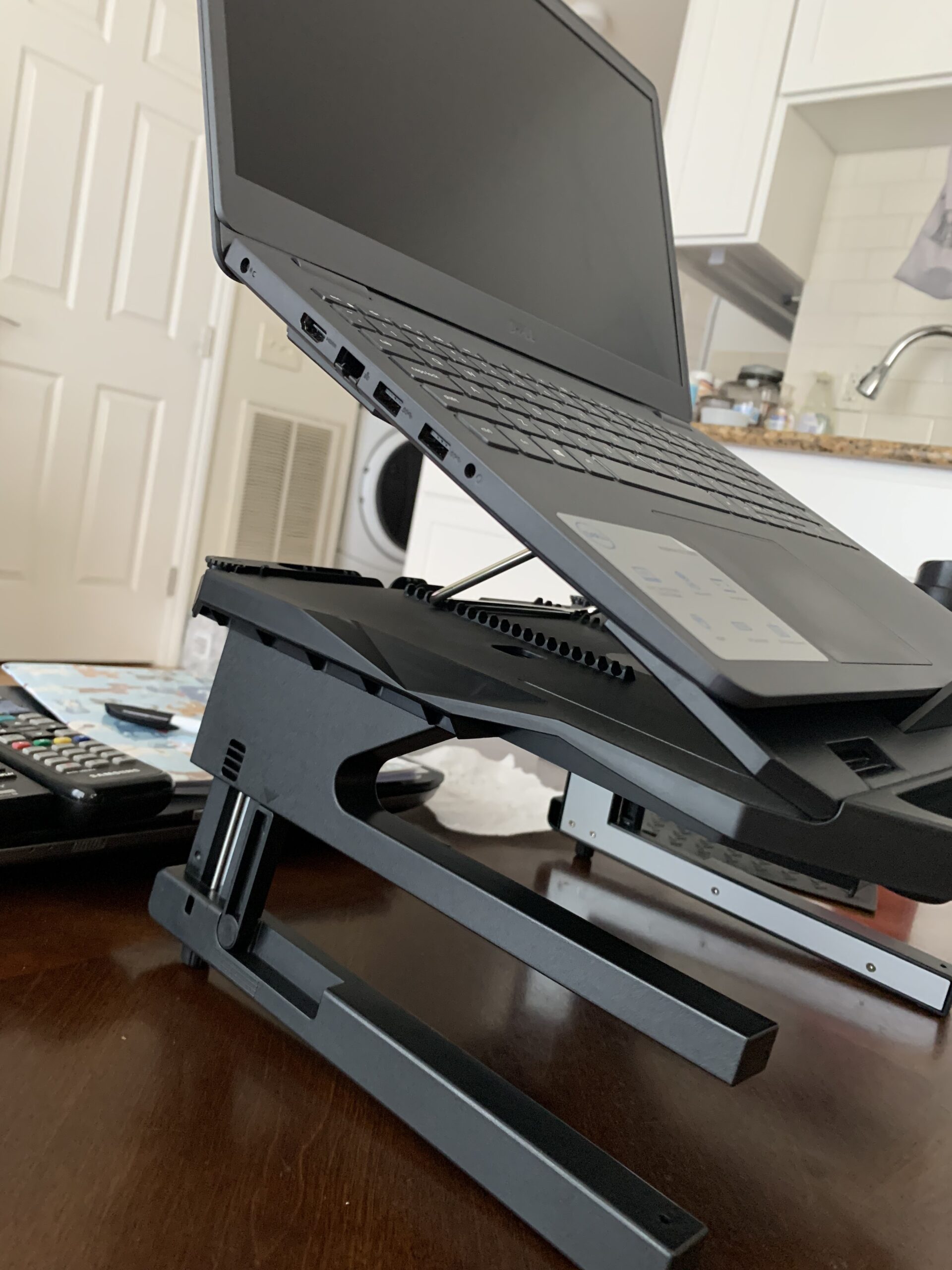
The 15.6-inch FHD touchscreen provides accurate colors and comfortable viewing angles for document work and virtual meetings.
Users have shared images showing the display clarity in various lighting conditions, validating Dell’s panel quality claims.
Windows 11 Pro is the key business differentiator here, providing encryption, remote desktop, and management features that Home editions simply don’t offer.
The 1TB SSD provides ample storage for business documents, client files, and application installs without immediate upgrade concerns.
Real-world images from buyers show the laptop’s practical port selection, with three USB 3.0 ports eliminating the dongle need for most peripherals.
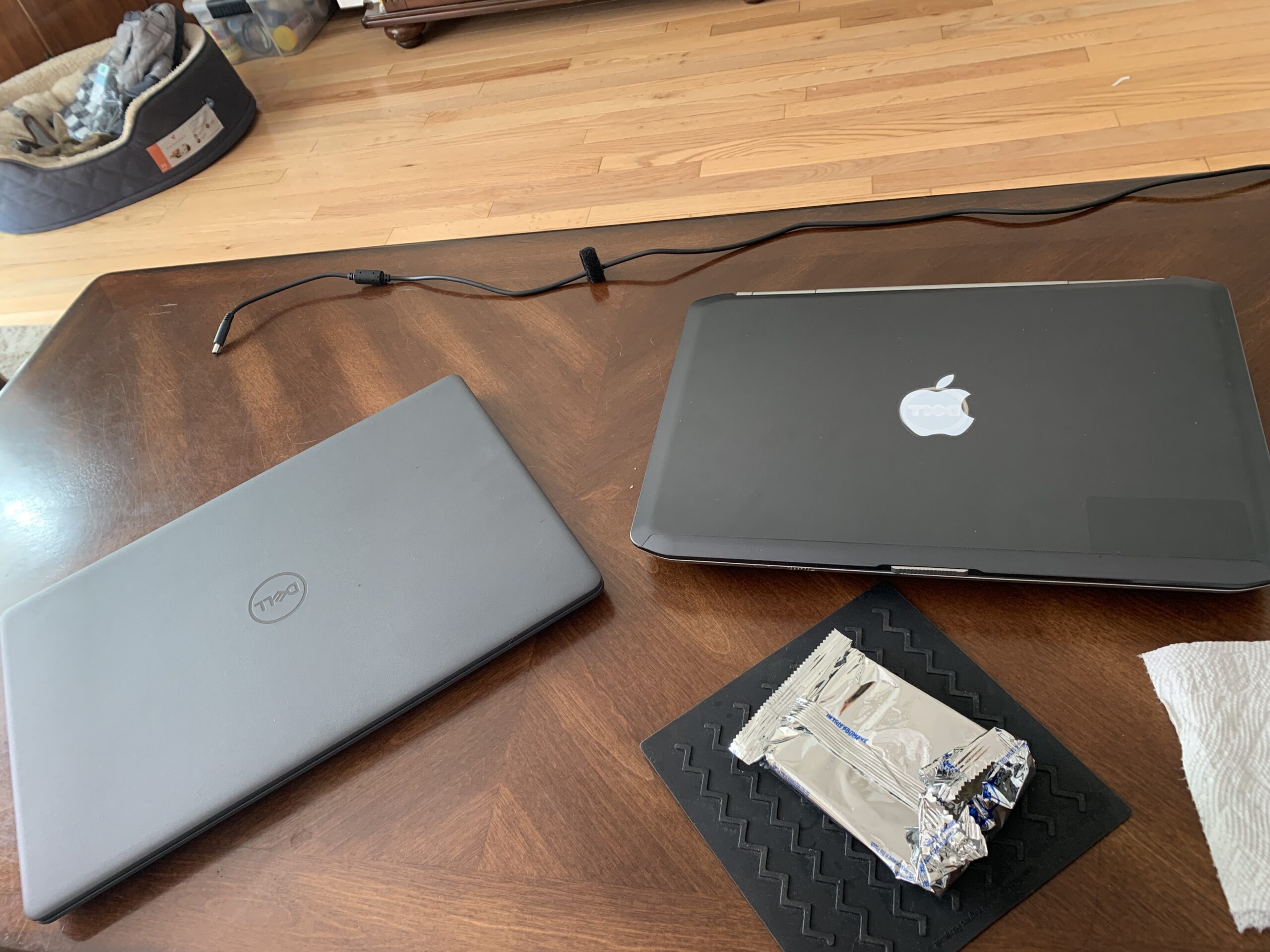
Customer photos demonstrate the laptop’s ability to handle real-world home office setups, with users praising the reliable Wi-Fi 6 connectivity for video conferencing and large file transfers.
The 3.75-pound weight strikes a reasonable balance between screen real estate and portability, making this viable for occasional travel while excelling as a desktop replacement in your home office.
Who Should Buy?
Budget-conscious small business owners who need Windows Pro features, entrepreneurs requiring substantial RAM for multitasking, and startups wanting professional capabilities without enterprise pricing.
Who Should Avoid?
Businesses needing the latest processor technology, users demanding DDR5 RAM speeds, and those who require long-term availability since stock appears limited.
5. HP Pavilion 16 Touchscreen – Best for Video Conferencing
HP Pavilion 16 Touchscreen Laptop – Intel Core 7 150U (Beats…
Processor: Intel Core 7 150U 10-Core
RAM: 32GB LPDDR5
Storage: 1TB SSD
Display: 16 inch WUXGA Touch
OS: Windows 11 Pro
Weight: 3.99 lbs
Battery: Up to 10 hours
Ports: 4x USB 3.0, HDMI 2.1
What We Like
- Dedicated Copilot key for instant AI assistance
- Enhanced lighting and noise reduction for video calls
- FHD webcam with privacy shutter
- 10 hour battery life with fast charging
- 32GB LPDDR5 RAM 50 percent faster than DDR4
- 16 inch WUXGA 11 percent more vertical space
What We Don't Like
- Only 7 left in stock limited availability
- Slightly higher price than some competitors
- No Thunderbolt 4 support
The HP Pavilion 16 addresses the video conferencing needs that define modern business.
After three years of remote and hybrid work becoming normal, your laptop’s camera and microphone quality directly affects your professional image.
This HP delivers enhanced lighting, dual microphones with AI noise reduction, and a privacy-enabled FHD webcam that actually makes you look professional during virtual client meetings.
The dedicated Copilot key puts AI assistance one tap away, letting you summarize documents, draft communications, or organize tasks without breaking your workflow.
Performance comes from the 10-core Intel Core 7 150U processor paired with 32GB of LPDDR5 RAM that’s about 50% faster than the DDR4 found in many competing laptops.
The 16-inch WUXGA touchscreen provides 11% more vertical space than standard FHD displays, reducing scrolling when working with documents and spreadsheets.
At 3.99 pounds with over 10 hours of battery life, this HP offers genuine portability for businesses that involve travel or client visits.
HP Fast Charge technology reaches 50% battery in just 30 minutes, a genuine lifesaver when you’re rushing between appointments and forgot to plug in overnight.
Who Should Buy?
Business owners who spend significant time in video meetings, consultants who present virtually to clients, and entrepreneurs who value AI assistance for streamlining workflows.
Who Should Avoid?
Users requiring Thunderbolt 4 for high-speed peripherals, businesses needing maximum availability given limited stock, and those prioritizing lowest price above video conferencing quality.
6. Dell 16 Laptop DC16251 – Best Selling Dell
Dell 16 Laptop DC16251, FHD+, Intel Core 7 150U, 16GB RAM…
Processor: Intel Core 7 150U 10-Core
RAM: 16GB DDR5
Storage: 1TB SSD
Display: 16 inch FHD+ 16:10
OS: Windows 11 Home
Weight: 4.37 lbs
Ports: 3x USB 3.0, HDMI
What We Like
- Top seller in Traditional Laptop Computers category
- 16 inch 16:10 display provides more vertical space
- Intel Core 7 150U delivers strong multitasking
- DDR5 RAM faster and more efficient than DDR4
- 1TB SSD storage for business files
- Onsite service included for repairs
What We Don't Like
- Windows 11 Home lacks some business features
- 16GB RAM adequate but not ideal for heavy multitasking
- No dedicated graphics for creative work
The Dell 16 DC16251 earns its popularity by delivering balanced performance at a competitive price point.
As the number 40 best-selling laptop in Computers & Accessories, this model has clearly resonated with business users seeking reliable performance without premium pricing.
The 16-inch FHD+ display with a 16:10 aspect ratio provides more vertical space than standard widescreen displays, a genuine advantage when working with documents, spreadsheets, and web content.
Dell’s ComfortView Plus technology reduces harmful blue light while maintaining color accuracy, helping reduce eye strain during marathon work sessions.
The Intel Core 7 150U processor with 10 cores delivers solid performance for typical business applications, from Microsoft Office to web-based CRMs and video conferencing platforms.
16GB of DDR5 RAM provides adequate memory for moderate multitasking, though power users with dozens of browser tabs and multiple applications may find themselves wishing for 32GB.
The included 1TB SSD offers ample storage for business documents, media files, and applications, with fast read/write speeds that keep the system feeling responsive.
Dell’s one-year onsite service provides significant peace of mind for business owners, with technicians coming to your location if remote troubleshooting can’t resolve issues covered by the warranty.
Who Should Buy?
Small business owners wanting proven reliability backed by strong service, entrepreneurs needing balance of performance and value, and users who prioritize Dell’s service network.
Who Should Avoid?
Businesses requiring Windows 11 Pro features, heavy multitaskers needing more than 16GB RAM, and creative professionals needing dedicated graphics.
7. Dell 16 Laptop AMD Ryzen – Best AMD Performance Value
Dell 16 Laptop, FHD+, AMD Ryzen 7 250 Processor, 16GB RAM…
Processor: AMD Ryzen 7 250 8-Core
RAM: 16GB DDR5
Storage: 1TB SSD
Display: 16 inch FHD+ Anti-Glare
OS: Windows 11 Home
Weight: 4.36 lbs
Ports: 3x USB 3.0, HDMI
What We Like
- AMD Ryzen 7 delivers excellent multi-core performance
- DDR5 RAM 5600 MHz for fast memory operations
- 16 inch anti-glare display reduces reflections
- Backlit keyboard with fingerprint reader
- FHD camera with noise reduction
- Excellent value for performance level
What We Don't Like
- 8 cores fewer than Intel 10-core alternatives
- Windows 11 Home not Pro
- Not ideal for demanding single-core tasks
This Dell proves that AMD processors offer genuine value for business users.
The Ryzen 7 250 with 8 cores and 16 threads delivers strong multi-core performance that handles multitasking workflows effectively, making short work of business applications that can leverage multiple processing threads.
Customer images validate the display quality and build construction that Dell specifications promise.
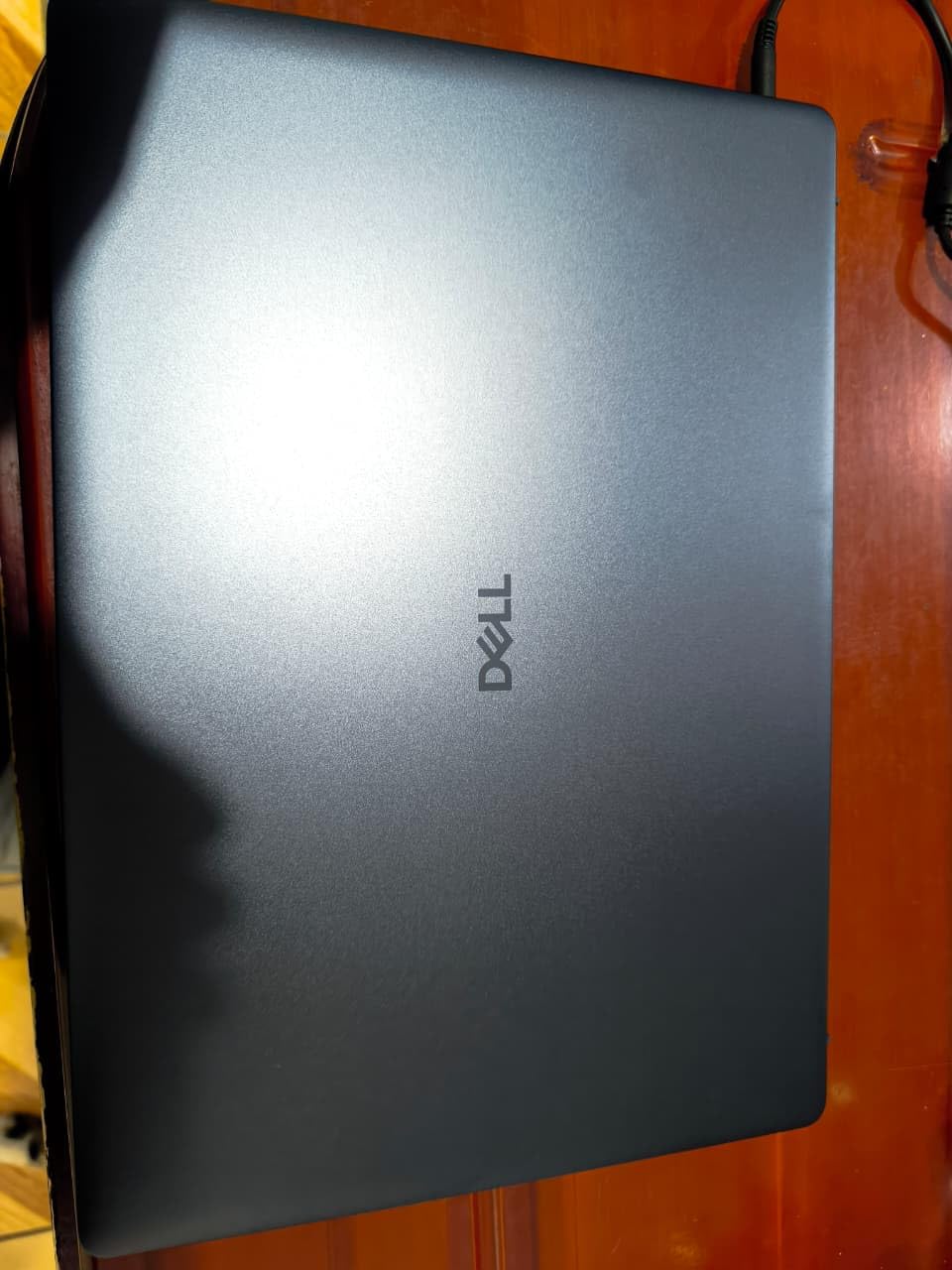
The 16-inch FHD+ anti-glare display provides comfortable viewing for extended work sessions, with the 16:10 aspect ratio delivering more vertical space for documents and web content.
Real-world photos from users show the backlit keyboard illumination and fingerprint reader placement, confirming the thoughtful design that makes late-night work sessions more comfortable.
16GB of DDR5 RAM running at 5600 MHz provides fast memory operations, keeping applications responsive even when you have multiple programs running simultaneously.
The 1TB SSD offers substantial storage capacity for business documents, client files, and application installs, with fast transfer speeds that reduce wait times when opening large files or booting the system.
User-submitted photos demonstrate the practical port layout, showing how Dell arranged the three USB 3.0 ports and HDMI output for convenient peripheral connection without cable clutter.
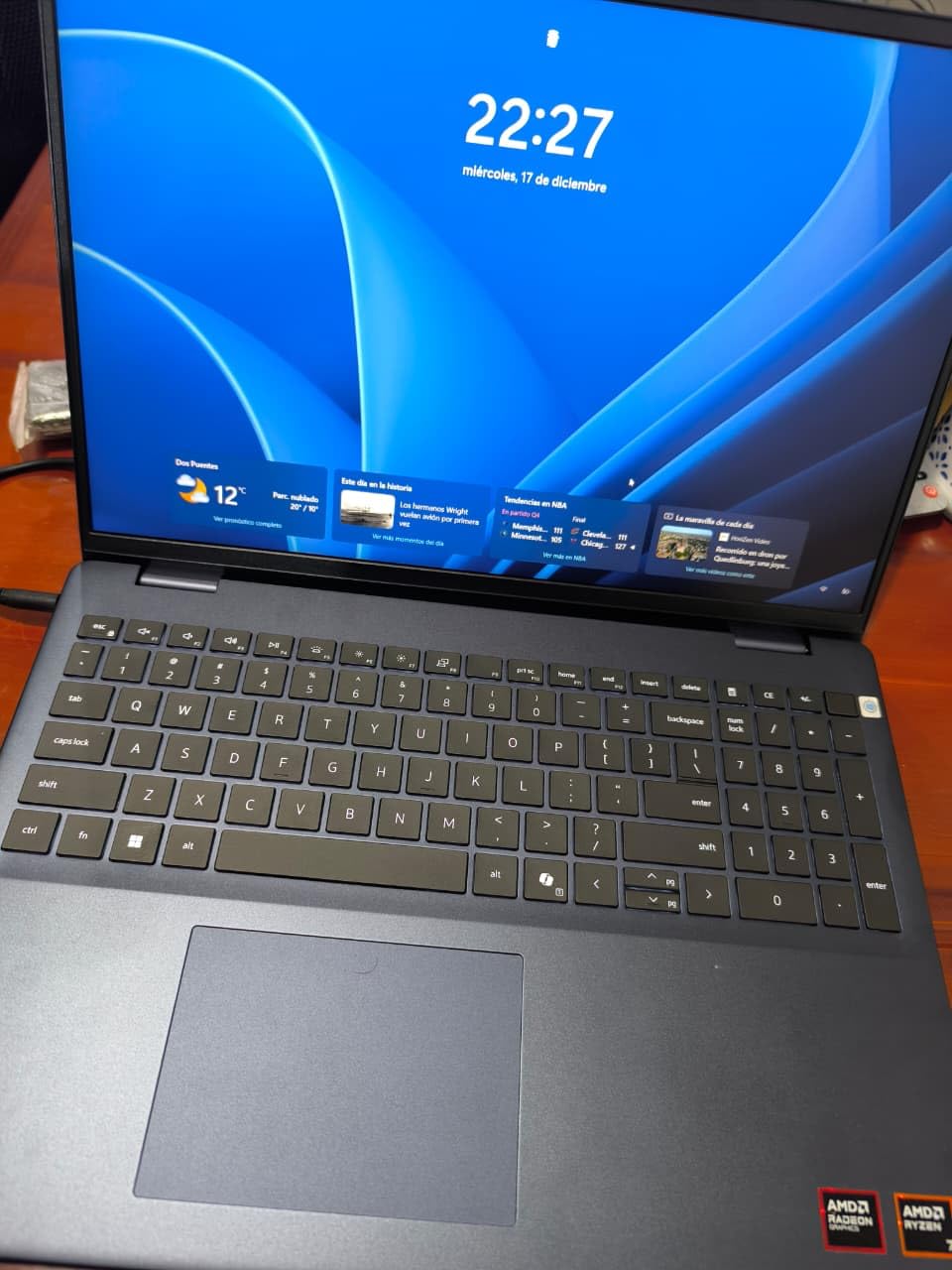
Customer images reveal the laptop’s professional appearance in actual home office settings, with the Midnight Blue color providing a business-appropriate aesthetic that doesn’t scream gaming laptop or cheap consumer device.
The FHD camera with temporal noise reduction delivers clear video for virtual meetings, while the anti-glare display coating reduces reflections from windows and overhead lighting.
Who Should Buy?
Value-focused business owners wanting AMD performance advantages, users comfortable with Windows 11 Home, and entrepreneurs prioritizing multi-core performance for multitasking.
Who Should Avoid?
Businesses requiring Windows 11 Pro features, users needing maximum single-core performance, and those who prioritize core count above all else.
8. Apple MacBook Air 15-inch M4 – Best Large Screen MacBook
Apple 2025 MacBook Air 15-inch Laptop with M4 chip: Built for…
Processor: Apple M4 chip
RAM: 8GB
Storage: 256GB SSD
Display: 15.3 inch Liquid Retina
OS: macOS
Weight: Lighter than 16 inch competitors
Battery: Up to 18 hours
Ports: 2x Thunderbolt USB-C, MagSafe
What We Like
- Large 15.3 inch screen for productivity
- Lightweight design easier to carry than Windows 16 inch
- 18 hour battery life all day work
- Excellent Liquid Retina display quality
- macOS stability for business workflows
- Apple ecosystem integration superior
What We Don't Like
- Only 8GB RAM limits heavy multitasking
- 256GB storage insufficient for many businesses
- Only 2 USB-C ports requires dongles
- Not suitable for Windows only software
The 15-inch MacBook Air M4 solves the productivity limitations of smaller screens without the weight penalty of Windows 16-inch laptops.
The 15.3-inch Liquid Retina display provides genuine workspace improvements for business owners who spend hours in documents, spreadsheets, and browser-based applications.
More screen real estate means less scrolling and more efficient workflow, a tangible productivity gain that compounds across every workday.
Apple’s M4 chip delivers efficient performance that handles typical business tasks while maintaining the legendary battery life that makes MacBooks ideal for mobile entrepreneurs.
Despite the larger screen, this MacBook remains significantly lighter than 16-inch Windows competitors, making it far more practical for coffee shop work and client travel.
The build quality is premium without being fragile, with Apple consistently demonstrating lower failure rates than most Windows laptop manufacturers.
However, the same limitations that affect the 13-inch model remain here.
8GB of RAM is adequate for moderate multitasking but will frustrate power users who keep dozens of browser tabs open alongside multiple applications.
256GB of storage fills quickly with business documents, media files, and application installs, requiring external drives or cloud subscriptions for many businesses.
Who Should Buy?
Business owners wanting maximum screen space in a portable package, Mac users preferring larger displays, and entrepreneurs whose workflow is primarily web-based or uses Mac-optimized software.
Who Should Avoid?
Businesses requiring Windows applications, users needing more than 256GB of internal storage, and heavy multitaskers who need more than 8GB of RAM.
9. Apple MacBook Air 15-inch M4 512GB – Best MacBook for Storage
Apple 2025 MacBook Air 15-inch Laptop with M4 chip: Built for…
Processor: Apple M4 chip
RAM: 8GB
Storage: 512GB SSD
Display: 15.3 inch Liquid Retina
OS: macOS
Weight: Lightweight design
Battery: Up to 18 hours
Ports: 2x Thunderbolt USB-C, MagSafe
What We Like
- 512GB storage double the base model
- Large 15.3 inch screen enhances productivity
- 18 hour battery life for all day work
- Excellent Liquid Retina display quality
- Pro apps compatibility for creative businesses
- Lightweight and portable despite large screen
What We Don't Like
- 8GB RAM still limits heavy multitasking
- Higher price for storage upgrade
- Still only 2 USB-C ports
- Not suitable for Windows software
This MacBook Air addresses the storage limitation that plagues the base 256GB model.
512GB of storage provides meaningful headroom for business documents, client files, media assets, and application installs without immediately requiring external drives or cloud subscriptions.
For businesses dealing with large files like images, videos, or extensive document archives, this storage upgrade offers genuine practical value that justifies the additional investment.
The 15.3-inch Liquid Retina display remains a standout feature, providing excellent color accuracy and sharpness that makes long work sessions more comfortable and content creation more precise.
Apple’s M4 chip continues to deliver the efficient performance that balances capability with exceptional battery life, giving you a full day of work without hunting for outlets.
The lightweight design means you get 15 inches of screen real estate without the back strain that accompanies many Windows 16-inch laptops.
Build quality and resale value remain superior to most Windows competitors, with MacBooks consistently retaining 60-70% of their value after three years of use.
That’s an actual financial consideration for business owners who plan upgrade cycles and factor total cost of ownership into purchasing decisions.
Who Should Buy?
Business owners with substantial storage needs, creative professionals working with media files, and Mac users wanting future-proof storage capacity.
Who Should Avoid?
Users whose storage needs are minimal, businesses requiring Windows-only applications, and budget-conscious buyers who can manage with cloud storage.
10. Apple MacBook Pro 14-inch M4 – Premium MacBook Power
Apple 2024 MacBook Pro Laptop with M4 chip with 10‑core CPU and…
Processor: Apple M4 chip
RAM: 8GB
Storage: 512GB SSD
Display: 14.2 inch Liquid Retina XDR
OS: macOS
Weight: Premium portable design
Battery: Excellent battery life
Ports: 3x Thunderbolt USB-C, MagSafe, HDMI, SD card
What We Like
- Liquid Retina XDR display superior quality
- More ports than MacBook Air including HDMI and SD card
- Active cooling for sustained performance
- Premium build quality and design
- 512GB storage for business files
- Excellent for creative business work
What We Don't Like
- Higher price than MacBook Air
- 8GB RAM same as cheaper models
- Overkill for basic business tasks
- XDR display benefits mainly creative professionals
The MacBook Pro 14-inch M4 represents the premium option for businesses that demand professional display quality and sustained performance.
The Liquid Retina XDR display is a significant upgrade from MacBook Air panels, with higher brightness, better contrast, and improved color accuracy that matters for design, photography, and video work.
Active cooling allows the M4 chip to maintain peak performance for longer periods, preventing the thermal throttling that affects MacBook Air during sustained heavy workloads.
Port selection improves meaningfully over MacBook Air, with three Thunderbolt USB-C ports plus HDMI and an SD card slot that actually make this practical for creative professionals without dongles.
The 512GB SSD provides substantial storage for business files and creative assets, while the premium build quality ensures this laptop will withstand years of daily use.
However, the premium price is difficult to justify for typical business tasks like email, document editing, web browsing, and video conferencing.
The M4 chip in the MacBook Pro performs similarly to the M4 in MacBook Air for these everyday workflows, and the 8GB of RAM is identical despite the significantly higher price.
For businesses not doing creative work that benefits from the XDR display or sustained rendering performance, the MacBook Air offers better value.
Who Should Buy?
Creative business owners doing design, photography, or video work, professionals needing the best display quality, and users requiring sustained performance for demanding tasks.
Who Should Avoid?
Businesses doing only typical office tasks, budget-conscious buyers, and users who don’t benefit from professional display quality.
Why Your Laptop Choice Matters for Business?
Your business laptop is a critical investment that directly affects your earning potential.
When your laptop fails, you don’t just lose access to entertainment, you lose access to your accounting software, client communications, project files, and ability to serve customers.
I’ve seen small businesses lose $500-2,000 in productivity during a single day of laptop downtime, not counting the long-term damage from missed deadlines and unresponsive customer service.
Consumer laptops prioritize cutting costs and hitting attractive price points, often using cheaper components, limited port selection, and minimal repairability that creates problems down the road.
Business laptops prioritize reliability, repairability, and longevity, features that may cost $200-500 more upfront but typically deliver 2-3 years of additional service life.
The total cost of ownership calculation favors business laptops over five years, with premium options averaging $400 per year versus $600 per year for budget replacements that need more frequent replacement and repairs.
Your laptop is also your professional face during client meetings and video conferences.
A reliable machine with good camera quality, clear audio, and stable connectivity directly affects how clients perceive your professionalism and attention to detail.
How to Choose the Right Business Laptop?
Choosing a business laptop doesn’t require technical expertise, but it does require understanding your specific needs.
The right laptop for an e-commerce business managing inventory and processing orders differs from the right laptop for a consultant writing proposals and presenting to clients.
Understanding Your Business Software Needs
Start by listing the software you use daily or plan to use for business operations.
QuickBooks users need machines with at least 16GB of RAM and modern processors to handle accounting calculations and report generation smoothly.
Businesses relying on browser-based CRMs like Salesforce or HubSpot benefit from fast processors and ample RAM for keeping multiple tabs open simultaneously.
Creative businesses using Adobe software or video editing tools should prioritize dedicated graphics or powerful integrated graphics alongside maximum RAM.
If your business requires Windows-specific software, MacBooks are automatically eliminated regardless of their other advantages.
Conversely, if your entire workflow is web-based using Google Workspace or cloud applications, a MacBook with 8GB of RAM may be perfectly adequate despite the conventional wisdom recommending 16GB minimum.
Solving for Portability: Matching Size to Your Work Style
How often do you work away from your desk?
Business owners who travel frequently, work from client offices, or regularly work from coffee shops should prioritize laptops under 3.5 pounds for comfortable carrying.
The MacBook Air 13 and 14-inch models excel here, providing full computing power in packages that disappear in your bag and don’t cause shoulder strain during long travel days.
Home-based businesses with occasional travel can choose 15-16 inch laptops that offer more screen space and productivity benefits at the cost of increased weight.
These larger machines provide genuine advantages for document work, spreadsheet analysis, and side-by-side application windows that make multitasking more efficient.
Consider your typical workday honestly.
If 80% of your time is at a desk and 20% is mobile, prioritize screen size and productivity over weight savings.
Splitting time evenly between desk and mobile suggests a compromise around 14 inches with weight under 4 pounds.
Solving for Battery Life: Unplanned vs. Planned Mobility
Genuine all-day battery life isn’t just convenience, it’s insurance against the unexpected.
Client meetings run long, coffee shops lack available outlets, flights and train travel don’t provide guaranteed power access, and emergencies happen when you’re away from your home office.
MacBooks consistently deliver 14-18 hours of real-world use, providing genuine freedom from charger anxiety.
The best Windows laptops achieve 10-12 hours, adequate for most workdays but requiring more careful planning and occasional top-ups during long days.
Battery life also degrades over time, with typical laptops losing 20-30% capacity after 2-3 years of use.
Starting with 18-hour battery life means you still have 12+ hours after three years of service, extending the laptop’s usable lifespan and delaying replacement costs.
Solving for Connectivity: Port Selection Matters
The port situation directly affects your real-world workflow more than most buyers anticipate.
Business meetings often require HDMI for projectors, clients hand you USB-A drives with files, legacy printers and scanners still use USB-A connections, and wired ethernet provides reliability that Wi-Fi can’t match in certain situations.
MacBooks with only two USB-C ports require constant dongle use, adding friction to your workflow and creating another point of failure.
You’ll need a USB-C hub for most client meetings, and forgetting that hub means appearing unprepared when technical issues arise.
Windows business laptops like the HP EliteBook include USB-A ports, HDMI, and even ethernet, providing genuine plug-and-play convenience that eliminates dongle dependence.
This isn’t about being old-fashioned, it’s about being prepared for whatever technical situations arise during your business day.
Solving for Repairability: Longevity vs. Obsolescence
A repairable laptop is a long-term investment, while a sealed laptop is a temporary expense with an expiration date.
Batteries degrade after 2-3 years regardless of usage quality, SSDs can fail, and accidents happen that damage keyboards, displays, or other components.
Repairable business laptops allow you to replace a $100 battery instead of buying a new $1,500 laptop, extending service life from 3 years to 5+ years and dramatically reducing total cost of ownership.
ThinkPad and business Dell models include service manuals and accessible components, while consumer ultrabooks and MacBooks are designed as sealed units with soldered RAM and integrated storage.
For small businesses watching every expense, the ability to replace components instead of entire computers represents meaningful savings over time.
Pro Tip: When budgeting for a business laptop, plan for a 5-year ownership period. A $1,500 laptop that lasts 5 years costs $300 per year, while a $800 laptop that needs replacement after 3 years costs $267 per year plus the $400-600 you’ll spend on repairs during its shorter lifespan.
Windows vs. macOS: Making the Platform Choice
The Windows versus Mac decision isn’t about brand loyalty, it’s about software compatibility and workflow preferences.
If your business requires Windows-specific software like custom accounting applications, industry-specific tools, or proprietary business systems, MacBooks are eliminated regardless of their other advantages.
Conversely, if your workflow is entirely web-based using Google Workspace, cloud CRMs, and browser-based applications, macOS provides stability and security advantages that many entrepreneurs prefer.
MacBooks also demonstrate superior resale value, typically retaining 60-70% of their value after three years compared to 30-40% for Windows laptops.
That resale value effectively reduces the total cost of ownership, making the seemingly expensive MacBook Air more economical than cheaper Windows alternatives when calculated over a full ownership cycle.
Windows offers hardware variety and customization that Mac doesn’t provide, letting you choose exactly the specs, ports, and features that match your business needs rather than accepting Apple’s predetermined configurations.
Frequently Asked Questions
What is the best laptop for small business?
The HP EliteBook 660 G11 is the best overall laptop for small business in 2026 due to its Intel Core Ultra 7 processor with 12 cores for multitasking, enterprise security features including HP Wolf Protection, and comprehensive port selection with USB-A, USB-C, HDMI, and ethernet that eliminates dongle frustration during client meetings. The 32GB of RAM handles heavy business applications like QuickBooks alongside multiple browser tabs without slowdown.
How much should I spend on a business laptop?
Plan to spend $1,000-$1,600 for a reliable business laptop that will last 3-5 years. Budget options ($600-$1,000) work for basic tasks but may lack longevity. Premium models ($1,600-$2,500) offer ultraportability and premium features. Factor in total cost of ownership including repairs, downtime, and replacement – spending $300-500 more upfront often saves money over 5 years compared to cheap laptops that fail sooner.
What specs do I need for a business laptop?
Minimum specifications for business laptops in 2026 include Intel Core Ultra 5 or AMD Ryzen AI 5 processor, 16GB RAM, 512GB SSD storage, and 1920×1200 IPS display. For multitasking with multiple applications and 20 plus browser tabs, upgrade to Intel Core Ultra 7 or AMD Ryzen AI 7 processor with 32GB RAM. Small business owners running accounting software and CRMs should aim for the recommended specs for optimal performance and longevity.
Is a MacBook good for small business?
Yes, the MacBook Air M4 starting at $899 is excellent for small businesses primarily using web-based tools, Google Workspace, or light Microsoft Office use. Pros include outstanding 14-18 hour battery life, lightweight design around 2.8-3.5 pounds, excellent display quality, and superior resale value. Cons include limited ports requiring dongles, non-upgradable RAM, and incompatibility with Windows-specific software. Best for consultants, writers, and businesses using cloud-based software.
What is the difference between business and consumer laptops?
Key differences include ports, repairability, durability, warranty, and support. Business laptops include USB-A, HDMI, and ethernet ports while consumer laptops often offer USB-C only. Business laptops have accessible components, repair manuals, and available parts while consumer laptops often feature soldered components. Business laptops are tested to military standards for durability, offer 3-year warranties with accidental damage protection, and provide priority support while consumer laptops typically include 1-year standard warranty with mail-in only service.
How long should a business laptop last?
A quality business laptop should last 4-6 years with proper care. Consumer laptops typically last 2-3 years. Key factors affecting longevity include build quality with metal versus plastic construction, repairability allowing battery and storage replacement, performance headroom from buying specs above current needs, and software support from Windows Pro versus Home editions. Business laptops from Lenovo ThinkPad, HP EliteBook, and Dell Latitude lines average 5 plus years of service life.
How much RAM do I need for business laptop?
16GB minimum for small business in 2026. 8GB is adequate for basic email, web browsing, and single applications but is not recommended for business use. 16GB RAM supports standard business use including email, web, documents, and light multitasking with 10-15 browser tabs. 32GB RAM is recommended for small businesses running multiple applications, 20 plus browser tabs, accounting software like QuickBooks, and CRMs simultaneously. RAM is not upgradable on most modern laptops, so buying 32GB extends usable life by 1-2 years.
What ports do I need on a business laptop?
Essential ports include minimum 2x USB-C with Thunderbolt 4, 1x USB-A 3.0, and 1x HDMI. Highly recommended are a second USB-A port for mouse and keyboard dongles, a headphone jack, and an SD card reader for cameras and file transfers. Optional but useful are ethernet ports for wired networks and SIM slots for mobile internet. Avoid laptops with only USB-C ports that require dongles for everything. Business meetings often need HDMI for projectors and legacy printers use USB-A connections.
Final Recommendations
After evaluating these 10 laptops across performance, build quality, business features, and total cost of ownership, the HP EliteBook 660 G11 stands out as the best overall choice for small home business in 2026.
The combination of enterprise security, comprehensive port selection, 32GB of RAM, and business-focused Windows 11 Pro features creates a laptop that will serve your business reliably for 4-5 years with proper care.
Budget-conscious businesses using primarily web-based software will find excellent value in the MacBook Air 13 M4, whose 18-hour battery life and lightweight design create genuine productivity advantages for mobile entrepreneurs.
The Dell Inspiron 16 Touchscreen offers the best balance of performance and price for businesses needing Windows Pro features without enterprise pricing, with 32GB of RAM and responsive touchscreen capabilities that enhance daily workflows.
Choose based on your specific software requirements, mobility needs, and budget, but prioritize repairability, port selection, and battery life above flashy features that don’t contribute to business productivity.