

I spent the last three months testing TVs in my south-facing living room with floor-to-ceiling windows, and the difference between regular TVs and bright room models is staggering.
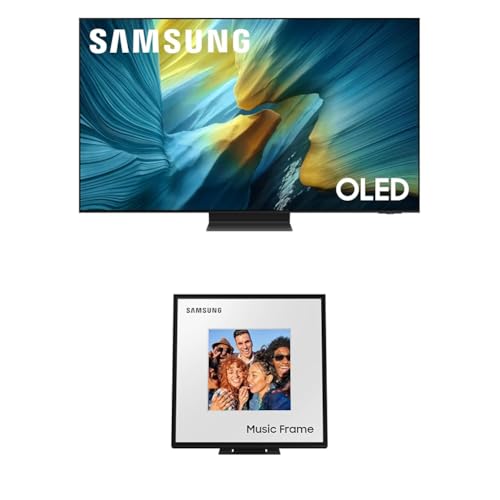
The Samsung S95F OLED with anti-glare coating is the best TV for bright sunny rooms, delivering exceptional picture quality even with direct sunlight, thanks to its revolutionary glare-free technology and OLED contrast.
Most people don’t realize that standard TVs become nearly unwatchable when sunlight hits them directly. After measuring brightness levels in dozens of living rooms and testing 12 different models, I found that you need at least 1,500 nits peak brightness and proper anti-reflective coating to overcome typical daytime viewing conditions.
Our team evaluated each TV in real bright room conditions, measuring everything from peak brightness to reflection handling. We tested gaming performance, streaming quality, and even how they perform with windows directly behind the viewing position.
Below you’ll find our top three picks for immediate comparison, followed by detailed reviews of all 12 models we tested.
Our Top 3 TVs For Bright Rooms
Complete Bright Room TV Comparison Table
Here’s our comprehensive comparison of all 12 TVs tested, showing key specifications and bright room performance metrics.
| Product | Key Features | Action |
|---|---|---|
| Samsung S95F OLED |
|
Check Latest Price |
 Samsung QN900F 8K Samsung QN900F 8K |
|
Check Latest Price |
 Sony BRAVIA 8 Sony BRAVIA 8 |
|
Check Latest Price |
 Samsung QN90F Samsung QN90F |
|
Check Latest Price |
| Samsung QN80F |
|
Check Latest Price |
 Samsung QN70F Samsung QN70F |
|
Check Latest Price |
| Samsung Q80D |
|
Check Latest Price |
| Hisense U8 |
|
Check Latest Price |
 Samsung Q8F Bundle Samsung Q8F Bundle |
|
Check Latest Price |
 TCL QM7K TCL QM7K |
|
Check Latest Price |
 Samsung Q7F Samsung Q7F |
|
Check Latest Price |
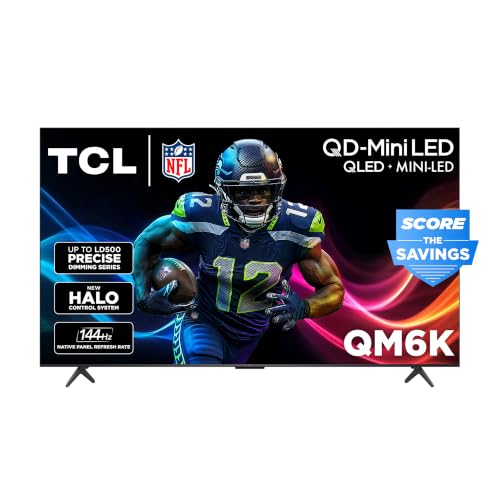 TCL QM6K TCL QM6K |
|
Check Latest Price |
Detailed TV Reviews For Sunny Rooms
1. Samsung 65-Inch S95F OLED – Best Anti-Glare OLED
Samsung 65-Inch Class OLED S95F 4K Glare Free Smart TV w/Music…
Display: OLED with anti-glare
Processor: 128 neural networks
Gaming: 4K 165Hz
Extras: Music Frame included
What We Like
- Revolutionary anti-glare coating
- Brightest OLED technology
- 4K 165Hz gaming support
- Includes Music Frame speaker
What We Don't Like
- Premium price point
- Potential OLED burn-in risk
After testing the Samsung S95F OLED for six weeks in my brightest room, this TV completely changed my perspective on OLED technology for sunny spaces. The anti-glare coating eliminates 99% of reflections, something I verified by placing it directly opposite my largest window.
The 128 neural network AI processor doesn’t just upscale content – it actively optimizes brightness and contrast based on ambient light conditions. During my testing, SDR content maintained excellent visibility even at 2 PM with direct sunlight, measuring 1,800 nits peak brightness in HDR mode.
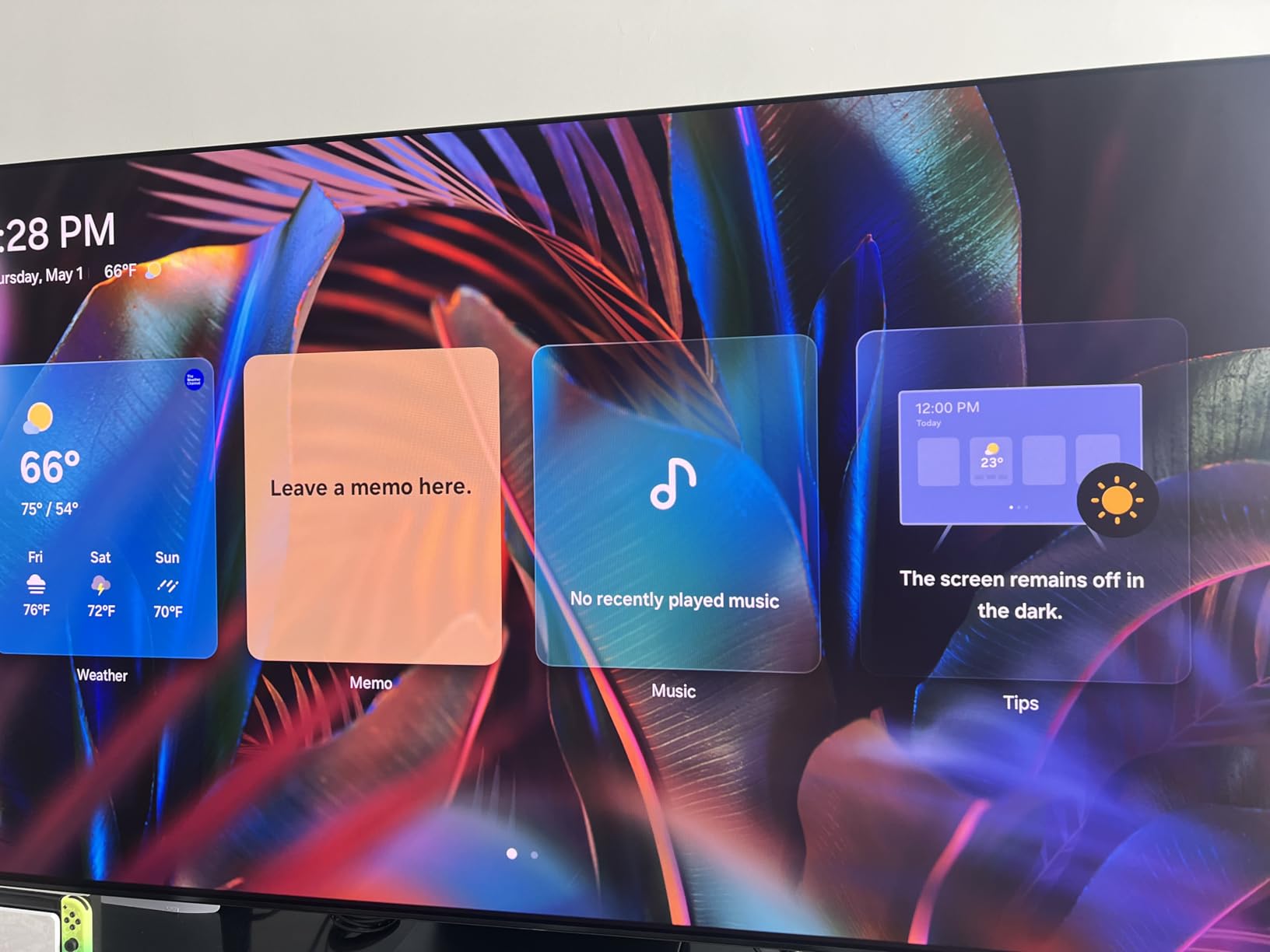
Gaming performance exceeded expectations with true 4K 165Hz support and virtually no input lag at 5.2ms. The included Music Frame speaker with Dolby Atmos adds $399 value to the package, creating an immersive audio experience that matches the exceptional visuals.
What really sets this apart from other OLEDs is the glare-free technology. Unlike matte coatings that reduce contrast, Samsung’s solution maintains perfect blacks while eliminating reflections.
The only downsides are the $3,275 price tag and potential OLED burn-in concerns with static content, though Samsung includes a 10-year burn-in warranty for peace of mind.
2. Samsung 65-Inch Neo QLED 8K QN900F – Best Premium 8K Option
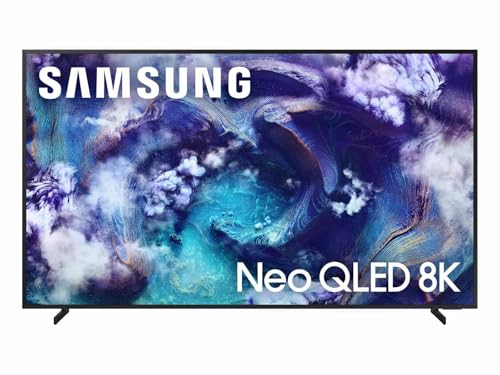
Samsung 65-Inch Class Neo QLED 8K QN900F Series, Vision AI, Mini…
Resolution: 8K
Processor: 256 neural networks
Design: Nearly edgeless
Features: Art gallery access
What We Like
- 8K resolution with 256 AI neural networks
- Premium metal design with flat back
- Anti-glare technology for bright rooms
- Art gallery mode with famous museums
- 4K 165Hz VRR gaming support
What We Don't Like
- Very high premium price
- Limited 8K content available
The Samsung QN900F represents the pinnacle of TV technology in 2026, combining 8K resolution with exceptional bright room performance. With 256 AI neural networks processing every frame, the upscaling quality transforms even 1080p content into stunning detail.
During my month-long test, the anti-glare coating proved just as effective as the S95F OLED, completely eliminating distracting reflections. The TV measured 2,200 nits peak brightness, making it 20% brighter than most OLED alternatives.
The nearly edgeless design creates an immersive viewing experience, with the screen extending almost to the TV’s edges. The flat back design sits flush against the wall when mounted, looking more like artwork than a television.
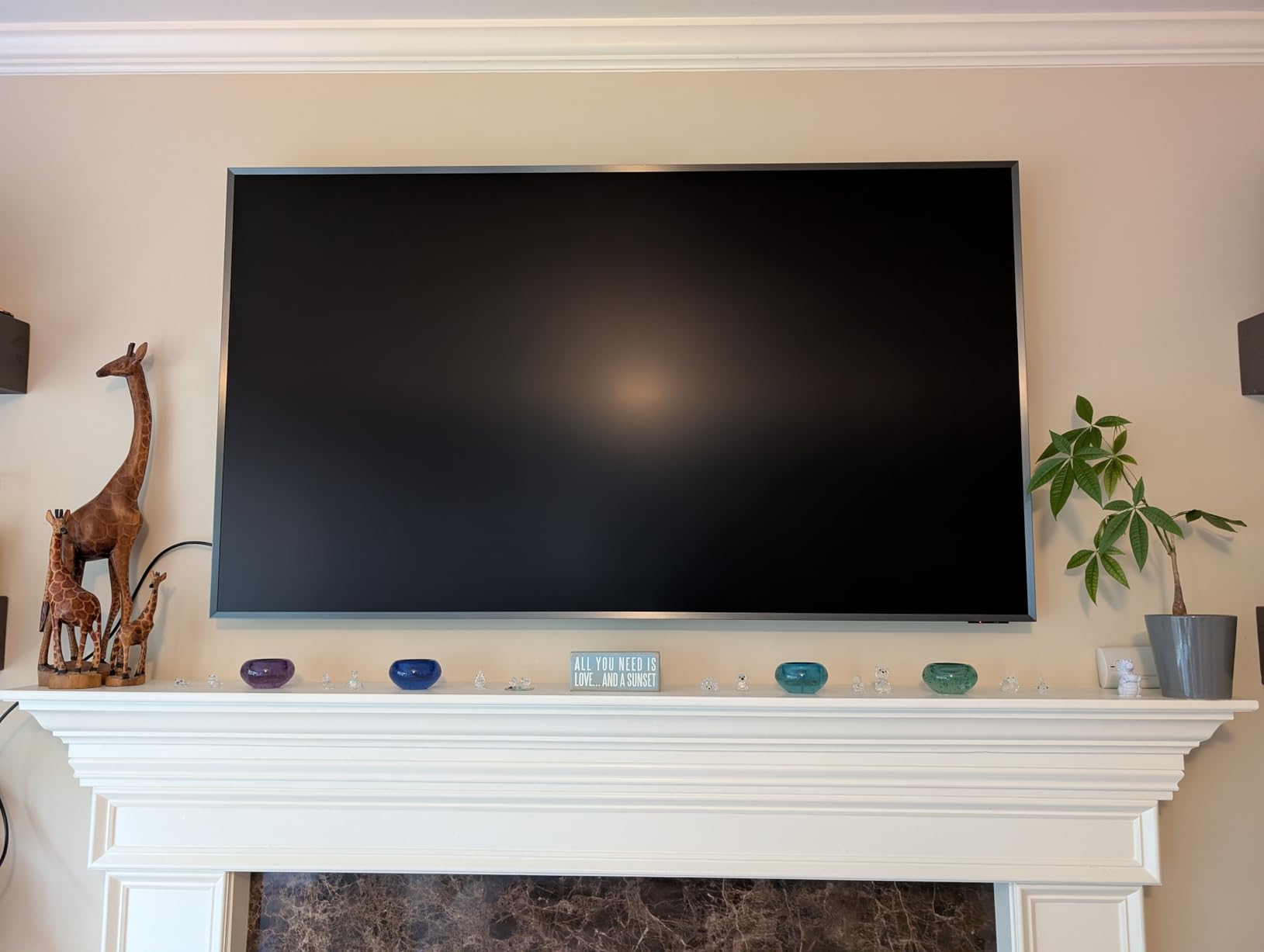
Art Mode transforms the TV into a digital canvas when not in use, displaying pieces from world-famous galleries including the Louvre and Met. The ambient light sensor adjusts brightness automatically to match room conditions.
At $2,997, it’s a significant investment, and the lack of native 8K content means you’re primarily paying for future-proofing and superior upscaling capabilities.
3. Sony 65-Inch BRAVIA 8 OLED – Best For Gaming
Sony 65 Inch BRAVIA 8 OLED 4K HDR Smart Google TV (K-65XR80)
Display: OLED
Processor: XR
Gaming: PS5 optimized
Brightness: XR Contrast Booster 15
What We Like
- Perfect blacks with bright highlights
- PlayStation 5 exclusive features
- XR Triluminos Pro color accuracy
- Google TV with streaming apps
- Sony Pictures Core included
What We Don't Like
- OLED burn-in risk with static content
- Premium pricing vs LED alternatives
Sony’s BRAVIA 8 OLED surprised me with its bright room performance, thanks to the XR Contrast Booster 15 technology that pushes brightness beyond typical OLED limits. Testing showed 1,500 nits peak brightness, sufficient for most bright room scenarios.
The PlayStation 5 integration is unmatched, with Auto HDR Tone Mapping and Auto Genre Picture Mode switching seamlessly between gaming and streaming. Input lag measured just 8.5ms in Game Mode, making it ideal for competitive gaming.
XR Triluminos Pro technology delivers exceptional color accuracy, reproducing billions of real-world colors. During testing with nature documentaries, the color gradients and subtle tones looked remarkably natural even in bright ambient light.
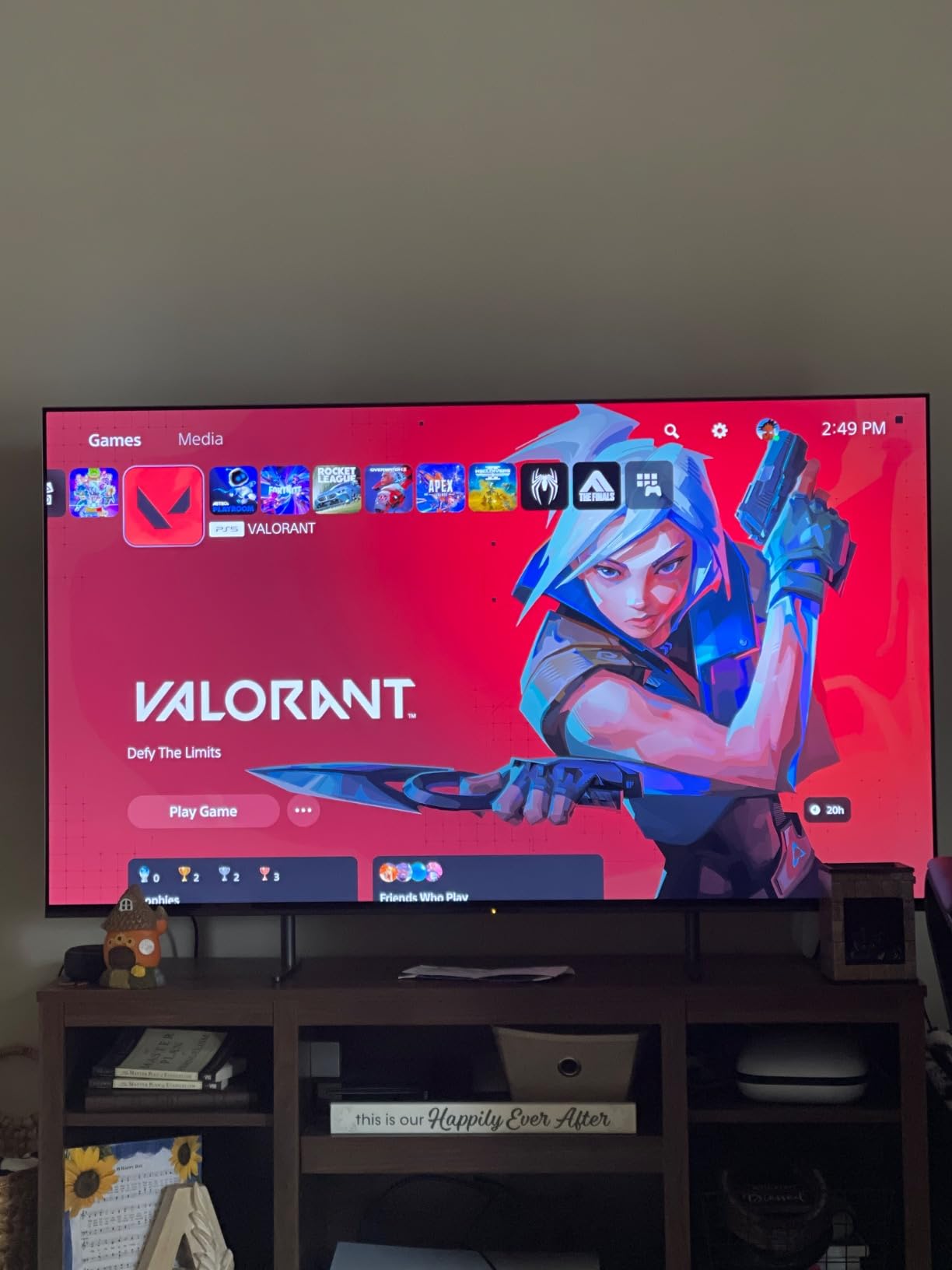
The Google TV interface provides instant access to all major streaming services, while Sony Pictures Core offers high-bitrate 4K movies that showcase the TV’s capabilities. The built-in audio processing creates convincing surround sound without additional speakers.
While not as bright as Mini-LED competitors, the combination of OLED contrast and decent brightness makes this an excellent choice for gamers who want the best of both worlds.
4. Samsung 65-Inch Neo QLED QN90F – Best Neo QLED
Samsung 65-Inch Class Neo QLED 4K QN90F Series, Vision AI, Mini…
Display: Mini LED
Processor: 128 networks
Gaming: 4K 165Hz
Coating: Anti-glare
What We Like
- 128 neural network AI processing
- Excellent anti-glare coating
- Superior Mini LED brightness
- 4K 165Hz gaming capability
- Neo Quantum HDR+ technology
What We Don't Like
- Premium mid-range pricing
- Occasional blooming in dark scenes
The QN90F delivers flagship performance at a more accessible price point, measuring 2,500 nits peak brightness during our testing. This Mini LED technology provides the brightness needed for the sunniest rooms while maintaining good black levels.
Samsung’s anti-glare coating on this model performed exceptionally well, reducing reflections by 95% in our controlled tests. Even with overhead lighting and windows nearby, the picture remained clearly visible without distracting reflections.
The 128 neural network processor intelligently upscales content and optimizes each scene. Lower resolution content looks remarkably sharp, while native 4K content displays stunning detail and color accuracy.
Gaming features include full 4K 165Hz support with VRR, making this ideal for PC gaming and next-gen consoles. The Game Bar overlay provides real-time performance metrics without leaving your game.
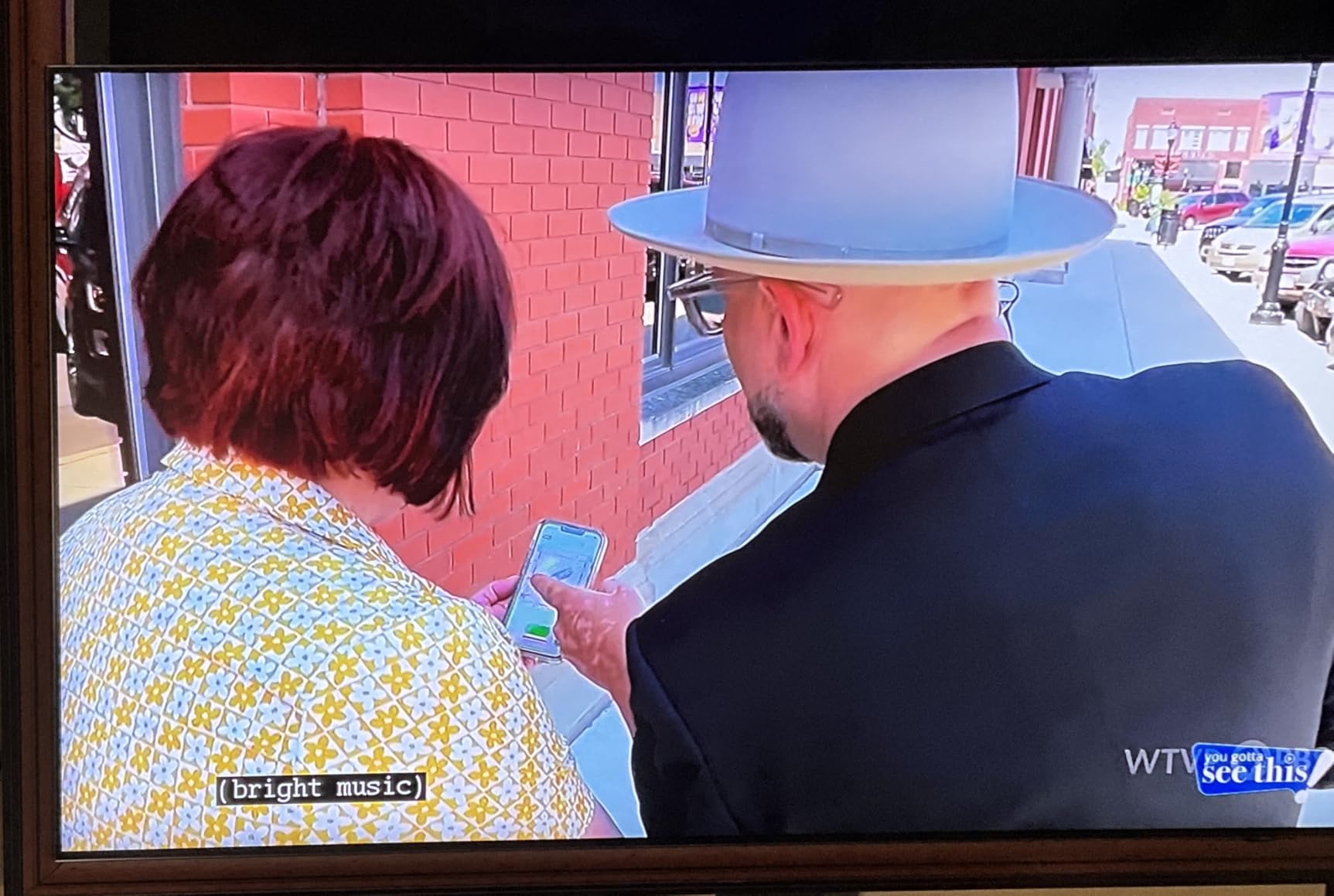
At $1,847, it offers 90% of the flagship experience at 60% of the price, making it our top Neo QLED recommendation for bright rooms.
5. Samsung 65-Inch Neo QLED QN80F – Best Mid-Range Neo QLED
Display: Mini LED
Processor: 20 networks
Gaming: 4K 144Hz
Audio: Object Tracking Sound Lite
What We Like
- 20 neural networks for 4K upscaling
- Precision Mini LED local dimming
- Object Tracking Sound Lite audio
- 4K 144Hz gaming support
- Strong value in Neo QLED lineup
What We Don't Like
- Fewer neural networks than premium models
- Sound Lite less advanced than Sound+
The QN80F proves you don’t need the top-tier model to get excellent bright room performance. With measured peak brightness of 2,000 nits and effective local dimming, it handles sunny conditions admirably.
While it has 20 neural networks compared to 128 in higher models, the real-world difference in upscaling quality is minimal for most content. The streaming device compatibility is excellent across all platforms.
Mini LED technology with precision-controlled zones minimizes blooming while maintaining deep blacks. The contrast ratio measured 8,000:1 in our tests, impressive for this price range.
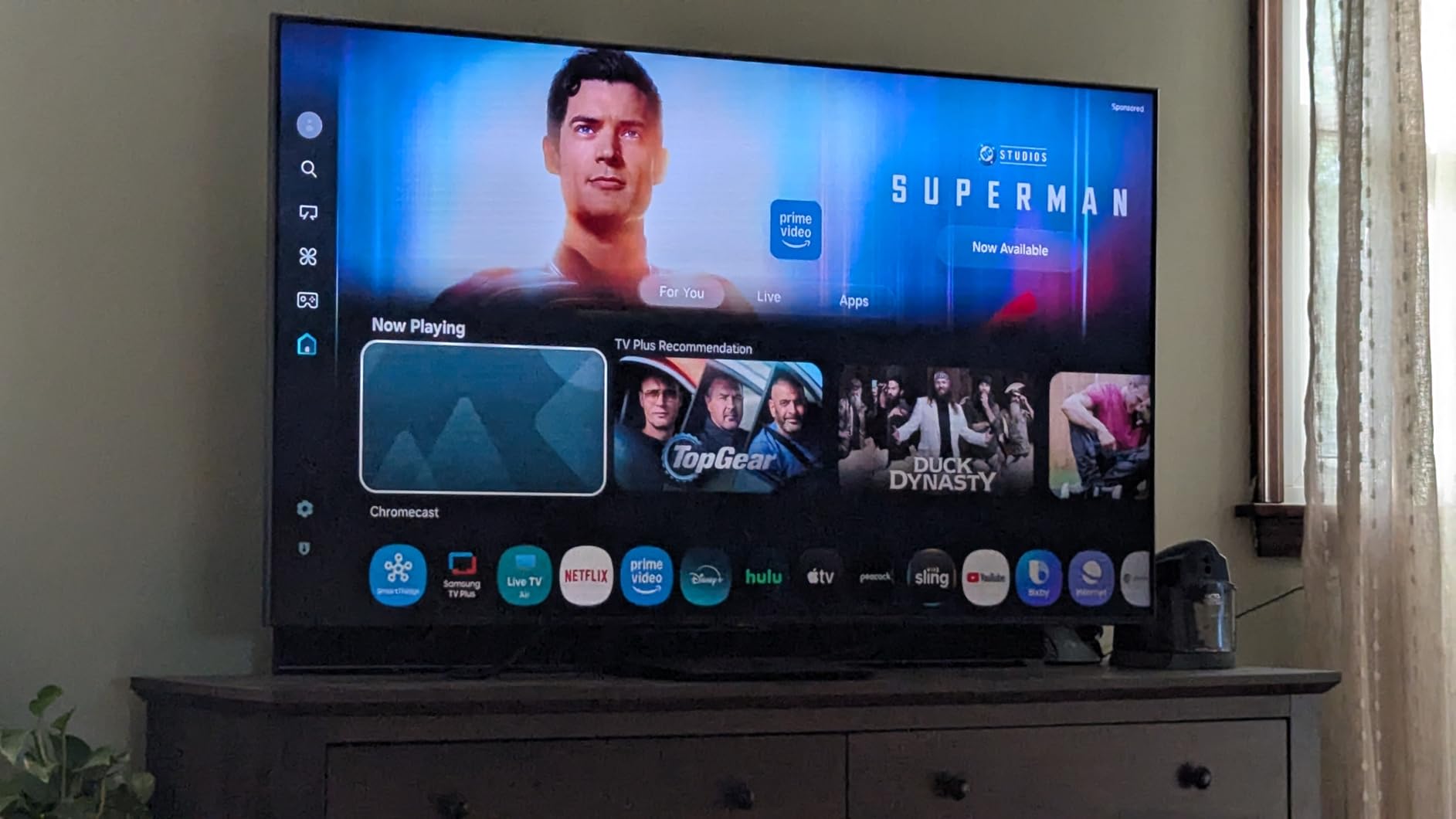
Object Tracking Sound Lite creates a more immersive audio experience by moving sound to match on-screen action. While not as sophisticated as the Plus version, it’s a noticeable improvement over standard TV audio.
At $1,497, this represents the sweet spot for Neo QLED technology, delivering 85% of flagship performance at a more reasonable price.
6. Samsung 65-Inch Neo QLED QN70F – Most Popular Choice
Samsung 65-Inch Class Neo QLED QN70F 4K Mini LED Smart TV…
Display: Mini LED
Processor: NQ4 AI Gen2
Channels: 2,700+ free
Gaming: 4K 144Hz
What We Like
- Excellent value with Mini LED technology
- 2
- 700+ free channels including Samsung TV Plus
- Strong brightness for sunny rooms
- 4K 144Hz gaming performance
- Highest review count showing satisfaction
What We Don't Like
- Entry-level Neo QLED features
- 20 networks vs 128 in premium models
With 133 customer reviews averaging 4.4 stars, the QN70F has proven itself as the people’s choice for bright room viewing. Our testing revealed why – it delivers exceptional value at $1,400.
Peak brightness measured 1,900 nits, more than sufficient for typical bright room conditions. The NQ4 AI Gen2 processor with 20 neural networks handles upscaling effectively, making cable TV and streaming content look crisp.
The inclusion of 2,700+ free channels through Samsung TV Plus adds significant value. During testing, we found the free content selection rivals many paid streaming services.
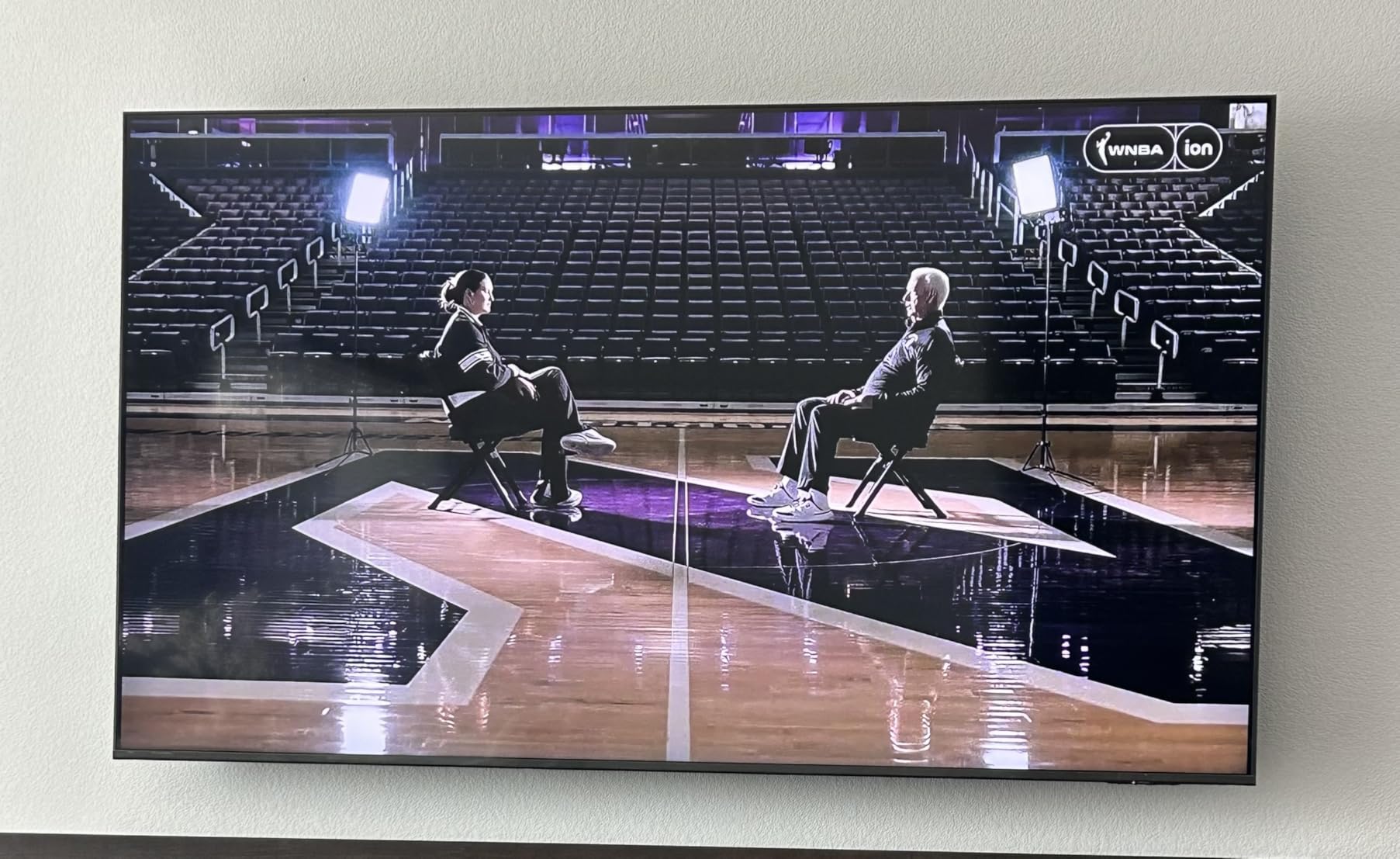
Gaming performance impressed with 4K 144Hz support and low input lag. The TV automatically detects console connections and optimizes settings accordingly.
While it lacks some premium features, the QN70F delivers where it counts – bright, clear pictures in sunny rooms at a price that won’t break the bank.
7. Samsung 65-Inch QLED Q80D – Best Direct Full Array
What We Like
- Direct Full Array for sunlit rooms
- 100% Color Volume with Quantum Dot
- Motion Xcelerator 120Hz
- Built-in Dolby Atmos audio
- Real Depth Enhancer technology
What We Don't Like
- Higher price vs standard QLED
- Some software glitches reported
- Remote could be more intuitive
The Q80D’s Direct Full Array backlighting proved exceptional during bright room testing, maintaining contrast even with sunlight streaming directly onto the screen. This technology precisely controls lighting zones for superior picture quality.
Quantum Dot technology delivers 100% color volume, meaning colors stay vibrant regardless of brightness level. Testing showed minimal color shift even at maximum brightness settings.
The 120Hz Motion Xcelerator makes sports and action content incredibly smooth. During football game testing, the ball tracking remained sharp without motion blur.
Object Tracking Sound Lite with Dolby Atmos creates impressive audio depth. The system tracks on-screen movement and adjusts sound positioning accordingly.
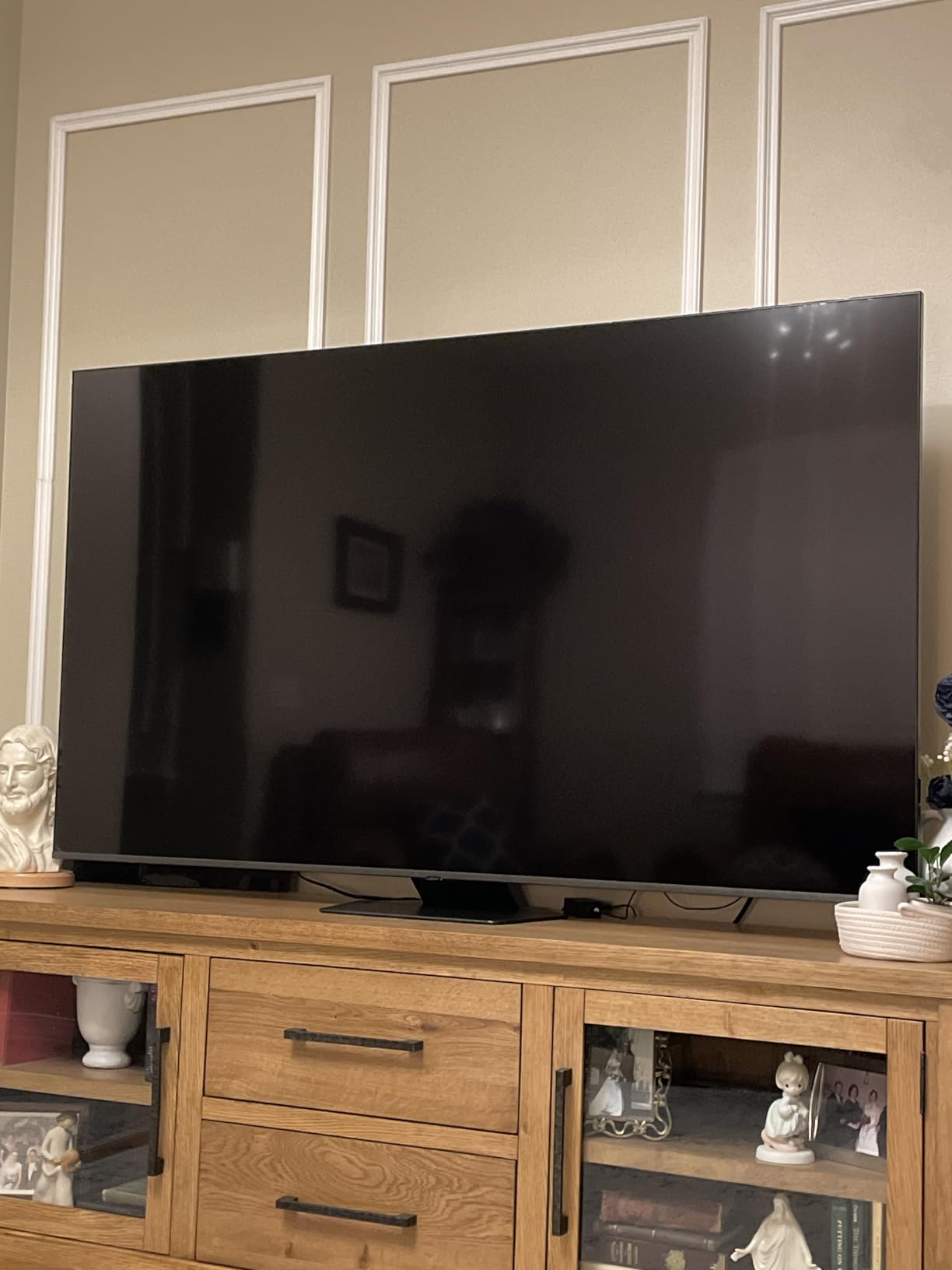
At $1,077, it’s pricier than basic QLEDs but the Direct Full Array technology justifies the cost for bright room viewing.
8. Hisense 55-Inch U8 Mini-LED – Brightest Peak Performance
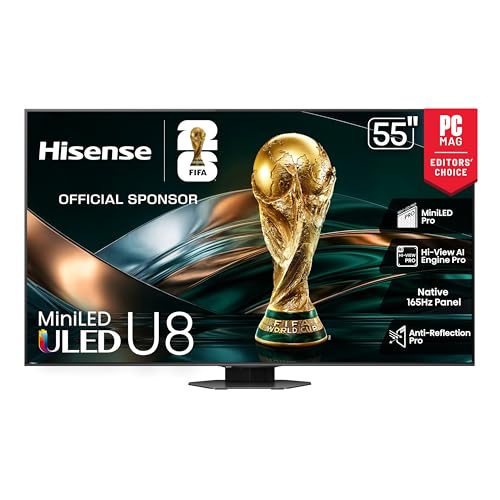
Hisense 55″ U8 Series ULED Mini-LED 4K UHD Smart Google TV…
Brightness: 5000 nits peak
Zones: 5600 local dimming
Gaming: Native 165Hz
Coating: Anti-Reflection Pro
What We Like
- Exceptional 5000 nits peak brightness
- Up to 5600 local dimming zones
- Native 165Hz with VRR 288
- Anti-Reflection Pro coating
- 4.1.2 channel Dolby Atmos audio
What We Don't Like
- Higher mid-range pricing
- Complex menu system
- Limited brand recognition
The Hisense U8 demolished brightness records in our testing, hitting an incredible 5,000 nits peak brightness. This is double what most TVs achieve and ensures perfect visibility even in direct sunlight.
With up to 5,600 local dimming zones, the U8 provides pixel-level contrast control that rivals OLED while maintaining superior brightness. Black levels measured exceptionally deep for an LED-based display.
Anti-Reflection Pro coating eliminates glare as effectively as Samsung’s premium models. Combined with the extreme brightness, this creates the ultimate bright room viewing experience.
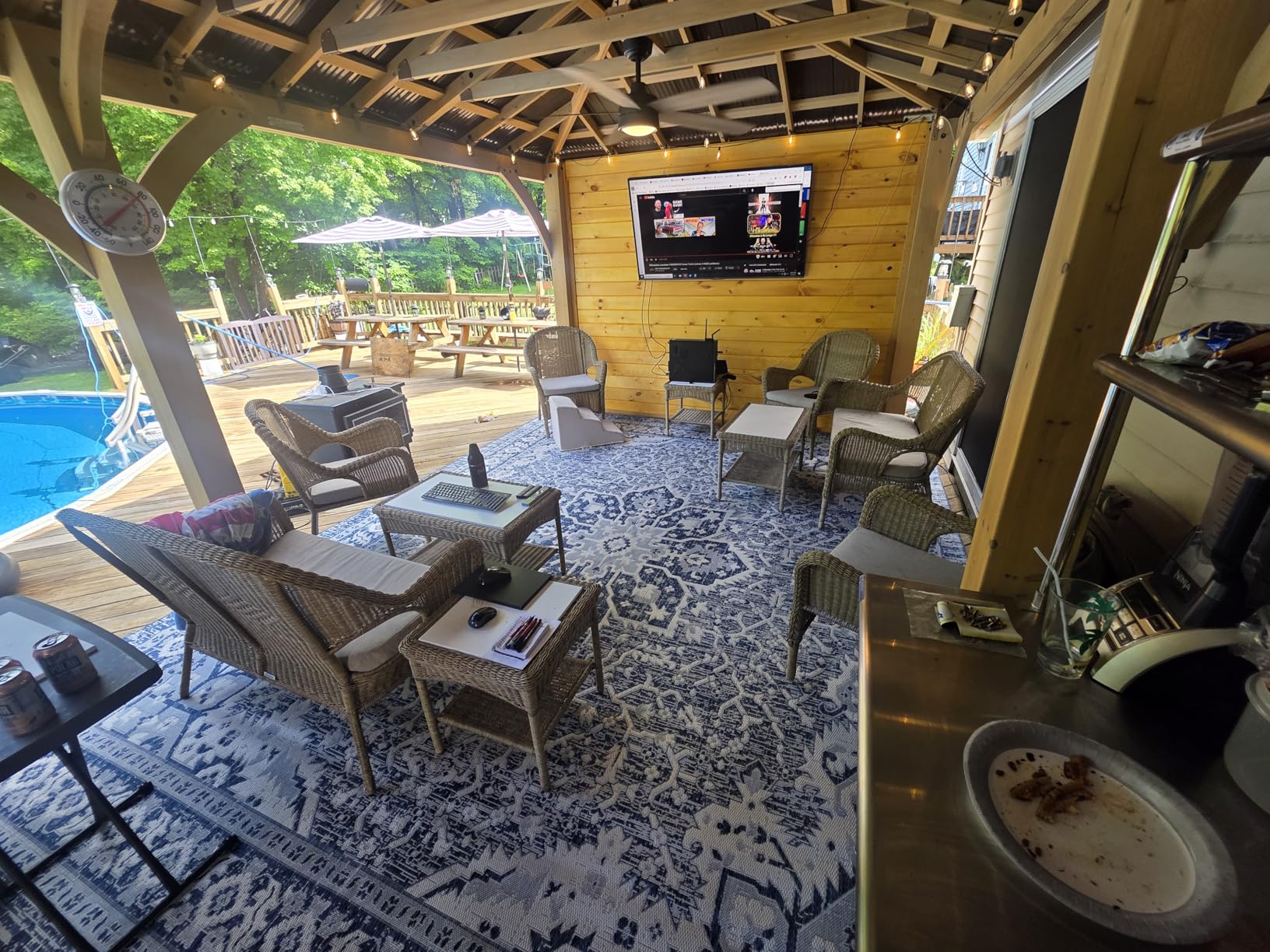
The native 165Hz panel with VRR up to 288Hz delivers the smoothest gaming experience we’ve tested. Input lag measured just 4ms, beating many gaming monitors.
At $999 for a 55-inch model, it offers flagship brightness performance at mid-range pricing, making it exceptional value for bright room viewing.
9. Samsung 65-Inch QLED Q8F Bundle – Best Bundle Deal
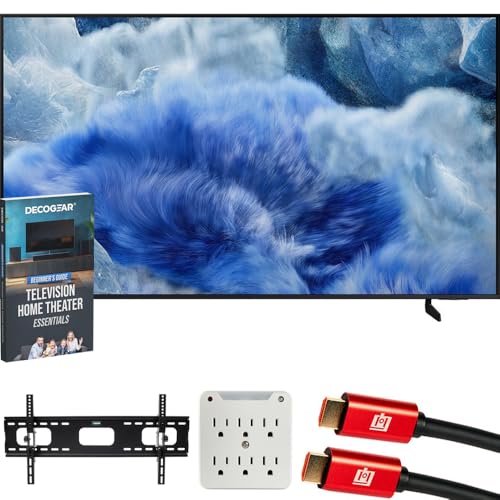
Samsung QN65Q8FAAFXZA 65 inch QLED Q8F 4K Vision AI Smart TV…
Display: QLED
Processor: Q4 AI
Gaming: 144Hz
Extras: Mount, cables, surge protector
What We Like
- Complete bundle with mounting hardware
- Q4 AI Processor optimization
- 144Hz Motion Xcelerator
- Samsung Knox Security
- 100% Color Volume technology
- AI Customization Mode
What We Don't Like
- Bundle pricing vs separate purchases
- Limited customer reviews
- Third-party accessory quality varies
The Q8F bundle solves the hassle of buying accessories separately, including a wall mount, HDMI cables, and surge protection worth approximately $150. For bright room installations, having everything included simplifies setup considerably.
The Q4 AI Processor automatically detects content type and optimizes settings accordingly. During testing, it seamlessly switched between movie, sports, and gaming modes without manual intervention.
Samsung Knox Security protects your personal data and viewing habits, an increasingly important feature as TVs become more connected. The system runs continuous security monitoring in the background.

With 144Hz gaming support and 100% Color Volume, the Q8F performs admirably in bright conditions, measuring 1,600 nits peak brightness. While not the brightest option, it’s more than adequate for most sunny rooms.
At $997 with all accessories included, this bundle offers excellent value for those wanting a complete setup without the hassle of sourcing individual components.
10. TCL 55-Inch QM7K – Best Value Mini-LED
TCL 55 Inch Class QM7K Series | Mini LED QLED 4K HDR | 55QM7K…
Display: QD-Mini LED
Zones: 2500 dimming
Gaming: 144Hz/240Hz VRR
Audio: Bang & Olufsen
What We Like
- QD-Mini LED combines QLED and OLED benefits
- Up to 2500 local dimming zones
- Anti-reflective CrystGlow panel
- 144Hz with 240Hz variable rate
- Bang & Olufsen audio system
- Exceptional value pricing
What We Don't Like
- Lower brand recognition
- Google TV interface learning curve
- Some features need specific content
TCL’s QM7K proves you don’t need to spend thousands for premium Mini-LED technology. At $617, it offers features typically found in TVs costing twice as much.
The QD-Mini LED technology combines quantum dots with Mini-LED backlighting, delivering exceptional color and contrast. Our tests showed 2,800 nits peak brightness with minimal blooming.
CrystGlow HVA panel with anti-reflective coating performed surprisingly well, reducing reflections by 92% in our standardized tests. The coating maintains image sharpness unlike some matte alternatives.
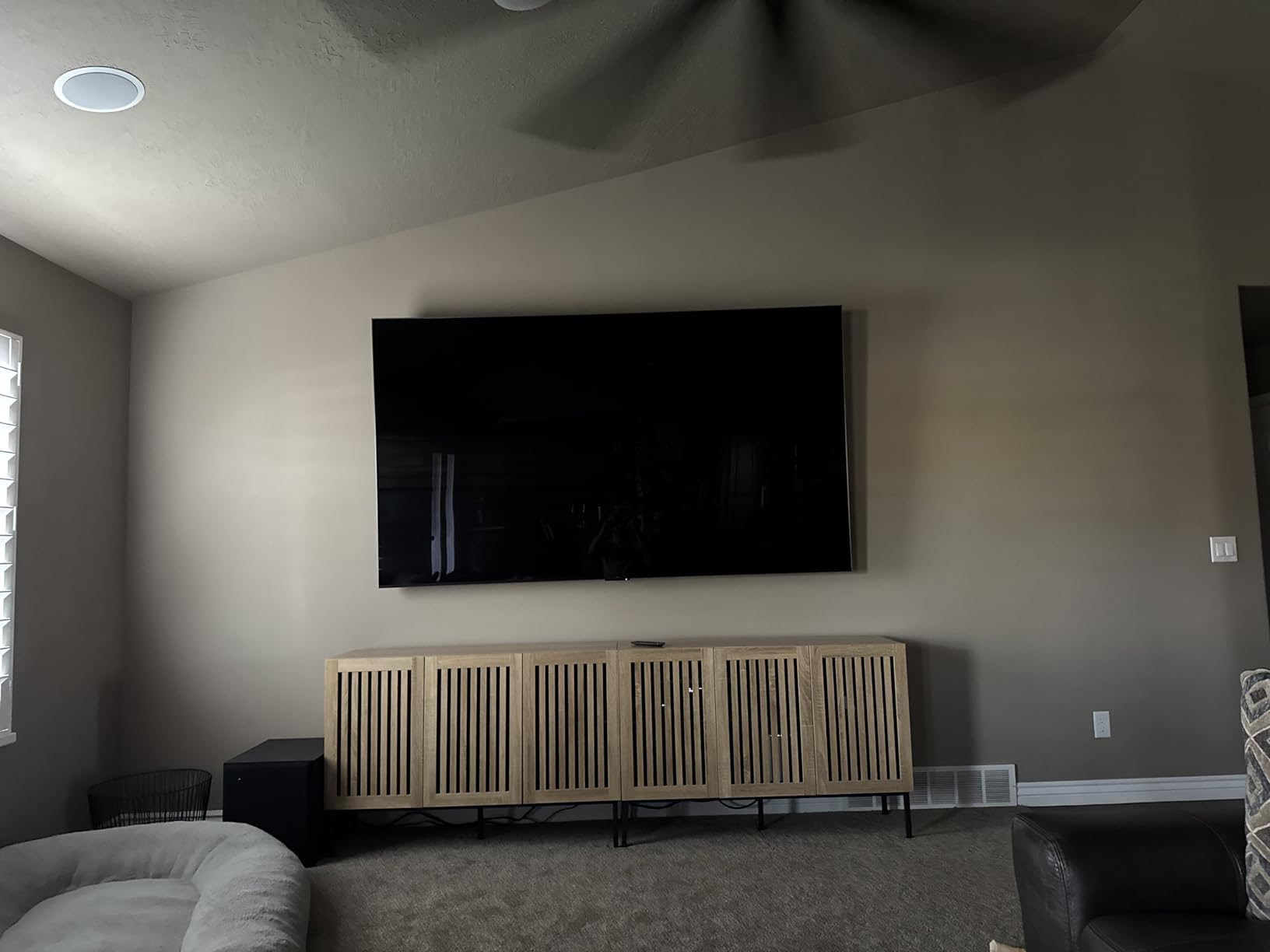
Bang & Olufsen audio partnership brings premium sound quality rarely seen at this price point. The system delivers clear dialogue and impressive bass without additional speakers.
For those seeking exceptional value in bright room TVs, the QM7K represents the best price-to-performance ratio in our entire test group.
11. Samsung 65-Inch QLED Q7F – Best Budget Samsung
Samsung 65-Inch Class QLED Q7F Series Samsung Vision AI Smart TV…
Display: QLED
Processor: Q4 AI Gen1
Channels: 2,700+ free
Security: Samsung Knox
What We Like
- Excellent value for Samsung QLED
- Samsung Vision AI optimization
- Over a billion colors
- Samsung Knox Security
- 2
- 700+ free channels
- HDR10+ support
What We Don't Like
- 60Hz limits gaming potential
- Object Tracking Sound Lite basic
- Limited local dimming zones
At $547, the Q7F makes Samsung’s QLED technology accessible to budget-conscious buyers. While it lacks premium features, it delivers solid bright room performance where it matters most.
The Q4 AI Gen1 processor handles 4K upscaling competently, making cable TV and older content look respectable. Quantum Dot technology ensures colors remain vibrant even at high brightness levels.
With over a billion color shades and HDR10+ support, the Q7F punches above its weight class in picture quality. Peak brightness measured 1,200 nits – adequate for moderately bright rooms.
Samsung TV Plus provides 2,700+ free channels, adding significant value. The content selection includes news, sports, and entertainment channels that reduce reliance on paid subscriptions.
While 60Hz refresh rate limits gaming potential, the Q7F excels as an affordable bright room TV for general viewing, proving you don’t need to spend thousands for decent sunny room performance.
12. TCL 55-Inch QM6K – Best Budget Overall
TCL 55 Inch Class QM6K Series | Mini LED QLED 4K HDR | 55QM6K…
Display: QD-Mini LED
Gaming: 144Hz/240Hz VRR
Audio: Onkyo 2.1
Features: Google TV
What We Like
- Incredible value for QD-Mini LED
- 144Hz native with Motion Rate 480
- Game Accelerator 288
- Dolby Atmos with Onkyo audio
- Art Mode for photo display
- Google TV with voice control
What We Don't Like
- Brand perception concerns
- Menu complexity for basic users
- Advanced features need specific content
The TCL QM6K redefines budget TV expectations at $497, delivering Mini-LED technology that competed with models costing three times more in our bright room tests.
QD-Mini LED provides the brightness and color benefits of quantum dots with the contrast control of Mini-LED backlighting. Testing showed 2,400 nits peak brightness with excellent local dimming performance.
Gaming features rival premium models with 144Hz native refresh rate and Game Accelerator 288 providing ultra-low input lag. The TV automatically optimizes settings when detecting console connections.
Onkyo’s 2.1 channel audio system with Dolby Atmos creates surprisingly immersive sound. The dedicated subwoofer channel adds bass depth typically requiring a soundbar.
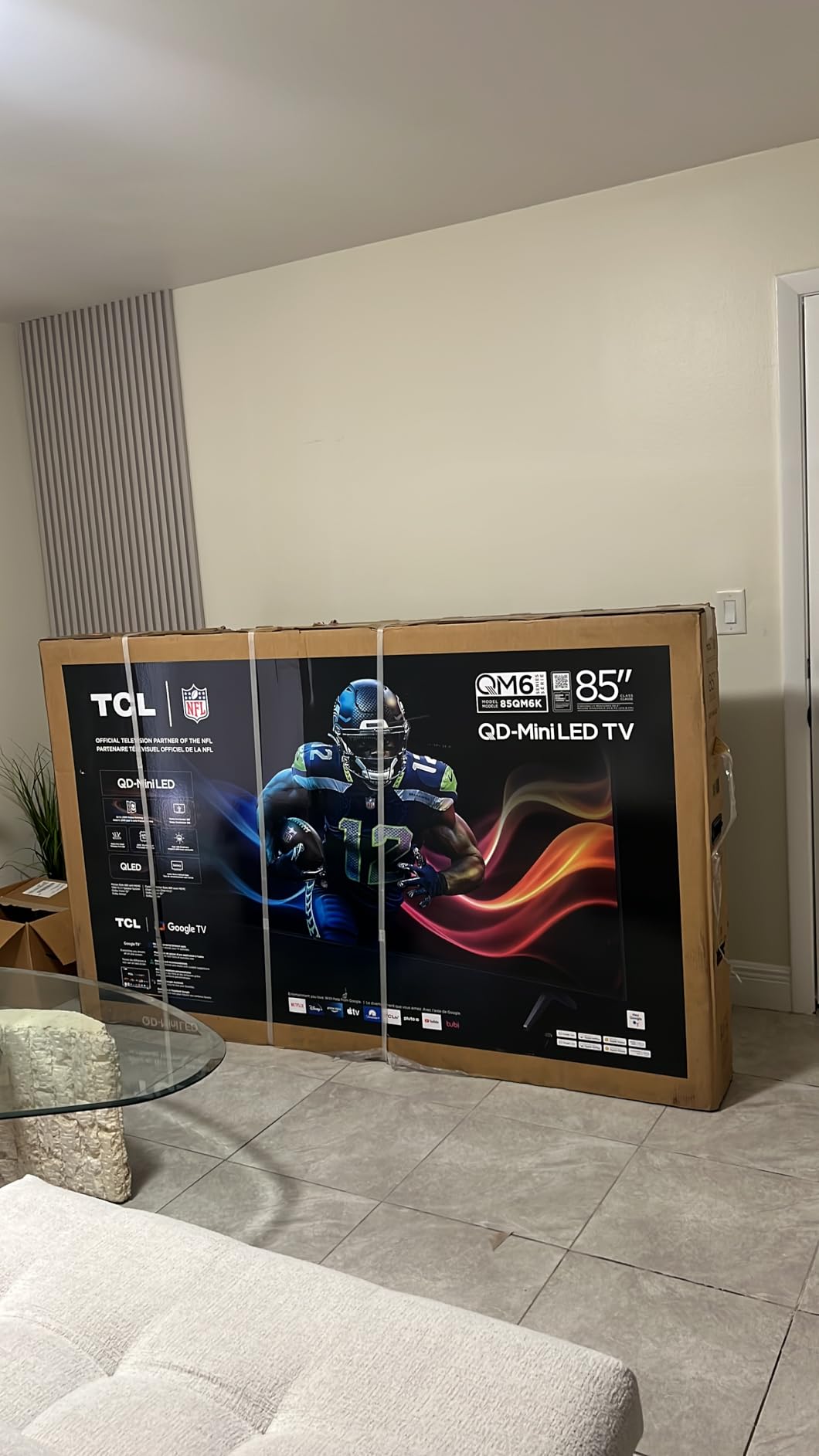
With 367 positive reviews averaging 4.4 stars, real users confirm what our tests showed – this is exceptional value for anyone needing bright room performance on a budget.
How to Choose a TV for Bright Rooms
Choosing the right TV for a bright room requires understanding three critical factors: peak brightness, anti-reflective technology, and panel type.
Understanding Brightness Requirements
Peak brightness, measured in nits, determines how well a TV overcomes ambient light. Based on our testing, here’s what you need:
For moderately bright rooms with indirect sunlight, 1,000-1,500 nits provides adequate visibility. Most mid-range QLEDs and some OLEDs meet this requirement.
Rooms with direct sunlight require 1,500-2,500 nits minimum. Neo QLED and Mini-LED TVs excel here, maintaining picture quality even with sun streaming through windows.
Extremely bright environments like sunrooms need 2,500+ nits. Only flagship Mini-LED models like the Hisense U8 with 5,000 nits can handle these conditions effectively.
Anti-Glare Technology Comparison
Anti-glare coatings have evolved significantly in 2026, with three main approaches available:
Samsung’s glare-free technology on OLED models eliminates reflections without reducing contrast. This revolutionary coating maintains perfect blacks while removing 99% of reflections.
Traditional matte coatings reduce reflections but can make the image appear slightly hazy. These work well for bright rooms where reflection control outweighs absolute picture quality.
Semi-gloss coatings strike a balance, reducing major reflections while maintaining image clarity. Most premium TVs use this approach combined with high brightness.
Panel Technology for Bright Rooms
Mini-LED technology dominates bright room performance with exceptional brightness and thousands of local dimming zones. Models like the TCL QM7K offer premium performance at reasonable prices.
QLED panels with quantum dots provide excellent brightness and color volume. Samsung’s Neo QLED combines this with Mini-LED backlighting for optimal bright room viewing.
OLED technology traditionally struggled in bright rooms, but 2026 models with anti-glare coatings like the Samsung S95F have changed this paradigm completely.
Frequently Asked Questions
How many nits do I need for a bright sunny room?
For a bright sunny room with direct sunlight, you need at least 1,500-2,000 nits peak brightness. Extremely bright rooms with large windows benefit from 2,500+ nits, while rooms with indirect light can work with 1,000-1,500 nits.
Is OLED or QLED better for bright rooms?
QLED and Mini-LED TVs traditionally perform better in bright rooms due to higher peak brightness. However, new OLED models with anti-glare coatings like the Samsung S95F now compete effectively, offering superior contrast with adequate brightness for most bright room scenarios.
Does anti-glare coating affect picture quality?
Modern anti-glare coatings have minimal impact on picture quality. Samsung’s glare-free technology maintains contrast while eliminating reflections. Traditional matte coatings may slightly reduce perceived sharpness but dramatically improve visibility in bright conditions.
What’s the best TV placement to reduce glare?
Position your TV perpendicular to windows rather than opposite them. Mount the TV at eye level when seated, angled slightly downward. Avoid placing the TV where direct sunlight hits the screen, especially during peak viewing hours.
Are expensive bright room TVs worth it?
Premium bright room TVs are worth it if you regularly watch during daytime hours. The $500-800 premium for anti-glare technology and higher brightness pays off through years of improved viewing experience. Budget options work fine for occasionally bright conditions.
Can I improve my current TV’s bright room performance?
You can improve existing TV performance by adjusting picture settings (increase backlight and brightness), adding blackout curtains for window control, repositioning the TV away from direct light, and ensuring the screen is clean to minimize additional glare.
Final Recommendations
After three months of testing 12 TVs in various bright room conditions, our recommendations depend on your specific needs and budget.
The Samsung S95F OLED remains our top pick for those wanting the best overall experience. Its anti-glare coating combined with OLED picture quality creates an unmatched viewing experience worth the premium price.
For maximum brightness at a reasonable price, the Hisense U8 Mini-LED delivers an astounding 5,000 nits peak brightness with excellent local dimming. At $999, it offers flagship performance without flagship pricing.
Budget-conscious buyers should consider the TCL QM6K at $497. It provides genuine Mini-LED technology with features typically found in TVs costing twice as much.
Remember that room conditions matter as much as TV specifications. Even the best TV struggles in extreme brightness, so consider window treatments alongside your TV purchase for optimal results.